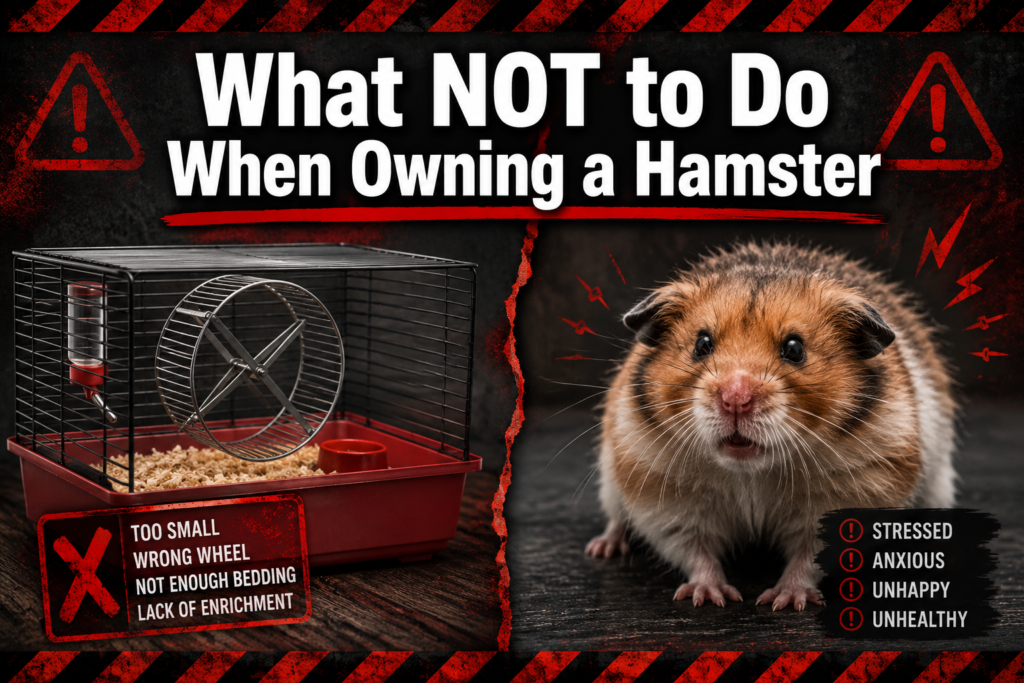
Yes, hamsters definitely get cold, those little desert-bred bodies aren’t built for chilly rooms. Keep the temperature between 65°F and 75°F, or your pet might try to hibernate. And trust me, it’s not as cute as it sounds.
Watch for shivering, sluggishness, or a cold nose—classic signs they’re too cool. You can help with cozy bedding, a safe hideout, and avoiding drafts. Warm them slowly if needed, and never use regular heating pads. Stick around—there’s a lot more to keeping your hamster snug and happy.
Do Hamsters Get Cold?
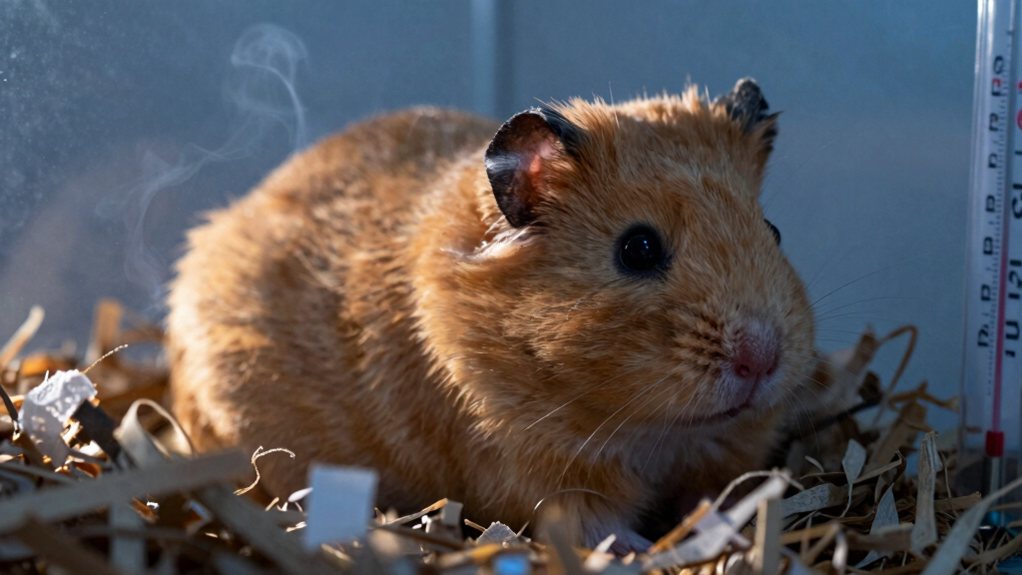
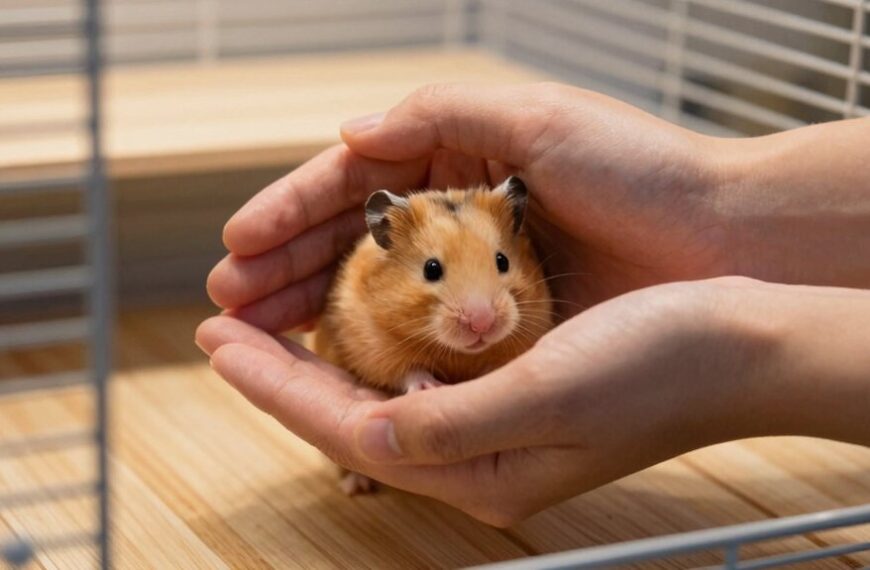
Ever wonder if your fluffy little hamster feels the chill when the thermostat drops? Yep, they sure can! Hamsters are sensitive to cold, especially since they’re native to warmer climates.
If it gets too cold, your little buddy might try to go into hamster hibernation. Yes, that’s a real thing.
Hamsters can actually hibernate when it’s too cold—cute but risky. Keep them warm and cozy to stay safe and active!
But hibernation isn’t safe for pet hamsters and can be dangerous. Keep their cage above 65°F to avoid it.
During winter activity, they’ll still zoom around, so don’t assume they’re fine just because they’re moving.
A cozy hideout, warm bedding, and avoiding drafty spots help a ton.
Think of it like giving them a tiny winter coat, minus the actual sweater. Though that’d be cute.
You’ve got this! Just keep things comfy, and your hamster will stay happy, healthy, and definitely not hibernating.
To ensure accurate monitoring, consider using a digital hygrometer thermometer with high accuracy to maintain ideal habitat conditions.
Ideal Temperature for Hamsters
What’s the perfect climate for your pint-sized furball? Keeping your hamster cozy means nailing the ideal temperature, think 65°F to 75°F. Outside this range, things get tricky.
Too cold? Your hamster might slip into hamster hibernation, which sounds cute but is actually risky.
You don’t want your little buddy zoning out when he should be busy with winter activity like stuffing his cheeks or running his wheel.
Here’s how to keep things just right:
- Avoid drafts – No cages near windows or AC units.
- Monitor the room – Use a simple thermometer to stay in the sweet spot.
- Watch for clues – Shivering or sluggishness? Time to warm things up gently.
Stay alert, especially in colder months. A comfy climate keeps your hamster happy, active, and far from hibernation drama. You’ve got this!
For accurate tracking, consider using a digital hygrometer thermometer with a 10-second update frequency to ensure real-time monitoring of your hamster’s environment.
Signs Your Hamster Is Too Cold
If your hamster starts shivering, it’s a clear sign they’re feeling the chill, kind of like when you forget your jacket on a frosty morning.
You might also notice them moving slower than usual, curled up tight and extra sleepy, which is their way of trying to save warmth.
Don’t worry, though. Just like you’d hop into a cozy blanket, they just need a warmer spot to perk back up.
Signs Of Shivering
Wondering why your hamster’s suddenly twitching like it’s doing a tiny dance?
It mightn’t be hamster hiccups or a new move—it could be shivering from being too cold.
When your little buddy gets chilly, shivering is one of the first signs.
Keep an eye out for these clues:
- Visible shakes or tremors, even when they’re not moving
- Lethargic behavior, your usually active pet seems sluggish
- Changes in food preferences, like ignoring treats they normally love
Cold hamsters slow down, and their bodies work harder to stay warm.
If you spot shivering, check the room temperature.
Ideally, it should be between 65–75°F.
A cozy nest and a warm corner can help.
Don’t panic, but do act fast.
Your furry friend is counting on you to keep things comfy.
And maybe save dance moves for playtime!
Cold-Induced Lethargy
Ever notice your hamster lounging more than usual, like they’ve turned into a tiny, furry couch potato? That sluggishness might be cold-induced lethargy. When it’s too chilly, your little buddy slows way down to save energy, no more zooming on the wheel or digging through bedding.
You might see less food storage and zero interest in social interaction, even if they usually love a chat. It’s more than laziness, their body’s saying, “I’m too cold!”
Keep an eye out, especially if the room feels drafty or cold to you. A hamster should be curious and active, not hibernating in plain sight.
If they’re extra sleepy and shivering, warm up their space gently.
Fix the temperature, and you’ll likely see your lively pal bounce back, ready to stash snacks and say hello again.
Stay cozy, little buddy!
What Happens If a Hamster Gets Too Cold?
If your hamster gets too cold, you’ll start seeing signs like shivering, sluggishness, or even a hunched-up posture, kind of like how you’d act if you forgot your jacket on a snowy day.
Their usual zoomies and snack raids slow down because cold makes them tired and grumpy, just like us after a long week.
Keep an eye out, because catching it early can save your little buddy from a chilly crisis.
Hypothermia Signs To Watch
What does it look like when your tiny furball’s internal thermostat takes a nosedive? If your hamster’s feeling too cold, you’ll want to act fast. Hypothermia sneaks up quietly, but there are clear signs:
- Lethargy or stiffness – Your usually lively buddy moves slow, like they’re stuck in hamster molasses.
- Reduced appetite – They’re ignoring their favorite treats, which is *never* normal.
- Cold ears or paws – Touch their extremities; if they feel icy, frostbite risks go up fast.
You might even catch them shivering—yes, hamsters do that! If you see these signs, gently warm their space (no hairdryers, please, no one wants a fluffy tornado).
Keep their habitat cozy, between 65–75°F.
Spotting trouble early means your little pal stays happy, warm, and snack-obsessed.
Impact On Daily Behavior
How does the cold sneak up on your little hamster and turn their lively routine upside down? When it gets too chilly, your usually energetic buddy slows way down. You’ll notice they’re less interested in zooming on their wheel or exploring their cage.
Their food preferences might shift, too. They could ignore their favorite seeds and barely touch their veggies.
That’s not pickiness, it’s their body conserving energy. Social interactions drop off. Your normally curious pal may hide more and ignore your gentle calls or hand offerings.
They’re not being grumpy, just survival-mode sleepy. It’s like they hit the snooze button on life.
Keep an eye out. This isn’t hibernation, it’s a red flag. Warm them up gently, and you’ll have your feisty little furball back to normal in no time. You’ve got this!
How to Warm a Cold Hamster
Ever wonder why your little hamster’s nose is cold or why they’re burrowing deeper than usual?
If your hamster seems sluggish, it might be too cold, especially since low temps can trigger hamster hibernation, which is risky in captivity.
To help, act fast but gently.
Here’s how to warm a cold hamster:
- Gradual warmth: Hold your hamster close to your body or use a wrapped heating pad on low—never direct heat!
- Cozy bedding: Add extra soft bedding so they can snuggle up and stay insulated.
- Winter nutrition: Offer high-energy foods like seeds and small bits of fruit to support warmth and metabolism.
Keep the room above 65°F and avoid drafts.
You’ve got this. Your warmth and care make all the difference!
Best Bedding to Keep Hamsters Warm
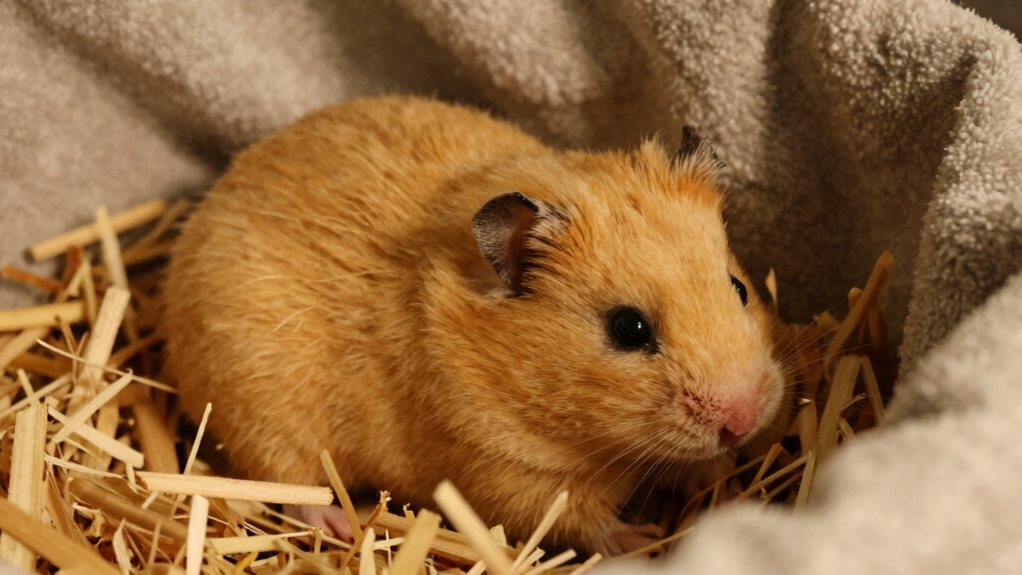
A snug nest makes all the difference when your hamster’s trying to stay warm, and picking the right bedding is your secret weapon against chilly nights.
You’ll want soft, absorbent bedding materials like paper-based or aspen shavings.
Avoid cedar or pine, since they can irritate little lungs.
Hamsters are natural burrowers, so give them plenty to work with.
They’ll use their paws and mouths to shape cozy tunnels that match their nesting habits perfectly.
Think of it as their version of fluffing a pillow before bed.
Shred some unscented toilet paper or add a bit of hay for extra warmth.
Just make sure it’s clean and chemical-free.
Watch them go to town building forts.
It’s equal parts adorable and impressive.
With the right setup, your hamster won’t just survive the cold.
They’ll thrive, snug as a bug in a furry rug.
A depth of 6 to 8 inches of bedding allows for proper burrowing behavior, supporting both warmth and natural instincts.
Safe Ways to Heat a Hamster’s Cage
While you might be tempted to crank up the heat when the thermometer drops, keeping your hamster warm calls for smarter, safer moves.
Skip the sweater and turn down the thermostat—keeping your hamster cozy is about smart, safe warmth, not overheating their space.
Forget hamster fashion. Your pet doesn’t need a tiny sweater. Instead, focus on safe warmth that won’t overheat or stress them out. Here are three easy ways to help:
- Use a ceramic heat emitter – It warms the area without light, so your hamster’s sleep stays sound.
- Add extra bedding – Soft, cozy layers let them burrow like pros.
- Try a safe toy heating pad – Only use one made for small pets, and never plug in a regular heating pad (it’s a fire risk!).
Keep the cage away from drafts, and check the temperature daily. You’ve got this.
Your little buddy will stay snug without turning their home into a sauna. Just a little care goes a long way!
Common Mistakes That Chill Hamsters
What could be sneakier than a chilly breeze your hamster can’t escape? You mightn’t realize it, but everyday choices can accidentally turn their cozy home into a mini icebox.
Overcrowded cages trap moisture and limit airflow, making it harder for your little buddy to stay warm.
And poor ventilation? That’s a double whammy, it cools the space fast while building up dampness.
Skipping a proper hideout or placing the cage near a drafty window are common slip-ups too.
You’re trying your best, but even a fan or AC unit nearby can create a wind tunnel they can’t escape.
Keep their space snug, well-organized, and away from cold spots.
A happy hamster isn’t shivering under bedding, it’s zooming around, full of life.
Watch those mistakes, and you’ll keep the chill at bay, one warm nap at a time.
When to Call the Vet for Cold Exposure
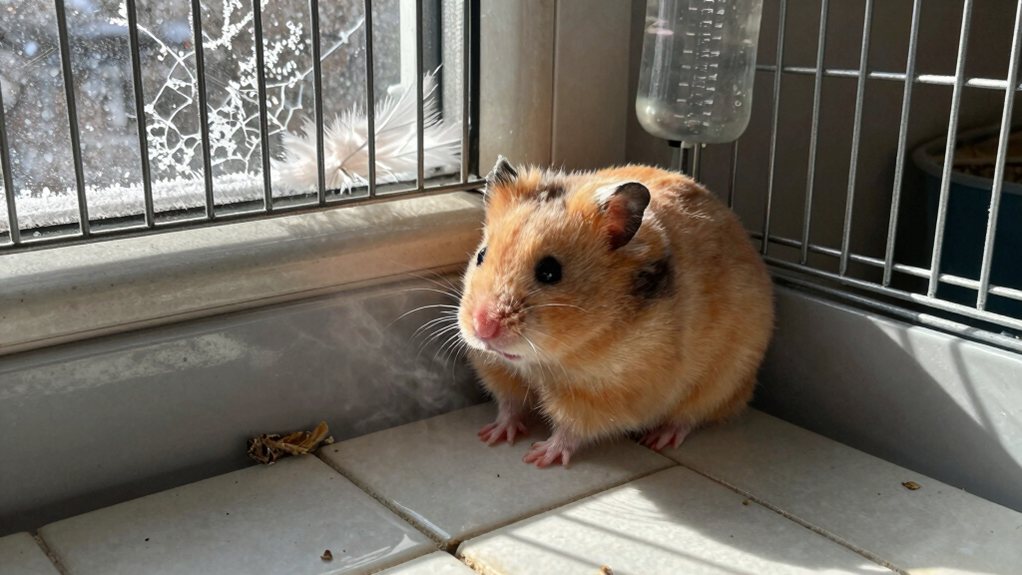
You’ve tucked the bedding just right, moved the cage away from that drafty window, and swapped out the wire-bottomed house for a snug little igloo—good job!
But even with your best efforts, cold exposure can sneak up on your little buddy. Watch for these red flags:
Even with the coziest setup, cold can catch your hamster off guard—watch for warning signs and act fast to keep them safe and warm.
- Lethargy or stiffness – If your hamster isn’t moving much, it might be entering *hamster hibernation*, which can be dangerous indoors.
- Cold nose and ears – A chilly snout is cute, but icy extremities mean trouble.
- Refusing food – Even with proper *winter nutrition*, if they’re not eating, it’s vet time.
Don’t wait. Call your vet fast. Hibernation isn’t natural in a home setting, and your tiny pal needs warmth and care ASAP.
You’re their hero, so trust your gut. And hey, maybe skip the snow day plans for them next winter!
Final Thoughts
You’ve got this! Keep your little buddy cozy, and they’ll stay happy and active. Hamsters do feel the chill, but with the right bedding, warm spot, and a draft-free zone, they’ll thrive.
Just like you wouldn’t nap near a freezer, don’t put their cage in a cold corner. Watch for shivers or sluggishness. It’s their way of saying, “Hey, I’m freezing!” When in doubt, warm things up gently… and maybe send them a blanket hug for me.