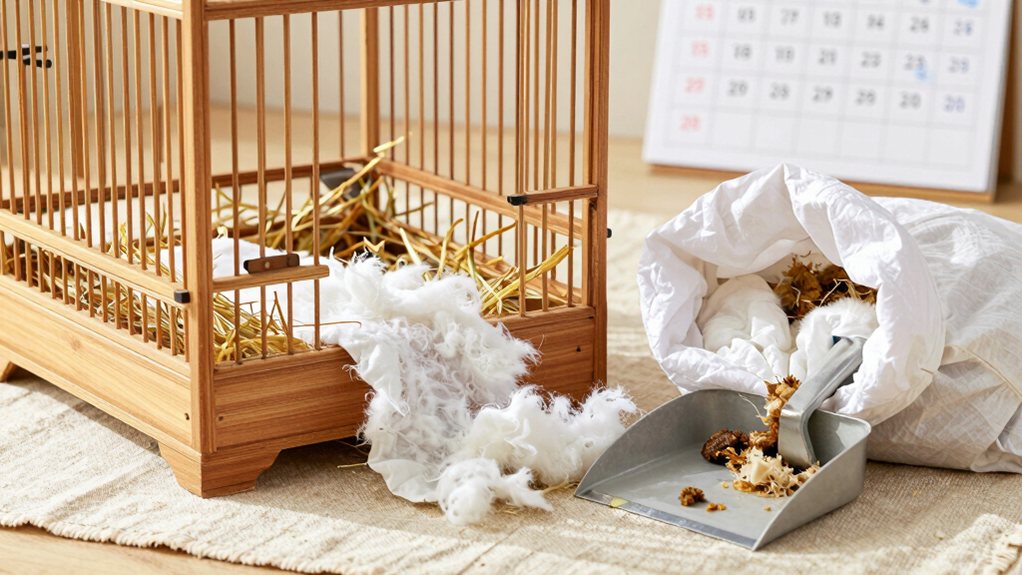
You should replace your hamster’s bedding once a week to keep their home clean and safe. Skipping it can lead to stinky smells, mold, and even health problems from ammonia buildup.
Do quick spot checks every day to scoop out wet spots or poop, think of it as a mini cleanup mission. Fluff the bedding regularly so it stays fresh and comfy. Use paper-based or aspen bedding for best results, and don’t forget to leave a little old bedding behind to keep things familiar. You’ll be surprised how much better life gets for both of you when you stick to a smart routine.
How Often Should You Change Hamster Bedding?
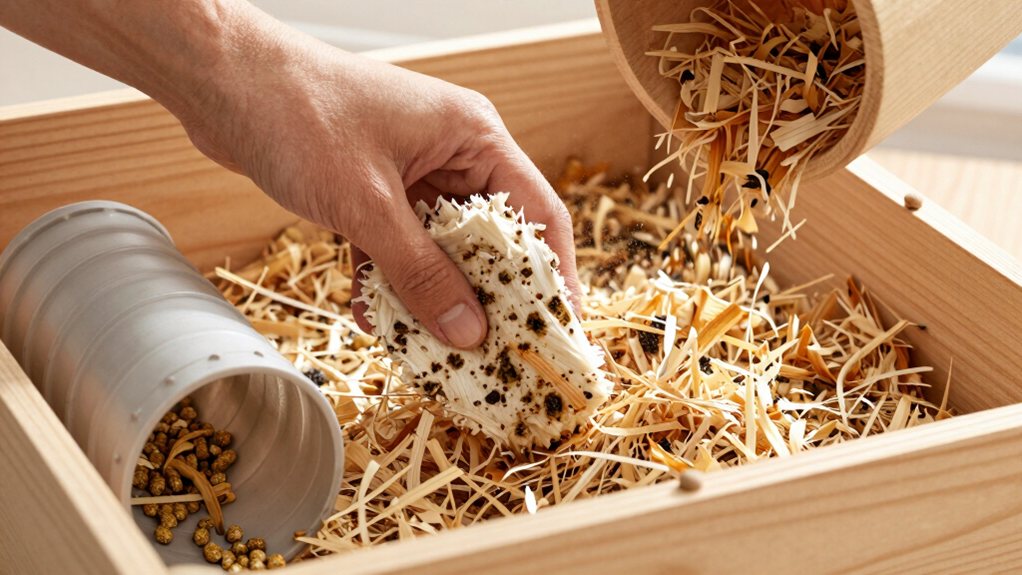
Ever wonder why your hamster’s cage starts smelling like a locker room after a few days? That’s your cue to change the bedding! Most experts recommend a full bedding swap once a week.
If you’re using paper-based bedding, you’ll notice the color darkening, especially in corners where your little buddy likes to snack and nap. That discoloration is a mix of pee, poop, and maybe spilled water.
Your hamster diet plays a role too: more veggies mean wetter waste and stronger smells.
Spot clean daily by removing soiled bits, but don’t skip the weekly deep clean. A clean cage keeps your hamster healthy and happy.
Plus, fresh bedding means you won’t gag every time you walk by. Trust us, both you and your tiny furball will breathe easier, literally!
A clean cage also helps prevent respiratory and skin problems caused by lingering dampness and bacterial buildup.

ODOR CONTROL for long-lasting freshness. Kaytee Clean & Cozy can be used with any type of habitat for a fresh animal home.
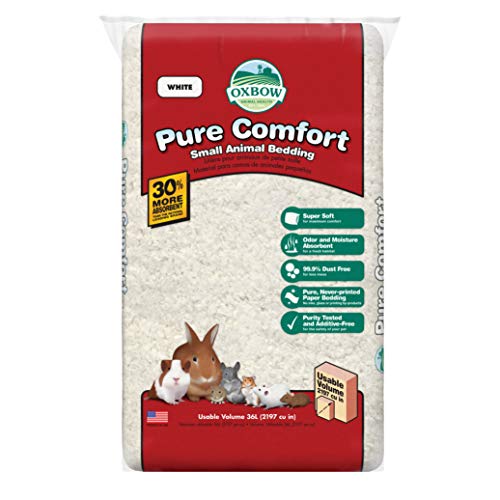
ODOR ABSORBENT TO MINIMIZE PET ODORS: Effectively neutralizes odors to keep bunny bedding & hamster bedding fresh; Ideal for pet bedding, ferret cages, and litter boxes, it helps maintain a clean environment for your pets and a better experience for you

ODOR CONTROL for long-lasting freshness. Kaytee Clean & Cozy can be used with any type of habitat for a fresh animal home
Why Weekly Changes Prevent Health Problems
Most of the time, skipping a weekly bedding change might seem like no big deal, after all, your hamster’s still wheeling away like a champ. But don’t be fooled. A dirty cage can lead to bacteria buildup, ammonia fumes, and even respiratory issues, no matter how balanced their diet balance or solid their exercise routine.
Think about it: if you lived in a messy room all week, wouldn’t you feel off? Same goes for your tiny buddy. Fresh bedding keeps their environment clean, comfy, and stress-free.
Plus, a hygienic habitat supports overall health, so your hamster stays active and happy.
You wouldn’t skip brushing your teeth, right? Well, this is kind of like hamster dental care—preventative and crucial. Stick to weekly changes, and you’ll avoid stinky surprises and vet visits.
It’s a small effort for a big payoff. Your little furball will thank you with more zoomies and fewer sneezes.
Prolonged exposure to ammonia from urine buildup can cause coughing, throat irritation, and worsened respiratory conditions in both humans and hamsters.
What Happens If You Skip a Bedding Change?
If you skip a bedding change, you’re basically inviting stink and germs to throw a party in your hamster’s home. Those funky odors? They’re more than gross. They mean bacteria are building up and could make your little buddy sick. Your hamster mightn’t file a formal complaint, but trust me, he’ll be sneezing, stressed, and way less happy. Using unsafe materials like cedar or pine shavings can worsen this, as these release toxic compounds that compromise respiratory health—so always choose safe bedding materials like paper-based or aspen options.
Health Risks Increase
What’s hiding in your hamster’s bedding could be more than just leftover sunflower seeds. Skipping a change might invite trouble.
When you wait too long to clean, damp spots can lead to mold growth, and that’s no joke for your tiny friend’s lungs.
Plus, bacteria start piling up faster than laundry on a busy weekend.
This bacterial buildup can cause sneezing, infections, or even something more serious.
Think of it like skipping a shower for days; yuck, right?
Your hamster mightn’t complain, but a dirty habitat stresses them out and weakens their immune system.
You’re doing more than cleaning. You’re protecting their health.
A quick bedding swap every week keeps things fresh and safe. It’s a small effort with big rewards.
So don’t let laziness win.
Your furry buddy’s happy, healthy life depends on it.
And who doesn’t want their hamster bouncing around like a tiny, energetic potato?
Using unsafe materials like scented or dusty bedding can worsen these risks, especially since hamsters have highly sensitive lungs that react strongly to irritants.
Odors And Discomfort Grow
Ever wonder why your hamster’s cage starts smelling like a forgotten gym bag? When you skip a bedding change, odors build up fast, and your little buddy feels it most.
Stale bedding texture turns lumpy and gross, making naps less cozy and stress levels rise. Poor cage lighting won’t help either. Muck and shadows make the space feel even more unwelcoming.
Here’s what your hamster deals with:
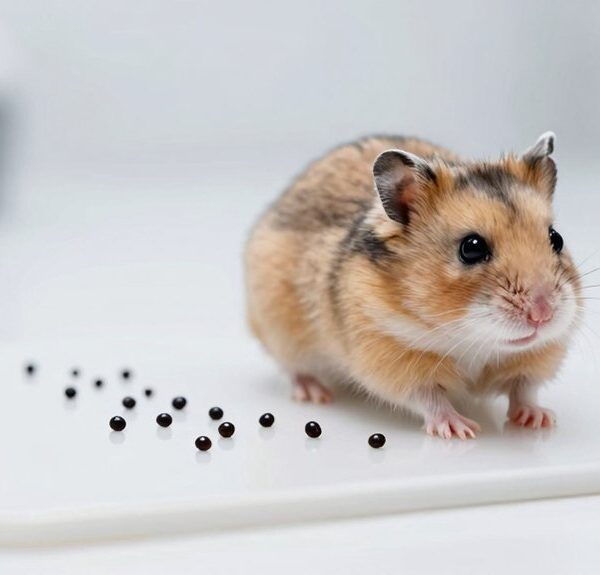
- Nose-burning ammonia smells from pee-soaked corners
- Itchy, damp bedding that irritates sensitive paws and skin
- Stress from dirty, dim surroundings, especially under weak cage lighting
You mightn’t mind the funk at first, but your hamster sure does.
Fresh bedding isn’t just about smell. It’s comfort, health, and a happy little life.
A weekly full cage cleaning helps prevent harmful bacterial growth and keeps your hamster’s environment safe and hygienic.
How to Spot Clean Your Hamster’s Bedding
Why wait for the whole cage to smell like a dirty gym sock before you clean? Spot cleaning your hamster’s bedding keeps things fresh without a full overhaul. Grab simple cleaning tools like a small scoop or spoon and a paper towel. No fancy gear needed.
Check daily for soggy spots, poop piles, or chewed-up food. These wet or soiled areas change the bedding texture, making it clumpy or sticky, which your hamster won’t love.
Scoop out the bad bits, then replace them with fresh, dry bedding. It’s quick, easy, and your little buddy will thank you.
Plus, it cuts down on odors and keeps your hamster happy and healthy. Think of it like tidying up the kitchen instead of deep-cleaning the whole house. A little effort goes a long way. Your nose and your hamster will notice the difference!
Daily spot-cleaning also helps you monitor changes in poop or pee to catch potential health issues early.
Best Bedding Types for Odor and Moisture Control
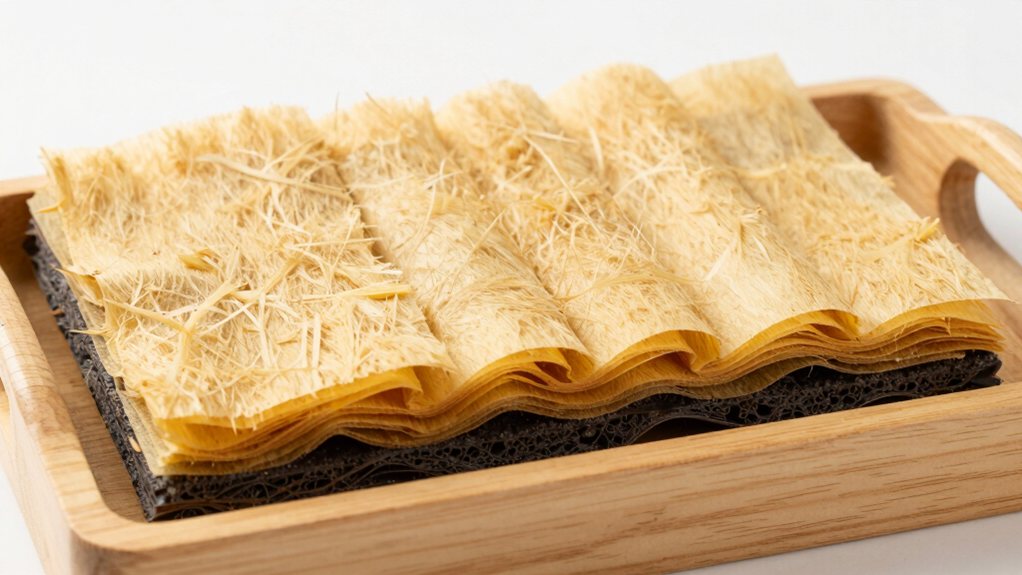
Keeping up with daily spot cleaning helps, but let’s be real—your hamster’s comfort and a fresh-smelling room depend a lot on what you’re actually putting on the cage floor.
Choosing the right bedding makes a huge difference in controlling odor and moisture. You want something safe, cozy, and effective.
Here are the top 3 picks that’ll keep both you and your tiny buddy happy:
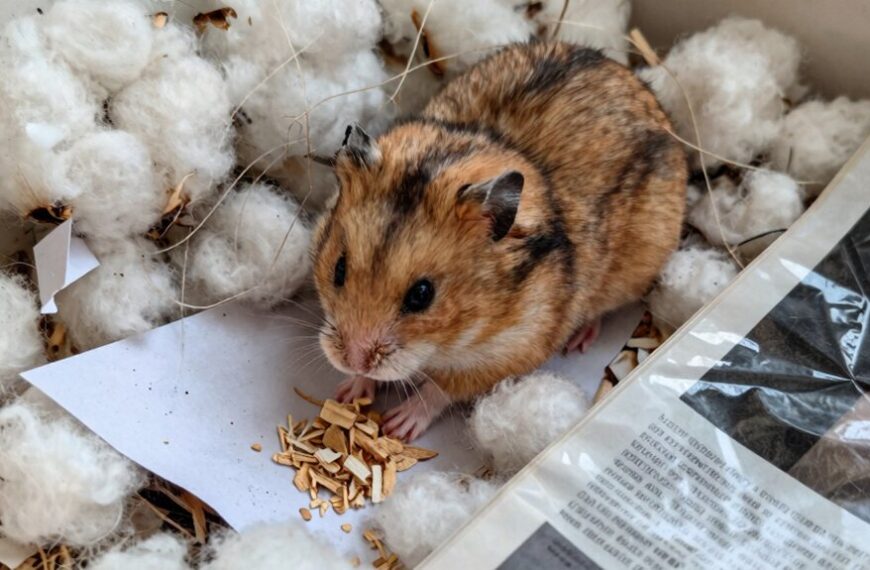
- Paper-based bedding – Made from natural fibers, it’s super absorbent and traps smells like a champ.
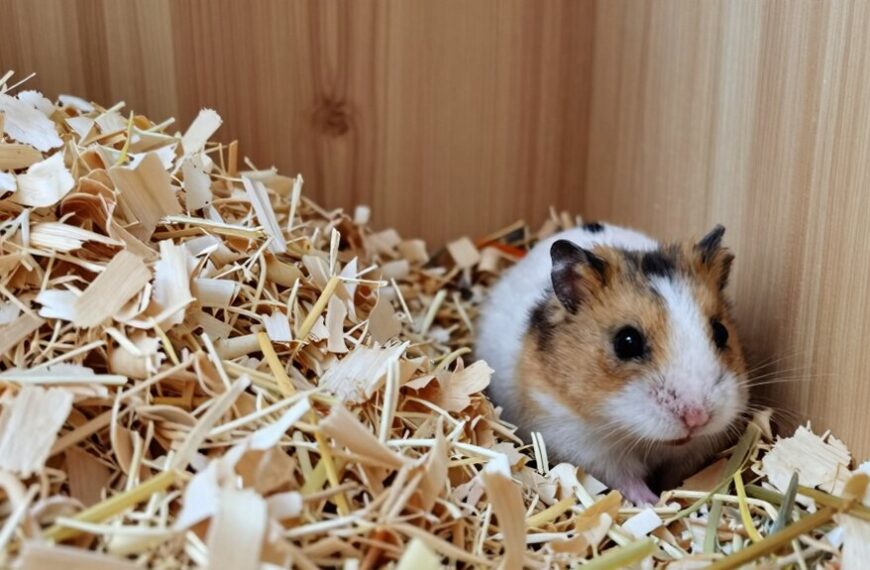
- Aspen shavings – A favorite for many, these absorbent materials handle moisture well and stay fresh longer.
- Fleece liners (with absorbent backing) – Washable, eco-friendly, and great at wicking away dampness.
Skip the cedar or pine. It’s harsh and can bother your hamster’s lungs.
Stick with soft, natural fibers, and you’ll breathe easier too—literally.
Paper-based options like Kaytee CleanCozy offer up to 6x absorbency, making them highly effective at managing moisture and reducing cleaning frequency.
How Bedding Depth and Cage Size Affect Cleaning
You’ve got to pay attention to how deep you pile the bedding. Too shallow and it’s messy, too deep and you’ll be scooping out damp spots like you’re mining for treasure.
A bigger cage gives your hamster more room to roam, which means you won’t have to clean as often. But a smaller space? That’ll turn into a stink zone faster than you can say “hamster spa day.”
Layer smartly, keep an eye on the corners, and you’ll stay on top of the mess without losing your nose to the funk.
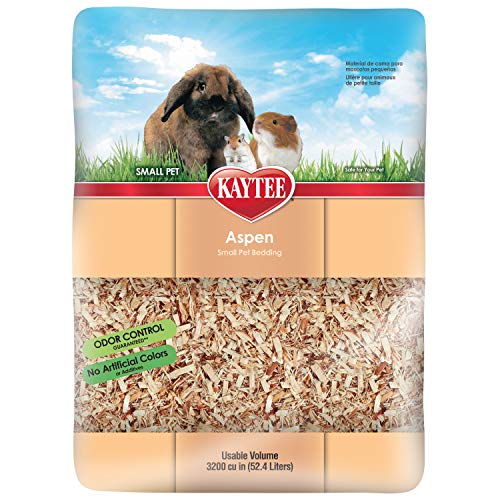
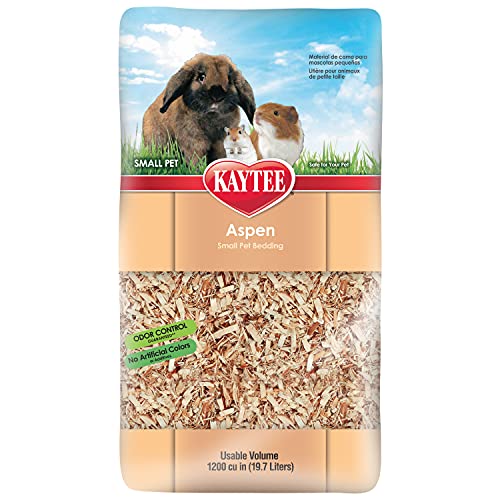
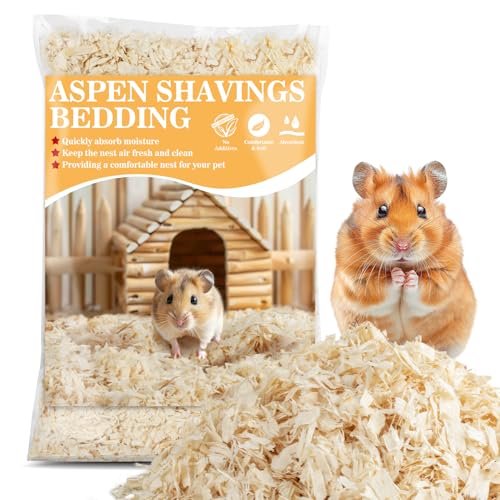
Aspen shavings: Using aspen wood, without any additives, with a nice odor, fluffy and comfortable, good for use as pet bedding
Bedding Depth Matters
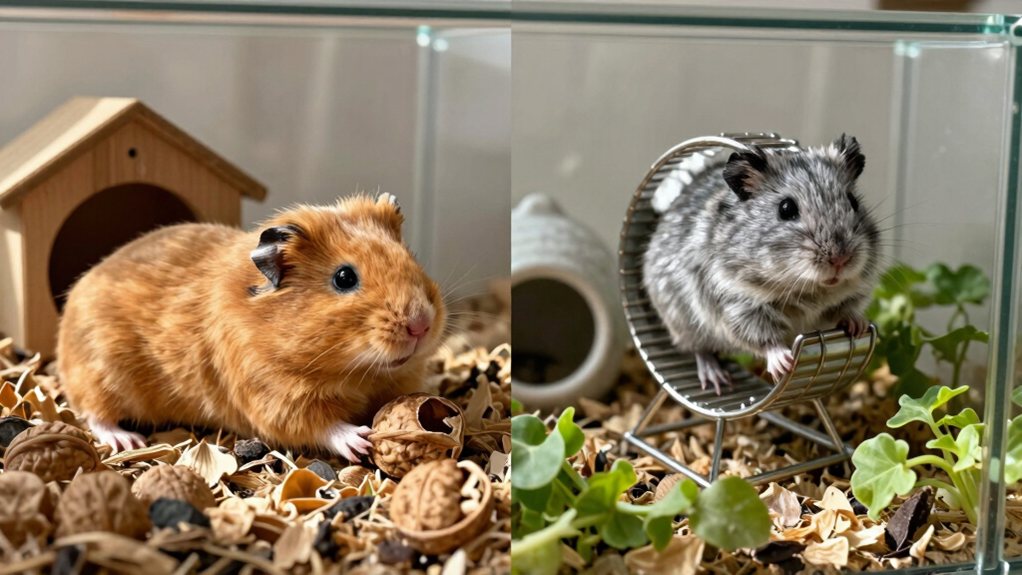
While your hamster mightn’t come with an instruction manual, one thing’s for sure: they’re picky about their personal space, especially when it comes to how deep their bedding is. The right depth keeps them happy, safe, and digging like little pros. Too shallow, and they can’t burrow; too deep, and it traps moisture and odors. Aim for 2–3 inches to strike the perfect balance.
A cozy layer supports natural digging instincts: your hammy will thank you with happy zoomies.
Proper depth helps manage waste and urine, making cleaning easier on you.
It improves bedding texture and guarantees material safety by reducing damp spots and mold.
Thicker bedding isn’t just comfy—it’s smart care. You’ve got this!
Cage Size Influences Frequency
When it comes to cleaning your hamster’s home, size really does matter. Bigger cages mean more space for your little buddy to explore, but they also change how often you need to swap out the bedding.
If you’ve got a spacious cage, waste spreads out more, so odors and moisture don’t build up as fast. That means you mightn’t have to do a full bedding change quite as often—maybe every two weeks instead of weekly.
But don’t get too comfy. Cage material and ventilation design play big roles too. Wire cages with good airflow help reduce dampness, while plastic bins might trap smells faster.
Just remember: even with a palace-sized pad, your hamster still needs a clean, healthy space. Keep an eye on soggy spots and stinky corners—they’re your cue. Think of it like laundry: bigger load doesn’t mean skip the wash!
Layering Affects Hygiene
If you’ve ever dug through your hamster’s bedding and found a secret stash of sunflower seeds three inches below the surface, you know their home isn’t just a pile of fluff. It’s a layered kingdom.
But too much layering can lead to bedding compaction and airflow restriction, creating damp, smelly zones your hamster won’t love. To keep things fresh and safe:
- Deep layers trap moisture, turning cozy burrows into moldy dungeons.
- Compacted bedding suffocates airflow, letting bacteria throw wild parties underground.
- Your clean-up job gets harder, since hidden pee spots stay hidden—until they don’t.
Aim for 2–3 inches of bedding max, especially in smaller cages. Fluff it weekly to revive loft and check for soggy zones. Think of it like fluffing a pillow.
Your hamster deserves fresh, bouncy digs!
With the right depth, you’ll boost hygiene, cut down on odors, and keep your tiny roommate happy, healthy, and snuggled just right.
Signs It’s Time to Change Bedding Early
Ever wonder why your hamster’s cage suddenly smells like a locker room after gym class? That stink is your cue, time to change the bedding, even if it’s earlier than planned.
If you spot damp spots or see mold growth, don’t wait. Mold isn’t just gross; it’s dangerous for your tiny friend’s lungs.
Also, keep an eye out for tiny bugs or signs of a pest infestation. Those uninvited guests love soggy bedding too.
If the floor of the cage feels wet or looks clumped and dirty, your hamster’s probably not happy.
They’re clean little creatures and deserve a fresh, dry home. Trust your nose and your eyes.
When in doubt, scoop it out and replace it. A quick clean could save your pet from sneezes, stress, or worse.
Your hamster mightn’t say “thank you,” but they’ll show it with zoomies and happy cheek-puffing.
How to Change Bedding Without Stressing Your Hamster
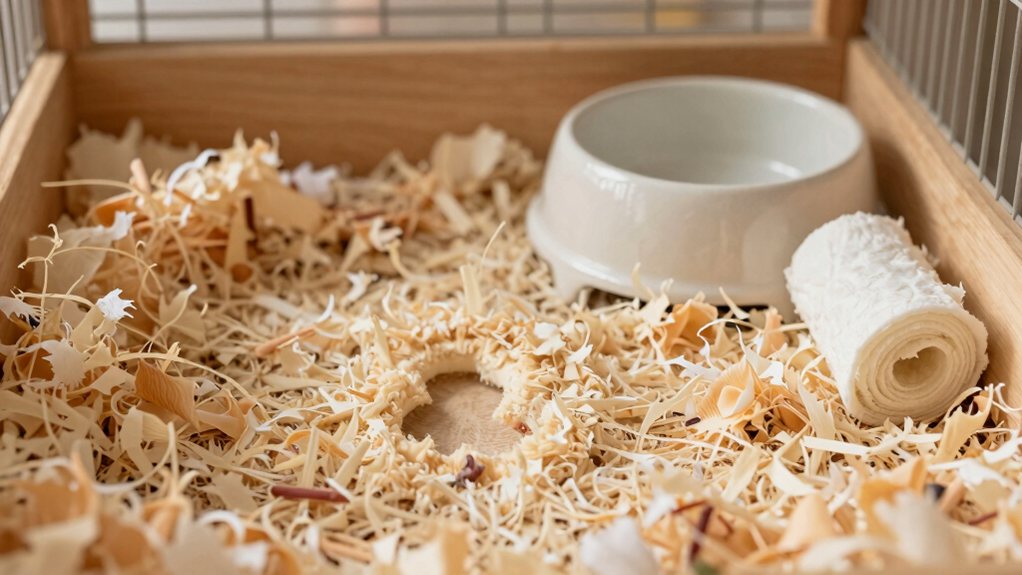
When you’re swapping out your hamster’s bedding, go slow and keep your hands gentle. No one likes a surprise tornado in their living room.
Leave a bit of the old bedding behind so your little buddy still smells home, because even hamsters get attached to their favorite corner.
And hey, talk to them softly while you work. They mightn’t understand your words, but they’ll know you’re not about to summon the vacuum monster.
Safe Handling Techniques
Wondering how to tackle the bedding swap without turning your hamster into a tiny, panicked escape artist?
With a quiet approach and a gentle grip, you’ll keep your little buddy calm and trusting.
Here’s how to handle the change like a pro:
- Wash your hands first – No strong scents! You don’t want to startle your hamster with unfamiliar smells.
- Move slowly and speak softly: A quiet approach reassures your pet that everything’s okay, even when their world is being flipped upside down (literally).
- Use a gentle grip – Scoop them with both hands like a tiny football, supporting their whole body so they feel safe.
You’ve got this!
A little patience turns a stressful moment into bonding time.
Your hamster might even forgive you for ransacking their fortress.
Minimize Environmental Changes
While your hamster may not file a formal complaint when you overhaul their home, they definitely notice: they’d really prefer you didn’t turn their cozy burrow into a construction zone every other day.
To keep your little buddy calm, aim for bedding consistency. That means keeping the same type of bedding and only replacing it partially each week.
This helps maintain environmental stability, which hamsters secretly crave (even if they act tough).
When it’s time for a full change, save a small handful of the old bedding and mix it in with the fresh stuff. It keeps their scent safe and familiar.
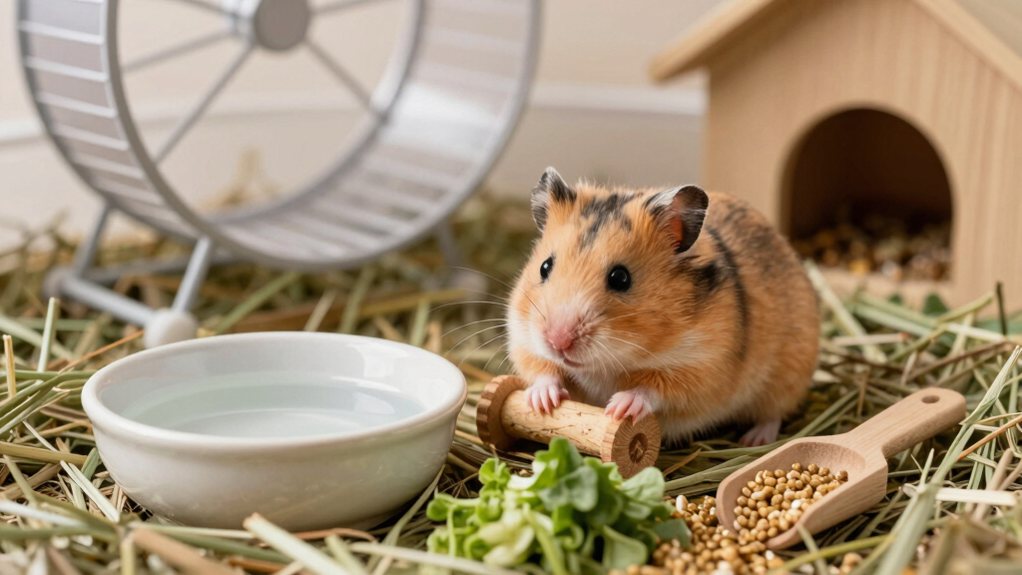
Avoid rearranging the cage layout every time—stick to the same spots for food, wheel, and nest. Sudden changes stress them out.
Think of it like redecorating your room while you’re still trying to sleep. Keep it simple, predictable, and low-drama. Your hamster will thank you with fewer grumpy squeaks.
Mistakes That Stress Hamsters During Cleaning
Ever wonder why your hamster suddenly turns into a tiny, wide-eyed escape artist every time you clean the cage?
It’s probably because of a few common missteps that spike their stress.
Hamsters are super sensitive to noise levels and sudden movements, so blasting music or yanking things out fast can scare them silly.
To keep your little buddy calm, avoid these three mistakes:
- Yelling or making loud noises near the cage, quiet voices are golden.
- Rushing the cleanup, slow and steady keeps their heart rate steady too.
- Removing all bedding at once, leave a bit of the familiar scent so they don’t feel totally lost.
A peaceful clean means a happy hamster.
Think calm vibes, soft hands, and patience.
You’ve got this, and so does your fuzzy roommate.
Using a non-toxic disinfectant ensures your hamster isn’t exposed to harmful residues during and after cleaning.
Create a Hamster Bedding Schedule That Works
Now that you’re keeping things calm and quiet during cleanups, no more hamster panic attacks when you grab the sponge. It’s time to talk about the real backbone of a happy habitat: your bedding schedule.
You don’t need to swap everything out daily, but spot-cleaning every few days keeps odors and damp spots under control.
Aim to fully replace bedding once a week. This balance keeps your hamster healthy without stressing them.
Watch their behavior closely. If they’re burrowing less or avoiding certain areas, the bedding texture might be off or the cage too dirty.
Soft, absorbent materials like paper-based bedding usually win the comfort prize.
And hey, your hamster isn’t running a five-star hotel, but they’ll appreciate fresh digs just the same.
Stick to a routine, tweak as needed, and you’ll both sleep better—literally.
Final Thoughts
You’ve got this! Changing your hamster’s bedding weekly keeps things fresh and your little buddy healthy. Skipping it, that’s a one-way ticket to stink town and nobody wants that.
Spot clean when needed, pick the right bedding, and stick to a schedule. Your hamster might not say “thanks,” but trust us, they’ll feel it. Just go easy during cleanings—no need to stress your tiny roommate. A little effort goes a long way in making their world awesome.


ODOR CONTROL for long-lasting freshness. Kaytee Clean & Cozy can be used with any type of habitat for a fresh animal home.

✅【Naturally Air-Dried, Pet-Friendly Material】Made from 100% naturally dried herbs and flowers—no additives, no artificial scent—this bedding blend includes oat, wheat, millet, rabbit tail grass, and more. It’s safe for daily interaction and gentle on tiny paws, making it perfect for hamsters and other small animals.