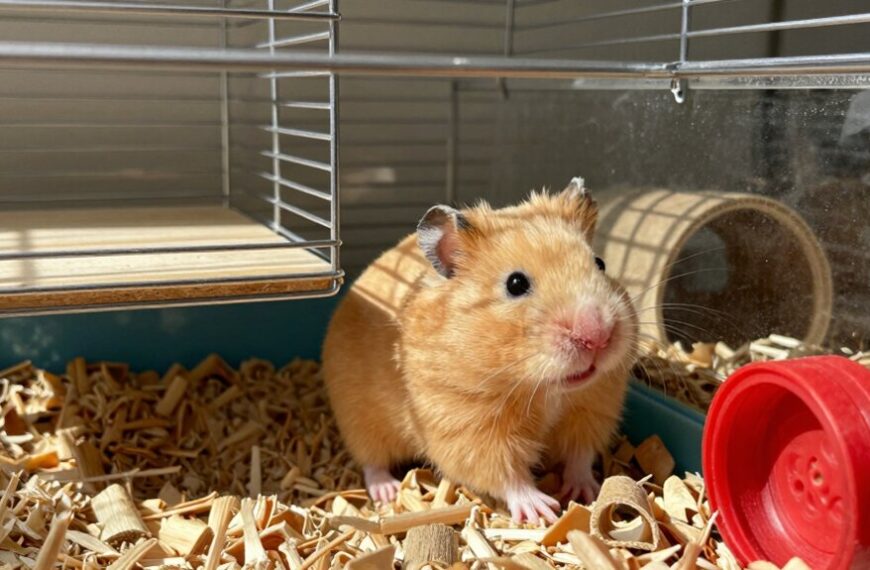
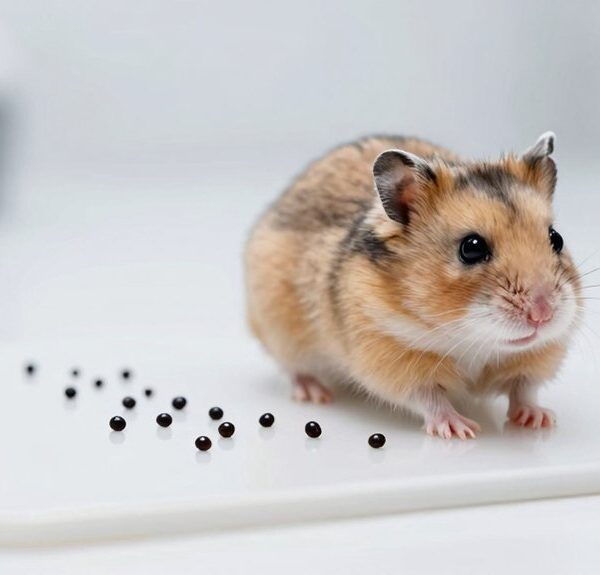
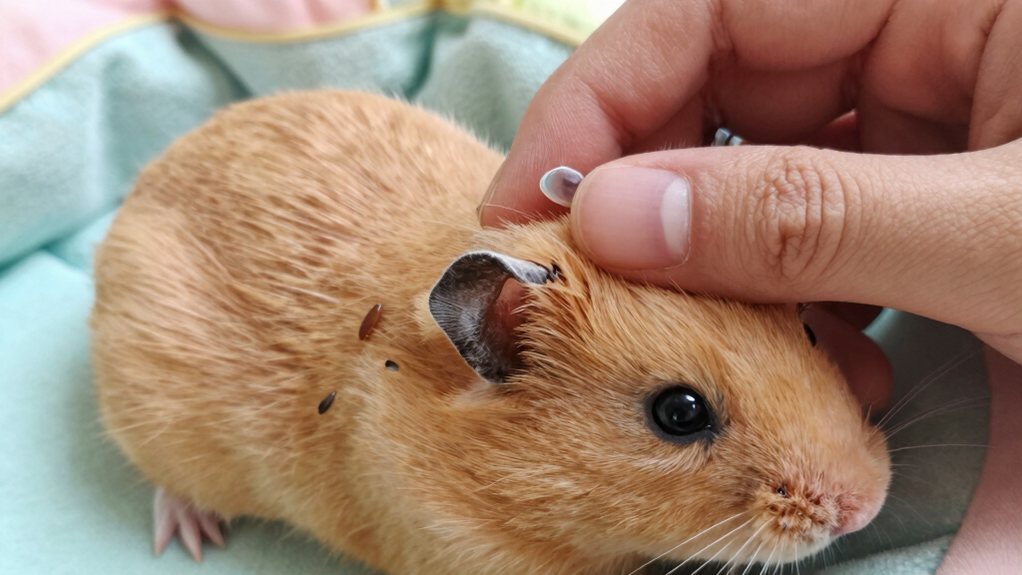
You’re probably cramping your hamster in a too-small cage or overstuffing it with toys, making a messy maze they can’t zoom through. Avoid cedar or scented bedding, it’s like spraying perfume in their lungs! Check bar spacing, if they can squeeze their head, they’ll escape.
Keep the cage draft-free, quiet, and clean daily, nobody likes a dirty room. And skip the clumping litter or flashy paper, stick to safe aspen or plain paper. Oh, and a wheel? Non-negotiable. There’s more where that came from.
Choosing a Cage That’s Too Small
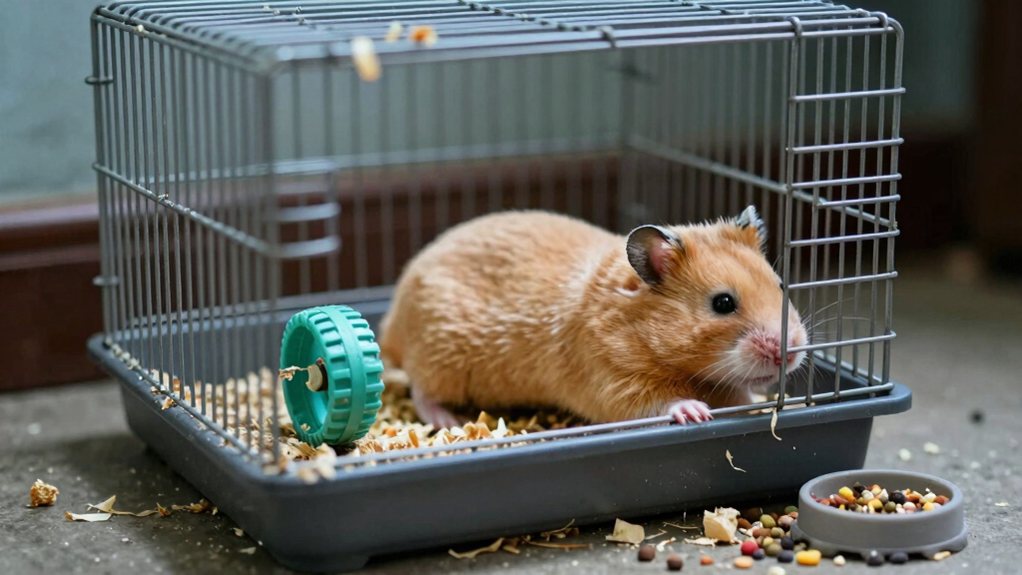
Ever wonder why your hamster’s always running laps like it’s training for the tiny animal Olympics? Chances are, you’ve picked a cage that’s too small.
Hamsters need plenty of floor space to explore, dig, and live happily, think at least 450 square inches.
Think big: hamsters thrive with room to explore and dig—aim for at least 450 square inches of floor space for a happy, healthy home.
A cramped cage cramps their style and their health.
Sure, cage height looks impressive, but most hamsters spend their time on the ground, not climbing skyscrapers.
Focus on wide, open floor space instead of towering levels that go unused.
A roomy enclosure means room for toys, tunnels, and a proper exercise wheel, basically, hamster heaven.
When you give them space, they’re less stressed and way more fun to watch.
So skip the shoebox-sized homes and go big.
Your little buddy mightn’t say “thanks,” but their energetic zoomies will speak volumes.
Trust us, a happy hamster is a well-housed hamster.
A cage with minimum recommended floor space ensures your hamster can engage in natural behaviors and maintain good physical and mental health.
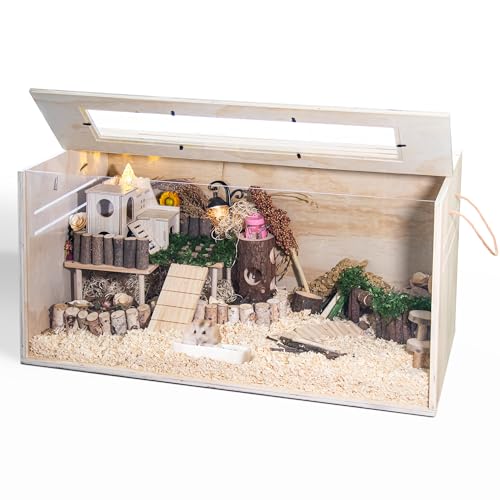
[Habitat for various small animals] The large hamster cage measures 40 inches * 20 inches * 20 inches, with a floor space of about 774 square inches, suitable for small and medium-sized animals such as rabbits, guinea pigs, hedgehogs, hamsters, quail, gerbils and ferrets, providing them with more space to play without weight restrictions.
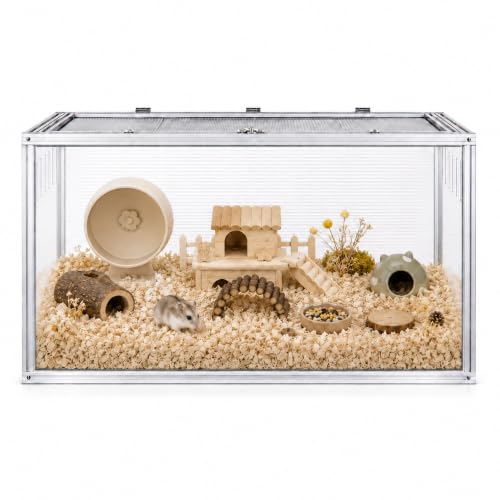
CLEAR VIEW & VENT HOLES: Clear acrylic front and sides with vent holes for easy observation and healthy airflow in this hamster cage.
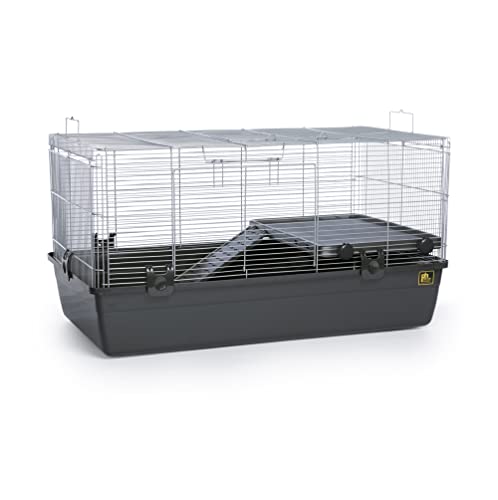
FITS A WIDE VARIETY OF SMALL ANIMALS - Rounded cage corners and tight 3/8 inch wire spacing offers more security and pet variety for this habitat, while the tub base allows for bedding
Picking Unsafe or Toxic Bedding
You might think any soft stuff works as bedding, but some choices can actually make your hamster sick.
Skip the pine or cedar shavings, they look cozy, but they release oils that can irritate your little buddy’s lungs.
And please, no lavender-scented “luxury” paper. Your hamster isn’t running a spa, and those perfumes can be toxic!
Aim for a bedding depth of 6 to 8 inches to support natural burrowing behavior, as hamsters are instinctive digging animals.
Unsafe Wood Shavings
What’s hiding in your hamster’s cozy nest mightn’t be as harmless as it seems. Cedar shavings and pine bedding may smell nice to you, but they’re actually unsafe for your tiny friend.
These wood shavings release aromatic oils called phenols, which can irritate your hamster’s lungs and lead to serious respiratory issues or worse, long-term illness.
Think of it like making your hamster nap in a room full of strong perfume; cute, but kinda cruel.
Instead, opt for aspen bedding. It’s safe, soft, and won’t make your pet sneeze like they’re auditioning for a tissue commercial.
Your hamster’s health starts from the ground up, so skip the pine bedding and never ever use cedar shavings.
A happy hamster is one breathing easy, not one wheezing in a fragrant forest of bad ideas.
Choose wisely. Your little buddy will thank you with every joyful wheel run.
Clumping cat litter should also be avoided because it poses severe digestive blockages if ingested.
Toxic Scented Bedding
Could your hamster’s bedding be doing more harm than good? That sweet *aroma safety* mightn’t be so safe after all. Scented bedding may smell lovely to you, but for your tiny buddy, it’s like living in a perfume factory, 24/7.
Those artificial fragrances increase chemical exposure, irritating your hamster’s sensitive lungs and skin.
What feels like a cozy upgrade could actually cause sneezing, stress, or even long-term health issues. Think about it: would you nap in a room filled with air fresheners? Probably not.
Skip the floral fantasy and go for natural, unscented options like paper-based or aspen bedding.
Your hamster won’t miss the lavender spa vibe—promise. Keep it simple, safe, and sniff-free.
After all, their comfort and tiny nose depends on you making smart choices. A little caution goes a long way in the world of tiny paws and big dreams.
A safer alternative is choosing bedding labeled 99.9% dust-free, which significantly reduces respiratory irritation and supports long-term health.
Inappropriate Paper Products
Ever wonder why that stack of shredded newspaper or colorful notebook paper in your hamster’s cage isn’t such a hot idea? Some paper products might look soft and cozy, but they can actually be harmful.
Your hamster chews, a lot, so anything in their cage needs to be safe to nibble. Here’s what to avoid:
- Glossy or colored paper: Inks and coatings can be toxic if ingested.
- Notebook or construction paper: Often contains dyes and chemicals not meant for tiny tummies.
- Toilet paper with fragrances or lotions: Sure, it’s soft, but those additives irritate sensitive noses.
- Paper towels with bleach or dyes: Even “clean” looking ones might hide harsh residues.
Stick to plain, unbleached paper products like plain toilet paper or unscented paper towels. Your little buddy will love you for it. Safety first, fluff second!
Blocking Airflow With Poor Ventilation
Why do some hamster cages feel stuffy, even when you’re sure you’re doing everything right? It might be poor ventilation. If your hamster’s home has blocked airflow, like when bedding piles up against the sides or you’ve tucked it into a tight corner, fresh air can’t circulate.
Stuffy cage? Blocked airflow from piled bedding or tight spaces can trap stale air—your hamster deserves better ventilation and a breath of fresh air.
That means stale air, humidity, and a less healthy space for your little buddy. Think of it like sleeping in a closet with no windows. Not exactly a dream, right?
Avoid this by keeping the cage in an open area and checking that vents aren’t covered. Wire cages usually breathe better than plastic bins, but either way, don’t smother it with blankets or shove it behind furniture.
A little airflow goes a long way in keeping your hamster happy, healthy, and sniffing fresh. After all, nobody likes a stuffy roommate, even if they’re tiny and furry.
Optimal cage designs combine mesh ventilation with ≤5mm spacing to ensure proper airflow while still preventing escapes and maintaining structural integrity.
Ignoring Bar Spacing (Escape Risk!)

You’d be surprised how sneaky hamsters can be, they’ll squeeze through bars that are even a little too wide and suddenly you’re on a wild chase across the living room.
Make sure the spacing between bars is no more than about half an inch, and check for any loose or bent bars that could turn into escape routes.
A secure cage doesn’t just keep your hamster safe, it also saves you from midnight hide-and-seek games you never signed up for.
Proper Spacing Prevents Escapes
While your hamster might look small and cuddly, don’t let that fool you. Those tiny paws are built for escape!
Proper bar spacing isn’t just a suggestion. It’s your first line of defense.
Aim for gaps no wider than ½ inch to keep your Houdini in check.
But spacing isn’t the only thing. Bar strength and latch quality matter just as much.
A flimsy latch or bendable bars? That’s basically an open invitation.
- Your hamster can squeeze through gaps smaller than a jellybean
- Weak bars can bend under curious paws and sharp teeth
- A loose latch might as well have a “Welcome, Escape Artist” sign
- Even calm hamsters get adventurous when boredom hits
Keep things snug, secure, and escape-proof.
Your peace of mind and your hamster’s safety depend on it.
Adding chew-proof bar covers can further reinforce weak bars and prevent gnawing damage over time.
Check For Gaps Regularly
Ever peek into your hamster’s cage only to find a suspiciously wide gap where none seemed to exist yesterday? Yeah, hamsters are escape artists with a knack for finding weak spots. That’s why regular cage inspections are a must.
What looked secure last week might now be a five-star exit route.
Make gap detection part of your weekly routine. Check corners, latches, and seams where wear and tear sneak up.
Even a tiny opening can turn into a great escape if ignored. Think of it like pet-proofing your home, one chewed corner at a time.
A hamster’s natural curiosity and nocturnal behavior increases the likelihood of escape attempts, especially when confined in inadequate spaces.
Sure, it’s a little extra work, but your peace of mind and your hamster’s safety is worth it.
Plus, catching a gap early means fewer midnight hide-and-seek games under the couch.
Stay sharp, stay consistent, and keep those little Houdinis where they belong. Safe, snug, and snacking in their cage.
Secure Bars To Contain Hamsters
You just caught your hamster halfway out of a sneaky gap you didn’t even know was there again.
It’s time to check your cage’s bar strength and latch quality before your tiny escape artist makes a full getaway.
A flimsy frame or wobbly latch isn’t just a hiccup.
It’s an open invitation for adventure and chaos.
- Bars that bend under light pressure aren’t safe. Your hamster might treat them like a jungle gym.
- Weak latches pop open with a curious nudge. Double-lock mechanisms are your friend.
- Chewed or rusty bars lose strength over time. Inspect them monthly.
- Gaps between bars wider than your hamster’s head? Red flag!
Don’t wait for a great escape.
A secure cage means peace of mind—for you and your pint-sized Houdini.
Placing the Cage in a Drafty or Loud Spot
What good is a cozy hideout if the wind’s constantly whooshing through your hamster’s fur like a tiny, furry weather vane?
Placing the cage in a drafty or loud spot stresses your little buddy more than you think.
A drafty or noisy cage stresses your hamster more than you realize—peace and quiet are essential for their tiny, sensitive world.
Hamsters have serious noise sensitivity, sudden sounds like TVs or barking dogs can scare them silly.
And drafts? They cause wild temperature fluctuations that mess with your pet’s health.
You wouldn’t want to nap near a creaky door or a blasting AC, right?
Same goes for your hamster.
Pick a quiet, stable spot in your home—away from windows, vents, and busy hallways.
A calm corner keeps their heart steady and their whiskers twitching with joy, not fear.
Think peaceful vibes only.
Your hamster may not complain out loud, but trust me, they’ll thank you by being active, happy, and way cuter when they’re not stressed.
To ensure stability, monitor conditions with a reliable digital hygrometer thermometer that tracks both temperature and humidity in real time.
Overcrowding With Too Many Accessories
While it’s tempting to turn your hamster’s cage into a five-star playground complete with ramps, tunnels, chew toys, and a tiny Ferris wheel, stuffing in too many accessories can backfire faster than a hamster on a wheel after too many sunflower seeds.
Overcrowding stresses your little buddy and can even be dangerous. Keep it fun but functional.
Too many toys create tunnel traps where your hamster might get stuck or injured.
Cluttered spaces make cleaning harder and hide waste, leading to poor hygiene.
A packed cage limits running room—hamsters need space to zoom, not traverse a maze.
Fluffy hammock hazards can entangle tiny paws or become poop traps if not secured.
Less is more. Pick a few sturdy, safe items your hamster actually uses.
You’ll both enjoy a cleaner, calmer, and cozier habitat, no Ferris wheel required.
Choose decorations that support natural enrichment to promote healthy behaviors and reduce stress.
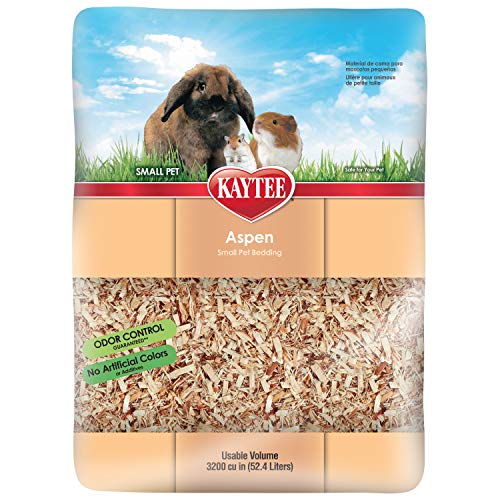
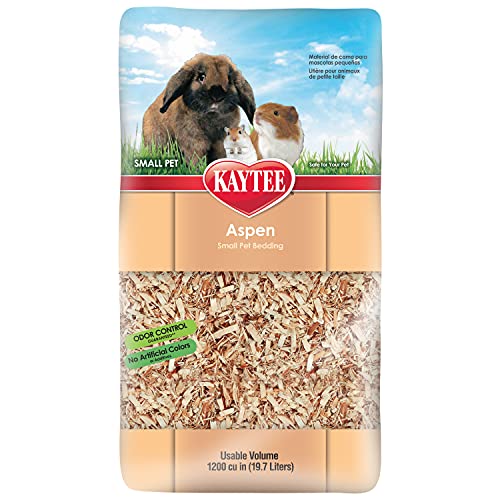

ODOR CONTROL for long-lasting freshness. Kaytee Clean & Cozy can be used with any type of habitat for a fresh animal home.
Skipping Daily Spot Cleaning
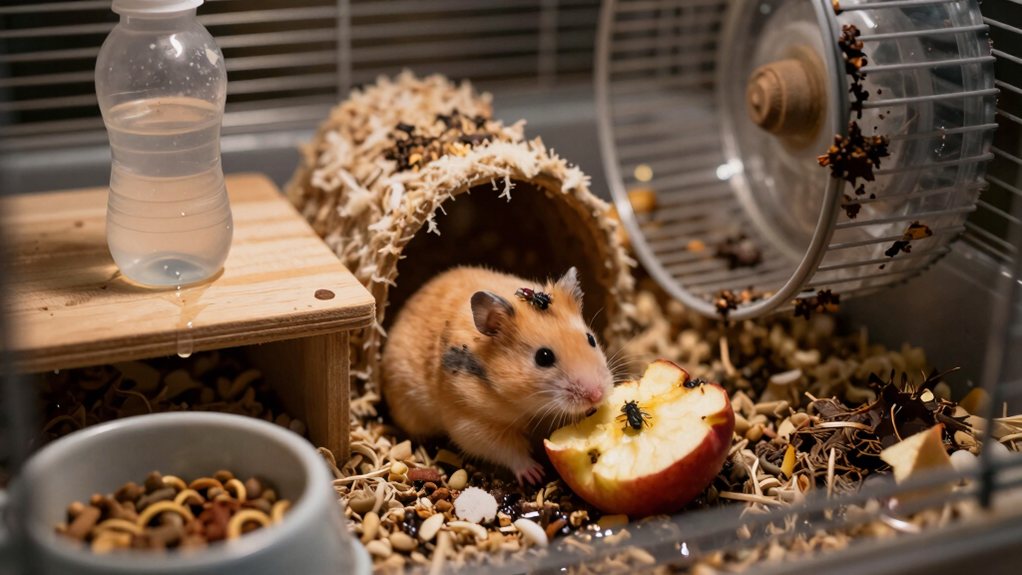
Ever peek into your hamster’s cage and think, *“It’s not that bad… right?”* Think again. Skipping daily spot cleaning might seem harmless, but it’s like letting laundry pile up until it becomes a science experiment.
That leftover food, wet bedding, or droppings? They lead to odor buildup fast, turning your hamster’s home into a stink zone.
Plus, hygiene neglect isn’t just gross—it can make your little buddy sick.
Hamsters are clean creatures, and they deserve a tidy space.
A quick daily sweep takes just minutes: scoop the mess, replace soiled bedding, and wipe any damp spots.
It’s way easier than a full cage overhaul once a week.
Trust us, your nose (and your hamster) will thank you.
Think of it as a mini favor for a furry friend who can’t grab a mop himself.
Stay on top of it, and you’ll both breathe easier—literally.
A clean environment supports long-term health and helps prevent issues that can arise from poor sanitation, such as respiratory irritation or bacterial growth, especially when using unsafe materials like cedar or pine bedding.
Forgetting Exercise Wheels and Chew Toys
If you think your hamster’s idea of a perfect day involves napping in a pile of shredded toilet paper, you’re only half right.
Those little furballs need action, but also snoozes.
Forgetting exercise wheels and chew toys isn’t just an oversight. It’s a fast track to a bored, stressed pet.
Exercise importance can’t be overstated.
Exercise isn’t a luxury—it’s a lifeline. For hamsters, movement means mental health, physical well-being, and a happy, fulfilled little life.
Hamsters are born runners, and without a wheel, they’ll chew on cage bars or over-groom.
Plus, toy safety matters. Avoid plastic toys with sharp edges or small parts they could swallow.
- A silent, sturdy wheel for midnight marathons
- Wooden chew toys to keep teeth trimmed
- A tunnel or two for spontaneous zoomies
- Safe, natural materials free of toxic dyes
You’ve got this.
Your hamster’s happiness is just a few smart additions away.
Pairing Hamsters Without a Split Cage Setup
So, you’ve decided your hamster could use a buddy, aww, how sweet! But tossing two hamsters together without a split cage setup? That’s like forcing roommates to share a tiny apartment without meeting first.
Hamsters are picky about their social hierarchy, and skipping the bonding process can lead to stress, fights, or even injuries. A split cage lets them see, smell, and get used to each other safely, with a barrier in place.
You can gradually introduce shared time once they’re calm and curious, not aggressive. Think of it as hamster speed-dating, much better than a surprise blind date in a cage!
Without this step, you’re risking more drama than a reality TV show.
Final Thoughts
You’ve got this! Avoiding these common mistakes means your hamster gets a happier, healthier home. Skip the tiny cage, dodge dusty bedding, and keep things roomy and safe.
Your little buddy needs fresh air, quiet corners, and room to zoom, yes, even at 2 a.m. Toss in a wheel and chew toys, and you’re golden. A little daily cleanup? Totally worth it. Think of it as hamster hospitality!

【Large Multi-Floors Hamster Mouse Gerbil Mansion】5-Solid Paw Safe Floors ; White Wire Body With 3-Inch Deep Blue Base; 4 solid plastic floors with 4 solid Ladders; 2 front doors; 【Expandable and Customizable】Able to Expand and Completely Compatible "Mcage" Accessories For More Space.

【Upgrade Installation & Air Ventilate】Compare with 1.0, we have simplified the installation steps of the front door in this version, which can be easily completed in only 2 steps. But it doesn't affect the large door on the front side and a roof vent to bring fresher air to the pet’s habitat or change bedding, set up new toys from the top, but also open the front door to feed hamsters or interact.

【Upgrade Installation & Air Ventilate】Compare with 1.0, we have simplified the installation steps of the front door in this version, which can be easily completed in only 2 steps. But it doesn't affect the large door on the front side and a roof vent to bring fresher air to the pet’s habitat or change bedding, set up new toys from the top, but also open the front door to feed hamsters or interact.