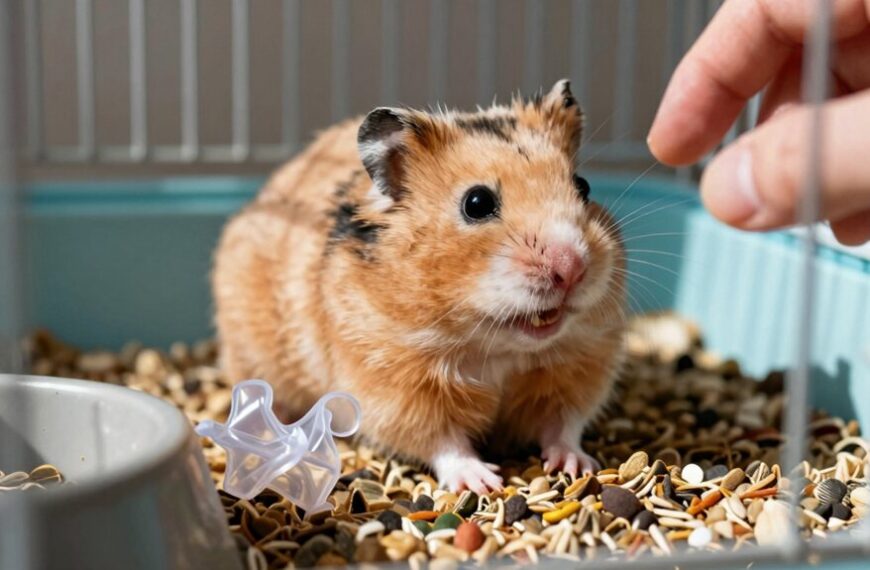
If your hamster skips treats, chews the cage bars like it’s mad at them, or suddenly bites when you reach in, it’s probably stressed or unhappy. Watch for fur loss, constant hiding, or pacing like it’s plotting an escape.
Nighttime restlessness, daytime naps, and teeth grinding are red flags too. These little drama queens need routine, space, and fun. Give them that, and you’ll see a happier, zoomier pet. There’s more to keeping your fluffball content than you think.
Is Your Hamster Unhappy? Key Signs to Watch For
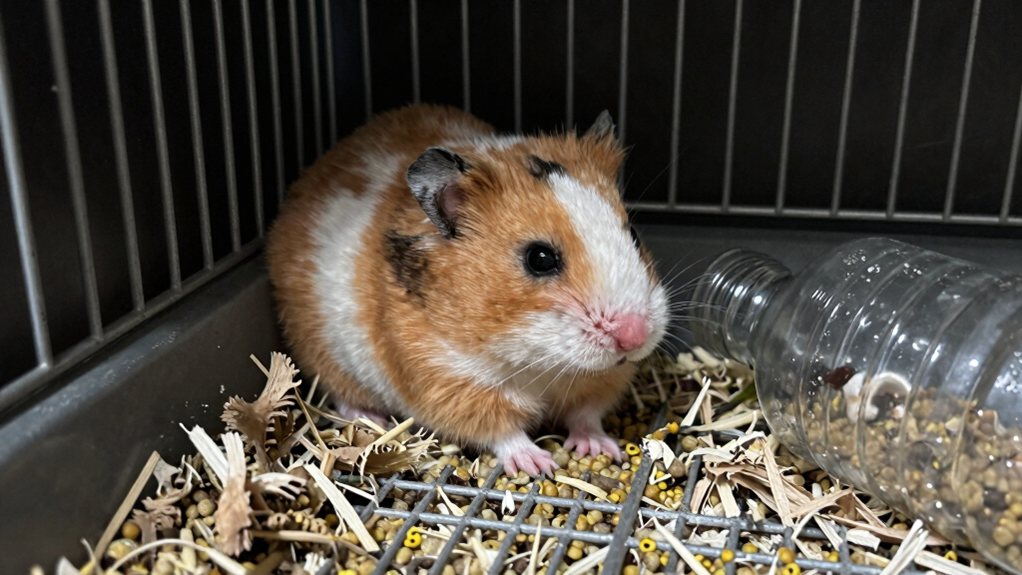
Ever wonder why your hamster’s acting a little off? It might be unhappy. Watch for signs like constant bar-chewing, hiding more than usual, or ignoring their favorite treats. A sad hamster might even skip playtime benefits they once loved.
You know that wheel they used to sprint on like a tiny marathoner? If it’s gathering dust, it’s a red flag. Try toy rotation to spark their curiosity, swap out old toys weekly to keep things fresh and fun. Hamsters get bored too, believe it or not!
If yours starts grooming excessively or acting jumpy, stress could be the culprit. But don’t panic. Small changes can make a big difference. Add tunnels, chew toys, or even a cardboard castle. You’ll both smile more when your little buddy’s back to zooming around like a furry lightning bolt.
A lack of space and stimulation can lead to a condition known as cage rage, where hamsters display repetitive or aggressive behaviors due to psychological strain.

12 Pack Hamster Chew Toys: Small animals chew toys pack includes apple wood ladder, bell roller, single-plank bridge, bell swing, unicycle, seesaw, square molar block with rope,pine nuts*2, willow rattan ball, wood rattan ball,apple sticks 50g.

Weight: One pack of 250g apple sticks for pet rodents includes premium hamster chew sticks. Dimensions are controlled within a reasonable range, with each stick having a length of about 4.5 inches and a diameter no more than half an inch

[ All-Natural Materials ] Made from 100% natural materials, with no artificial harmful additives or preservatives, ensuring a safe and healthy option for your pets.
Loss of Appetite or Weight Change
You know your hamster’s usual snack attack routine, so when they start ignoring their favorite treats, it’s a red flag.
A sudden drop in appetite or unexpected weight change might mean they’re stressed or under the weather.
Think of it like your hamster giving you the silent treatment, except instead of sulking, they’re skipping dinner.
Loss of appetite is often one of the first observable end-of-life signs in aging or ill hamsters.
Loss Of Appetite
What’s going on when your usually enthusiastic hamster turns up its tiny nose at a favorite treat? Loss of appetite can be a red flag that your little buddy isn’t feeling right.
Maybe it’s a sudden shift in food preferences, or perhaps something’s off in the tummy. Digestive issues are no joke, even for hamsters.
You know how picky they can be. One day they’re all about sunflower seeds. The next they act like you’re offering broccoli-flavored cardboard.
But if the refusal lasts more than a day or two, it’s time to pay attention. Weight loss sneaks in fast with such tiny bodies.
Check for droopiness, less energy, or changes in droppings.
It’s about more than hunger. It’s about health.
Stay calm, but don’t wait. A quick vet visit could save a lot of tiny troubles down the road.
Sudden Weight Change
How can such a small change signal something big? Well, when your hamster suddenly packs on or sheds pounds, it’s like their tiny body’s way of waving a red flag. You mightn’t think a few grams matter, but in hamster world, it’s a big deal.
A sudden weight change could point to a diet imbalance, maybe they’re getting too many treats or not enough nutrients.
Or worse, it could hint at a sudden illness sneaking in under your radar. Keep an eye on their food bowl and litter habits, changes often start there.
Weigh them weekly with a kitchen scale, yes, really, to catch shifts early.
It’s about more than looking cute while eating a sunflower seed, it’s about staying healthy. Catching it early means you can help fast, and that’s what every good ham parent wants.
Chewing Cage Bars From Stress
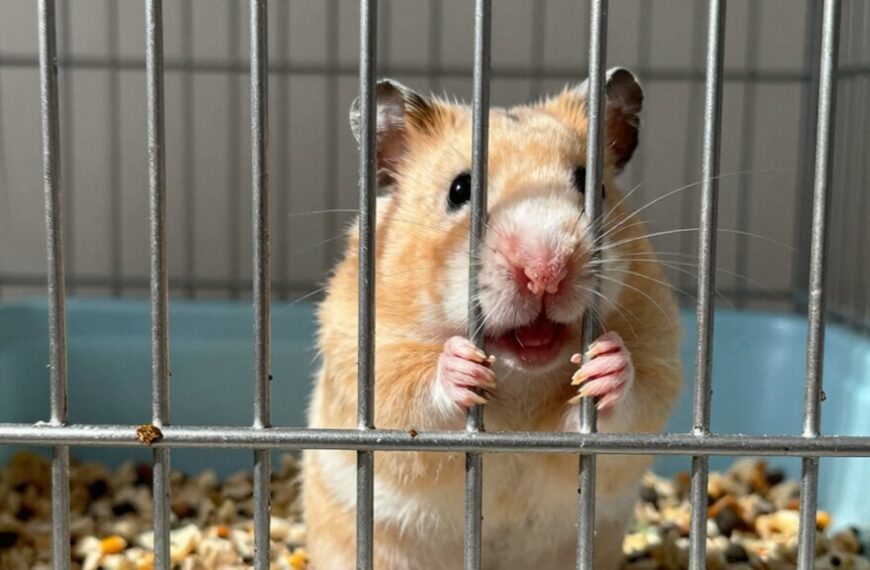
You might catch your hamster gnawing on the cage bars, and while it looks funny at first, it’s often a sign they’re stressed or bored.
This habit isn’t just annoying. It can lead to tooth damage or even make them sick if they swallow metal shavings.
Think of it like chewing on a pencil when you’re nervous.
Your hamster’s just trying to cope, but it’s time to give them better outlets.
Chewing cage bars can also be linked to dental health needs, as hamsters must gnaw to prevent their continuously growing incisors from becoming overgrown and painful.
Chewing Due To Boredom
Ever wonder why your hamster keeps gnawing on the cage bars like it’s trying to escape a tiny prison? It mightn’t be stress. Sometimes, your little buddy is just bored.
Hamsters are naturally curious and need plenty of exploratory play to stay happy. Without enough toys, tunnels, or things to chew, they’ll turn to the cage bars for entertainment. That’s where environmental enrichment comes in.
Try adding cardboard tubes, wooden chew toys, or a fun obstacle course to keep things exciting.
Rotate toys weekly so your hamster doesn’t get tired of them. Think of it like redecorating their apartment, fresh vibes keep them engaged.
Boredom chewing isn’t dangerous at first, but over time, it can hurt their teeth or paws.
Signs Of Emotional Distress
Why do some hamsters chew their cage bars like they’re plotting a great escape, even when they’ve got toys and tunnels to explore? It mightn’t be mischief. It could be emotional distress. Hamsters are sensitive little souls, and stress from social isolation or environmental monotony can take a toll.
- Your hamster paces nonstop, like it’s training for the tiny hamster Olympics
- It bites the cage bars even though it’s not trying to eat
- It seems jumpy or hides more than usual, avoiding your hand like a grumpy roommate
These signs often mean your furry friend feels stuck or lonely. While they’re not super social like dogs, too much alone time or a boring setup can wear on them.
Switch things up with new toys, gentle handling, and a roomy, enriched space. You’ll both be happier, promise.
Persistent bar chewing may also indicate underlying dental health issues that require appropriate chew toys to manage.
Bar Chewing And Health Risks
While it might look like your hamster’s auditioning for a prison break, constantly chewing the cage bars is rarely about escaping and often points to something more serious. This behavior, called bar chewing, usually means your little buddy is stressed, bored, or craving more mental stimulation.
A too-small cage, lack of toys, or loneliness can all fuel this habit.
But here’s the real kicker: constant bar chewing can lead to dental damage. Hamsters’ teeth grow nonstop, and gnawing metal throws off their natural wear, possibly causing misaligned or overgrown teeth.
That’s a one-way ticket to pain and eating troubles.
So instead of shrugging it off, spruce up their space with chew toys, tunnels, and daily playtime.
You’ll save their smile and sanity. After all, a happy hamster chews on wood, not wire.
Installing chew-proof bar covers can also help protect your hamster from metal gnawing while preserving dental health.
Aggression in an Unhappy Hamster
A grumpy hamster isn’t just acting out for fun, when your little furball starts showing aggression, it’s often a clear sign something’s off.
If your hamster’s suddenly nipping, lunging, or puffing up like a tiny, angry balloon, it might be stressed or unhappy.
This kind of behavior often ties back to territorial behavior or dominance displays, especially if their space feels invaded.
- Your hamster might hiss or stand tall, trying to look tougher than a peanut in a windstorm
- It could bite when you reach in, not because it hates you, but because it feels threatened
- You may notice it guarding food or nesting spots like a dragon with a tiny treasure
Stay calm, go slow, and give your buddy time.
A little patience can turn a feisty furball into a cuddly companion again.
Hamsters do not bite to show love; instead, aggressive actions are usually linked to fear or stress, and understanding fear-based nips can help improve their well-being.
Fur Loss From Over-Grooming
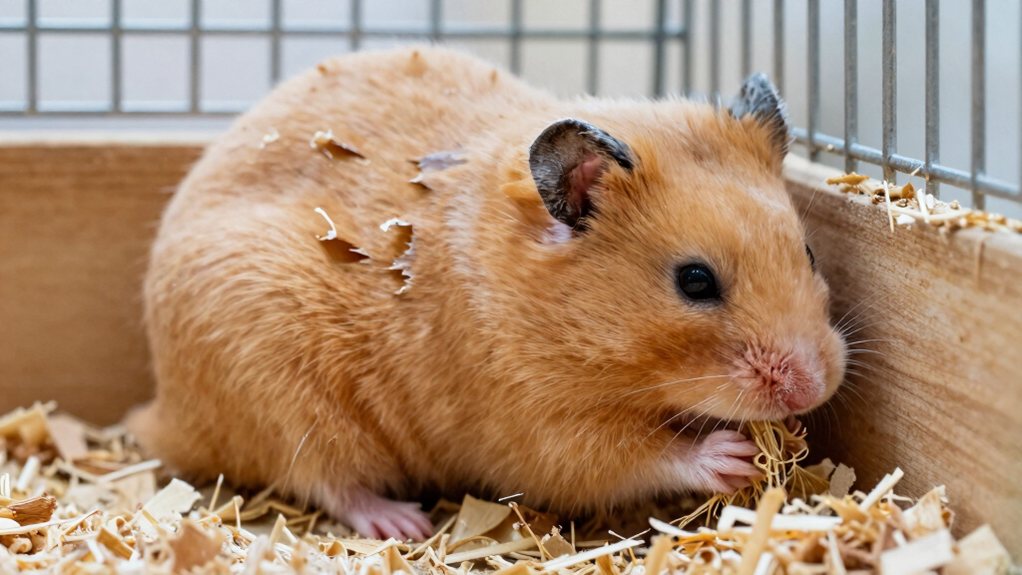
Ever notice your hamster scratching more than a cat after a nap in a sunbeam? If you’re seeing bald patches, it mightn’t be a quirky fashion statement. Your little buddy could be over-grooming due to stress.
Bald patches? Your hamster might be stressed, not just stylish—excessive scratching could be a cry for comfort, not a new look.
When hamsters feel anxious or bored, they sometimes lick or scratch excessively, leading to fur loss. It’s their way of coping, kind of like how you might chew your nails.
To help, make sure your hamster’s environment is full of fun—think tunnels, chew toys, and wheels for environmental enrichment.
Also, double-check their hamster nutrition: a balanced diet keeps skin healthy and reduces irritation.
If the bald spots stick around or get worse, a vet visit is a smart move. You’re doing great by paying attention—your care means the world to them.
A well-designed habitat with natural materials like untreated wood and coconut shells supports natural gnawing behavior, helping reduce stress-related over-grooming.
Lethargy and Low Energy Levels
If your usually zippy hamster suddenly acts like they’ve been up all night binge-watching hamster-sized reality TV, it might be more than just a lazy day.
Lethargy and low energy levels are red flags that your little buddy might be unhappy or unwell.
Unlike their usual zoomie-filled routine, a down hamster shows clear signs like lack of play and slow movement.
You’d normally catch them sprinting on their wheel or digging like tiny excavators, but now? Not so much.
- They nap more than a sleepy teen on a Sunday
- They barely touch their favorite toys or treats
- Their movement feels sluggish, like they’re wading through peanut butter
Don’t brush it off.
Check their environment, diet, and health.
A little care can bring back their spark, and those adorable midnight wheel marathons.
A sudden change in activity level could also signal underlying issues such as depression or illness.

Necessary Hamster Wheel Pedometer - Are you curious about how much exercise your little hamster gets at night? The Niteangel Hamster Wheel Pedometer is what you're looking for. This hamster step counter accurately records the number of revolutions made by the hamster wheel, allowing you to discover your hamster's daily exercise patterns and promptly identify and manage any physical condition.

Wire mesh mouse wheel toy design prevents feet and tails from getting caught while pets are running
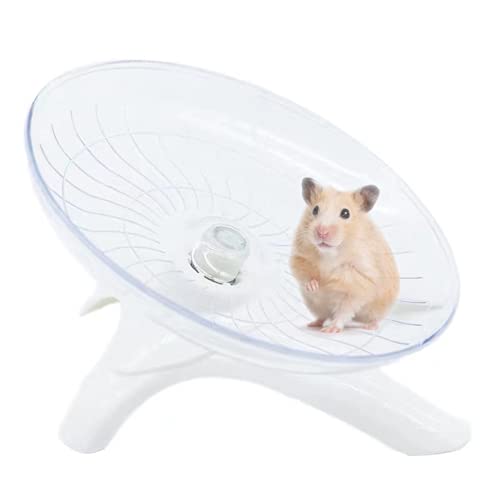
Item Specifications: Item Weight 110g/, 3.88ounce, 18*12*14 cm/7.08*4.72*1.57 inch
Hiding More Than Normal
You might notice your hamster zipping into its hideout way more than usual, and staying there longer, too.
If it’s skipping out on snack time or ignoring your gentle “hey buddy” calls, it’s probably more than simply being shy.
While everyone needs a little me-time, yes, even tiny furballs, too much hiding can mean something’s off.
Increased hiding, especially beyond normal nocturnal behavior, is often linked to stress or anxiety, and may be a sign of defensive behaviors stemming from fear or environmental discomfort.
Excessive Hiding Behavior
Why is your hamster suddenly playing secret agent, vanishing into the bedding like it’s training for a tiny espionage mission?
While hiding is normal, excessive hiding can signal your little buddy isn’t feeling their best, emotionally or physically.
You might notice changes in their play habits or a lack of interest in social cues they usually respond to, like your voice or gentle tapping near their cage.
Your hamster skips wheel time, once their favorite daily workout.
They ignore treats they’d normally steal with lightning speed.
You rarely see them during their usual active hours, even at dusk.
It’s more than shyness. It could be stress, illness, or boredom.
Keep an eye out, and don’t wait too long to adjust their environment or call the vet.
You’ve got this, and your hamster’s counting on you.
Reduced Social Interaction
When your hamster starts ghosting you more than a moody teenager, it’s time to pay attention.
If your once-curious buddy now skips playtime or hides when you open the cage, they might be feeling down.
Hamsters thrive on routine and interaction, so a sudden drop in social behavior is a red flag.
Maybe they’re stressed, scared, or just not feeling well.
Watch their playtime preferences.
Do they ignore their favorite tunnels or toss aside treats?
Even toy selection matters.
A disinterested hamster won’t bother exploring new chew toys or wheels.
Don’t take it personally.
Sometimes they just need space.
But if the isolation lasts more than a couple days, check their environment.
A quiet corner, fresh bedding, and gentle coaxing with a treat can help.
You’ve got this.
Your little furball just needs to know you’re there.
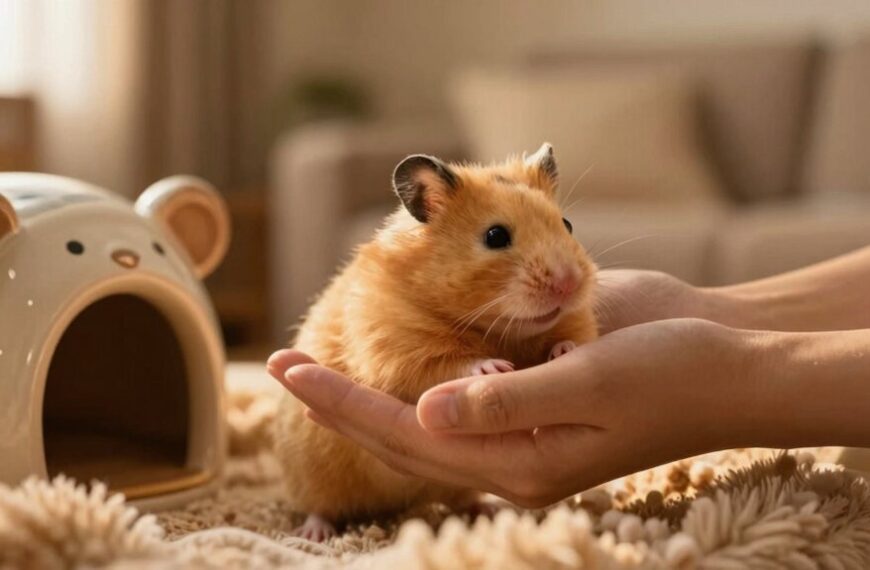
Building trust takes time, and a hamster’s personality plays a key role—some may need extra patience before showing signs of comfort like voluntary climbing onto hands.
Nighttime Restlessness or Daytime Sleep
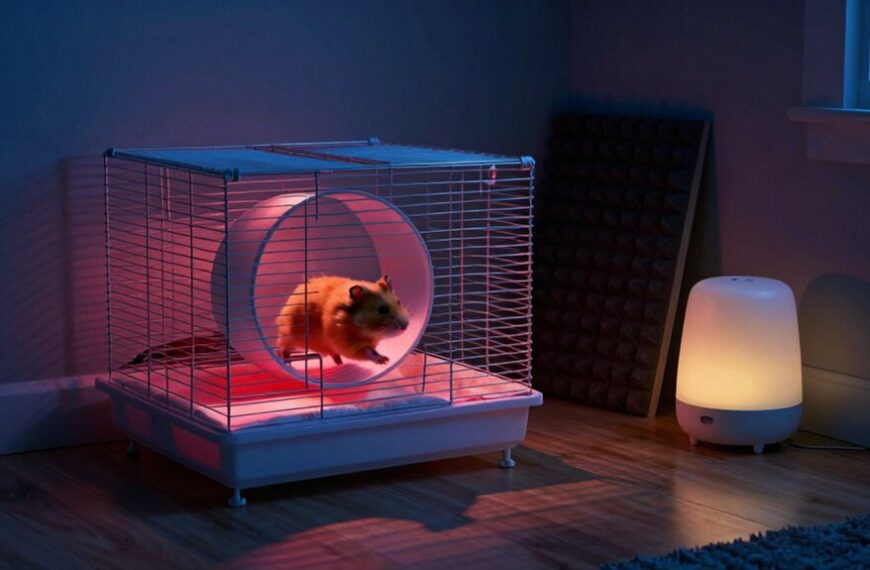
Ever wonder why your hamster’s running on its wheel like it’s training for the rodent Olympics at 2 a.m.? While hamsters are naturally nocturnal, nighttime restlessness or unusual daytime sleep could signal unhappiness.
This kind of behavior might point to nocturnal confusion or sleep disruption caused by stress, poor habitat setup, or too much noise. Your little buddy might be trying to tell you something’s off.
It paces nonstop at night, wide-eyed and tense.
It naps more during the day than usual, looking sluggish.
Normal nighttime grooming or eating habits start to fade.
Keep things calm and quiet during the day, and avoid sudden changes. A consistent routine helps reduce stress.
If your hamster seems off, check its environment. You might just need to tweak the cage setup or playtime schedule. You’ve got this!
Teeth Grinding and Stress Noises
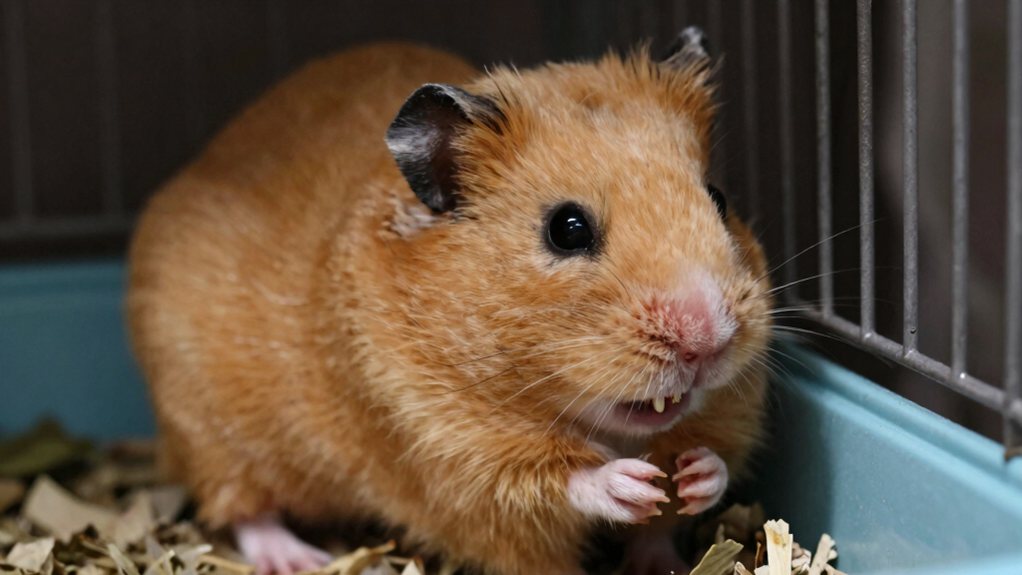
Could your hamster be sending you secret distress signals through sound? If you hear teeth chattering, it’s not your pet trying to talk. It’s a sign of stress or fear.
Unlike gentle grooming noises, stress vocalizations like squeaks or hisses mean your hamster feels threatened or uncomfortable. Maybe the cage is too loud, or a new toy startled them.
Pay attention: constant teeth grinding, especially when handled, often means they’re anxious.
Give them space, lower your voice, and check their environment. Are lights too bright? Is another pet nearby? Fixing small things can make a big difference.
Think of it like a tiny roommate grumbling at a noisy roommate. They just want peace! With a little patience and observation, you’ll decode their sounds and help them feel safe again.
9 Ways to Help Your Unhappy Hamster
What’s the secret to turning your grumpy little furball into a happy, zooming hamster again? It’s all about giving your tiny buddy the right mix of comfort, play, and brain-boosting fun.
Hamsters need enrichment activities just like we need hobbies. Without them, they get bored and stressed.
The good news is you can help. Simple changes make a big difference when it comes to their mental stimulation and overall mood.
- Rotate chew toys and tunnels weekly to keep their cage feeling fresh and exciting
- Offer puzzle feeders or hide treats around their habitat to spark curiosity and natural foraging instincts
- Spend a few minutes each day letting them explore a safe playpen. New sights and smells equal happy hamster vibes
You’ve got this. A little love and creativity go a long way!
Final Thoughts
You’ve got this! Spotting the signs of an unhappy hamster isn’t always easy, but now you know what to look for. Whether it’s cage chewing or sudden grumpiness, your little buddy is trying to tell you something.
Stay calm, tweak their setup, and add a few fun toys. A happy hamster means fewer midnight zoomies and more cute, sleepy snuggles. You’re already becoming the hamster hero they need!

INTERESTING TUNNEL TOYS: Are you still looking for fun toys for your pet? This small wooden adventure mice tunnel is one of choices for keeping your pets natural. The small wooden adventure tunnel is also a great exploring toy for small dwarf hamsters, gerbils, mice and other pets of similar size, it's not recommanded for Syrian Hamsters or similar sized pets

Hamster Hideout Hut & Climbing Ramp Tow-in-one - The design of the exercise ladder roof makes the house no more monotonous. This not only provides a hideaway for little pets can hide, rest, store, and eat in a quiet & secure place, but also makes pets improve their balance abilities and relieve emotions by practice & play, and help your hammy to access to other platforms easily
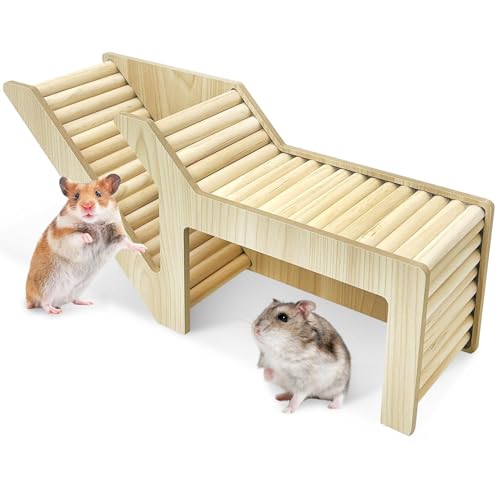
Natural & Safe Material: This hamster ladder is carefully crafted from natural wood without any harmful chemical treatments, providing a safe and comfortable living and playing space for small animals such as hamsters, gerbils, and mice, so you don't have to worry about your pet's health