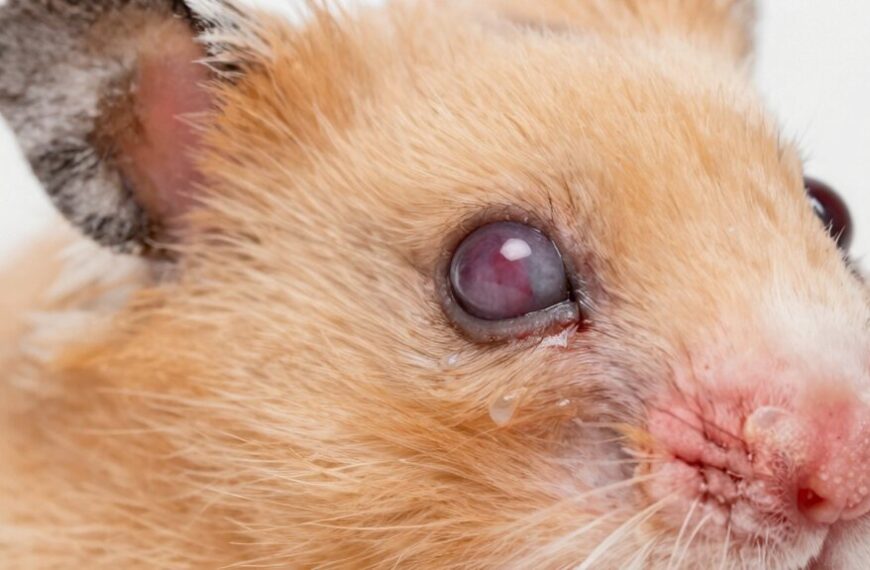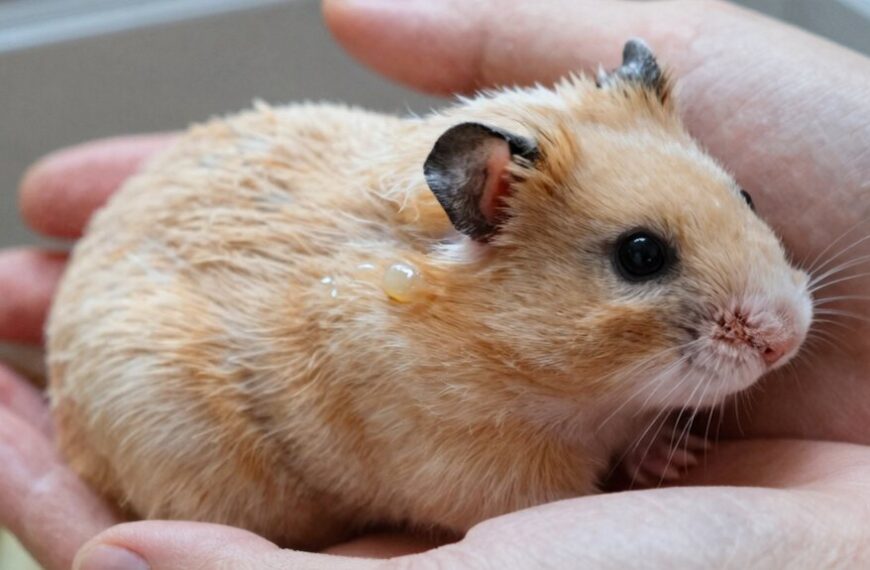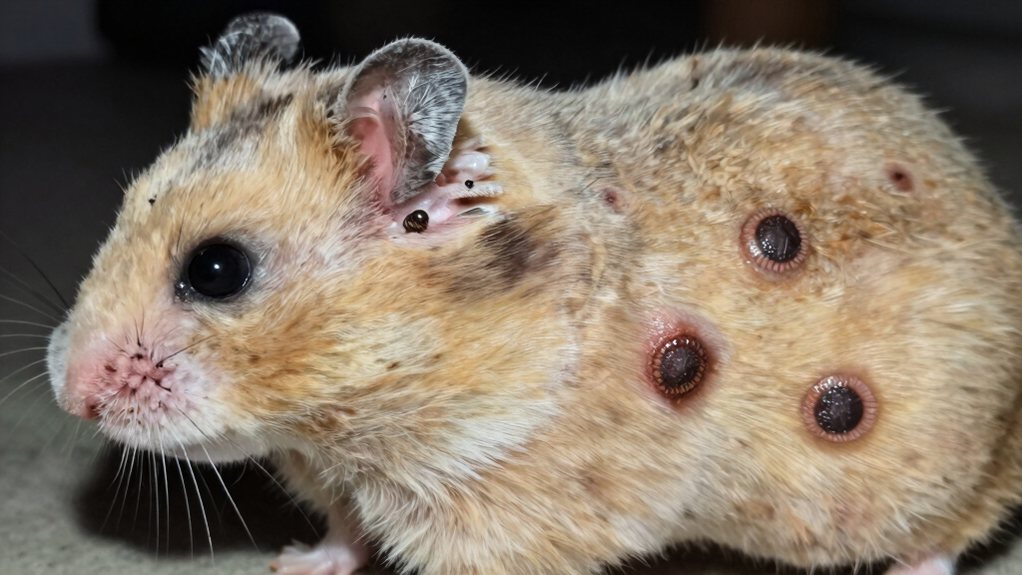
If your hamster’s scratching has you worried, you’re right to take their itchy skin seriously.
Mites look like tiny moving specks and cause dry, flaky skin, while ringworm creates distinct circular bald patches. Mange, also from mites, leads to severe crusting and hair loss.
A vet’s proper diagnosis is vital, as treatments differ. With the right care, you can clear things up and get your little friend comfortable again, and there’s helpful guidance ahead to show you how.
What Do Mites, Ringworm, and Mange Look Like on a Hamster?
If you’re noticing your hamster scratching more than usual, it’s natural to feel a bit worried, after all, they can’t tell you what’s wrong.
Mites are tiny parasites you might see as little moving eye specks in their fur, causing intense itching and patchy hair loss.
Ringworm, a fungal infection, shows up as circular, red, and crusty scaling patches where fur falls out; it’s not actually a worm! This condition is a zoonotic infection, meaning it can potentially spread from your hamster to you.
Mange, caused by mites burrowing, leads to severe crusting, thickening skin, and widespread hair loss.
Your hamster might seem restless and uncomfortable.
While these conditions sound scary, identifying them is the first step to getting your little friend help.
Always consult a vet for a proper diagnosis and treatment plan.
How to Tell the Difference Between These Skin Conditions
It can be tricky to tell these conditions apart, but focusing on a few key signs will help you figure it out.
For mites, look for intense scratching and a dry, flaky coat that looks a bit like dandruff.
Ringworm, on the other hand, often causes more distinct circular patches of hair loss, and the skin there might look red and scaly. Skin stress from these conditions can also alter a hamster’s regular bowel habits, so monitor for any sudden changes in their droppings as an additional health indicator.
Recognizing Mite Infestations
Because your hamster’s skin can be affected by several issues, recognizing a mite infestation means looking for a few specific, telltale signs.
You might notice your pet scratching more than usual, which is a big clue.
Look closely for these common symptoms:
- Intense, frequent scratching that seems constant and bothersome.
- Patchy hair loss, often starting on the back or rump.
- Dry, flaky, or crusty skin that looks irritated and sore.
- Visible tiny specks moving in the fur, especially under bright light.
Sometimes, allergy triggers or other seasonal causes can mimic itching, but mites are persistent.
If you see these signs, a vet visit is your best move to get your furry friend comfortable again. A vet can also rule out if the scratching stems from cage-related stress, as persistent skin issues can sometimes be exacerbated by underlying anxiety.
Identifying Fungal Ringworm Signs
So how can you spot the pesky signs of fungal ringworm in your hamster? Unlike mites, ringworm often creates distinct circular patches of hair loss with crusty, flaky skin at the edges.
You might see inflamed red skin underneath, and in more advanced cases, the skin can even start cracking. This isn’t a worm but a contagious fungus, so you’ll want to act fast.
Seasonal stress or a weakened immune system can make your little friend more susceptible.
If you notice these circular lesions, especially around the head or legs, it’s time for a vet visit.
Don’t panic, though; with proper antifungal treatment from your vet, your hamster can get back to its adorable, fluffy self in no time.
What Causes Skin Problems in Hamsters?
Hamster owners often discover their furry friend’s skin troubles during cozy cuddle sessions or while cleaning their cage, noticing anything from flaky patches to tiny red spots. Several common culprits can be to blame.
Consider these visual clues when you’re playing detective:
- Tiny, crawling mites making your hamster itch like crazy.
- Damp, dirty bedding creating a perfect home for bacteria and fungus.
- An unbalanced diet lacking key nutrients for dietary skin support.
- A noisy, chaotic environment leading to stress-related flareups.
Often, it’s a mix of these factors.
A poor diet weakens their defense, while a stressful move to a new home can let hidden mites take over. It’s frustrating, but pinpointing the cause is your first step to helping them heal. Be aware that some skin issues, like ringworm, can also be transmitted from hamsters to humans.
Why You Really Need to See a Vet
If you notice any skin issues, you really need to get your hamster to a vet for a proper diagnosis, as guessing can make things worse. Delaying treatment can allow a simple issue to escalate into a serious bacterial infection requiring intensive care. They’ll provide prescription treatments you can’t get over the counter, which are much more effective than home remedies. Getting professional help quickly is the best way to stop your little friend’s discomfort from spreading or getting more serious.
Accurate Diagnosis Is Crucial
While you might be tempted to diagnose your hamster’s itchy skin yourself, you’re not a tiny, furry dermatologist, and that’s okay! What looks like simple flaking could be a serious mite infestation.
Recognizing early warning signs is great, but self-diagnosis has major diagnostic limitations. A vet uses special tools to see what your eyes can’t. This is similar to how, after a hamster bite, you must monitor for serious symptoms like spreading redness or fever.
Envision this:
- A vet peers through a microscope at a skin scraping, spotting tiny, crawling mites.
- A special Wood’s lamp makes a patch of ringworm glow a spooky green.
- They gently part the fur, examining the skin under bright, magnified light.
- They discuss a precise treatment plan, so you stop guessing and start helping.
This accurate diagnosis is the only way to get your pal the right relief fast.
Prescription Treatments Are Necessary
Because it can be so tempting to reach for an over-the-counter remedy, let’s talk about why those usually fall short for your hamster’s skin troubles.
Human products or general pet shampoos can be too harsh, and they rarely target the specific parasite or fungus involved.
Your vet will prescribe the exact medication needed, which is far safer and more effective.
This precision is why prescription treatments are necessary.
You also get expert advice on proper application and supportive topical care options, like soothing baths, and on maintaining a sanitized habitat with safe, vet-approved products to prevent reinfection.
Ultimately, a vet visit solves the immediate problem and supports future health through preventive vet checks.
Think of it as a targeted mission for your pet’s comfort, saving you guesswork and ensuring a happy, scratch-free hamster.
Preventing Worsening and Spread
Even though you’re a super-dedicated pet owner, some hamster skin issues can get out of hand quickly without professional help. A vet provides a targeted plan to stop things from spiraling. Following their advice is key for preventing cross contamination.
Think of it like this:
- You’ll set up a temporary sick room, isolating your hamster from other pets.
- You’ll become a hand-washing champion after every handling session.
- You’ll clean the main habitat carefully, knowing where to focus your scrubbing, and use dedicated cleaning tools to prevent the spread of mites and other pathogens.
- You’ll learn quarantine procedures for new items or potential carriers.
This isn’t about creating a sterile bubble, but a smart containment zone. It protects your other furry friends and helps your patient heal faster, turning a worrisome situation into a manageable one.
How Vets Typically Treat Hamster Mites
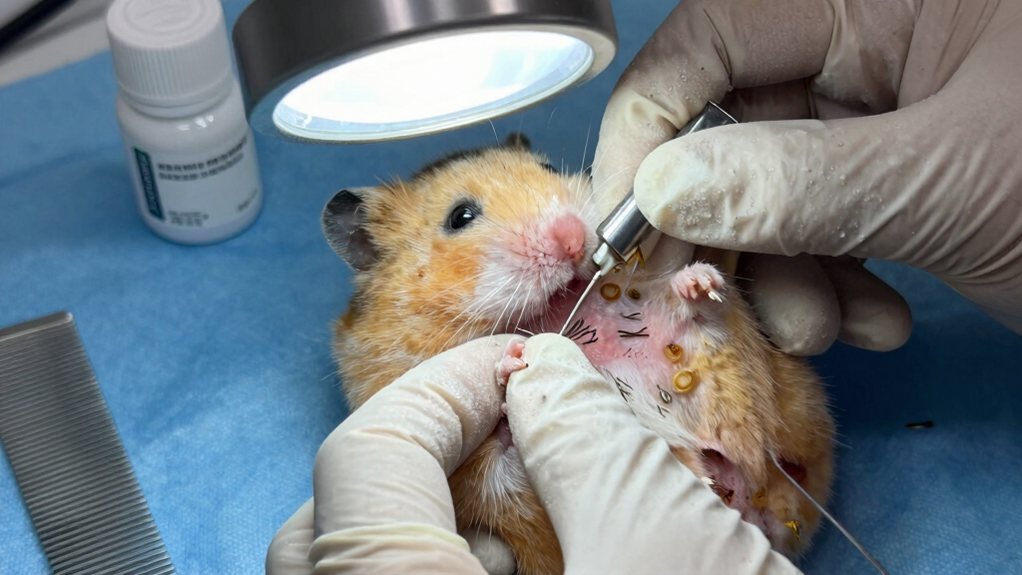
Once diagnosed, treatment usually involves a safe, prescribed anti-parasitic medication. Don’t worry, it’s not as scary as it sounds!
The most common method is a surface treatment, where a special liquid is applied to the back of your hamster’s neck. This spot treatment is great because it’s hard for your pet to lick off, and it works systemically to eliminate the mites from the inside out.
You’ll likely need a follow-up dose in a couple of weeks to catch any newly hatched bugs, ensuring your tiny friend gets complete relief. Maintaining a proper habitat temperature range between 65°F to 75°F can support your hamster’s recovery and skin health.
Effective Treatments for Ringworm in Hamsters
- A medicated shampoo bath to soothe the skin and fight the fungus.
- Carefully applying a prescribed antifungal cream to bald, scaly patches.
- Thoroughly cleaning the entire habitat to remove any lingering spores.
- Isolating your little friend in a simple, clean temporary enclosure.
With consistent care, your hamster’s soft fur will grow back, and you’ll both be happier for it.
How to Treat Mange and Support Healing
While dealing with ringworm can be a challenge, another skin condition called mange requires a different, equally important approach from you as a pet owner.
Mange is caused by mites, so your vet will prescribe a specific anti-parasitic treatment; you must follow the schedule precisely.
Your hamster’s environment is highly significant for healing.
Focus on humidity control, keeping their space dry to discourage mites, and prioritize stress reduction by providing hideouts and minimizing loud noises.
A clean cage with fresh bedding prevents reinfection.
Boost their diet with a little extra protein, like a bit of hard-boiled egg, to help their skin recover.
With your dedicated care, your little friend will be back to their fluffy, happy self in no time.
How to Clean Your Hamster’s Habitat to Prevent Reinfection
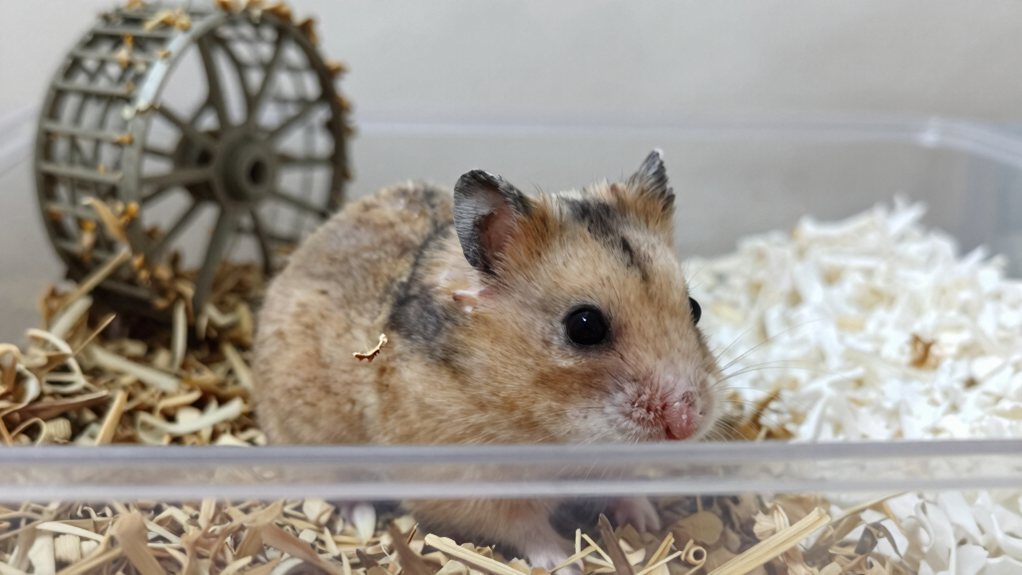
- Empty the entire cage, tossing all old bedding.
- Scrub the plastic base, wires, and hideouts with soap and hot water.
- Apply a small animal-safe disinfectant to all surfaces.
- Rinse everything thoroughly and let it dry completely before adding new bedding.
This routine helps guarantee your furry friend stays healthy and itch-free for good.
Home Care Tips for Your Hamster’s Recovery
Once your hamster is on the mend from a skin condition, you’ll want to create a cozy, stress-free recovery zone right in their cage.
Prioritize stress reduction by offering extra bedding for burrowing and keeping their habitat in a quiet, dim area. Your hamster’s energy is going toward healing, so let them rest.
Food safe hygiene is also essential; always wash your hands before and after handling their food, water, and toys to prevent spreading anything nasty.
Offer their favorite healthy treats for a little mood boost, but stick to their regular diet, too. Watch them closely for signs of itching or discomfort, and celebrate the small victories, like a peaceful nap or a happy squeak.
Final Thoughts
So, you’ve got the scoop on your hamster’s itchy skin. Remember, you can’t wing it with these conditions, so a vet visit is your first big step.
With their help and your dedicated care, your little friend will be back to their fluffy self in no time. Keep their home clean, follow the treatment plan, and soon you’ll both forget this whole itchy ordeal ever happened!