Your hamster’s acting moody, maybe even nipping or hiding more. Don’t take it personally, they’re going through puberty.
Between 6 to 12 weeks, hormonal surges cause mood swings, grumpiness, and sensitivity, just like human teens. Keep their space quiet, handle gently, offer treats, and stick to a routine.
They’ll calm down. This phase doesn’t last forever. Stick with them, and you’ll see your sweet little buddy come back. There’s a bit more to help them, and you, through it.
What Causes Behavior Changes in Adolescent Hamsters?
Ever wonder why your once-sweet hamster suddenly acts like a tiny, furry teenager with a bad attitude?
Well, it’s all thanks to hormonal fluctuations kicking in during adolescence. Just like humans, young hamsters go through a growth phase where their bodies change, and their behavior shifts.
You might notice more grumpiness, hiding, or even a little hissing. Totally normal.
These mood swings are often tied to social dynamics too. If you have more than one hamster, they might start squabbling over space or dominance.
Even alone, your pet could become more territorial. It’s not personal, promise.
Give your little buddy time, stay patient, and keep handling them gently.
With a calm environment and consistent care, most hamsters settle down as they mature.
Think of it as their awkward phase. Cute, chaotic, and temporary.
How Can You Tell Your Hamster Is a Teenager?
You’re not imagining things, your hamster really has started acting like a tiny, furry rebel lately. Around 4 to 8 weeks old, your little buddy enters the teenage phase, and suddenly, everything changes.
You might notice mood swings, more biting, or even dramatic naps in weird spots. Their hamster fashion hasn’t changed, but their attitude sure has: like they’re too cool for their old bedding.
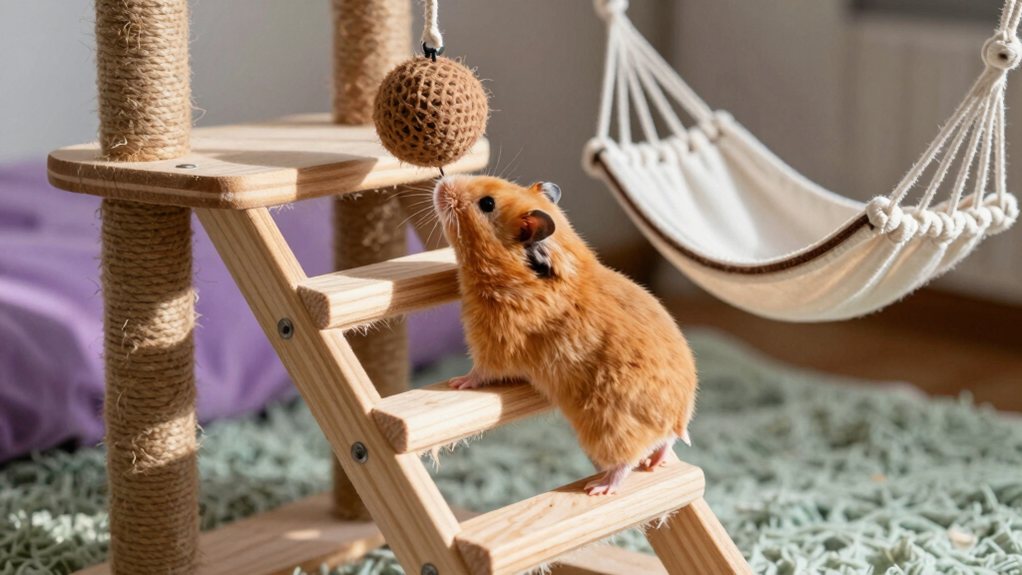
Watch for shifts in toy preferences; that once-loved wheel might now be ignored for a cardboard tube.
They may hoard food more aggressively or mark territory with scent glands. It’s all normal teen drama.
Stay patient, keep handling them gently, and offer variety in toys and tunnels.
This phase won’t last forever, and soon your mini rebel will settle into a calmer adult routine. Though they’ll probably still rock that messy hay hairstyle.
Biting during this stage is usually a sign of fear and stress rather than aggression, often triggered by sudden movements or unfamiliar scents.
When Do Hamsters Enter Adolescence: and How Long Does It Last?
You’ll know your hamster’s hitting the teenage stage when they start acting a little moody, kind of like a tiny, furry version of a human teen.
Most hamsters enter adolescence around 4 to 6 weeks old, and this wild phase usually lasts about 4 to 6 weeks too.
Onset Of Adolescence
While your hamster might still look like a tiny puffball, adolescence hits faster than you’d expect, often as early as 4 to 6 weeks old, depending on the breed.
Yep, hamster puberty kicks in quick! Those teenage hormones start swirling, and suddenly your sweet little buddy might act moody or extra feisty.
You might notice more chewing, digging, or even some grumpy squeaks when you try to pet them. It’s not personal—they’re just growing up fast.
This phase usually lasts 2 to 4 weeks, though some breeds take a bit longer. Stay patient and keep handling them gently to build trust.
Think of it like a tiny furball going through their “awkward phase.” With a little love and consistency, they’ll settle into their adult self before you know it. You’ve got this!
Duration Of Teen Phase
So, when exactly does your hamster’s teen drama begin, and how long will you be dealing with their moody side? Most hamsters enter adolescence around 4 to 6 weeks old. This wild phase typically lasts until they’re about 12 weeks old.
That’s roughly two months of hormonal fluctuations, sudden mood swings, and unexpected bursts of energy.
You’ll likely notice growth spurts, too. Your once-tiny furball suddenly looking like they’ve outgrown their favorite hiding spot.
During this time, your hamster might act bolder, more curious, or even a little grumpy. It’s all part of growing up.
Think of it as their version of slamming doors and eye-rolling, except with more wheel-running.
Stay patient, keep their environment calm, and offer extra love and treats. Before you know it, your dramatic teen will settle into a more predictable adult routine.
Why Is My Adolescent Hamster Suddenly Biting?
What’s got your once-cuddly hamster chomping like a tiny, furry piranha? During adolescence, your little buddy’s hormones go into overdrive, making them moody and defensive, kind of like a grumpy teen with a tiny backpack.
If you have more than one hamster, things might get spicy. Sudden biting can stem from hamster hierarchy struggles or sibling rivalry, especially if they’re competing for space or attention.
They’re not being mean on purpose. They’re just figuring out their place in the world, or your bedroom. Stay calm, avoid sudden movements, and give them time to adjust.
Offer treats through the cage to rebuild trust. Never punish. Gentle patience works best.
Think of it as their awkward phase. With a little love and space, your piranha will likely mellow out. Promise.
Bites during this phase are usually fear-based rather than aggressive, so it’s important to respond calmly and understand biting behavior to prevent future incidents.
How to Rebuild Trust With a Moody Teen Hamster
You’ve got a moody teen hamster on your hands, but don’t worry. Staying calm and predictable can really help turn things around.
Stick to a consistent routine, talk softly, and offer treats when they’re brave enough to come close, so they start linking you with good stuff again.
It’s like being the chill friend they need during their dramatic phase. Patience and a little humor go a long way.
Trust develops over time with patience, calm presence, and warmth, so remember that consistent, calm presence reinforces your hamster’s sense of safety.
Calm Handling Techniques
Ever wonder why your once-cuddly hamster now acts like a tiny, furry teenager throwing a month-long mood ring tantrum?
Don’t worry—you can still bond, even during this wild phase.
The key is calm handling.
Use a gentle touch and quiet voice to show you’re not a threat.
Let your hamster come to you instead of grabbing.
Offer a treat from your palm while speaking softly, like you’re negotiating with a grumpy roommate.
Sit nearby daily so they get used to your presence, no pressure.
Try short handling sessions when they’re most active (usually dusk!).
Wash your hands first.
Your hamster might mistake your scent for food (ouch!).
Patience wins here.
Stay calm, stay kind, and your moody little buddy will remember you’re on their side.
Remember, even if your hamster nips occasionally, it’s not out of malice—most bites stem from instinct, not aggression, and are often a sign of curiosity or fear.
Consistent Daily Routine
While your hamster might act like a drama-prone roommate who changed the Wi-Fi password, sticking to a consistent daily routine can actually win back their trust, no hostage negotiation required.
Start with a steady feeding schedule. Offer food at the same time each evening since hamsters are nocturnal and get grumpy when hangry.
Pair that with bedtime consistency. Yes, even tiny rodents appreciate a predictable wind-down.
Dim the lights around the same time nightly and avoid sudden disruptions.
When your hamster knows what to expect, they’ll feel safer and act less like a tiny, furry tornado.
You’ll notice fewer bitey moments and more curious sniffs.
Keep your interactions calm and predictable, just like your favorite sitcom reruns.
Over time, this routine builds trust. Think of it as hamster therapy, no couch needed.
Stick with it, and you’ll both sleep better.
A daily feeding routine supports your hamster’s fast metabolism and helps maintain digestive health and stable energy levels.
Positive Reinforcement Methods
When your once-sweet hamster starts acting like a furry little teenager who just got grounded, don’t panic. Positive reinforcement can work wonders.
You can rebuild trust and even enjoy playtime bonding again by focusing on what makes your hamster happy. Forget punishment; it just backfires with moody teens. Instead, use treat training to create positive associations and encourage good behavior.
- Offer tiny treats when your hamster stays calm during handling
- Gently praise them in a soft voice after successful playtime bonding
- Use a favorite toy as a reward for coming out of hiding
- Keep sessions short and sweet to avoid stress
With patience and consistency, your grumpy little buddy will start to remember you’re on their side. Treat training isn’t just about snacks—it’s about connection.
A great way to enhance this bonding is by using a treat dispenser that promotes mental stimulation and mimics natural foraging behavior.
How to Handle a Moody Hamster Without Getting Bitten
What’s going on when your usually sweet hamster suddenly acts like a tiny, furry grump? Hormones, that’s what. Your hamster’s hitting adolescence, and mood swings come with the package. But don’t panic. You can still keep peace in hamster fashion.
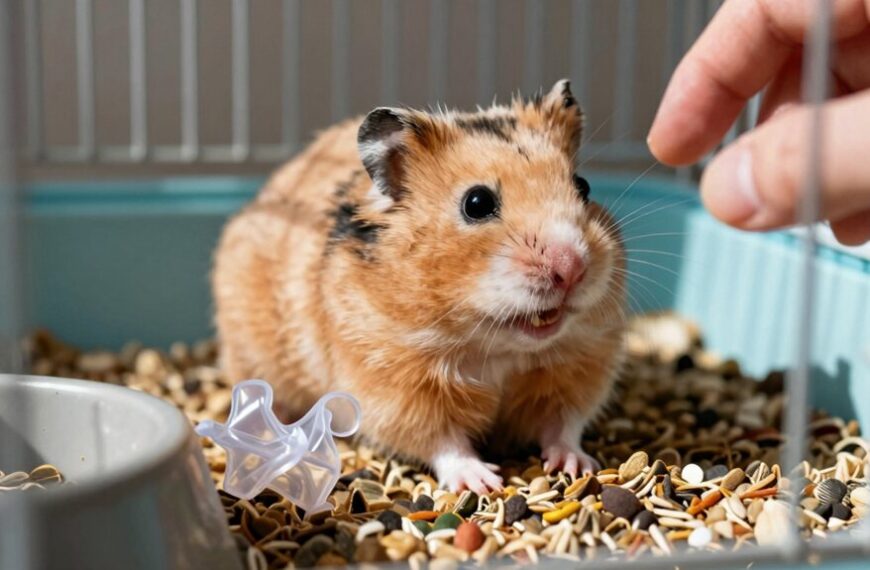
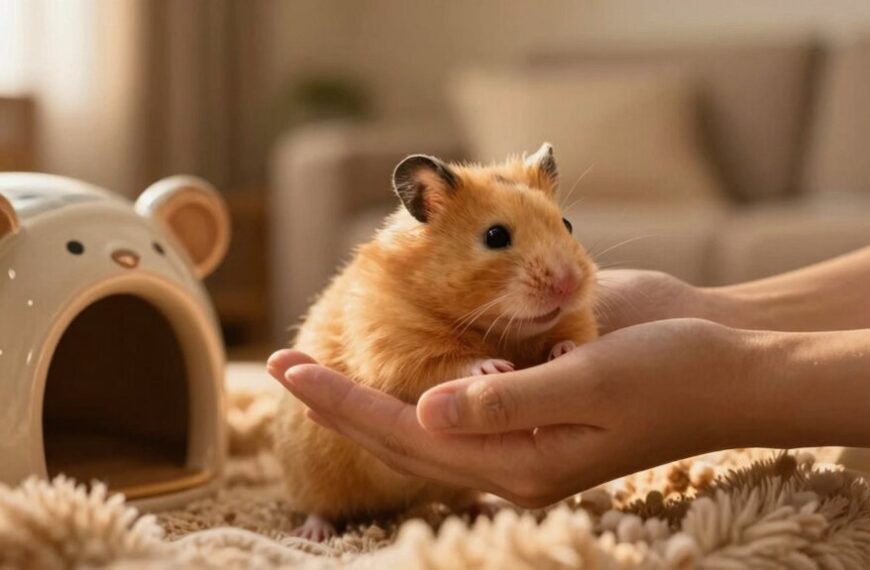
First, avoid sudden movements. Let your hand enter the cage slowly so they don’t feel ambushed. Offer treats from your palm to build trust.
If they nip, stay calm. Yanking your hand might scare them more.
Try toy rotation to reduce stress. Swapping toys weekly keeps their world fresh and distracting. A bored hamster is often a grumpy hamster.
Talk softly and respect their space when they’re hiding. They’re not mad at you. They’re just figuring things out.
With patience, gentle handling, and a little toy-time fun, you’ll both get through this moody phase bite-free.
Adequate mental stimulation is essential during this developmental stage to prevent behavioral issues and support emotional well-being.
How to Calm a Hormonal Hamster: Noise, Light & Setup
Ever wonder why your once-chill hamster now acts like a tiny roommate who’s always ready to argue? Hormonal changes during adolescence can make your little buddy extra sensitive to their surroundings.
Your chill hamster’s mood swings? Blame teen hormones. Just like us, their little brains go haywire, turning a peaceful pet into a grumpy roommate overnight.
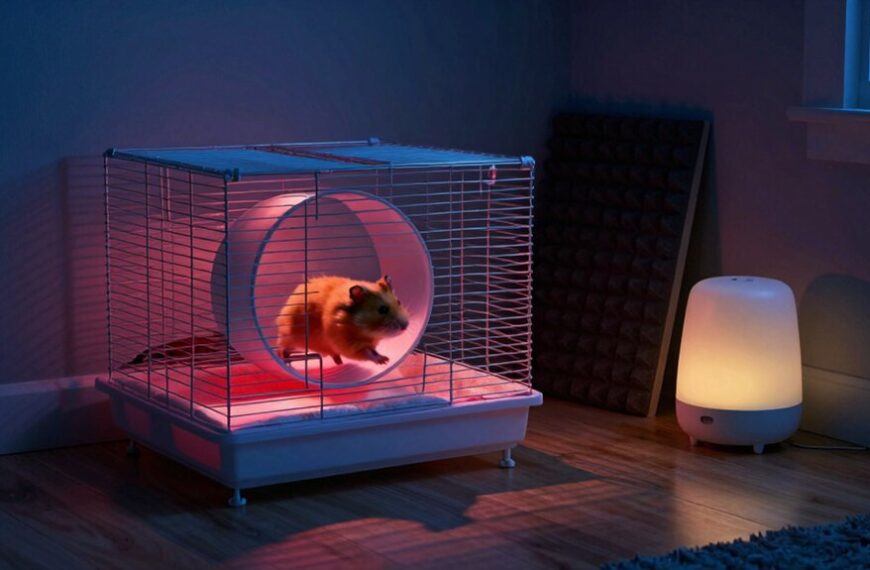
A noisy environment or bright lighting might push them over the edge.
The good news? You can help calm them with a few simple tweaks to their space.
- Keep their cage in a quiet corner, away from TVs and barking dogs
- Use a light cover or dim room lighting to soften bright lighting
- Add cozy hideouts so they feel safe when stressed
- Play soft music or white noise to buffer a noisy environment
Small changes make a big difference. Think of it like giving your hamster a mini spa retreat, minus the cucumber slices.
With a calmer setup, your furry teen can chill out and stop treating you like the enemy.
Hamsters are naturally nocturnal animals and thrive in dim, quiet environments, especially at night when they’re most active.
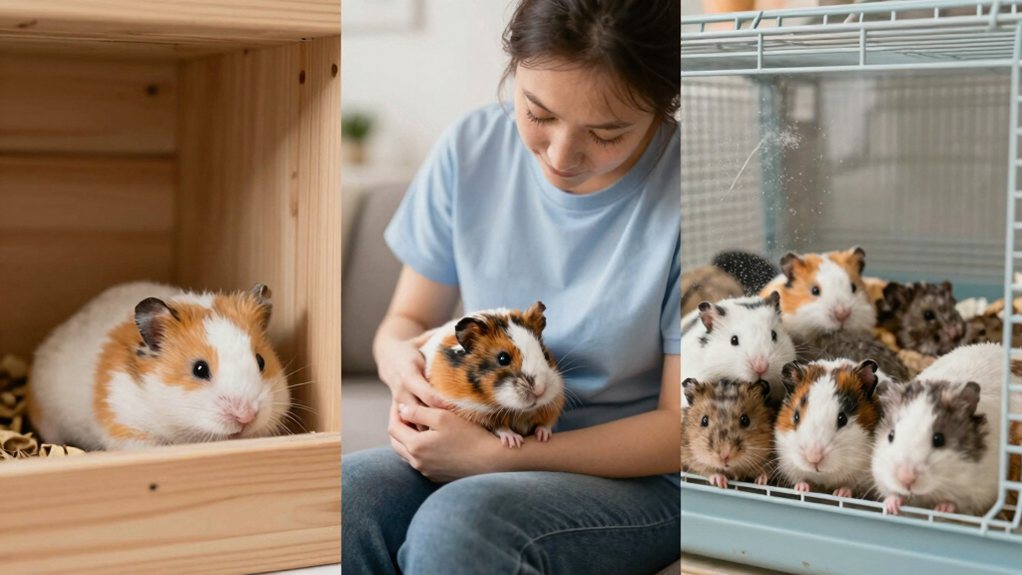
Should You Separate Hamster Siblings at Puberty?
So, your hamster siblings used to snuggle up like tiny fur pancakes, but now they’re side-eyeing each other like they’re sharing a bunk bed with an ex.
Yeah, puberty hits hamsters too—and fast.
Around 6 to 8 weeks old, hormonal surges can turn sweet siblings into feuding roommates.
Cohabitation risks rise quickly: biting, chasing, even serious fights.
What looks like play might be sibling rivalry turning dangerous.
Most experts say it’s safer to separate them by 8 weeks, especially if they’re same-sex pairs.
Even best friends can flip once hormones kick in.
You’re not being overprotective—you’re being smart.
Give each hamster their own cozy setup with toys, bedding, and space.
It’s not a breakup; it’s peacekeeping.
Watch their behavior closely, and act fast if tension builds.
Your little furballs will thank you with calmer, happier lives—no drama, just naps and snack time.
What Should You Feed a Stressed Teen Hamster?
Why does your once-chill hamster now act like a grumpy teen who just failed a math test? Stress during adolescence can mess with their appetite and mood, but the right food helps.
Stick to a consistent feeding schedule to bring calm and predictability.
A stressed teen hamster still needs nutritional balance. Think of it like their version of a good breakfast before school.
- Offer fresh veggies like cucumber or carrot, think hamster snacks, not junk food
- Keep high-quality lab blocks as the main course, no skipping meals
- Add a sprinkle of sunflower seeds, but not too many, tempting, but fatty
- Fresh water daily, dehydration makes grumpiness worse
You’ve got this. A little patience, the right bites, and your tiny furball will chill out again.
Just don’t expect an apology for the chewed-up wheel.
When Is Teen Hamster Behavior a Red Flag?
You know your teen hamster’s just being dramatic, until they start biting the cage bars or ignoring their favorite snacks.
If your once-chill buddy suddenly acts aggressive during playtime or stops eating like they’re on a hamster hunger strike, it’s time to pay attention.
These aren’t just mood swings. They could be red flags waving louder than a tiny furry alarm bell.
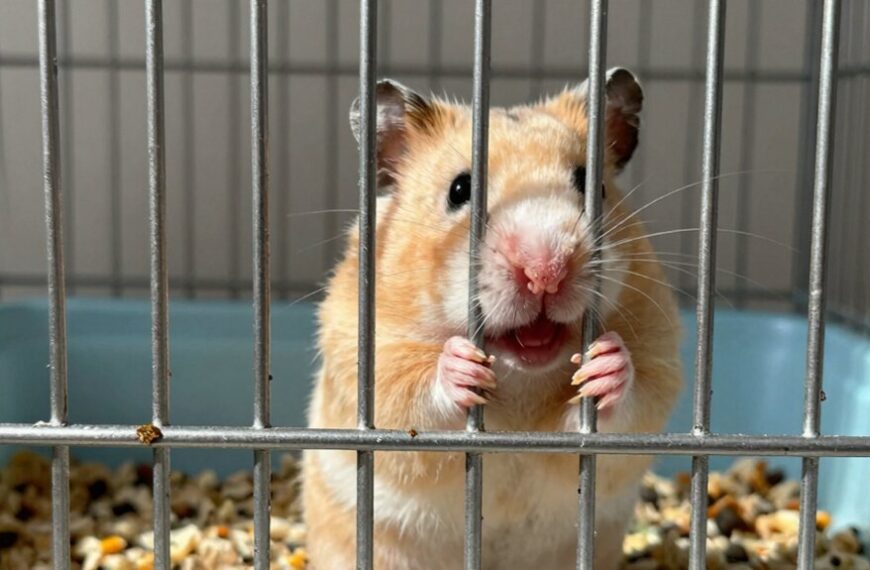
Cage bar chewing, for instance, may seem like a phase, but it can signal underlying issues such as dental discomfort or dental health problems due to unmet chewing needs.
Aggression Beyond Normal Play
While roughhousing and the occasional nip might just be your teen hamster blowing off steam, there’s a fine line between playful sparring and genuine aggression that’s worth paying attention to.
If your hamster’s mood swings are affecting their food preferences or sleep patterns, it might be more than just hormones. Real aggression isn’t cute, it’s intense, repeated, and can be scary for both of you.
- They lunge or bite hard, not merely nibble during play
- They hiss or squeal when handled, not merely wiggle free
- They guard their food like a tiny dragon hoarding treasure
- They avoid you completely, even at snack time
Sudden changes in behavior can signal stress or discomfort. Stay calm, give them space, and reintroduce trust slowly with treats and gentle talk. You’ve got this, teenagers are tough, whether they’re furry or not.
Hamsters displaying persistent aggression may be experiencing cage rage, a stress-induced condition caused by confinement in small or unstimulating environments.
Sudden Changes In Appetite
One minute your teenage hamster’s stuffing their cheeks like they’re prepping for a snack apocalypse, and the next, they’re turning up their tiny nose at their favorite sunflower seeds.
Yes, that’s the hamster version of a moody dinner strike.
Sudden shifts in eating habits can be normal during adolescence, especially as their food preferences evolve.
Maybe they’re bored with the usual mix or going through a picky phase.
But if your hamster stops eating altogether, loses weight, or seems sluggish, it’s time to worry.
That’s more than teen drama, it could be illness or stress.
Keep an eye on their behavior, check for droppings, and offer variety to tempt their taste buds.
Still, when appetite changes are extreme or last more than a day or two, call your vet.
Better safe than sorry when your little guy’s health is on the line.
Final Thoughts
You’ve got this! Teen hamsters act moody, sure, but it’s just a phase, like human puberty (minus the dramatic music). Stay patient, keep their space calm, and don’t take the grumpiness personally.
With gentle handling, good food, and a little time, your fuzzy teen will settle down. Think of it as hamster drama you can actually fix. Stay kind, stay consistent, and soon enough, they’ll be back to snuggling in your palm.