Yes, breeding can affect your hamster’s lifespan, especially if done too often. One or two litters are usually safe, but back-to-back pregnancies drain their energy and cause stress, kind of like running marathons without rest.
Breeding too early or too late increases health risks, and overbreeding may lead to exhaustion or weaker immunity. With proper spacing, care, and timing, you can help your hamster stay healthy. There’s a smart way to do it, and you’ll want to know how.
Does Breeding Shorten a Hamster’s Lifespan?

So, does having babies actually shorten your hamster’s life? Not necessarily, but it depends. Breeding itself isn’t the problem, it’s how often it happens. High mating frequency can stress your little friend, especially if she’s not given time to rest. That stress might lead to health issues, which could affect her lifespan.
Breeding isn’t the issue—frequency is. Too many litters without rest can stress your hamster and impact her health. Space them out for a happier, healthier life.
On the flip side, responsible breeding with proper spacing helps maintain genetic diversity, which is great for future generations. Think of it like this: even superheroes need downtime. You wouldn’t want your hamster running a nonstop baby marathon, right?
Keep things balanced, monitor her health closely, and avoid back-to-back litters.
With care, breeding doesn’t have to cut her life short. In fact, it can be a healthy, natural experience. So relax, your hamster’s not doomed to diaper duty forever. Just be smart, be kind, and let her live her best, fluffiest life.

Natural Materials And Easy To Use: Hamster bedding is made of selected natural coco materials, the soft and delicate material will give the hamster to dig and play without hurting its paws, you just need to sprinkle Hamster Bedding on the hamster habitat , let the hamster enjoy the fun of digging and exploring.

Long-Lasting Odor Absorption: Hamster bath sand features sodium-based minerals with a porous multi-network structure that helps absorb ammonia molecules upon contact with moisture. Designed to help reduce cage odors at the source, supporting fresh air between full replacements
How Pregnancy Affects Female Hamster Health
Now that we’ve cleared up the myth about breeding shortening your hamster’s life, let’s talk about what actually happens when your little lady becomes a mom. Pregnancy can be tough on her, especially depending on her genetic predisposition and how well you’ve provided environmental enrichment. Here’s what to expect:
Increased appetite: she’ll eat like she’s training for a hamster marathon.
Nest-building frenzy: suddenly, every shred of bedding is part of her master plan.
Mood swings: one minute she’s cuddly, the next she’s side-eyeing you like you stole her seeds.
Weight gain: she’ll pack on pounds fast, which is normal but needs monitoring.
Keep her stress low and her space cozy. With good care, she’ll likely bounce back fine. No drama, just a bunch of adorable tiny roommates.
Ideal Breeding Age: When Is It Safest?
You’ll want to wait until your hamster’s a young adult, think 3 to 4 months old, because breeding too early can cause serious health issues.
At that age, they’re mature enough to handle parenthood, but not so old that risks climb.
Think of it like letting them finish school before taking on a big job.
Nobody wants a toddler running the show!
Optimal Age Range
When should you actually start thinking about breeding your hamsters, after they’ve thrown their tiny baby showers and picked out nursery colors?
Well, let’s get real for a sec. The ideal age range for breeding is super important for both health and genetic diversity.
You want happy, healthy pups, right?
Here’s the sweet spot:
- Female hamsters: 3 to 6 months old. Any later, and risks go up.
- Males: Start at 3 months, but they can go a bit longer, up to 7 months.
- Always guarantee a calm, clean breeding environment. Stress is a party pooper.
- Never breed seniors. After 8 months, it’s risky for females.
Breeding too early or late can backfire on their health and lifespan.
Young Adult Readiness
So, how do you know your hamster’s truly ready to become a parent? Well, most young adults hit their prime between 3 to 6 months. This is when mating behavior kicks in and they’re physically strong enough.
You’ll notice more curiosity, energy, and maybe even some cheeky chasing. But don’t rush it. Waiting guarantees better health and genetic diversity, which helps future pups thrive.
Breeding too early stresses their tiny bodies and can shorten lifespan.
Think of it like letting a teen finish growing before taking on adult jobs. You want your hamster ready, not merely old enough.
Watch for signs they’re socially mature: calm around others, full fur, and consistent eating.
When those boxes are checked, you’re likely in the safe zone. It’s a big decision, but hey, you’ve got this! Your little furball will thank you!
Risks Of Early Breeding
ii |slgllama
Skipping straight to baby talk after your hamster hits 3 months? Hold up, early breeding’s a no-go. Your tiny furball might look grown, but their body’s still catching up.
Breeding too soon can lead to serious health hiccups and even shorten their life.
Here’s what you’re risking:
- Health complications – Young moms often struggle during birth, increasing danger for both mother and babies.
- Genetic predisposition issues – Immature genes can pass down weaknesses, affecting future litters.
- Stress overload – A too-young hamster isn’t emotionally ready, leading to anxiety or aggression.
- Poor environmental enrichment – • *slsl , Stressed moms neglect nesting and care, hurting baby survival.
Wait until 4–6 months—when they’re physically and mentally ready.
Your hamster will thank you with happy, healthy pups and a longer, fuller life. Patience pays off!
Dangers of Breeding Hamsters Too Soon or Too Often

AN9e, you probably wouldn’t push a teen to run a marathon every week, so why rush your hamster into breeding too young or too often?
Starting too early can weaken her health, and going too frequently leaves her stressed, tired, and less able to care for her pups.
Over time, this takes a real toll. Think of it like overworking a tiny, furry superhero who just wants a cozy nap.
Early Breeding Risks
Ever wonder what happens when you rush into hamster parenthood too soon? Breeding your little furball too early isn’t merely risky. It can seriously backfire.
Here’s what you’re up against:
- Health crashes: Young moms aren’t ready, leading to birth complications or even death.
- Genetic predisposition issues: Early breeding can amplify hidden health problems in future litters.
- Stress city: Immature hamsters get overwhelmed, harming their mental health and lifespan.
- Lack of environmental enrichment: Stressed moms can’t care for pups properly, leading to neglect.
You’re not merely making a baby decision. You’re shaping generations.
Think of it like sending a kid to college before they’ve learned to tie their shoes.
Give your hamster time to grow, play, and thrive first.
A little patience means healthier, happier hamster families. And who doesn’t want that?
Frequent Breeding Stress
You wouldn’t expect a new parent to run a marathon the day after giving birth, so why ask that of your hamster? Breeding too often pushes your little friend past their limit. Their body needs time to recover, just like yours would.
Constant breeding leads to exhaustion, weakened immunity, and a shorter life. It’s about more than frequency. They need genetic diversity to stay healthy and strong. Without it, you risk passing on weak traits.
Plus, a stressed hamster won’t thrive, even with excellent care. Give them environmental enrichment: toys, space, and downtime. Think of it as their self-care routine.
You’re not merely a breeder. You’re a caretaker. So slow down, let them enjoy being a hamster. After all, they’re not baby-making machines. They’re tiny, furry family. And yeah, they’d probably rather nap than work overtime.
Health Decline Over Time
While your hamster might seem like a tiny bundle of endless energy, their body isn’t built to handle breeding every few weeks, far from it. Over time, frequent breeding takes a real toll on their health, especially when combined with poor genetic predisposition or lack of environmental enrichment. Here’s what can happen:
- Weakened immune system, making your hamster prone to illness
- Increased risk of complications during pregnancy or birth
- Accelerated aging due to constant physical stress
- Behavioral changes like lethargy or aggression
Even the toughest little fluffballs need rest and care. Think of it like running a marathon back-to-back—exhausting, right?
How Many Litters Are Safe for Hamsters?
A few litters might seem manageable, but when it comes to hamster breeding, less is definitely more. You want your hamster healthy and happy, not worn out from constant litters.
Most experts agree that one or two litters per female is plenty. Any more can seriously impact her health and lifespan.
Proper litter spacing, around 3–4 months apart, gives her body time to recover. Think of it like giving her a much-needed vacation between marathons.
And don’t forget genetic diversity. Breeding too often with the same line increases the risk of health issues in babies.
You’re not only making cute fluffballs, you’re responsible for their well-being. Overbreeding is a fast track to stress, exhaustion, and vet visits.
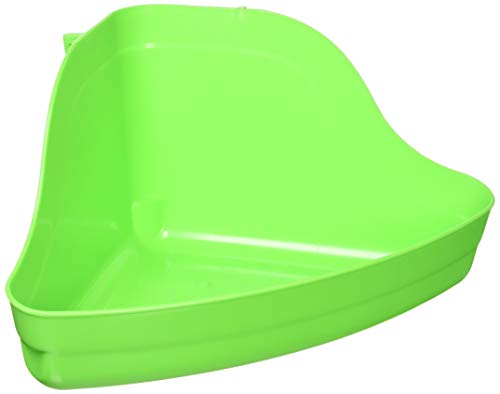
Potty training made easy

【Safety First for Our Fur-babies】Crafted with premium plastic, our Rabbit potty tray is odorless and safe for your pet's daily activities, giving you peace of mind.
Signs of Stress in Breeding Female Hamsters
Keeping your female hamster happy during breeding isn’t just about counting litters. It’s about paying attention to how she’s really feeling.
Stress can sneak up fast, and you’ll want to catch it early. Here’s what to watch for:
- Changes in nesting behavior: If she’s shredding way more than usual or ignoring her nest altogether, something’s up.
- Increased aggression levels: A normally sweet hamster suddenly nipping? She might be overwhelmed.
- Loss of appetite: Skipping meals isn’t normal, even if she’s pregnant.
- Excessive grooming or fur loss: Stress can make her over-groom until she’s patchy.
You know your hamster best. Trust your gut.
A stressed mama isn’t just unhappy. It can affect her health and babies.
Keep things calm, quiet, and cozy. Think spa day, not boot camp. You’ve got this!
How to Keep a Breeding Hamster Healthy
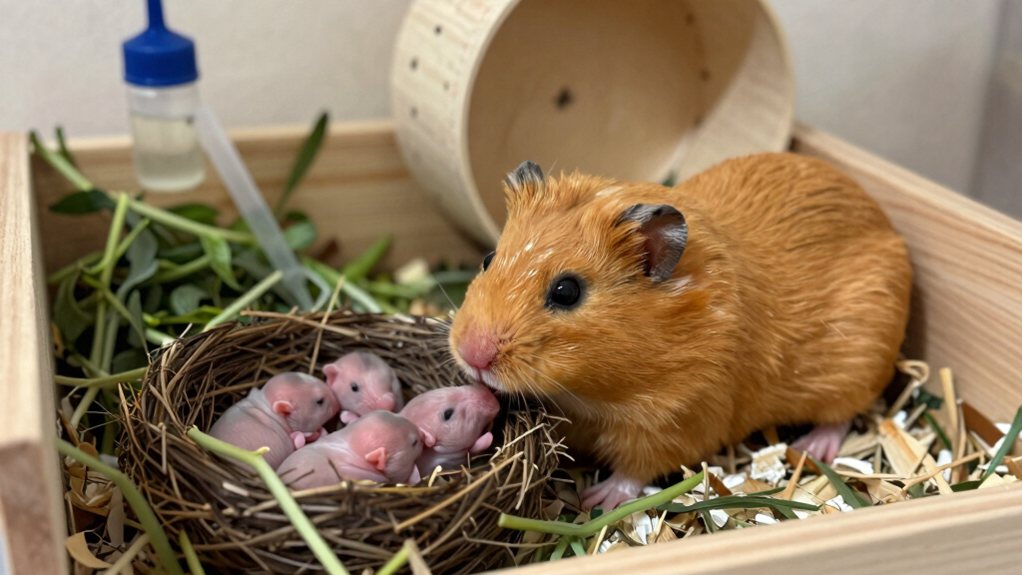
You’re doing something special by helping a hamster through pregnancy, and your care makes all the difference.
Keep her healthy with fresh veggies, high-protein food, and clean water every day, think of it as her prenatal silky drink bar.
Fuel her journey with fresh veggies, high-protein bites, and clean water daily—it’s her prenatal spa treatment in snack form.
Watch her nesting behavior closely, a cozy, quiet space helps her feel safe and reduces stress.
Use soft bedding, but skip the cotton fluff, it can tangle and cause trouble.
Gentle handling is key, but don’t overdo it.
Promote genetic diversity by choosing unrelated mates, which leads to stronger, healthier babies.
A calm mom means healthier pups, so keep noise low and surprises fewer, no surprise dance parties near the cage!
Check in regularly with your vet, especially if she seems off.
You’ve got this!
A little love, attention, and smart choices go a long way in keeping your breeding hamster happy, healthy, and ready for tiny paws.
Can Responsible Breeding Avoid Lifespan Loss?
Pregnancy might make your hamster mom feel like a tiny queen with her nesting throne and veggie buffet, but let’s get real—breeding takes a toll, no matter how carefully you plan. Even with excellent care, you can’t fully dodge lifespan loss. Still, responsible breeding helps. Here’s how:
Prioritize genetic diversity. Avoid inbreeding to reduce health risks.
Only pair healthy, mature hamsters to support strong litters.
Follow solid breeding ethics. Never overbreed or rush moms between litters.
Provide vet care and stress-free environments before, during, and after birth.
You’re doing more than making cute babies. You’re shaping lives.
While you can’t stop time, doing right by your hamsters means they live fuller, healthier lives. And honestly? That’s the real win.
Final Thoughts
So, yeah, breeding can affect your hamster’s lifespan, especially if done too early or too often. But if you play it smart, waiting until they’re mature, limiting litters, and watching for stress, you’ve got a much better shot at keeping your little buddy happy and healthy.
Think of it like throwing a party: timing, balance, and care make all the difference. Responsible breeding? Totally possible. And your hamster will thank you, probably with a cheeky nibble and a nap.

【Natural Bath Sand】Made from fine natural white sand, free of fragrances,dyes. Safely cleans while helps gently clean. Meets pet owners' needs for pure cleaning supplies,ideal for hamster sand bath.

【Superior Moisture Absorption】Natural zeolite hamster sand quickly soaks up urine and excess moisture, forming clumps upon contact with liquid. This helps maintain a dry and clean environment while preventing hamsters from ingesting the sand, keeping your hamsters, chinchillas, and other small pets safe, happy, and comfortable.