If your hamster’s sneezing, wheezing, or has a runny nose, it might be more than just a cold. Dirty bedding and poor cage hygiene can make things worse fast.
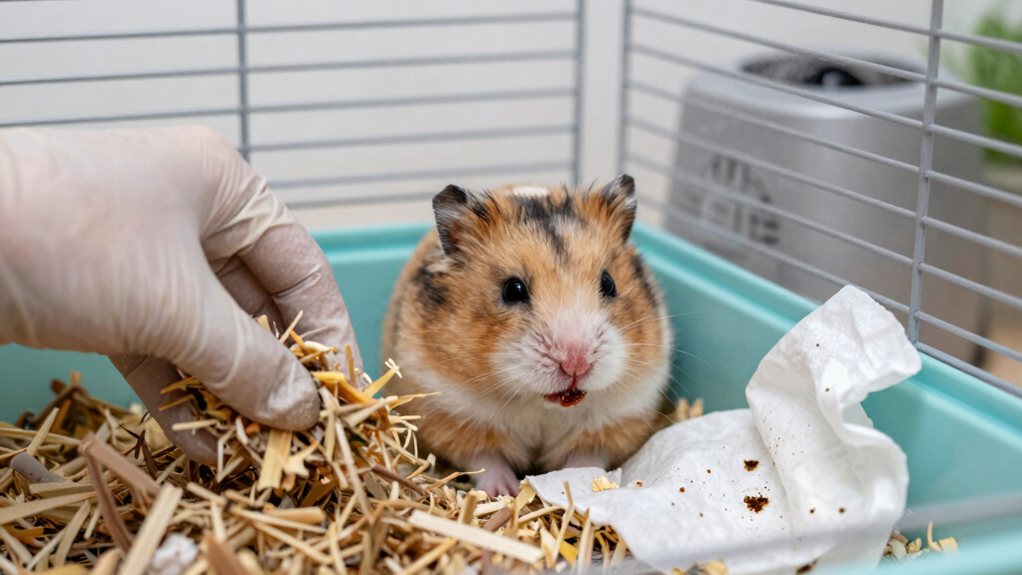
Clean the cage weekly with warm, soapy water. Spot-clean daily, and skip cedar or pine shavings—they’re a no-go. Use paper-based or aspen bedding instead, and keep it dry and fresh.
Labored breathing or goopy discharge? That’s vet territory. Stick around—you’ll learn how to keep your little buddy breathing easy and happy.
Common Signs of Respiratory Infections in Hamsters
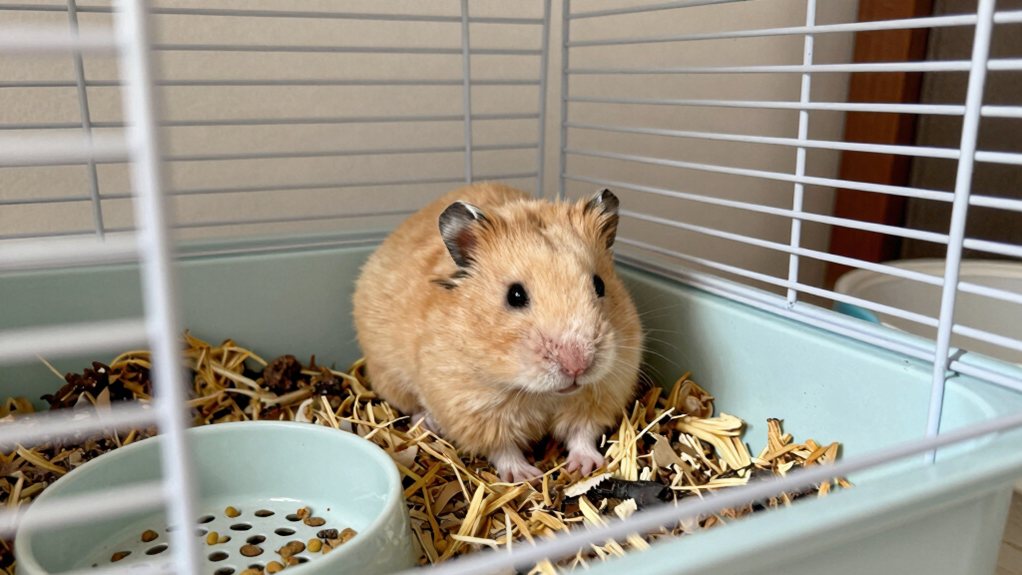
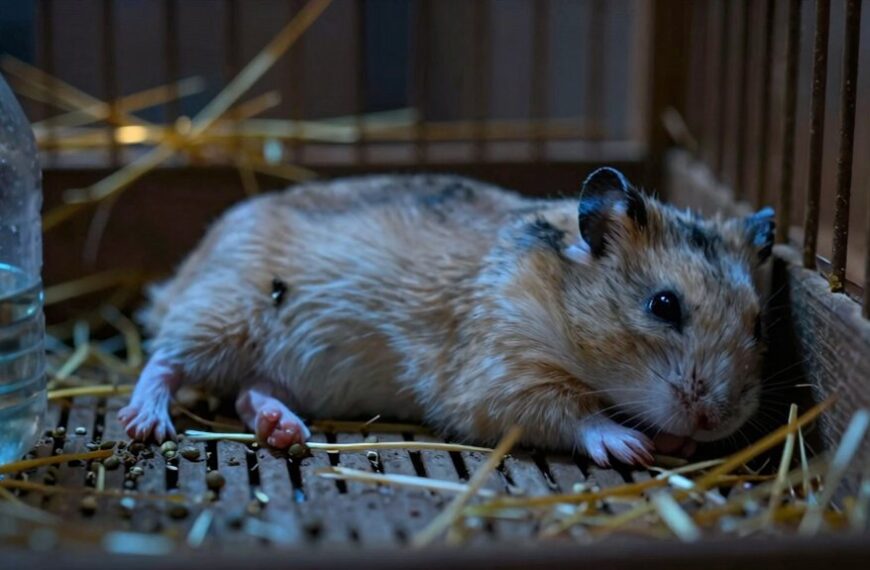
Sneezes, wheezes, and sniffling. Sounds like your hamster might be catching more than just your attention. If you notice wheezing or labored breathing, it’s time to perk up and pay close attention. Your little buddy might also seem more tired than usual—lethargy is a big red flag.
Instead of zooming around the cage, they’re probably napping way more than normal, or even avoiding their favorite treats. You might catch them huddled in a corner, looking a bit droopy.
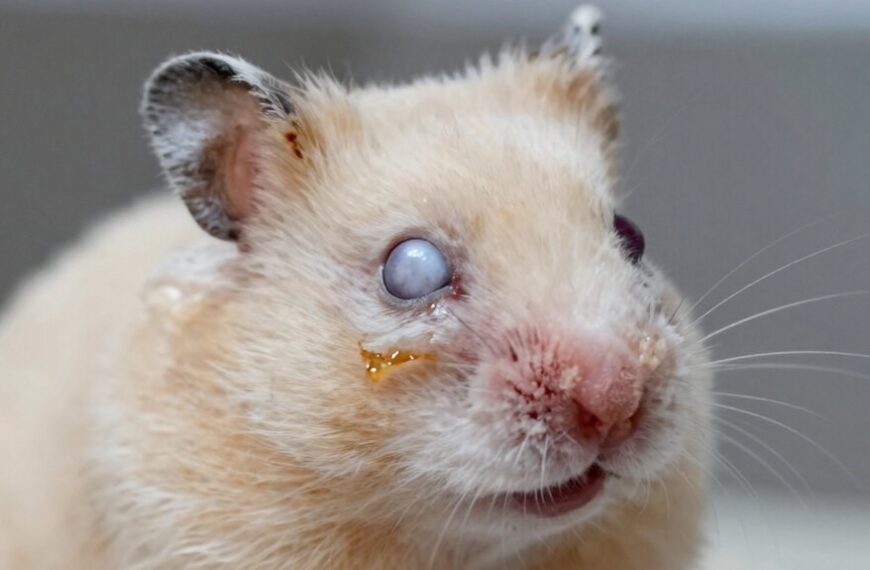
Runny nose? Check. Watery eyes? Double check.
These signs don’t always mean a serious infection, but it’s better to be safe than sorry. Think of it like a hamster cold—annoying, but treatable if caught early.
Keep things clean, stay calm, and call your vet. Your tiny furball will thank you with fewer sneezes and more happy squeaks.
Poor cage hygiene can contribute to respiratory issues, especially due to buildup of ammonia from urine.
How to Clean Your Hamster’s Cage to Reduce Infection Risk
Ever wonder why your hamster’s home needs more than just a quick tidy-up now and then?
Well, a clean cage isn’t just about looks, it’s key to preventing respiratory infections.
You should do a full clean weekly using warm, soapy water and rinse well, no harsh chemicals!
Spot clean daily by removing soiled bedding, damp spots are bacteria buffets.
Good air circulation helps too, so avoid shoving the cage in a stuffy corner.
Keep it in a well-ventilated area, but away from drafts, your little buddy isn’t a fan of wind tunnels.
While you’re at it, remember that hamster grooming is mostly self-done, but a dirty home stresses them out and weakens their immune system.
Think of cleaning as part of their care routine, not a chore.
A fresh cage means a happy, healthy hamster, and way fewer sniffles.
You’ve got this!
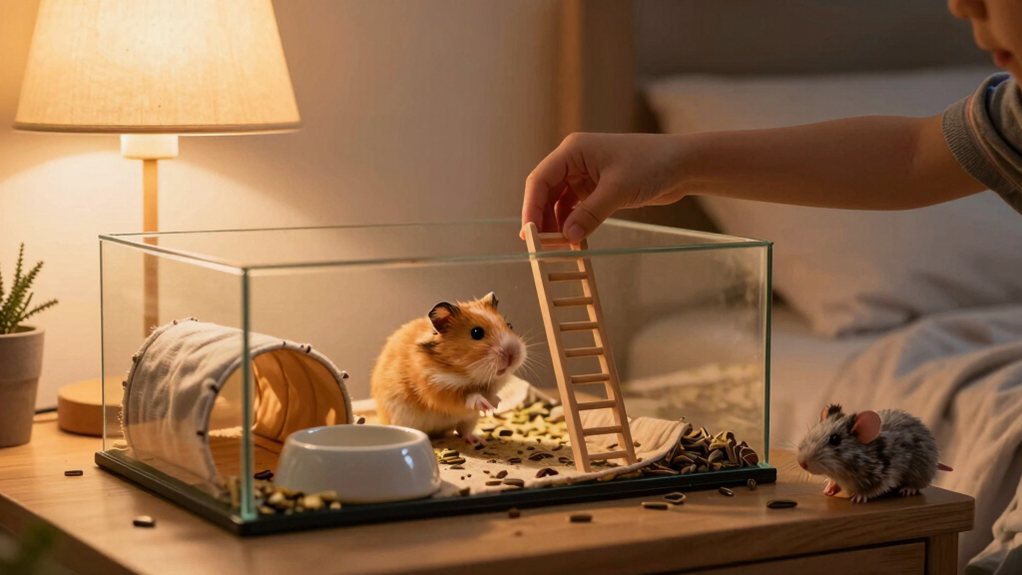
A full cleaning every five days is recommended when housing two hamsters to manage increased waste and maintain hygiene. two hamsters
Bedding That Prevents Hamster Respiratory Infections
While you’re keeping that cage sparkling, don’t overlook what’s actually touching your hamster’s little paws. Your bedding choice can make or break their lung health.
That cage may sparkle, but if the bedding’s wrong, your hamster’s lungs are paying the price—choose wisely for happy, healthy breaths.
Poor bedding materials can wreck air quality and trigger respiratory infections.
But you’ve got options that keep things safe and cozy:
- Paper-based bedding – Soft, dust-free, and great for sensitive noses.
- Aspen shavings – A safe wood option that doesn’t release harmful oils.
- Avoid cedar and pine – These smell nice to us, but they’re toxic for hamsters.
- Change bedding weekly – Fresh is best for clean air and happy lungs.
Pick wisely, and you’re doing more than making a comfy bed. You’re building a healthier home.
Your hamster mightn’t say “thank you,” but their happy sneeze-free breathing will.
A deep layer of safe bedding supports natural burrowing and helps maintain a stable, healthy environment for your hamster’s respiratory system, especially when the bedding has a depth of 6 to 8 inches.
Why Dirty Bedding Causes Breathing Issues
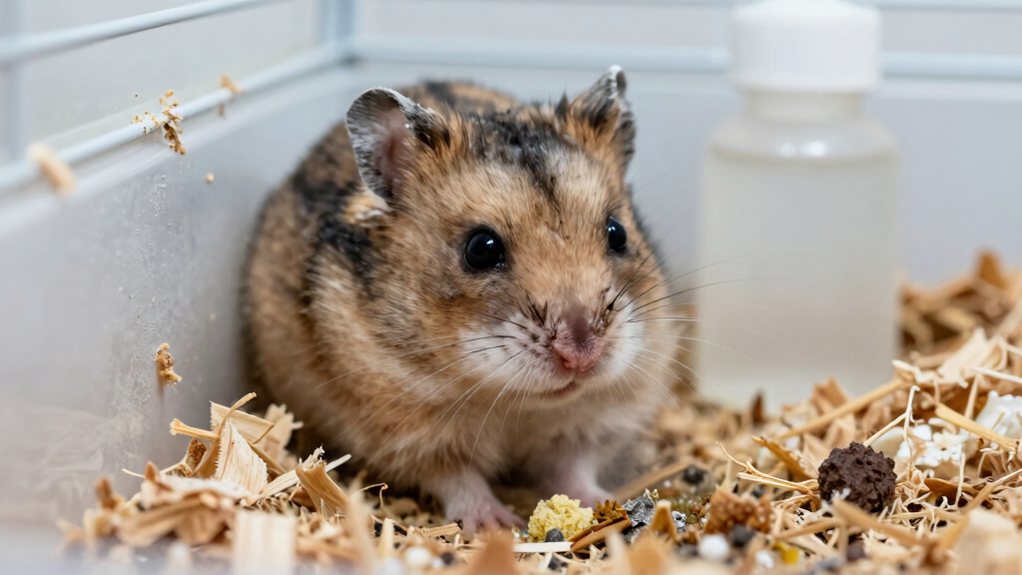
You picked the perfect bedding, gave your hamster a cozy nest, and thought the job was done, mission accomplished, right? Well, not quite.
Even the best bedding turns nasty when it’s left dirty. Over time, soiled bedding harms air quality, filling the cage with ammonia from urine.
That sharp smell? It’s irritating your hamster’s tiny lungs. Plus, damp, dirty bedding is a playground for bacterial growth.
Those invisible bugs can lead to sneezing, wheezing, and full-blown respiratory infections.
Think of it like living in a stuffy, moldy room—no one would breathe easy! You wouldn’t want to nap in a stinky hamster hotel, and neither do they.
A quick weekly clean-up keeps the air fresh and your little buddy healthy. So, don’t skip the scrub! Your hamster may not say “thank you,” but their happy, sniffle-free breaths will.
Hamsters have highly sensitive lungs that are easily damaged by airborne irritants, making it crucial to avoid materials like aromatic compounds in their bedding.
When Respiratory Infections Require a Vet
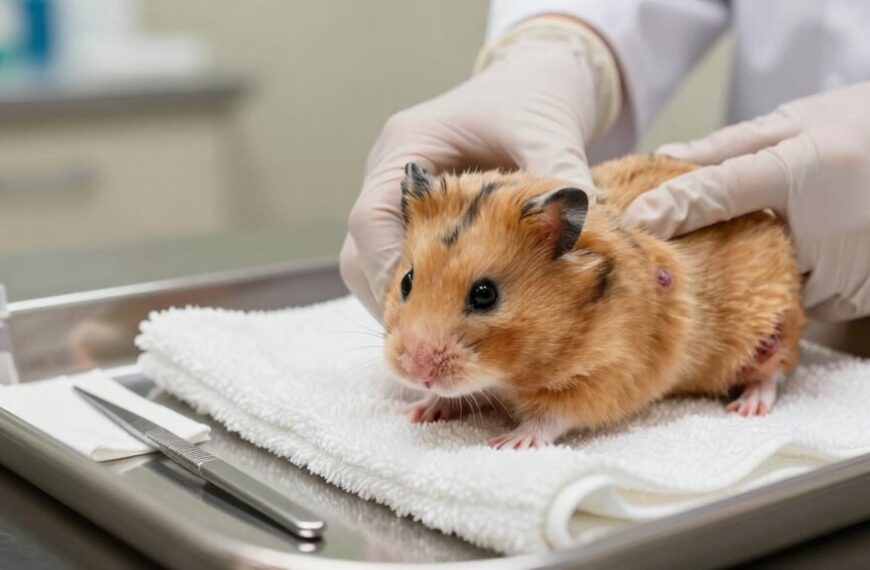
So, how do you know when your hamster’s sniffles have crossed the line from mild to “we need help, stat”? Here’s when to call the vet:
- Your hamster’s breathing sounds like a tiny, wheezy accordion, wet, labored, or clicking noises mean trouble.
- You’ve tried cleaning the cage, but symptoms like sneezing or nasal discharge stick around longer than a clingy houseguest.
- Your little buddy is eating less than a picky toddler and seems too tired to run their nightly marathon.
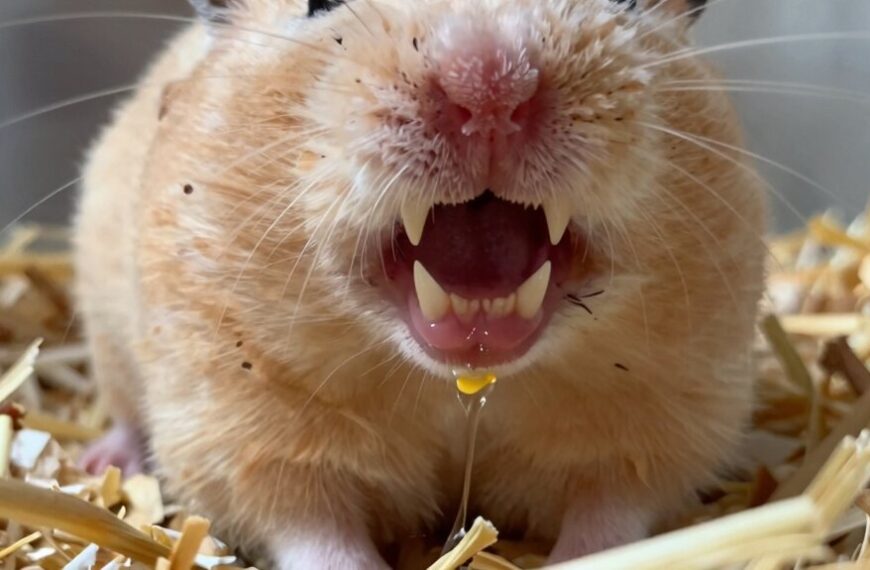
- You spot eye or nose gunk that looks like dried glue. Definitely not normal.
These signs mean your hamster likely needs antibiotic treatment. Only a vet diagnosis can confirm it and get your furball on the right meds.
Don’t wait. Early care means faster zoomies back in action!
Hamsters with genetic predisposition are more vulnerable to respiratory infections, which can rapidly become fatal without treatment.
Final Thoughts
You’ve got this! Keep an eye on your little buddy’s breathing and sneezes. Early action helps a lot.
A clean cage and safe bedding go a long way in keeping those tiny lungs healthy. Sure, messes happen. They’re furballs, not neat freaks. But regular cleaning cuts infection risks big time.
When in doubt, call the vet. Better safe than sorry. Your hamster’s counting on you, and hey, you’re already doing great!