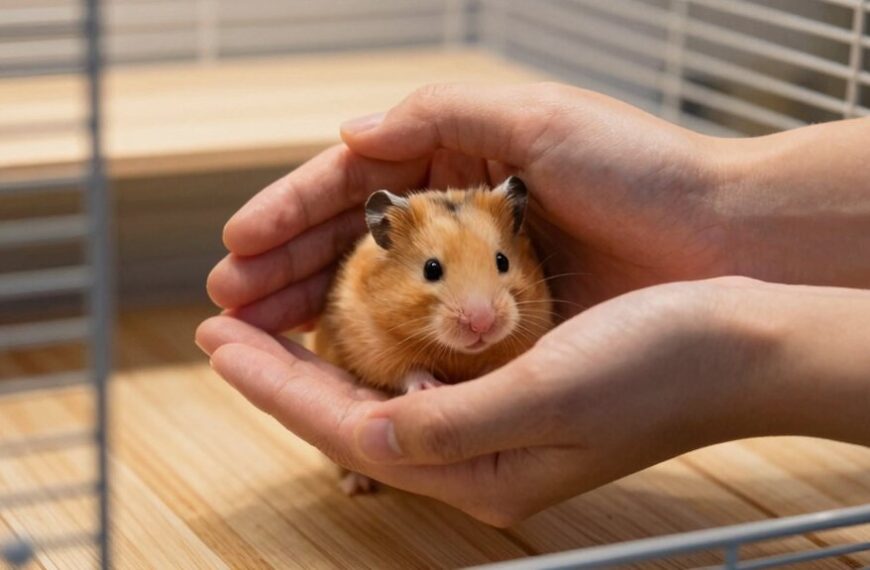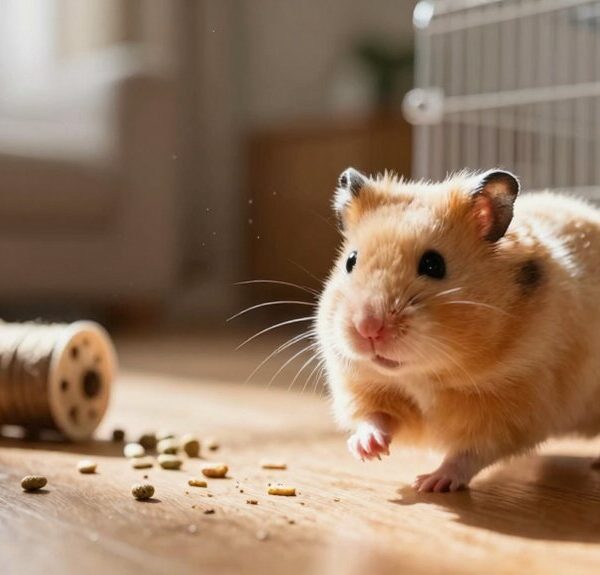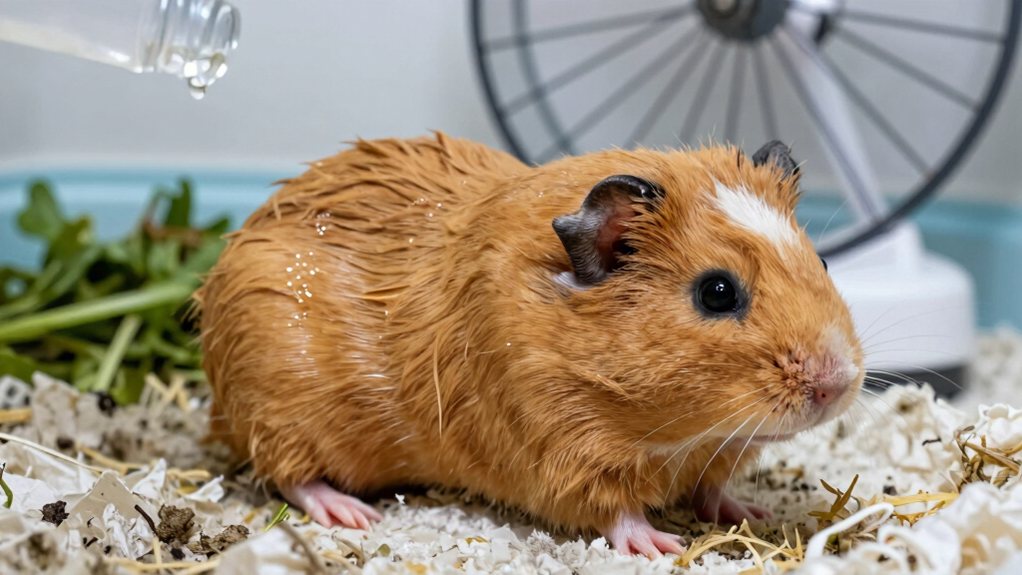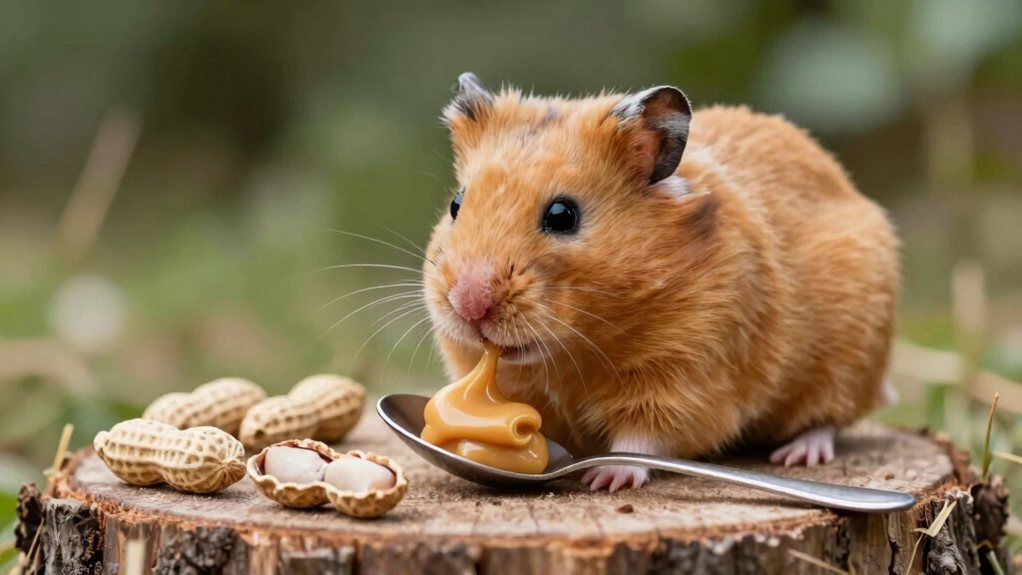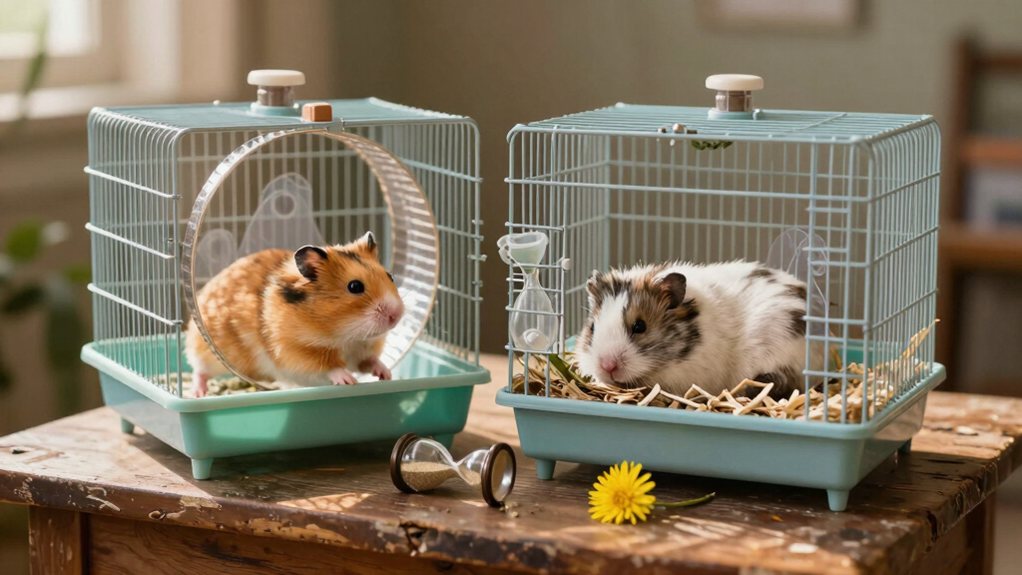
Most hamsters live 2 to 3 years, with Syrians and dwarfs like Campbells and Chinese usually hitting that mark. But here’s the kicker: Roborovskis often live 3 to 4 years and handle stress like tiny, furry Zen masters.
Genetics play a big role, but so do you. Skipping junk food, giving fresh water, and avoiding wire wheels really matter. Think bigger cage, better life. And yes, love helps too. Your hamster’s short life can still be a great one.
Stick around, there’s more to keeping them thriving than you’d think.
Average Hamster Lifespan: What Most Live
Let’s be real, when you bring a hamster home, you’re probably not thinking about how long they’ll be around. But the truth is, most hamsters live just 2 to 3 years, even with exceptional care. That’s just how their genetic factors stack the deck.
Most hamsters live just 2 to 3 years, even with the best care—it’s their genetics. Short lives, yes, but every moment is full of charm and tiny, unforgettable joys.
In the wild, they face natural predators, harsh weather, and scarce food, so evolution didn’t exactly prioritize long life.
But even in cozy cages with wheels and tunnels, they rarely outlive that short window.
It’s bittersweet. Sure, they won’t be with you forever, but they pack a ton of personality into those years. You’ll laugh at their midnight wheel marathons and melt when they stuff their cheeks.
While it’s tempting to believe myths about hamsters living 5+ years, stick to the facts. They may be small, but their impact? Way bigger than their lifespan.
Syrian Hamster Lifespan: What to Expect
Ever wonder why your Syrian hamster seems to zoom through life like a tiny, furry tornado? That’s because their average lifespan is only 2 to 3 years. But don’t worry—plenty of Syrians live happy, full lives with proper care.
Their breeding habits often involve inbreeding, which can reduce genetic diversity and lead to health issues. That’s why choosing a reputable breeder or rescue matters.
A balanced diet, a clean cage, and daily playtime can help your little buddy thrive.
While they won’t be around forever, every squeak and cheek-stuffing moment is priceless. Think of them as the sprinters of the rodent world: short bursts of joy, maximum cuddles.
You’ve got this! With love and attention, your Syrian can live their best, whisker-twitching life.
Dwarf Hamster Lifespans: Robo, Campbell, and Chinese Compared
While your Syrian hamster might be the solo superstar of the cage, dwarf hamsters bring their own brand of pint-sized charm and a slightly different timeline. Robo, Campbell, and Chinese dwarfs usually live 2 to 3 years, though some beat the odds with great care.
Your hamster’s lifespan hinges on genetic predispositions and breeding practices. Reputable breeders help avoid health hiccups down the road.
Robos are sturdy little guys, often living a bit longer than Campbells, who can be prone to diabetes. Chinese dwarfs are feisty and fast, with lifespans similar to Campbells.
Robos are tough little dynamos, often outliving Campbells—who need sugar-smart diets—while feisty Chinese dwarfs zip through life at the same speedy pace.
You can’t change genetics, but you can offer a cozy home, healthy snacks, and daily playtime. Think of it like giving your tiny roommate the best college dorm experience, minus the all-nighters.
With love and attention, these mini marvels make every sprint on that wheel count.
Why Roborovskis Outlive Other Hamsters
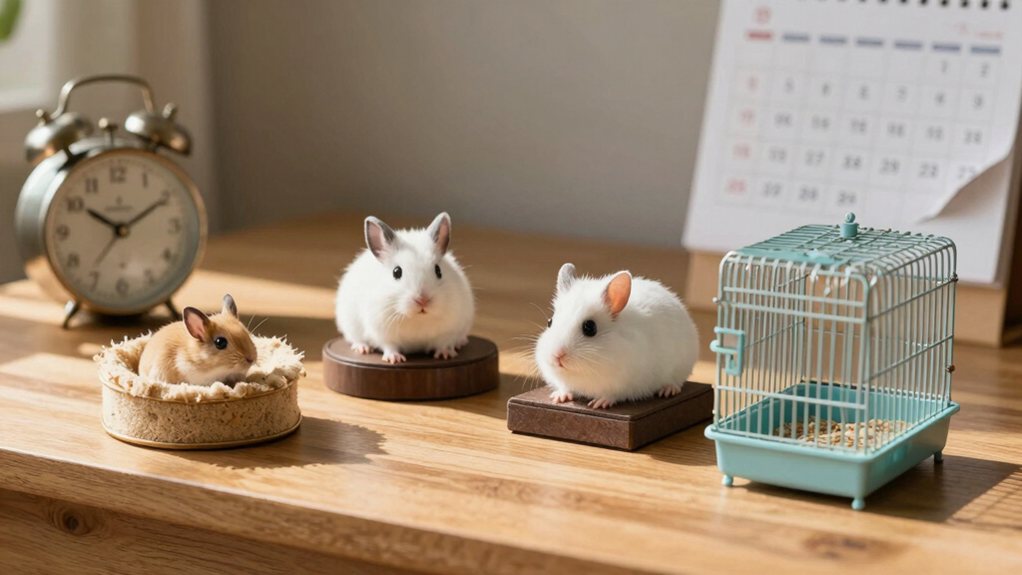
Though they’re the tiniest of the bunch, Roborovskis often live longer than most other hamster species, routinely reaching 3 to 4 years with proper care. You might wonder how these little speedsters outlast their fluffier cousins.
Well, it turns out Roborovskis pack a punch when it comes to genetic resilience. Their DNA seems built for longevity, helping them dodge common health issues.
Plus, they’re champs at stress resistance—less prone to panic, which means fewer health hiccups over time. While other hamsters might get spooked by loud noises or sudden moves, Robos stay cool, calm, and collected.
That chill attitude does wonders for their lifespan. So, if you want a tiny buddy around for the long haul, these pint-sized pros are a solid pick.
Just keep their wheel spinning and treats coming. They’ve earned it!
Debunked: 4 Myths That Harm Hamster Lifespan
What if the well-meaning advice you’ve heard about hamsters could actually be shortening their lives?
You might think they thrive in tiny cages or don’t need much attention, but those myths can harm their health.
Tiny cages and no attention? These myths don’t just mislead—they harm your hamster’s health and shorten its life.
First, skipping environmental enrichment is a big mistake. Hamsters need space, toys, and wheels to stay mentally and physically fit.
Second, assuming all species live the same is incorrect. Genetic predispositions mean dwarfs often live longer than Syrians.
Third, overfeeding treats leads to obesity and early decline.
And fourth, believing they’re fine alone forever ignores their need for occasional gentle interaction.
These misconceptions don’t just mislead. They stress your pet and shorten its life.
So ditch the outdated tips.
Give your hamster room to explore, a balanced diet, and love.
You’ll boost their happiness and help them live fuller, healthier years.
Because the truth is way cuter than the myths.
5 Care Mistakes That Shorten Hamster Lives
You might think you’re doing great by loading up your hamster’s bowl with treats, but too many sugary or fatty foods can really mess with their health.
If their cage is cramped, dirty, or missing a good hideout, they’ll be stressed.
That sneaky stress can cut their life short.
A dirty cage doesn’t just affect your hamster—it can also expose you to harmful ammonia buildup from urine, leading to respiratory issues and other health risks.
Let’s fix these common slip-ups so your little buddy stays happy and healthy for as long as possible.
Incorrect Diet Choices
Ever wonder why your hamster isn’t bouncing around the cage like they used to? It might be because of incorrect diet choices. Feeding your tiny buddy the wrong foods or even too much of the right ones can seriously shorten their life.
Too many treats or oversized portions lead to obesity, which sneaks up fast in such small bodies. And watch out for toxic foods like onions, garlic, or chocolate. Yep, even a nibble can be dangerous.
You wouldn’t eat junk food every day, so why give it to your hamster?
Stick to a balanced mix of quality hamster pellets, fresh veggies in moderation, and the occasional safe treat. Think of it like packing a school lunch: nutritious, portion-controlled, and no sneaky candy.
Your hamster mightn’t thank you in words, but their energy and lifespan will show it.
One of the most dangerous foods you might not expect is apple seeds, which release lethal cyanide when digested and can be fatal even in tiny amounts.
Poor Cage Conditions
While your hamster mightn’t complain in words, a cramped or dirty cage can leave them stressed, bored, and way more prone to health problems.
You’d hate living in a shoebox with no Wi-Fi, right? Well, your hamster feels the same about tiny cages.
Aim for at least 450 square inches of cage size.
More space means more zooming, burrowing, and happy hamster antics.
And don’t skimp on bedding quality.
Soft, dust-free bedding keeps their little lungs and paws healthy.
Dirty cages aren’t just gross.
They can lead to infections or respiratory issues.
Spot-clean daily and do a full change weekly.
Think of it like laundry: nobody likes living in a pile of dirty socks.
A clean, roomy home keeps your hamster active, content, and way more likely to live a full, cheeky little life.
For proper airflow and to prevent respiratory issues, choose a cage with ventilation slots that allow fresh air circulation without creating chilling drafts.
How to Help Your Hamster Live Longer
You can help your hamster live a longer, happier life by feeding them the right mix of fresh veggies, quality pellets, and the occasional tasty treat.
Just skip the junk food, because even tiny tummies deserve good nutrition.
Make sure they get plenty of safe exercise too, like running in a solid-surface wheel or exploring a hamster-proofed play area, so they stay fit and don’t turn into little couch potatoes.
A little love, the right diet, and some daily zoomies go a long way in adding months—or even years—to your fuzzy friend’s life.
Proper Diet Essentials
A well-balanced diet is one of the biggest keys to helping your hamster live a long, happy life, and yes, that means skipping the junk food, even if those tiny paws beg like you’re holding a five-star meal.
You’ll want to focus on fresh food and balanced nutrition to keep their little systems operating efficiently. Think of their diet like a mini buffet: high-quality hamster pellets as the base, plus small portions of veggies like carrots or cucumber a few times a week.
Occasional fruit? Sure, but just a nibble—too much sugar can lead to health issues. Avoid salty or sugary human snacks; your hamster doesn’t need popcorn or chocolate, no matter how cute they look begging.
Fresh water daily and a consistent feeding routine go a long way. Stick to the good stuff, and you’ll help your furry friend thrive.
Hamsters should be fed every day to support their fast metabolism and overall health.
Safe Exercise Routines
Ever wonder why your hamster turns into a furry little marathon runner the second you turn off the lights? That’s because hamsters are naturally nocturnal, and exercise safety starts with respecting their rhythm.
A consistent routine keeps them healthy and happy. Aim for daily playtime in a secure, hamster-proofed area.
A solid-surface wheel, no wire rungs, prevents foot injuries. Supervised floor time lets them explore safely.
Stick to routine consistency so your little buddy knows when to expect fun and burn off energy. Skip the tubes and multi-level cages with gaps. Those can be risky.
Instead, offer tunnels and chew-safe toys that encourage movement.
A tired hamster is a content hamster. With safe exercise routines, you’re doing more than preventing boredom. You’re helping your pet live longer, healthier, and way more joyfully.
When using a hamster ball, ensure it has adequate ventilation and secure closure to prevent overheating and escape during use.
Final Thoughts
You’ve got the scoop now, your hamster’s lifespan depends on species, care, and a little luck. Syrians usually stick around 2–3 years, while Robos might surprise you with 3+!
Avoid common myths and mistakes, and your tiny buddy will thrive. Love them, feed them right, and keep their world fun and safe. Sure, they’re small, but they pack big joy into every whisker twitch. You’ve got this, super pet parent!