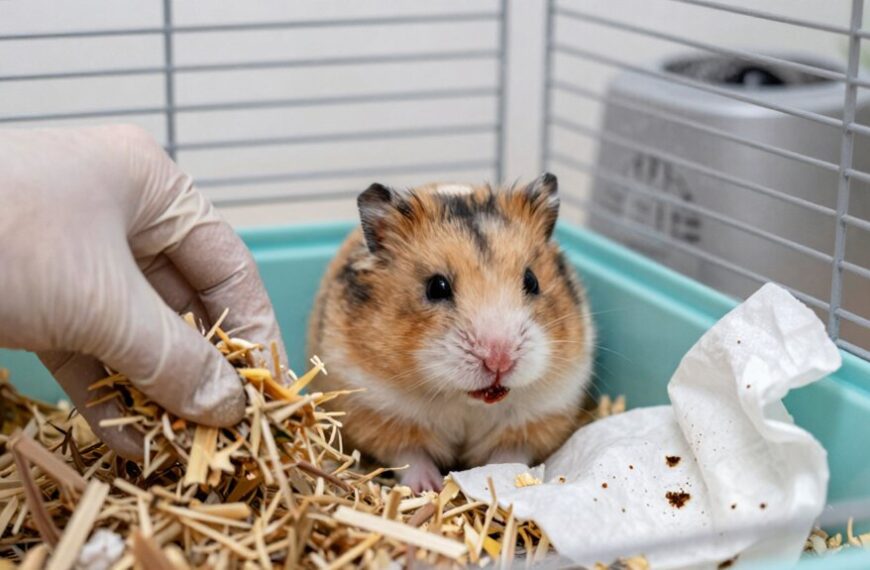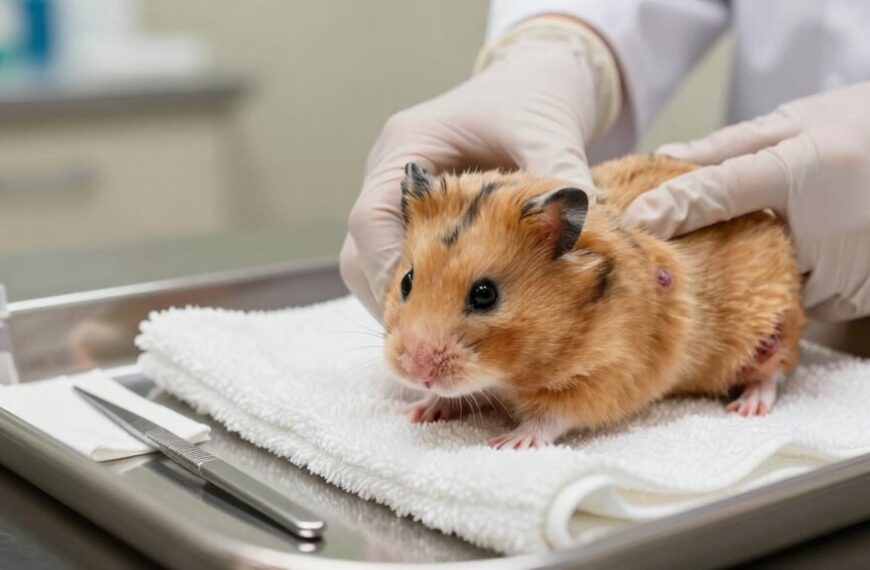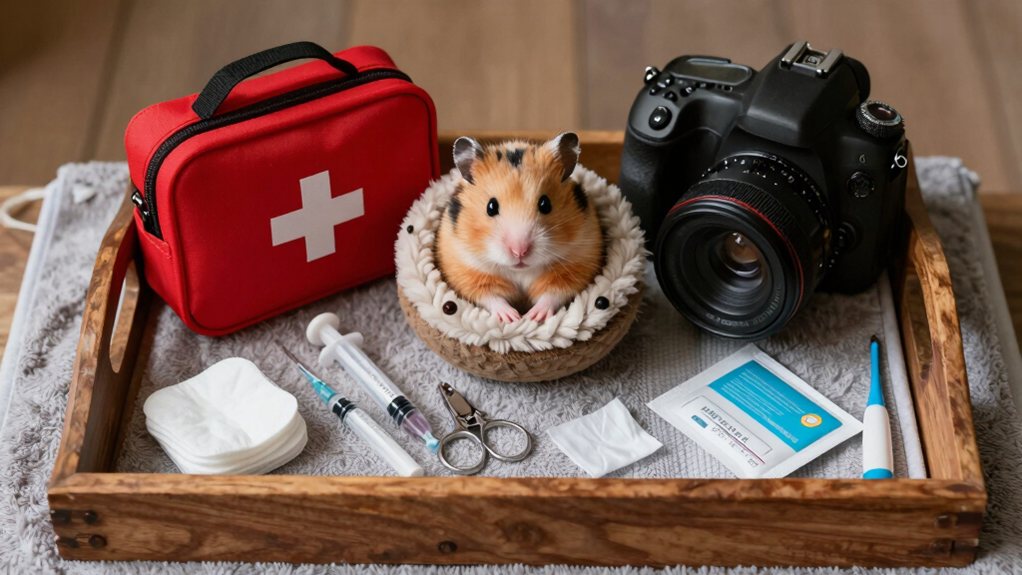
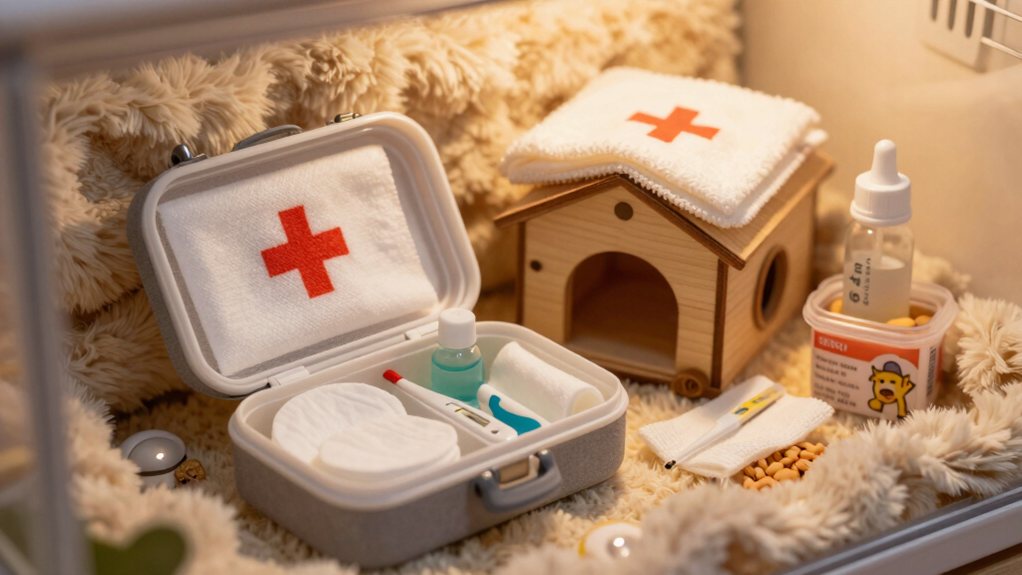
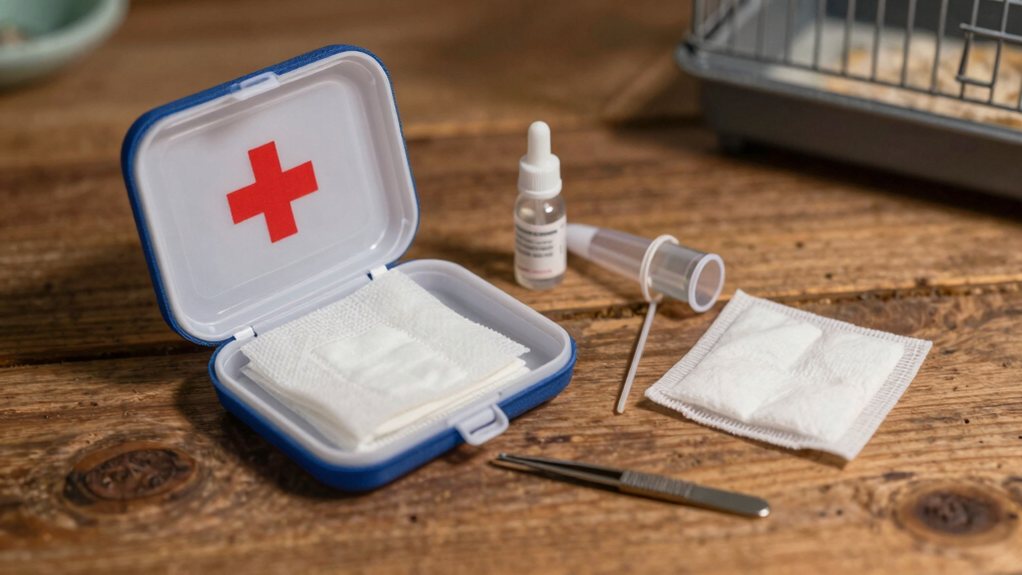
Keep a hamster first aid kit ready with gauze, saline, and pet-safe antiseptic wipes to clean tiny wounds fast. Use fine-tipped tweezers, cleaned with alcohol, for splinters, and a soft towel to gently wrap your wiggle-prone patient.
Add a digital thermometer, non-stick pads, and a small scissors. Include hand warmers and a secure carrier for emergencies.
You’ll be prepped for surprises, and yes, even the dramatic squeaking. There’s more where that came from, just in case your little escape artist tries something new.
Build Your Hamster First Aid Kit: The Essential List

Let’s face it, your hamster won’t be calling 911 if they get into a wheel-related mishap or nibble something they shouldn’t. That’s why having a first aid kit ready is a smart move.
Your hamster can’t dial for help—so be their hero with a ready-to-go first aid kit.
Start with basics like gauze pads, tweezers, and a soft cloth for gentle cleanups.
Don’t forget a small pair of scissors, blunt-tipped for safety, and antiseptic wipes—just the pet-safe kind.
A digital thermometer helps monitor health, and a spare hideout can ease stress during recovery.
Toss in a backup water bottle and food dish, too.
Because good cage setup and hamster nutrition matter even more when they’re healing.
Keep a list of emergency vet contacts handy.
Store everything in a labeled bin so it’s easy to grab.
Sure, you hope you’ll never need it, but being prepared is just good pet parenting.
With a little peace of mind on the side.
Wash the bite immediately with soap and water to prevent infection and reduce the risk of complications from bacteria.
Clean Wounds Safely With Saline and Gauze
You’ll want to grab that saline solution first, trust me, it’s way gentler than using tap water and won’t sting your little buddy’s tiny boo-boos.
Soak a clean piece of gauze and dab the wound softly, like you’re patting a tiny, furry pancake.
This combo keeps things clean *and* helps you feel like a hamster hero without going overboard.
Prompt cleaning also reduces the risk of bacterial infections such as rat-bite fever that can be transmitted even by minor bites.
Saline Solution Benefits
While your hamster mightn’t be signing up for a battlefield medic course, having saline solution on hand is still a smart move when tiny injuries happen. It’s perfect for gentle wound disinfection, no stinging, no stress, just clean healing.
You can safely flush out dirt or debris from small cuts without irritating their delicate skin.
And if your little furball gets something in their eye? Saline helps soothe eye irritation fast, like a mini spa treatment for their peepers.
It’s non-toxic, easy to use, and super affordable. Just soak a piece of gauze or use a dropper for precise application.
Honestly, it’s the unsung hero of your hamster first aid kit. You’ll feel way more confident handling boo-boos, and your hamster will thank you, probably with a cheeky nibble or happy wheel sprint.
Keep a bottle nearby; peace of mind is just a squeeze away.
Gauze Application Tips
Now that you’ve got saline solution ready to rinse away dirt and calm irritated eyes, it’s time to talk about what comes next, gauze.
When your tiny buddy gets a little scrape, using the right gauze types makes all the difference. Go for non-stick pads when you can—they won’t pull on fur or stick to tender skin.
If you need to stop minor bleeding, apply gentle but firm application pressure with sterile gauze. Don’t press too hard, though—your hamster’s tiny, not a stress ball!
Hold it steady for a minute or two, and let nature do the rest.
Keep a few squares handy in your kit, and tear them into mini pieces—big pads are overkill for such a small patient.
Think of it like wrapping a crumb, not a burrito.
With the right gauze and a calm touch, you’ll have your little explorer back to tunneling in no time.
Use the Right Tweezers for Tiny Injuries
A good pair of tweezers can be your hamster’s best friend when it comes to those tiny, ouch-that-must-sting injuries.
You’ll want the kind made for precision grip, think mini, steady, and gentle, so you don’t fumble during rescue missions.
Here’s how to nail it:
- Pick fine-tipped tweezers – they’re perfect for splinters or debris near delicate skin.
- Always practice tweezer sterilization – wipe with rubbing alcohol first; nobody wants extra ouch on top of ouch.
- Hold steady – use your non-dominant hand to gently secure your hamster (no superhero moves, please).
- Stay calm and patient – if you’re stressed, they’ll stress-squeak. Deep breaths!
With the right pair and a soft touch, you’ll be their tiny trauma hero in no time.
No cape required, just confidence and care.
A hamster bite is usually not aggressive but stems from fear or being startled, so always approach with care after handling injuries to avoid triggering fear-based biting.
Restrain Your Hamster With a Soft Towel
When your hamster’s got a boo-boo and needs a little first aid, grabbing a soft towel can make things way easier—for both of you.
Gently wrap your wiggly little buddy like a tiny burrito, making sure not to squeeze too tight, so they feel safe but can still breathe easy.
Keep calm, talk sweetly, and remember: this isn’t a wrestling match, just a quick cuddle with a purpose.
Gentle Towel Handling Tips
If your hamster’s acting like a tiny Houdini every time you need to give them a check-up, wrapping them in a soft towel might just be your new go-to move.
Use a gentle grip and soft folds to keep your little escape artist calm and secure.
Here’s how to do it right:
- Choose a small, soft towel—no terrycloth monsters that could snag tiny toes.
- Lay the towel flat and place your hamster in the center, staying calm so they don’t panic.
- Gently fold the sides up, creating a snug wrap that allows breathing but limits wriggling.
- Hold them close to your chest, speaking softly—like you’re sharing a secret.
This method keeps stress low and safety high.
You’ll both get through the moment with fewer acrobatics and more trust.
Plus, you might just earn bonus points for being the coziest cuddle zone in their world.
Proper Wrapping Technique
While your hamster might think they’re auditioning for a circus act every time you reach for them, wrapping them in a soft towel doesn’t have to turn into a comedy of errors.
Gently place your hamster in the center of a small, soft towel, then fold one side over their body like a snug burrito.
Hold them close but not too tight: hamsters need to breathe, not feel like they’re in a straitjacket. This technique helps keep them calm during wound dressing or when checking bandage security.
A wrapped hamster is less likely to squirm or nip, making first aid safer for both of you. Just remember: no origami skills required, but a steady hand helps.
Keep the towel lightweight so it doesn’t overheat them, and always support their little body.
With a little practice, you’ll both get the hang of it: no circus training needed.
Minimizing Stress During Restraint
You’ve got the wrap down—now let’s make sure your little bundle of joy doesn’t feel like they’re stuck in a spa treatment they didn’t sign up for.
Keeping your hamster calm during restraint is key to safe first aid.
Here’s how to keep stress low:
- Create a calm environment, turn off loud noises and dim the lights.
- Use a soft towel to gently swaddle your hamster, like a tiny, fuzzy burrito.
- Speak in a soothing voice, yes, they recognize your tone, even if they can’t understand “everything’s gonna be fine.”
- Keep sessions short, quick checks mean less panic and more trust.
Your calm energy sets the mood.
When you stay relaxed, your hamster feels safer.
Think of it as teamwork: you’re the cool-headed hero, and they’re the nervous sidekick learning to trust the process.
A stressed hamster is more likely to exhibit signs of anxiety or aggression, especially if they already suffer from cage rage.
Keep Your Hamster Warm During Emergencies
When the power goes out or your hamster’s cozy cage gets disrupted, keeping them warm becomes more than just a comfort—it’s a must. Hamsters are tiny and lose body heat fast, so having a reliable heat source in your first aid kit can be a lifesaver.
Think hand warmers, wrapped in cloth, never direct, or a microwavable heating pad made for pets. Tuck your hamster into an emergency blanket, yes, those shiny space-age wraps, to trap warmth without risk of loose threads.
Just don’t turn your living room into a sauna. They don’t need a tropical vacation. Check on them often. Warm, not sweaty, is the goal.
A little warmth goes a long way in calming their nerves during chaos. You’ve got this.
With a smart heat source and that snazzy emergency blanket, your pint-sized pal will stay cozy, safe, and ready for snuggles when things settle down.
Hydrate and Feed a Sick Hamster Safely
Now that your hamster’s snug and warm, it’s time to talk about keeping their tank full, not just with food, but with energy and hydration, especially if they’re feeling under the weather.
When your little buddy won’t eat or drink, you’ve got to step in gently.
Here’s how to handle hydration methods and avoid force feeding unless absolutely necessary:
- Offer fresh water with a dropper if they’re weak, just a few drops at a time.
- Try a pinch of baby food (plain, no sugar) on their tongue to spark appetite.
- Use unflavored Pedialyte diluted with water to boost electrolytes safely.
- Watch closely. Force feeding should be a last resort, so call your vet first.
You’ve got this. A little patience and love go a long way.
Choose a Carrier for Hamster First Aid Transport
When it’s time to get your hamster to help, picking the right carrier can make all the difference. Think cozy, secure, and escape-proof.
You don’t need a luxury pet limo, but a small plastic carrier with air holes and a snug lid works great. It keeps your tiny Houdini from making a break for it.
Just line it with soft bedding, keep it warm, and you’re ready to roll without the stress.
A durable carrier with chew-proof ABS plastic construction ensures safety during transport and prevents escape attempts.
Safe Transport Options
How do you keep your tiny, trembling hamster calm and safe when every bump feels like an earthquake to them?
Choosing the right hamster carriers makes all the difference during emergency transport. You want something secure, cozy, and stress-free. Here’s how to nail it:
- Use a small plastic carrier. It’s lightweight and shields your hamster from noise and motion.
- Line it with soft bedding. Think of it as their tiny panic room with a comfy floor.
- Add a familiar hideout or toy. A piece of home helps ease their nerves.
- Keep it ventilated but draft-free. No wind tunnels, just gentle airflow.
With the right setup, your hamster won’t feel like they’re on a rollercoaster.
Safe transport isn’t just smart. It’s a hug on wheels.
A pop-up playpen with a waterproof base included can serve as a secure, portable recovery space during extended transport or temporary housing.
Choosing The Right Carrier
What’s standing between your panicked hamster and a safe ride to the vet? A good carrier. You don’t need a limo, but you do need the right fit. Choose a carrier size that gives your hamster just enough room to turn around. Too big, and they might tumble. Too small, and it’s a squeeze. Think “cozy studio apartment,” not “spacious loft.”
Ventilation design is key. Look for mesh sides or top vents so fresh air flows without chilly drafts.
Plastic carriers with secure latches work great, especially if you line them with soft bedding.
And hey, skip the cardboard box. Unless you enjoy chasing a Houdini hamster through traffic, a solid carrier keeps your little buddy calm, safe, and exactly where they belong: on the way to feeling better. You’ve got this.
Never Give These Human Medicines to Your Hamster
While your furry little buddy might look like a tiny version of us, their body sure doesn’t work the same way, so don’t even think about sharing your medicine cabinet with them. Human medications can be toxic substances to hamsters, even in small doses.
Their tiny systems just can’t handle what ours can. So, skip the quick fix and avoid these common mistakes:
- Ibuprofen or acetaminophen – These painkillers are a no-go and can cause serious harm.
- Antibiotics meant for humans – They can wreck your hamster’s digestion.
- Cold medicines – Packed with ingredients that are way too strong.
- Topical creams – What soothes you might burn their delicate skin.
When in doubt, call your vet instead of playing pharmacist. Your hamster’s health isn’t something to wing—it’s worth getting right.
Recognize When Your Hamster Needs a Vet
Ever wonder why your usually peppy hamster is suddenly acting like a tiny, furry couch potato? Hamster behavior changes, such as refusing treats, sleeping all day, or avoiding their wheel, can be red flags.
If you notice breathing difficulty observations, such as wheezing, rapid breaths, or fluffed-up fur while resting, it’s time to act.
Other warning signs include watery eyes, sneezing, diarrhea, or lopsided movement.
Sure, hamsters are drama queens sometimes, but when they stop grooming or huddle in a corner, they’re telling you something’s wrong.
Don’t wait for “maybe it’ll pass.” You wouldn’t ignore those symptoms in yourself, right?
Your pint-sized pal counts on you to know when home care isn’t enough.
When in doubt, call the vet. Early help can make all the difference—and save you both from a tiny, tragic meltdown.
A key sign of advanced decline is loss of appetite, which often accompanies other end-of-life symptoms like weight loss and reduced activity.
Common Hamster First Aid Mistakes to Avoid
- Skipping gloves: Your hands might be clean, but bacteria love hamster wounds. Always wash up or wear tiny gloves.
- Improper wound cleaning: No hydrogen peroxide or alcohol. They sting and damage tissue. Use lukewarm saline instead.
- Guessing medication dosage: Human meds. Nope. Even a tiny incorrect medication dosage can be dangerous.
- Panic-taping injuries: Duct tape isn’t vet-approved. Use vet wrap only if instructed.
Stay calm. Stick to safe steps. And remember: when in doubt, call your vet.
You’ve got this, your hamster’s counting on you!
Final Thoughts
You’ve got this! With a few simple supplies and a calm hand, you can handle small hamster mishaps fast. Just remember: keep it gentle, keep it warm, and skip the human meds. Your tiny buddy isn’t built for them.
When in doubt, call the vet. After all, even heroes in tiny sweaters need backup sometimes. Stay prepared, stay kind, and keep that little nose twitching happily.