No, hamsters really don’t like being woken up, it’s like someone yanking you out of a deep dream with zero warning. They’re nocturnal, so daytime sleep is serious business.
Waking them can leave them groggy, stressed, or even nippy, not because they’re mean, but because it feels like a predator sneaking up. It’s kind of like surprising someone in the shower, awkward and alarming.
Stick to dusk or evening chats, and you’ll both be way happier. There’s a better way to connect without the crankiness, keep going to find it.
Why Waking a Hamster During the Day Backfires
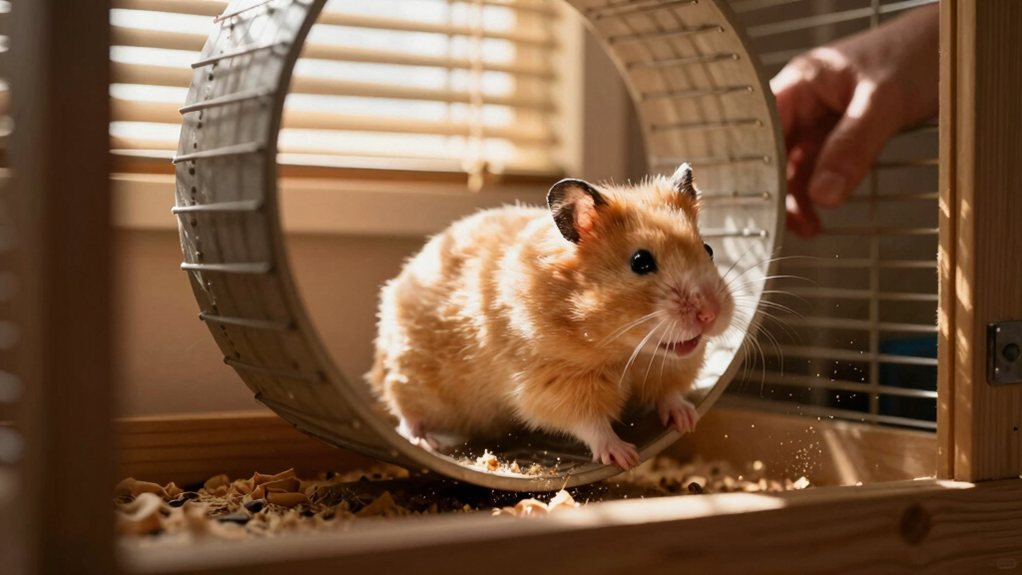
Ever wonder why your hamster seems grumpier than a rainy Monday when you wake it up during the day? Well, here’s the scoop: hamsters are nocturnal, so daylight is their prime snooze time. Waking them mid-zzz means you’re cutting short their deep sleep, hello, dream disruption! Just like you’d hate being yanked out of a sweet dream about pizza, your hamster isn’t thrilled either.
They also experience sleep inertia, that groggy, confused fog that leaves them disoriented and cranky. Imagine being woken up to answer a math problem at 3 a.m., yeah, not fun.
Forcing this on your little buddy can lead to stress or even a tiny bite. So instead of poking them awake, let them nap peacefully. You’ll both be happier.
A well-rested hamster is a cuddly, well, as cuddly as they get, and curious friend. Sweet dreams, little buddy!
Hamsters are most alert and energetic during their natural nocturnal behavior cycle, which typically begins at dusk.
What Happens If You Wake a Sleeping Hamster?
What’s the big deal about disturbing a snoozing hamster, anyway?
Well, imagine being yanked out of a sweet dream just as you’re chasing a mountain of sunflower seeds, total bummer, right? That’s dream disruption for your hamster.
These little guys are light sleepers, and waking them causes stress.
Hamsters are super light sleepers—waking them suddenly isn’t just rude, it’s stressful. Let them snooze, and they’ll be happier, healthier, and way more cuddly when awake.
Sudden movement, like poking or loud noises, can startle them into panic mode.
They might even lash out with a bite, not because they’re mean, but because they’re confused and scared.
It’s like waking up in a horror movie!
Over time, constant interruptions mess with their health and mood.
So, if you want a happy, healthy hamster, let them sleep it off.
Trust me, they’ll thank you with cute, awake-time cuddles later.
Just think: peaceful pet, peaceful you.
Sweet dreams all around!
Do Hamsters Get Grumpy When Woken Up?
You just read about how waking a sleeping hamster can send them into a mini panic, and now you’re probably wondering, do they actually get grumpy when you pull them out of dreamland? Absolutely. Just like you after a rough night, hamsters hate dream disruption.
They’re deep sleepers, and yanking them awake can trigger serious mood swings.
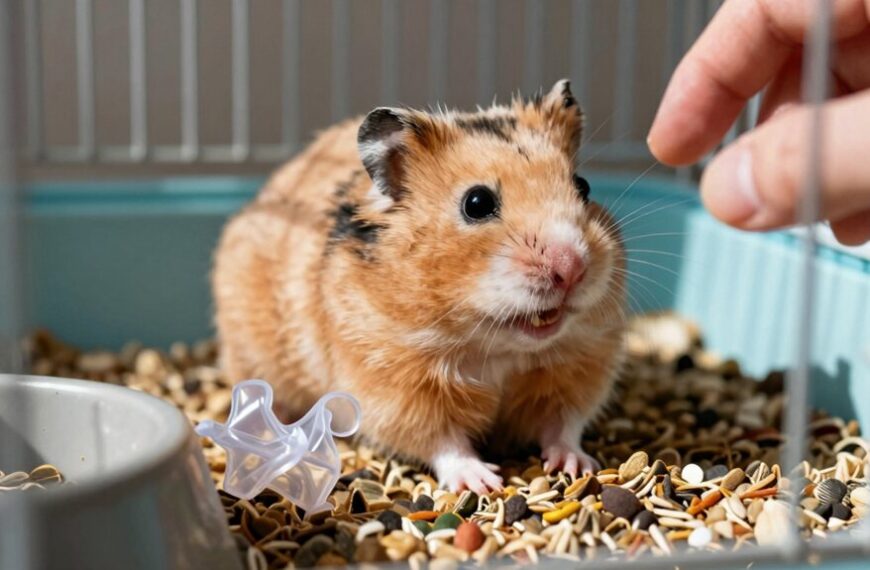
One second they’re snoozing peacefully, the next—*chomp*—you’ve got a tiny, cranky beast on your hand. It’s not personal, they’re just disoriented and annoyed.
Think of it like being woken during your favorite movie, nobody’s happy.
To keep peace and fingers safe, let your hamster wake naturally. If you must interact, do it gently and during their active hours.
A well-rested hamster is a happy hamster, less grump, more snuggles.
Sudden handling mimics predator threats, causing panic, which is why nocturnal behavior must be respected to minimize stress.
How Hamster Sleep Cycles Differ From Humans
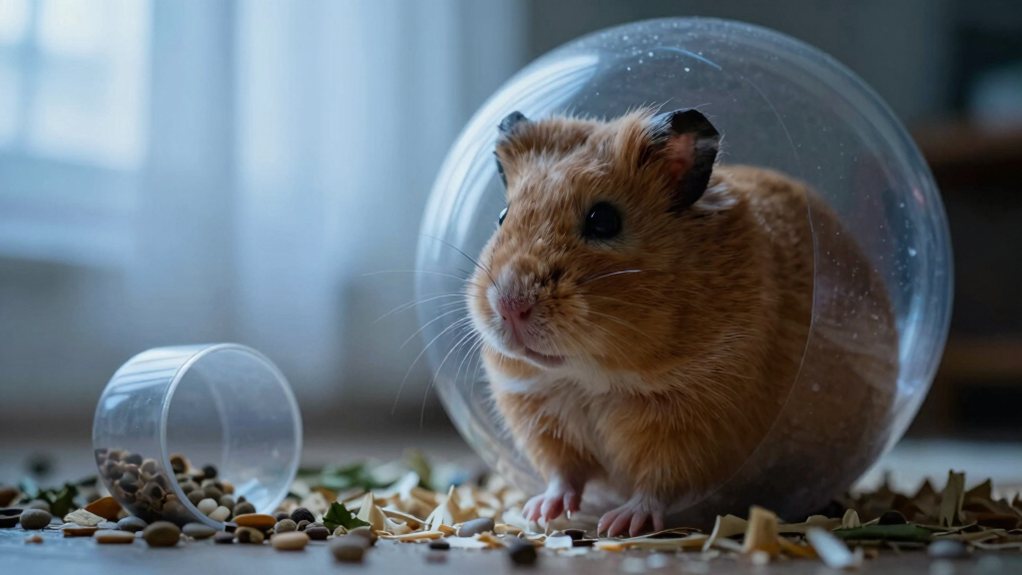
You might be up with the sun, but your hamster’s just hitting snooze, these little guys are night owls through and through. Their eyes are super sensitive to light, so bright daylight feels like a flashlight in the face.
And while you’re logging solid hours, your hamster’s zipping through naps and wake spells that last just a few hours, making their sleep cycle way quicker than yours.
Which is why they’re busy living their best life when you’re trying to sleep.
Disrupting their rest can lead to stress, especially since daytime rest is essential for their overall well-being.
Nocturnal Nature Explained
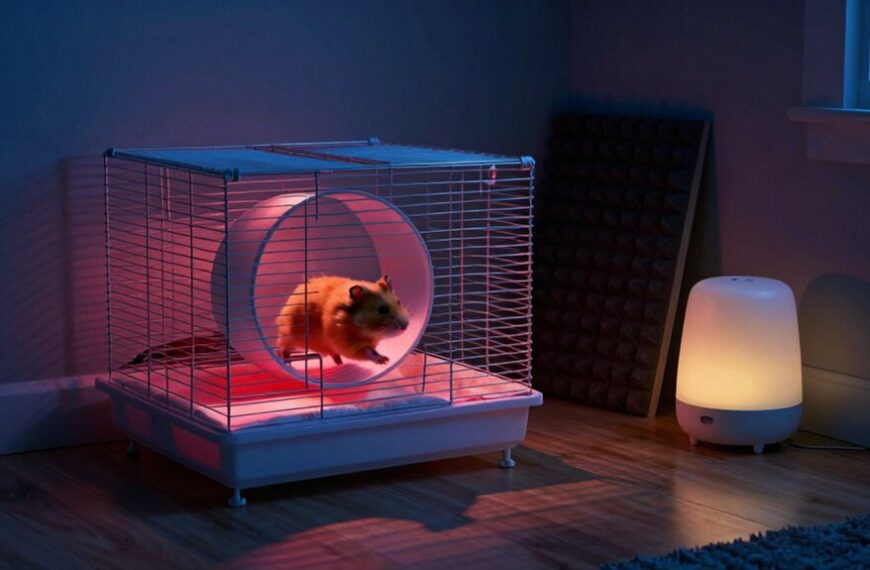
Ever wonder why your hamster starts sprinting on its wheel the second you’re trying to fall asleep?
That’s because hamsters are nocturnal, they’re built to stay up late and sleep during the day, unlike us.
While you’re dreaming deeply through the night, your hamster’s dream patterns are just kicking in.
Their sleep depth is lighter and more spread out, so they can stay alert for danger.
You might sleep for eight solid hours, but hamsters nap in chunks, totaling about 6–8 hours a day—just not when you are.
Waking them? Not cool.
It’s like being yanked out of a movie you paid for.
They get grumpy, stressed, or even bite.
So, let them live their best night life.
Respect their rhythm, and they’ll be happier, healthier, and less likely to throw a midnight rave while you’re trying to dream.
A sudden light or noise can disrupt their natural cycle, and prolonged disruption of sleep cycles can weaken their immune system over time.
Light Sensitivity Patterns
Hamsters don’t just stay up late, they’re wired to react to light in ways that make their schedules totally different from ours. Their circadian rhythm runs on a whole other clock, tuned to low light and quiet nights.
You might love morning sunlight, but for your hamster, that same light exposure can feel like a spotlight on a midnight snack. Here’s how it works:
- They’re most active at dusk and dawn, not midday.
- Bright light disrupts their natural circadian rhythm, stressing them out.
- Even short bursts of light exposure at night can reset their internal clock.
- They prefer dim, cozy spaces — think cave vibes, not beach day.
Sleep Cycle Duration
What if your entire day fit into someone else’s coffee break?
That’s life for your hamster!
Their sleep cycle lasts about 2 to 4 hours, meaning they nap hard and wake fast.
No snooze button here.
Unlike us, they don’t plunge into long REM sleep, so dream patterns are short and sweet, if they dream at all.
Their brain activity spikes in bursts, keeping them alert in the wild.
You might catch your hamster stretching between naps, ready to snack or sprint on the wheel.
Waking them? Not ideal.
It’s like interrupting a superhero’s power nap.
They mightn’t thank you.
While you’re zoning out during a meeting, your hamster’s already cycled through sleep twice!
They’re not lazy—just built differently.
So respect the cycle.
Let them snooze, dream (maybe), and let their brain activity do its thing.
A well-rested hamster is a happy, zoomie-filled friend.
Signs Your Hamster Is Stressed or Anxious
You know your hamster’s usually a little bundle of joy, but if they’re suddenly skittish or nipping at your fingers, something might be off.
Keep an eye out for changes like over-grooming, hiding more than usual, or bar-chewing. It’s their way of saying, “Hey, I’m not loving this vibe!”
Just like you wouldn’t want to live in a noisy closet, your hammy needs calm and comfort too.
A lack of mental stimulation can lead to compulsive behaviors, so consider enhancing their environment with activities that encourage natural instincts like foraging and exploration through cage enrichment.
Signs Of Discomfort
Ever wonder why your little furball suddenly hides every time you walk by? It might be more than just shyness, your hamster could be feeling discomfort. Keep an eye out for subtle cues that something’s off.
Here are four signs to watch for:
- Excessive ear scratching – Could mean irritation or mites, not merely a bad hair day.
- Constant nose twitching – While normal in small bursts, nonstop twitching may signal stress or respiratory issues.
- Hunched posture or limping – A sign they’re in pain or not feeling well.
- Refusing treats or food – If your usually enthusiastic eater turns up their nose, something’s wrong.
Spotting these early helps you act fast. Your hamster can’t tell you they’re hurting, so being their detective is part of the job and the joy of being a pet parent.
Sudden changes in behavior, such as increased hiding or skittishness, may also indicate that your hamster is experiencing fear and stress.
Behavioral Changes To Watch
Why does your hamster suddenly freeze like a tiny, wide-eyed statue when you reach into the cage? It might be stressed. Watch for behavioral changes, such as if your hamster avoids you, chews the bars, or acts jittery. These could mean anxiety.
Even dream patterns can shift. You might notice restless sleep or twitching during naps.
Nesting habits may change too. Maybe they shred way more bedding than usual or hoard food in secret spots.
On the flip side, they might ignore their cozy nest altogether.
You know your little buddy best, so trust your gut when something feels off. Stress isn’t just a people problem. Hamsters feel it too.
Keep their space calm, quiet, and predictable.
And hey, maybe skip the surprise wake-up calls. Your hamster will thank you with fewer side-eye glances and more happy wheel runs.
Constant bar chewing may be linked to dental health needs, as hamsters must gnaw to manage ever-growing teeth.
Best Times to Interact With Your Hamster
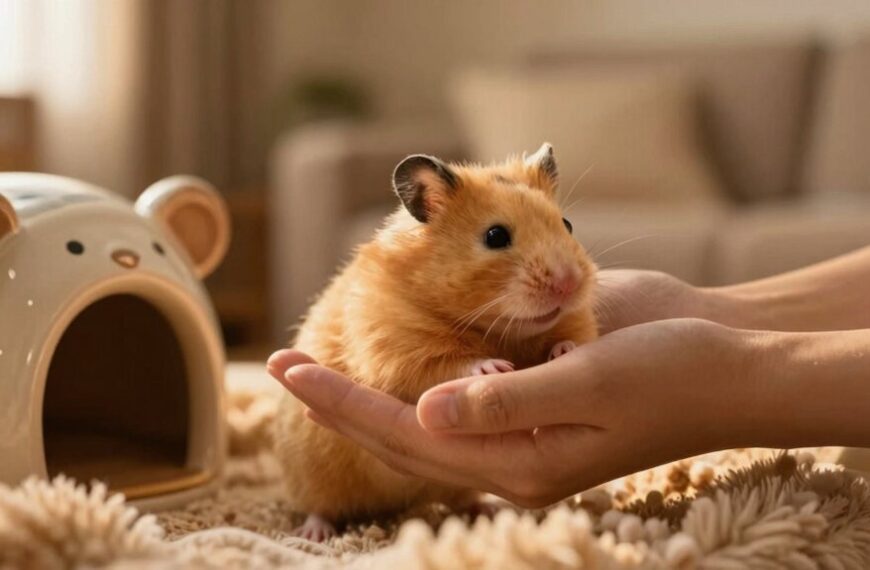
When’s the best time to say hello to your hamster without getting a tiny paw shoved in your face? Simple: right as they’re waking up. Hamsters are crepuscular, so they’re most active at dawn and dusk. That’s when they’re naturally alert, hungry, and way more open to cuddles.
Best time to greet your hamster? Right when they wake—dawn or dusk. That’s when they’re alert, hungry, and ready for a sniff—maybe even a cuddle.
Or at least sniffing your hand. To sync with their rhythm, consider cage placement. Keep it in a quiet spot away from loud TVs or foot traffic. And yes, your hamster diet plays a role too. A well-fed hamster is a happy, social hamster.
Try these times:
- Just after sunset
- Early evening, around 7–9 PM
- Before you go to bed
- During their post-nap stirrings
You’ll bond faster. And avoid grumpy wake-up surprises.
Their natural rhythm is tied to their nocturnal behavior evolved to avoid predators in the wild.
Can You Wake a Hamster Safely?
You just read about the best times to hang out with your hamster, dawn and dusk, when they’re naturally perky and ready to explore.
But what if you’re enthusiastic and your hamster’s snoozing? Can you wake a hamster safely?
Well, technically, yes, but should you? Probably not unless necessary.
Hamsters, like us, need solid rest, and interrupting their sleep might sour their mood.
Imagine someone yanking you from *hamster dreams* of endless sunflower seeds—annoying, right?
Sudden wake-ups can stress them out, leading to grumpiness or even a tiny bite.
If you must wake your hamster, say, for a vet check, do it gently.
Softly speak their name and let your hand near the cage so they smell you.
Syncing with their natural morning routines beats forcing wake-up calls.
Respect their zzz’s, and they’ll be happier, healthier, and way more fun to snuggle later.
How to Sync With Your Hamster’s Schedule
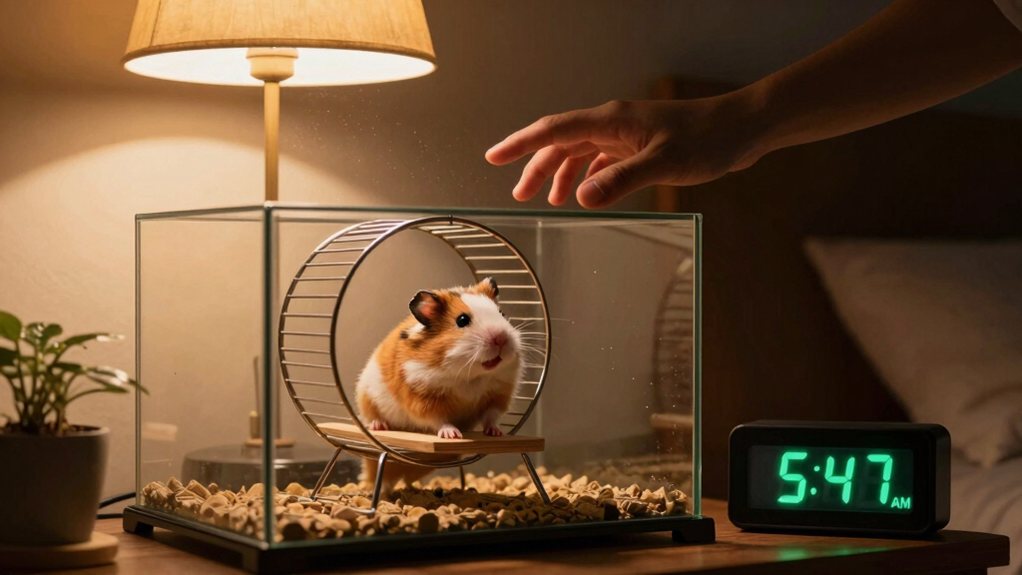
Ever wonder how you can become more in tune with your tiny, nocturnal roommate? Syncing with your hamster’s schedule isn’t about changing their rhythm. It’s about meeting them where they are. Here’s how:
Adjust your check-ins to late afternoon or early evening when they start waking up.
Place their cage in a quiet spot with natural light cues. Proper cage placement helps regulate their internal clock.
Offer part of their hamster diet as a treat during their active hours to build trust and routine.
Spend time nearby while they’re moving around, even if you’re just reading or chatting softly.
You don’t need to stay up all night. Just meet them during their prime time. It’s a small shift that makes a big difference. Think of it as becoming a night owl, one tiny snack at a time.
Hamsters are naturally nocturnal and solitary, which means they thrive when respected for their independent, nighttime-active nature.
Final Thoughts
You probably wouldn’t love being yanked out of bed at noon either, same goes for your hamster. Waking them mid-sleep can leave them grumpy, stressed, or even nippy.
They’re not being dramatic. Their tiny bodies just run on different hours. Respect their schedule, and they’ll be happier, healthier, and way more fun to hang out with.
Sync with their rhythm, and you’ll both enjoy better bonding time. No tiny tantrums included.