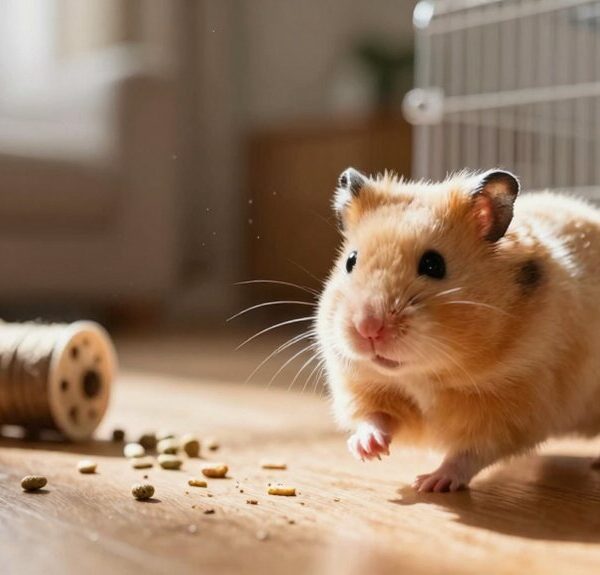
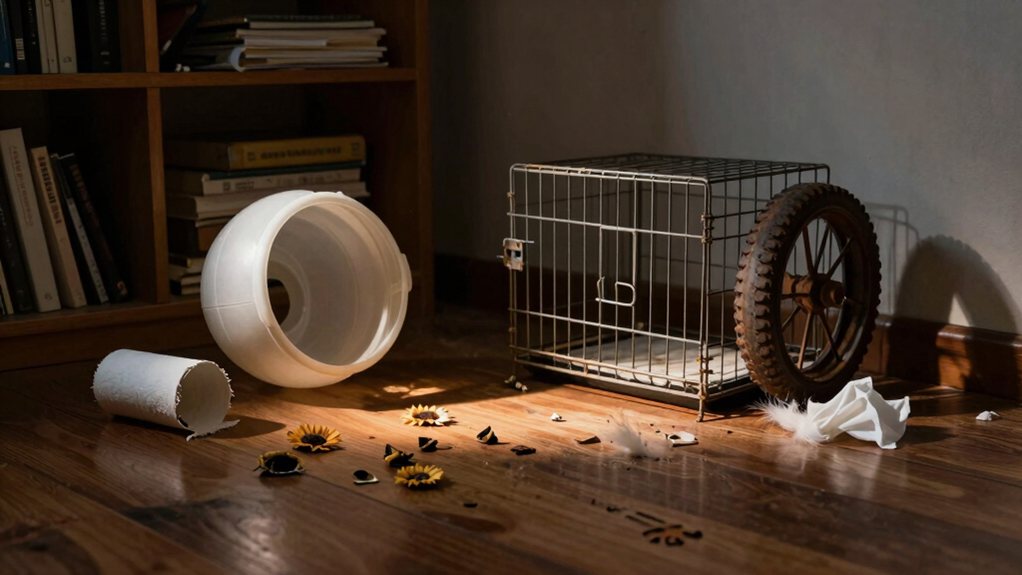
You scoop up hamster droppings a few times a week with a small tool or tissue, especially near the food bowl or their favorite corner. They’re basically little pooping machines every 10–15 minutes when awake.
Use gloves and pet-safe wipes, keep things gentle, and don’t stress them out. Spot-clean often, use smart bedding like paper-based or aspen, and trust us, your nose will thank you later. Oh, and there’s a clever trick with litter boxes that makes cleanup way easier, just saying.
Spot-Clean Hamster Droppings Daily
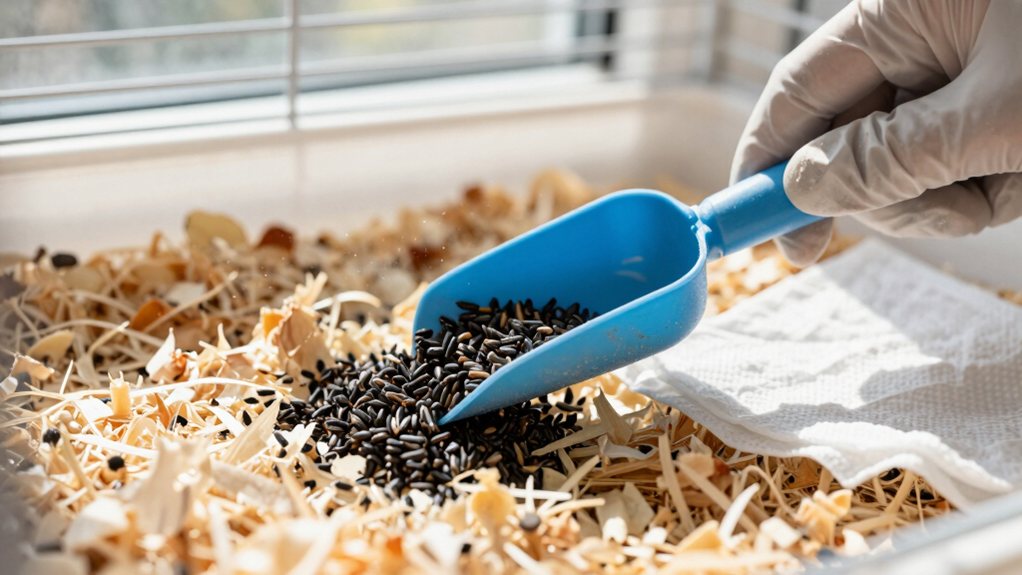
Okay, let’s get real for a sec. While you might *think* you should scoop up every little hamster dropping the second it appears, that’s actually not necessary or even helpful. Instead, spot-cleaning a few times a week is plenty.
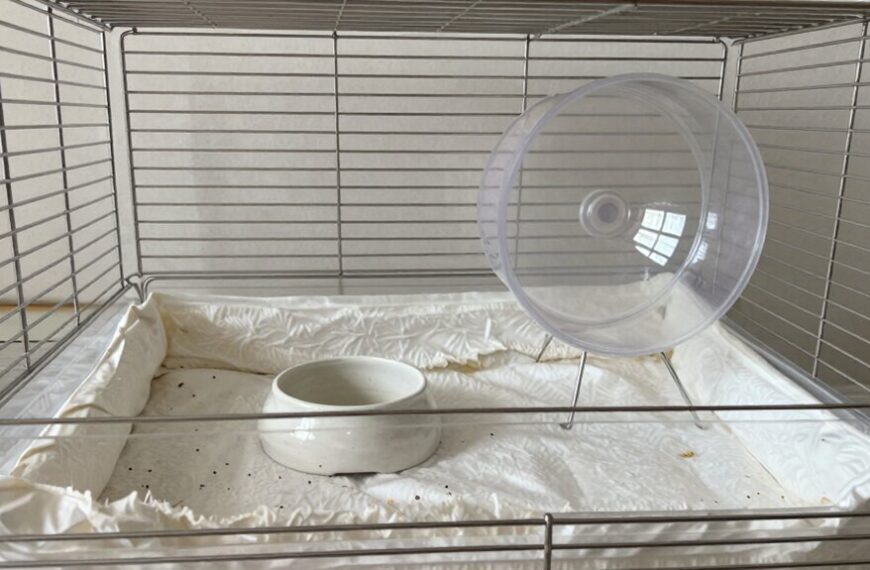
Just grab a small scoop or tissue and remove any clumped waste, especially near the food bowl or bedding corners. This keeps things fresh without stressing your little buddy.
Scoop clumped waste near the food bowl or corners with a tissue—quick, gentle, and keeps your hamster’s space fresh without the stress.
Plus, it’s a great chance to do quick waste tracking. Checking for changes in size, color, or smell can clue you in to health issues early.
Pair this with regular bedding rotation every few days to prevent odor and bacteria buildup. You don’t need to deep-clean daily. Hamsters aren’t messy by nature.
Think of it like tidying up your room. Just a little effort goes a long way. Keep it simple, stay consistent, and both you and your hamster will be happier.
A clean environment supports long-term hygiene and helps prevent health issues over time.
Gather Gloves, Scoop, and Pet-Safe Wipes
Before you plunge in, gear up like a hamster hygiene hero, because nobody wants a messy mission without the right tools. Grab a pair of disposable gloves; your hands will thank you later.
When it comes to glove selection, latex or nitrile works best—they’re tough on droppings but gentle on your skin.
Next, grab a small scoop or spoon you’ll use just for this job. Yes, hamster duty gets its own utensil.
Keep pet-safe wipes handy—they’re crucial for quick cleanups and avoiding harsh chemicals.
Wipe safety matters: never use household cleaners or baby wipes, as they can harm your little buddy.
Stick to vet-approved, fragrance-free wipes made for small pets.
With gloves on, scoop in hand, and wipes within reach, you’re all set.
You’ve got this—cleanliness has never felt so heroic!
A great option for safe, effective cleaning is using enzyme-based cleaners, which break down organic waste without leaving harmful residues.
Remove Droppings Gently to Avoid Stress
Now that you’re suited up with gloves, scoop, and pet-safe wipes at the ready, it’s time to get hands-on, well, glove-on, with your hamster’s daily cleanup.
Moving gently keeps your tiny friend calm and stress-free.
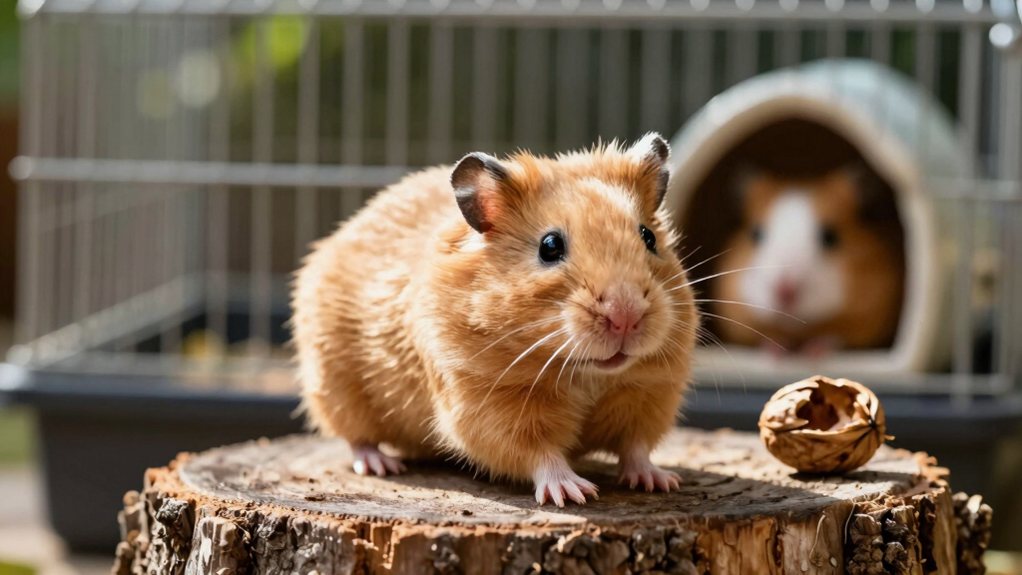
Move with soft hands and quiet care—gentle motions keep your hamster calm, safe, and happily at ease during cleanup.
Remember, hamsters are sensitive, so your handling technique matters more than you think.
- Approach slowly—sudden movements can startle your hammy.
- Scoop with care, respecting the bedding texture so you don’t disrupt their cozy setup.
- Speak softly—they may not understand words, but your tone soothes them.
A calm cleanup means a happier hamster, and a cleaner cage.
Think of it as spa maintenance: you’re the helpful assistant, not the scary vacuum monster.
With a light touch and mindful moves, you’ll keep both droppings and drama low.
Your little buddy will thank you with sleepy blinks and maybe a cheek-stuffed grin.
Clean the Poop Corner With Safe Disinfectant
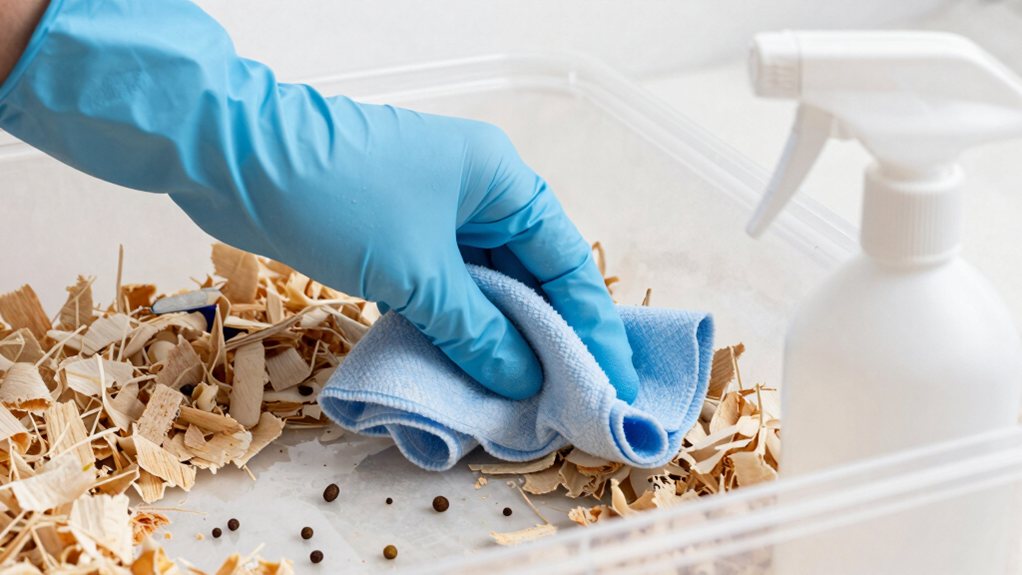
Why does that one corner always seem to smell like a tiny jungle after a rainstorm? Because your hamster’s chosen spot collects droppings, moisture, and yes, bacterial growth. But don’t worry, cleaning it doesn’t mean harsh chemicals. They can harm your little buddy.
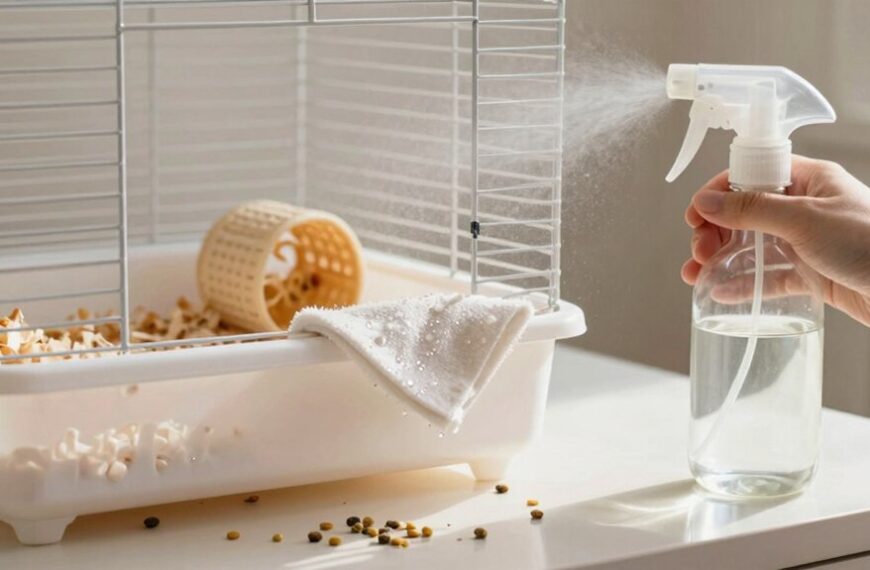
Instead, grab a safe disinfectant made with natural scents, like diluted vinegar or a pet-safe enzymatic cleaner. Spray it lightly, let it sit for a few minutes, then wipe with a soft cloth. This tackles germs without overwhelming your hamster’s sensitive nose.
And hey, your pet will thank you—probably with a cheek pouch full of sunflower seeds. Regular cleaning keeps bacterial growth in check and keeps the cage smelling fresh, not funky. Think of it as spa day—for the poop corner. You’ve got this, and your hamster’s health will shine because of it.
Enzyme-based cleaners break down waste at the molecular level, ensuring long-lasting odor control and a healthier environment for your hamster. Choose a product labeled as enzyme-based formula for best results.
Choose a Pet-Friendly Cleaner for Safety
Ever wonder what makes a cleaner truly safe for your hamster’s home?
You want your tiny buddy to stay healthy, not sneezing from harsh fumes or stressed by chemical cleaners.
Skip the bleach and strong sprays. Your hamster’s nose is way more sensitive than yours!
Instead, go for pet-friendly options that clean without the risk.
And never use abrasive tools. They can scratch surfaces and leave sharp edges.
Here’s how to keep it safe and simple:
- Choose cleaners labeled “non-toxic” and “pet-safe.”
- Test a small area first to make sure it doesn’t irritate your hamster.
- Stick to gentle wipes or soft cloths—no scrubbing with steel wool!
Your hamster mightn’t thank you in words, but their happy zoomies after cleanup?
That’s the real review.
Avoid products containing aromatic compounds as they can trigger respiratory irritation in hamsters.
Schedule Weekly Full Cage Cleanings
Most weeks, your hamster’s cage will go from cozy home to messy hideout faster than you can say “bedtime snack”. That’s why setting a regular schedule for a full clean is key, think of it as a weekly spa day, minus the cucumber slices.
Pull out all the old bedding and toss it. This is where bedding rotation really matters. Fresh bedding isn’t just comfy, it keeps odors down and your little buddy healthy.
While you’re at it, check the cage ventilation. Make sure airflow is good. No stuffy corners where yucky bacteria can party.
Wipe down surfaces with your pet-safe cleaner, then refill with new bedding and toys. Your hamster will thank you with happy zoomies.
Plus, weekly cleanings mean you catch problems early, like wet spots or chewed wires.
Stick to the same day each week, and soon it’ll be as routine as brushing your teeth. Well, almost.
A full bedding replacement helps reset bacteria levels and maintains a healthy environment for your hamster.
Use a Litter Box to Contain Waste
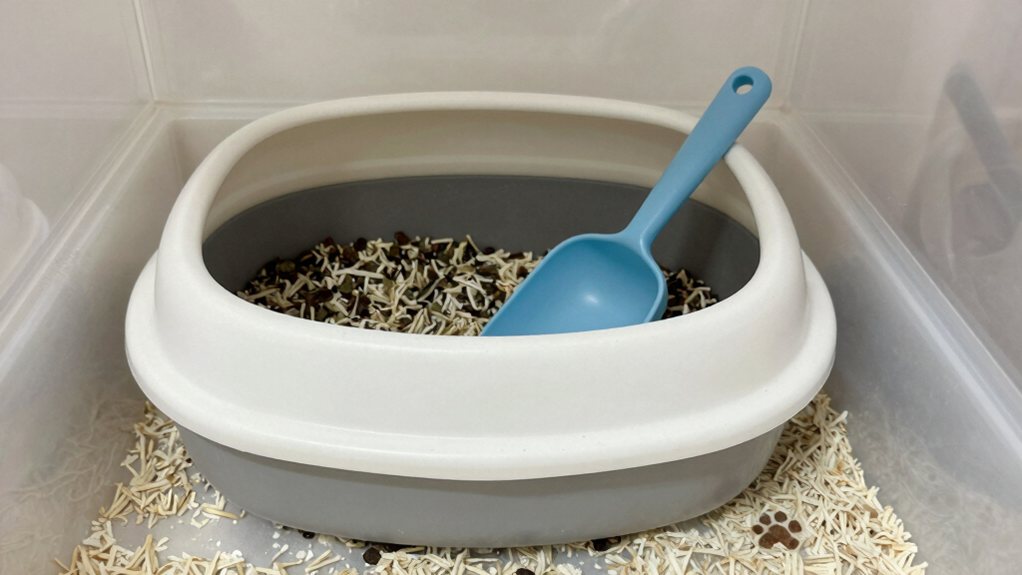
Keeping up with weekly cleanings sets a solid foundation. But there’s a smarter way to stay on top of the mess between deep cleans: enter the litter box. With a little litter training techniques and smart waste zone design, your hamster can learn to use a designated spot. Just like a tiny roommate with manners! Here’s how to make it work:
Turn your hamster’s favorite corner into a tidy potty spot—litter training makes cleanup easier and your tiny roommate a whole lot more polite.
- Place a small litter box in your hamster’s favorite corner. Chances are, they already have a preferred potty spot.
- Use paper-based litter. No clumping clay—it’s unsafe! And add a pinch of soiled bedding to encourage use.
- Be patient and consistent. Reinforcement works faster than scolding a stubborn furball.
You’ll cut down on daily cleanup and keep odors under control. Plus, it’s kind of adorable watching them “get it.” A little effort now saves you time—and nose-pinching—later.
Choose a litter box with non-porous materials to prevent odor retention and support long-term hygiene.
Prevent Odors With Smart Bedding Choices
While your hamster mightn’t be picky about where they go, you definitely care about how their cage smells, especially when you’re the one doing the cleaning.
The secret to better odor control starts with smart bedding choices. Not all bedding materials are created equal. Some trap smells, while others actually help neutralize them.
Paper-based or aspen shavings are great picks because they’re absorbent and naturally fight odors.
Avoid cedar or pine, since they can irritate your hamster’s lungs.
A thick layer of quality bedding absorbs moisture and keeps smells under control between cleanings.
Think of it like choosing the right air freshener, only way more important, because, well, poop.
With the right bedding, you’ll spend less time cringing at the stink and more time enjoying your tiny, messy friend.
Smart bedding means fresher air and fewer wrinkled noses. Win-win.
Kaytee CleanCozy Paper Bedding offers up to 14 days of ammonia-specific odor control, making it a top choice for maintaining a fresh habitat with less frequent cleaning.
Watch Poop Patterns for Cleanliness Cues
Ever wonder what your hamster’s droppings are trying to tell you? Paying attention to their poop isn’t merely about clean-up. It’s a peek into your pet’s digestive health and hamster behavior.
Your hamster’s droppings tell a story—about digestion, diet, and well-being. Watch closely; those tiny pellets are clues to a healthier, happier pet.
Changes in size, color, or frequency can be cleanliness cues that something’s up. Here’s what to watch for:
- Normal, firm pellets mean your hamster’s diet and digestion are on track.
- Runny or clumped droppings might signal stress or a tummy bug. Time to observe closely.
- No poop for over 24 hours? That’s a red flag. Your tiny friend may need a vet.
You’re not merely a caretaker. You’re a poop detective! Spotting patterns helps you act fast and keep your hamster happy, healthy, and less stinky.
A little observation goes a long way in tiny pet parenting.
Hamsters typically poop every 10 to 15 minutes during active periods, so consistent frequent pooping is a sign of a healthy digestive system.
Final Thoughts
You’ve got this! Spot-cleaning daily keeps things fresh and your little buddy happy. Just grab your gloves, scoop gently, and wipe things down—no stress for either of you. A pet-safe cleaner and smart bedding do the heavy lifting, while a litter box helps contain the chaos, yes, hamsters can be potty-trained—kind of.
Weekly deep cleans keep odors at bay. Watch those poop patterns—your hamster’s health is written in the litter. Stay on top of it, and you’ll both breathe easier—literally.