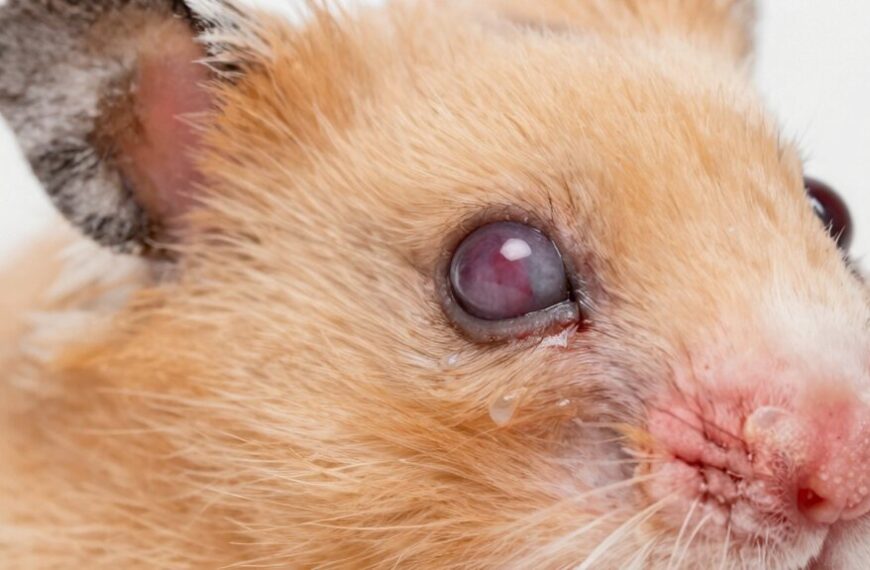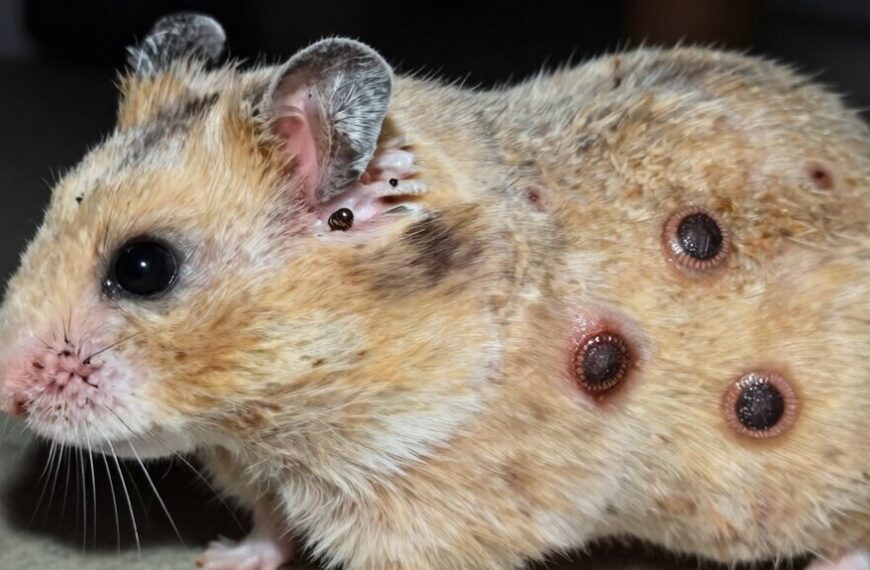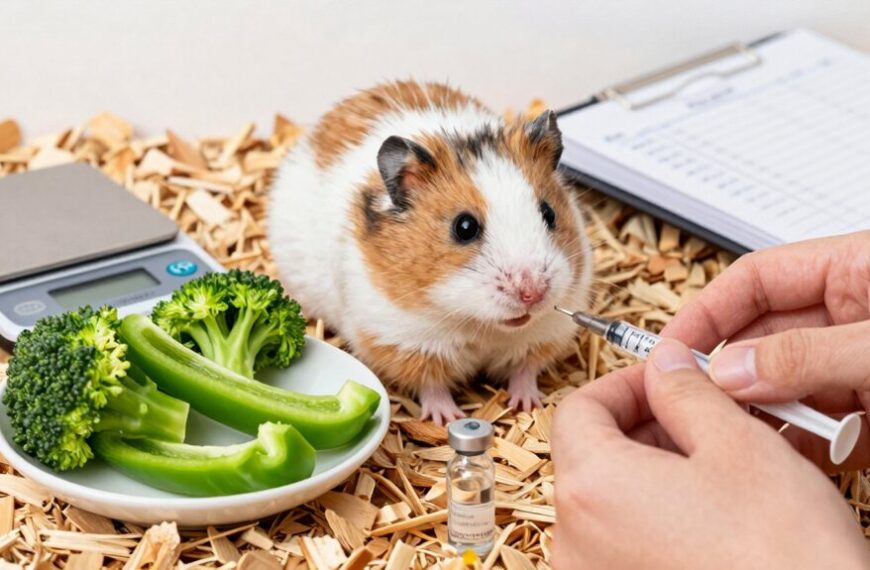
You know your hamster best, so trust your gut when things feel off. If they’re hunched, not eating, or grinding their teeth, they’re likely in pain.
Even your vet will tell you: when your little buddy stops zooming in their wheel or ignores their favorite treats, it might be time to talk about next steps. It’s not about age, it’s about comfort. And while no one hands you a manual for this, you’re not alone in figuring it out.
Watch for These Signs of Hamster Pain
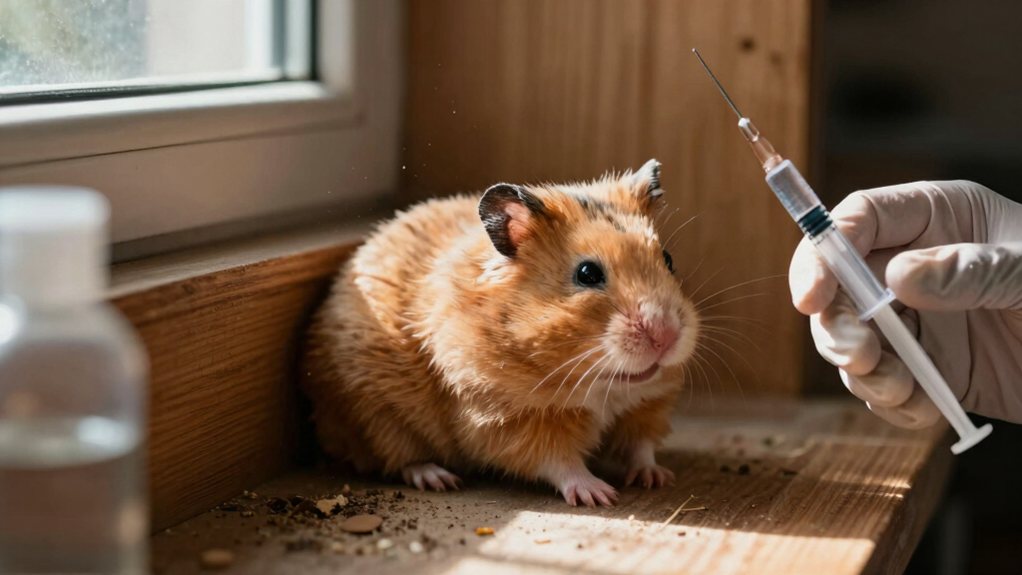
Ever wonder how your hamster might tell you they’re in pain without saying a word? Since they can’t speak up, you’ve got to tune into subtle shifts in hamster behavior.
If your once-bouncy buddy is now hunched, sluggish, or hiding more than usual, those are key pain indicators.
Maybe they’re flinching when touched, grinding their teeth (yes, really!), or neglecting grooming.
Hello, messy cheek fur! Loss of appetite or sudden grumpiness? Also red flags.
Think of it like your hamster’s version of a quiet “ouch.”
You know your little furball best, so trust your gut when something feels off.
While they’ll never hand you a complaint form, their actions speak volumes.
Spotting these signs early helps you get vet help fast because even tiny lives deserve big care and comfort.
A drop in activity level may also signal a “low battery” effect commonly seen in aging hamsters, where movement slows dramatically and normal routines like wheel running are skipped, indicating energy and activity decline.
How to Tell If Your Hamster Is Dying?
You’ve already learned how to spot when your hamster’s in pain, and that close attention might’ve you wondering, could things be getting worse? It’s tough, but watching for changes in hamster behavior can help you tell if your little buddy is nearing the end.
If your hamster stops eating, barely moves, or seems disoriented, these could be terminal symptoms.
No appetite, little movement, or confusion? These could be signs your hamster is nearing the end—trust your instincts and reach out to your vet.
Labored breathing, a hunched posture, or not responding to you’re serious signs.
You know your pet best. If their spark is gone, it might be time to talk to your vet. It’s not an easy thought, but sometimes love means letting go.
And hey, if they’ve been napping more than a teenager on a Sunday, that’s probably a clue too.
Stay calm, trust your gut, and lean on your vet’s advice. You’re doing your best—and that matters most.
Heart disease is the most common cause of death in aging hamsters, and it often progresses without obvious signs until it reaches a critical stage. Heart disease can lead to sudden decline despite prior appearances of health.
Watch for Weight Loss and Dehydration
A sudden drop in your hamster’s weight or signs of dehydration can be a real red flag, and catching it early might make all the difference.
Weight monitoring and hydration checks should be part of your daily routine when your little buddy isn’t acting like their usual self.
Hamsters hide illness well, so subtle changes matter.
- Check their water bottle: is it working? A dry sip could mean dehydration.
- Feel their scruff gently: if it doesn’t snap back, they might need fluids.
- Weigh them weekly: even a few grams lost can signal trouble.
You’re their hero, and yes, you *can* spot these signs.
Think of it like being a tiny detective with a big heart.
If they’re listless, skinny, or looking like a raisin, it’s time to call the vet.
You’ve got this—and they’re counting on you.
Is Your Hamster Still Enjoying Life?
How can you tell if your hamster is still savoring the little joys of life? Watch for signs like playful dashes in the wheel or curious sniffing around their cage. These are clues your little buddy might still enjoy their routine.
Play behavior, like tunneling or nibbling a treat with gusto, shows spirit.
Even quiet moments matter, like when they groom themselves or nap in their favorite spot.
Social interaction, though subtle, counts too. Do they still reach a tiny paw toward you or perk up when you talk?
It’s not about constant excitement, but small, happy habits.
If those moments are rare or gone, and your hamster seems withdrawn or indifferent, it might mean their quality of life has dipped.
Trust what you see and feel. You know your pet best.
When in doubt, your vet can help you weigh the signs with care and kindness.
Talking to Your Vet About Euthanasia
You know your hamster better than anyone, so if you’re starting to worry they’re not themselves, it’s time to call your vet and get some advice.
Look out for signs like not eating, trouble moving, or just seeming “done” with life. These can mean your little buddy is in real trouble.
When you chat with your vet, be honest about what you’re seeing.
Don’t be shy to ask about end-of-life options. They’re there to help you both through this tough time, one tiny paw at a time.
When To Seek Advice
When should you pick up the phone and call your vet about euthanasia? When your hamster’s behavior changes drastically, like refusing food, limping, or not moving much, it’s time to talk.
Don’t wait until things get worse. Even cage cleanliness can’t fix serious health issues. Your vet is there to help, not judge.
Notice your hamster hiding more than usual or not grooming? That’s a red flag.
Is your little buddy struggling to eat or losing weight fast? That’s vet-time.
When daily care no longer eases their pain, it’s okay to ask, “Is this fair to them?”
You’re not giving up. You’re being brave.
Think of it like helping them skip rush-hour traffic on the road to peace.
Your love matters most, and so does their comfort.
Signs Of Irreversible Decline
Seeing your hamster slow down can tug at your heart, especially when the little joys, like wheel-running marathons or cheek-pouching treats, start to fade.
When you notice signs of irreversible decline, it might be time to talk seriously with your vet.
Look for things like weight loss you can’t reverse, labored breathing, or a lack of interest in food. These can point to organ failure.
If your hamster stumbles, circles, or seems confused, that could mean neurological decline.
These aren’t just “old age” quirks. They’re signals your tiny buddy might be suffering.
You know your hamster best. If they’re no longer grooming or seem uncomfortable even when resting, trust your gut.
It’s tough, but asking for help shows love.
Your vet can guide you with kindness, because sometimes the most caring choice isn’t more treatment, but peace.
Discussing End-Of-Life Options
What do you do when the vet says there’s no fix, no magic pill, and your hamster’s spark has dimmed for good? It’s gut-wrenching, but talking honestly with your vet helps you make a kind choice.
Euthanasia isn’t giving up. It’s love in its truest form.
Ask your vet to walk you through the process so you know what to expect.
Calm, painless, and quick.
Discuss hamster burial options or if you’d like a pet memorial, like a tiny keepsake or drawing.
Trust that you’re doing right by your little buddy, even if your heart aches.
It’s okay to cry, to laugh at silly memories, or even joke about their endless wheel runs.
Grief and love go hand-in-hand.
You’ve given them a happy life. That’s something beautiful to hold onto.
What Happens During Hamster Euthanasia?
So, how does it actually go when it’s time to say goodbye to your tiny, squeaky buddy? Your vet will gently explain each step, offering emotional support while helping you stay calm.
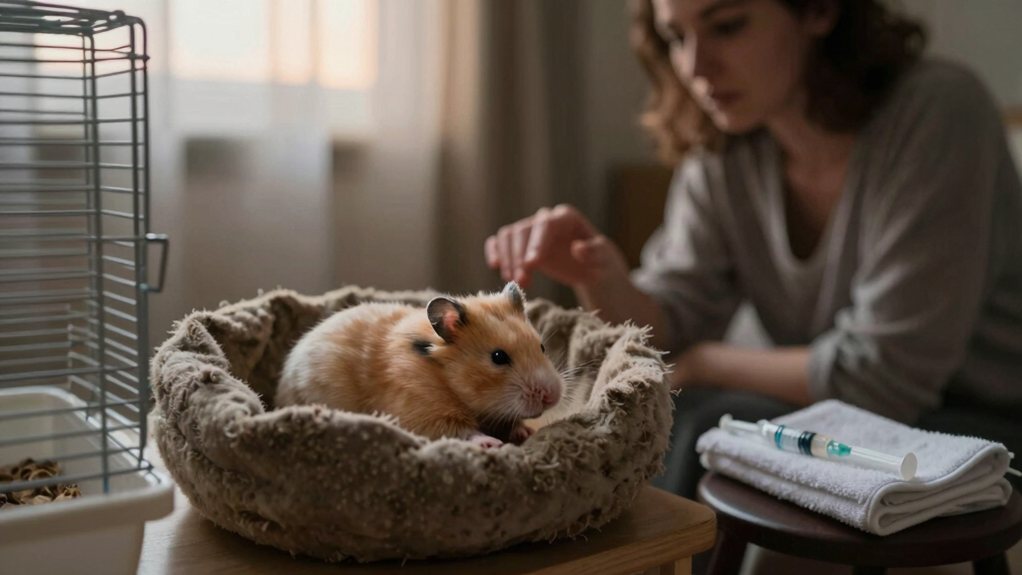
Most often, they use an injection that lets your hamster peacefully fall asleep. It’s quick, painless, and quiet.
A gentle injection helps your hamster drift into peaceful sleep—quick, painless, and quiet, just like their tiny, cherished life.
You can usually stay close, whispering sweet nothings or just holding the carrier. Your presence means the world.
Aftercare planning starts early. Some folks bury their little pals at home, check local rules. Others opt for cremation.
Either way, it’s okay to feel sad, even for a pocket-sized pet. They packed so much joy into such a small life.
And hey, if you laughed at their cheeky sunflower seed stash today, that’s good. Grief and giggles can walk hand-in-hand. You’ve got this. So did your brave little furball.
How to Decide When It’s Time to Let Go
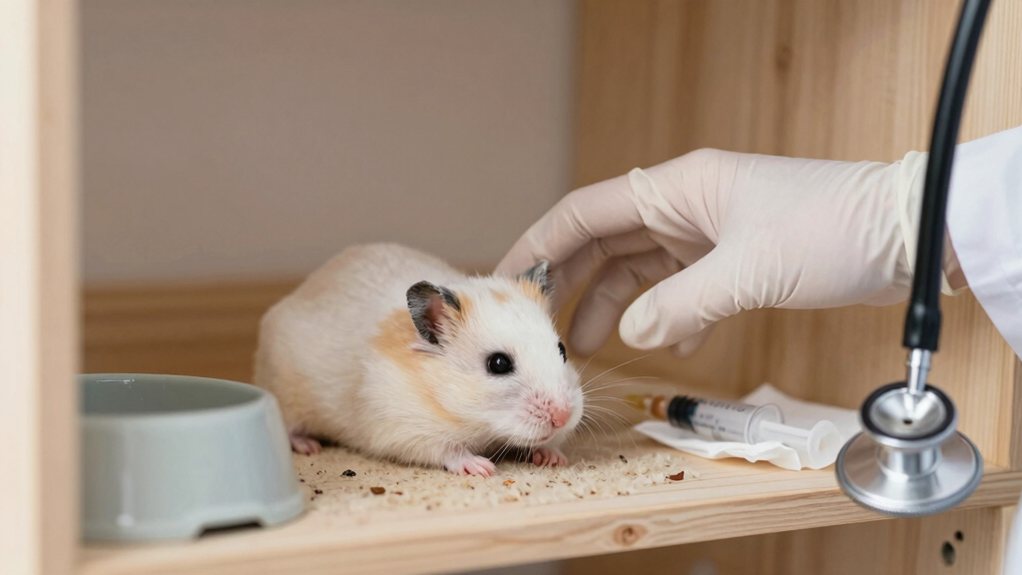
You know your hamster better than anyone, so if you’ve noticed they’ve stopped eating, can’t move like they used to, or just don’t seem like themselves anymore, it might be a sign things aren’t going to get better.
It’s tough, but talking to your vet can help you make the kindest choice, because sometimes love means letting go.
And hey, if you’re sitting there wondering if you’re overreacting, you’re probably not.
You’re just a caring pet parent doing your best.
Signs Of Irreversible Decline
Even if you’ve been hoping your little buddy might bounce back, there comes a point when the signs tell a different story. One you can’t ignore.
When your hamster shows signs of irreversible decline, it’s more than just about age. It’s about quality of life.
You might notice serious issues like organ failure or neurological decline, which can’t be reversed, even with the best care.
- Your hamster stops eating or drinking entirely, even when tempted with favorite treats
- It’s unsteady, wobbly, or can’t stand properly, possibly due to neurological decline
- There’s labored breathing, discharge, or bloating that doesn’t improve
These aren’t just rough patches. They’re red flags.
While it’s tough to accept, recognizing these signs helps you protect your pet from suffering.
You’re not giving up. You’re choosing kindness.
And your vet can help confirm when it’s truly time to say goodbye with peace and love.
Consulting Your Trusted Veterinarian
How do you know when it’s time to make that heart-wrenching call? When your hamster stops eating, hides constantly, or moves stiffly, these changes in hamster behavior can signal serious decline.
You’ve tried love, cozy bedding, and gentle care. But sometimes, that’s not enough.
This is where your vet steps in. A trusted veterinarian can assess your little buddy’s quality of life and discuss pain management options honestly.
They’ll help you weigh comfort versus suffering with no judgment. Think of them as your partner in this tough decision.
It’s okay to ask, “Is he still enjoying life?” Vets get it. They love small pets too.
Bringing your hamster in one last time isn’t giving up. It’s showing up with courage.
Together, you’ll decide when it’s time to let go, with peace and dignity.
Coping After Saying Goodbye to Your Hamster
Losing a tiny friend can leave a surprisingly big hole in your heart, even if their life was short. It’s okay to feel sad, your bond was real, and your grief support starts with simply acknowledging that.
It’s okay to grieve your tiny friend—the bond was real, and healing begins with honoring that love, no matter how brief it was.
Emotional healing takes time, and everyone moves at their own pace.
Create a small memorial, like a photo frame or a doodle in your journal. It helps honour your little buddy.
Talk to someone who gets it, whether a friend, family member, or an online hamster-loving community.
Let yourself smile at silly memories, like the time they stuffed their cheeks like a tiny pastry chef.
You don’t have to “get over it” fast. Grief isn’t linear, especially for such a lively little soul.
With kindness to yourself, healing happens — one quiet moment, one chuckle, at a time.
Final Thoughts
You know your hamster best, and it’s okay to feel torn. When the good days are rare and your little buddy isn’t bouncing back, it might be time to say goodbye with love.
Talk to your vet. They’ll help you make a kind choice. It’s not easy, but you’re doing right by your tiny friend. And hey, even heroes in tiny cages need peace. You’ve got this.