Change your hamster’s sand once a week to keep it fresh and inviting, but scoop out wet or dirty spots every few days. Think of it like tidying up a tiny sandbox before it turns into a swamp.
If the sand clumps, stinks, or gets discolored, swap it out right away. Clean sand means a happy, healthy hamster who’ll actually want to roll and dig instead of side-eyeing their messy playground.
Stick to dust-free, non-clumping sand, and you’ll cut down on cleanups while keeping things safe. Oh, and your nose will thank you. Trust us, there’s more to keeping that cozy burrow fresh than you’d think.
How Often to Change Hamster Sand
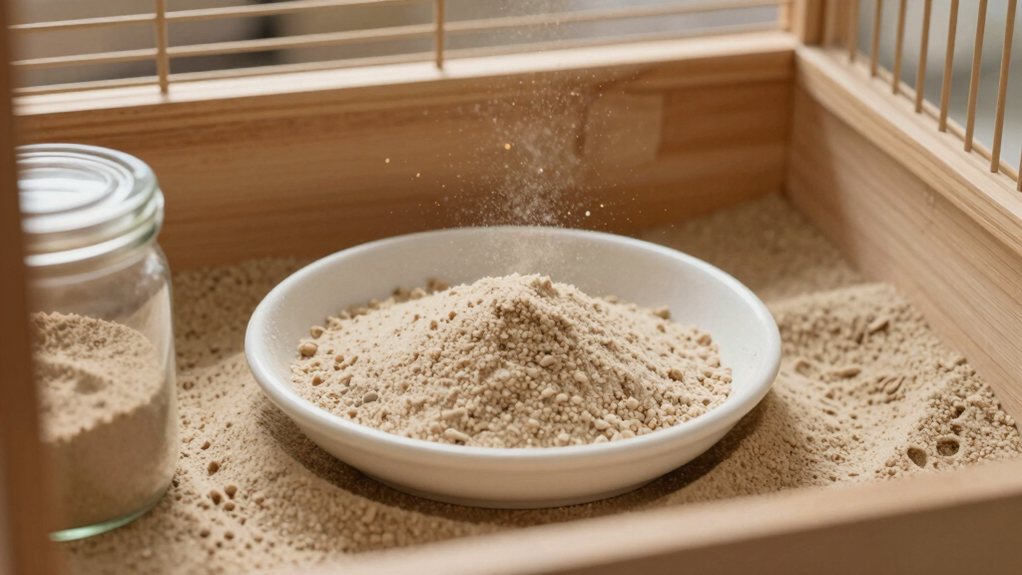
Now and then, you might catch a whiff of something less than fresh coming from your hamster’s sand bath, and that’s your cue. It’s time to change it.
A whiff of something off from the sand bath? That’s your sign—time for a fresh refill to keep your hamster happy and healthy.
Most of the time, swapping out the sand once a week keeps things clean and comfy.
But if your little buddy’s been extra busy digging or using it as a bathroom, you might need to do it more often.
Keep an eye on the sand texture. If it’s clumpy or looks dirty, don’t wait.
Fresh sand feels loose and dry, which hamsters love to roll in.
Changes also help you monitor hamster behavior.
A sudden disinterest in the sand bath could mean it’s time for a refresh or a vet check.
Think of it like changing socks: nobody likes stinky ones.
A quick scoop and refill takes minutes but makes a big difference.
Your hamster will thank you with happy digs and playful zoomies.
Using dust-free sand helps maintain respiratory health and keeps the habitat cleaner between changes.

6.6 LB Natural Desert Sand: Our 100% natural sand are safe and healthy for your pets. This hamster bath sand can help your small pets wash, moisture & oil absorption.

Fine Silica Sand: Bath sand is one of the necessary hamster accessories. And silica sand is a type of sand commonly used in hamster sand baths. It is a natural and absorbent fine sand that helps remove excess grease and dust from the hamster's fur, removes dirt and odors from the body, and keeps the little pet dry and clean

Natural & Real Desert Sand - This small pets bathing sand with no-addon, designed for Hamsters, Gerbils, Degus, Mice, or other small-sized pets who need to take sandbaths regularly to keep their own clean & well-being
Why Clean Sand Matters for Health
You wouldn’t want to hang out in a dirty bathroom, so don’t make your hamster live in one either. Clean sand helps prevent nasty infections from taking hold.
Dry, fresh sand also keeps weird smells at bay, so your little buddy’s home stays fresh instead of funky.
A quick sand change every now and then is totally worth it for a happy, healthy hamster.
Clean Sand Prevents Infections
Every so often, that cozy sand bath your hamster loves can go from spa day to germ hotspot faster than you can say “tiny toilet emergency”.
When sand stays dirty, it’s more than gross. It’s a breeding ground for bacteria and fungi that can lead to skin infections, sore feet, or even respiratory issues if dust and ammonia from urine build up.
You wouldn’t nap in a trash pile, and neither should your hamster.
Think of yourself as their personal hygiene hero. Clean sand means fewer health scares and no surprise vet trips.
While hamsters don’t have natural predators in their cage, dirty sand might as well be one.
And forget using old sand for food storage. Yuck, no.
Fresh, dry sand keeps your little buddy safe, happy, and digging without danger.
Change it regularly, and you’ll both sleep better.
Dry Sand Reduces Odors
Fresh sand does more than keep your hamster’s skin and paws in top shape, it also keeps their home smelling like a pet, not a science experiment gone wrong.
When sand stays dry, it traps less moisture, which means fewer funky odors build up.
Damp sand? That’s a smelly party no one wants to attend.
Plus, dry sand keeps the texture just right, loose and fluffy, so your hamster can dig and roll without irritation.
You’ll also notice lower dust levels, which is great for your little buddy’s breathing.
No one likes a dusty sneeze-fest.
By changing the sand regularly, you’re doing more than fighting stink, you’re creating a cleaner, comfier space.
Think of it as a spa day that also saves your nose.
Spot-Cleaning vs. Full Changes: What’s Best?
So, how do you keep your hamster’s sand clean without going overboard? Great question! You don’t need to strip the whole cage every time. Spot-cleaning works wonders. Just scoop out wet or soiled patches every few days, especially near food or bathroom corners. This keeps odors down and respects your hamster’s routine.
Full sand changes? Do those every 1–2 weeks, depending on your pet’s habits and cage decoration setup.
Here’s what to keep in mind:
- Watch your hamster behavior—digging or avoiding spots can signal dirty sand.
- Remove soiled sand daily to prevent smells.
- Replace all sand during full changes to reset hygiene.
- Clean decor when changing sand to avoid hidden messes.
A little effort goes a long way. Your furry friend will thank you with happy squeaks!
Signs It’s Time to Change the Sand Now
If you spot wet clumps in the sand, it’s definitely time to swap it out, nobody likes a soggy spot, especially your hamster.
And if you catch a whiff of something less than fresh, trust your nose: that’s a clear sign the sand’s seen better days.
Don’t wait—your little buddy will thank you for a clean, cozy space to play and nap.
Wet Clumps In Bedding
Ever peek into your hamster’s cage and spot soggy little clumps that look more like mud than sand? Yeah, that’s a red flag. Wet clumps mean urine buildup, and that’s not merely gross, it’s a health risk.
Damp bedding can lead to mold growth or even attract unwanted houseguests like mites or other pests, aka insect infestation. Yuck.
Don’t wait for a science experiment to start in there. Here’s what to watch for:
- Clumps that stick together like wet soil
- A strong, sour smell near the bedding
- Visible discoloration or dark spots
- Your hamster avoiding that corner altogether
If you see any of these, it’s time to scoop or change the sand now.
Fresh, dry sand keeps your little buddy happy, healthy, and digging like a pro. And seriously, your nose will thank you too.
Unpleasant Odors Detected
What’s that smell, like something died in there or your hamster opened a tiny, unauthorized landfill? If your nose wrinkles the second you walk near the cage, it’s time to act. Unpleasant odors are a clear sign your hamster’s sand needs changing now.
These stinky odor sources usually come from pee spots, leftover food, or damp bedding you missed. When moisture lingers, it fuels bacterial growth, turning your pet’s paradise into a germ party. Yuck.
You don’t need a science degree to know that’s bad news for your little buddy’s health.
A fresh scoop of clean sand doesn’t just smell better—it keeps your hamster safe and happy. So don’t wait. Dump the old, add the new, and breathe easy knowing you’ve nipped stink and sickness in the bud. Your nose (and your hamster) will thank you.
Best Sand for Easy, Low-Maintenance Changes
The right sand can turn a chore into a breeze, so don’t just grab the first bag you see. Choosing natural sand and dust free options keeps your hamster healthy and your cleaning routine simple.
A good sand means fewer changes, less mess, and a happier pet (and owner!).
Here’s what to look for:
- Natural sand – Avoid dyes and chemicals; your hamster will thank you.
- Dust free options – Protect those tiny lungs and reduce mess around the cage.
- Clumping formula – Makes spot-cleaning a snap between full changes.
- Fine texture – Perfect for rolling and digging without irritating delicate skin.
Go for quality, and you’ll spend less time scrubbing and more time enjoying your little furball’s sand bath acrobatics.
Trust us—your future self (and nose) will be grateful!
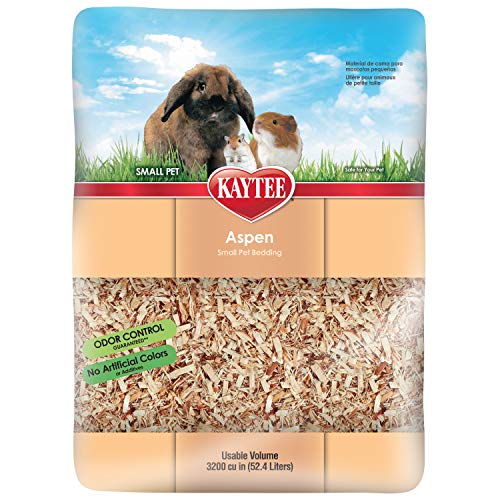

ODOR CONTROL for long-lasting freshness. Kaytee Clean & Cozy can be used with any type of habitat for a fresh animal home.
How to Change Hamster Sand Safely
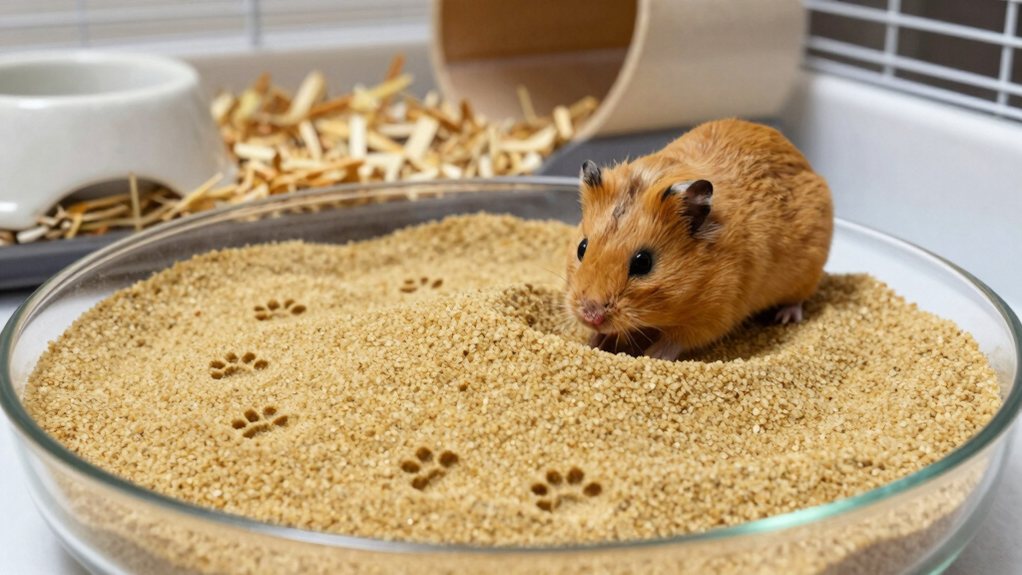
While your hamster might treat their sand like a personal spa, it’s up to you to keep it safe, without stressing out your tiny, whiskered friend. Start by scooping out soiled sand during weekly cleanings, watching for changes in sand texture that could irritate their delicate paws.
When doing a full change, gently guide your hamster into a secure playpen so they don’t bolt mid-scoop.
Use a soft brush to clean the cage corners, then refill with fresh, dust-free sand to support healthy hamster behavior.
Avoid scented or dyed sands. They might look fun, but they can upset your pet’s sensitive nose.
Make sure the new sand layer is even and level, so your hamster can dig and roll without trouble.
Stay calm and patient. Your chill vibe helps keep them relaxed.
A clean sand bath means a happy, healthy hamster, and that’s worth every careful scoop.
Mistakes That Speed Up Sand Contamination
Ever wonder why your hamster’s sand seems dirty just days after a fresh change?
You might be making a few common mistakes that speed up contamination.
First, overfeeding treats can leave sticky crumbs that attract bacteria.
Second, poor ventilation traps moisture and odors, turning clean sand into a smelly mess fast.
Third, using the wrong type of sand, like dusty or clumping varieties, can harm your pet and get dirty quicker.
Fourth, skipping spot-cleaning lets waste build up, spreading grime fast.
Here’s how to avoid the mess:
- Limit sugary or oily treats
- Choose a well-ventilated cage
- Use dust-free, non-clumping sand
- Spot-clean daily
Small changes make a big difference.
Your hamster will thank you with happy digs and fewer stink bombs!
Final Thoughts
You’ve got this! Changing your hamster’s sand isn’t just about cleanliness, it’s about keeping your tiny buddy happy and healthy. Spot-clean often, do full changes when needed, and watch for sneaky mess clues.
Pick the right sand, avoid common slip-ups, and your little furball will thank you with endless zoomies. Think of it as spa maintenance for your pint-sized pal, because nobody likes soggy sand!

Natural & Healthy Choice: Our premium hamster bath sand offers a safe and non-toxic bathing solution for your small pets. Made from 100% natural ingredients, this sand ensures unrivaled hygiene without causing harm to your furry friends.
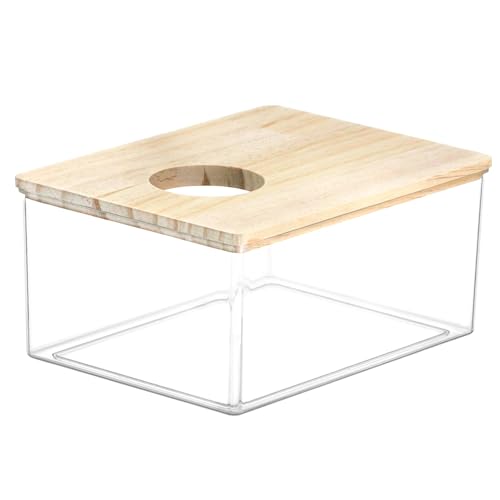
MATERIAL DETAIL:** Clear acrylic body with smooth edges and removable wooden lid for easy cleaning.

[Perfect Hamster Sand Bath Box] The circle sand bath box has ample space for hamsters to roll around in. It is recommended for dwarf hamsters, Syrian hamsters, gerbils, mice, chipmunks, and rats. With three colors to choose from, there will always be one that will suit your hamster cage style.