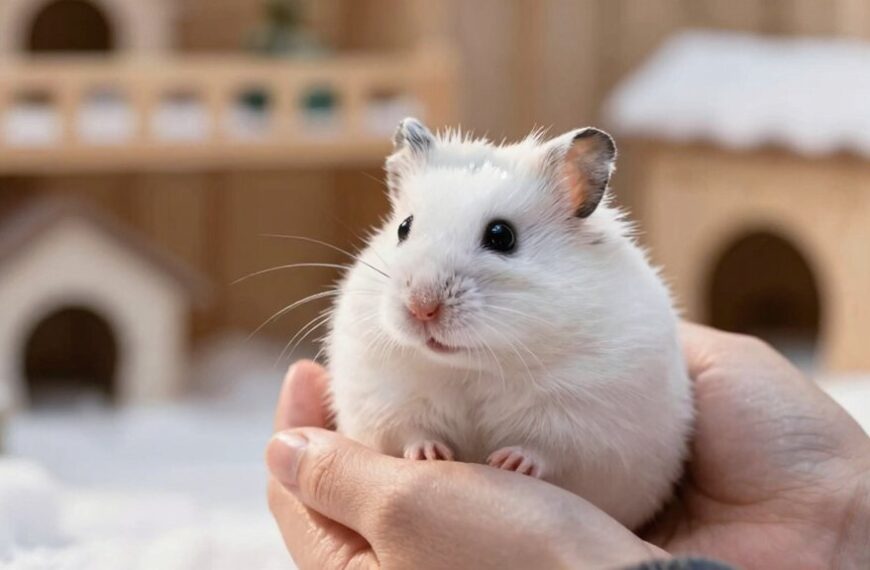
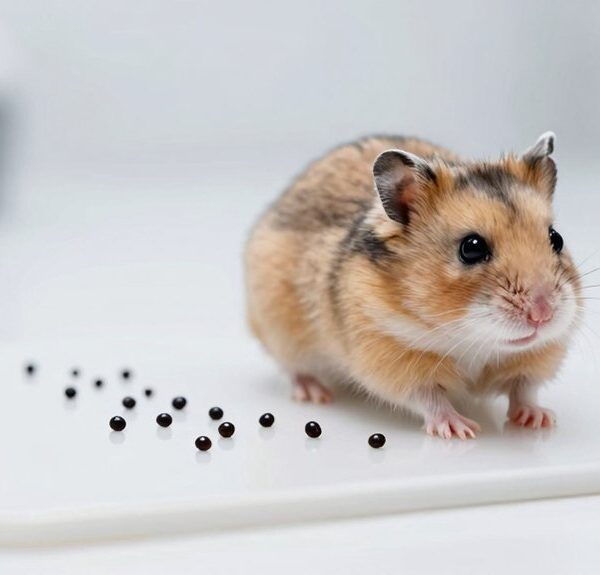
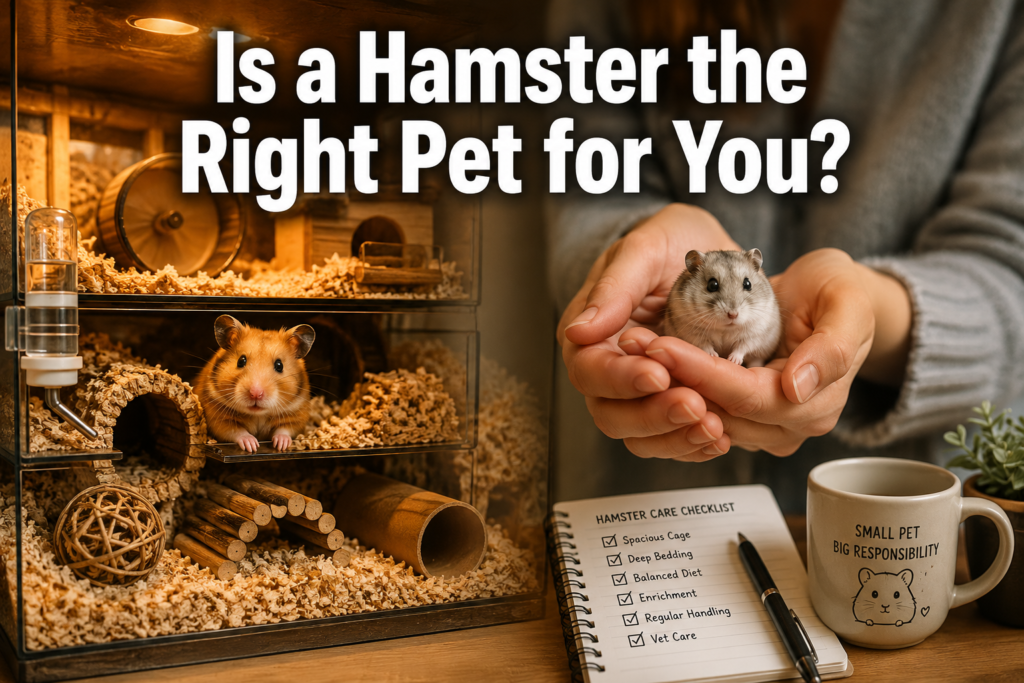
You can keep Roborovski hamsters together, but it’s a bit like setting up a tiny roommate situation. Sometimes they nap in cute piles, other times they bicker over food or space.
Siblings from the same litter have the best shot at getting along, especially if raised together. Even then, stress or fights can sneak in.
Set up a spacious cage with extra hides and food spots, and always watch their first meetups. You’ll want to know the signs they’re not clicking. It could save their tiny friendship.
There’s a smart way to try it, and we’ll show you how.
Can Roborovski Hamsters Live Together Safely?
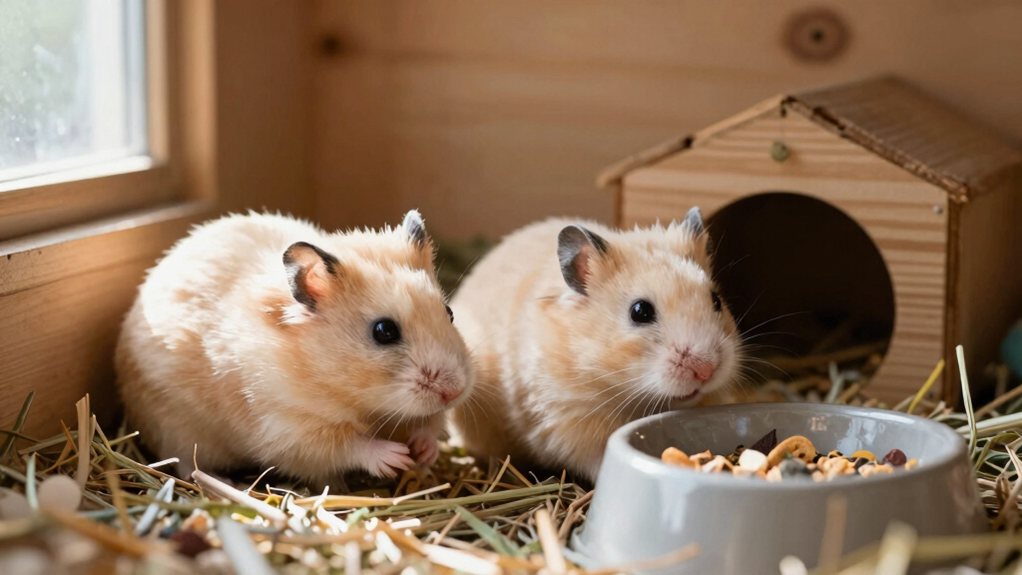
So, can Roborovski hamsters actually live together without turning your cozy pet setup into a tiny rodent reality show?
Well, here’s the deal: while they’re more social than other hamster types, cohabitation risks are still real.
You might see them grooming or sleeping close, cute, right? That’s their natural social behavior.
But don’t be fooled; they can turn territorial fast, especially as they grow.
Sharing a cage often leads to stress, sneaky bites, or full-on tiny tiffs.
Even siblings from the same litter might clash over space or food.
If you try housing them together, keep a close eye out.
Watch for chasing, squeaking, or one hamster dominating the hideout.
Honestly, it’s safer to go solo.
That way, you avoid drama and keep your little buddy calm and happy.
Think of it as giving them peace, not loneliness.
How to Introduce Roborovski Hamsters Without Fighting?
Ever wonder how to bring two Roborovski hamsters together without it turning into a tiny wrestling match? The bonding process takes patience, but it’s totally doable with the right steps.
Bringing two Roborovski hamsters together? Patience is key—follow the right steps and avoid the tiny wrestling matches.
Start slow and keep expectations realistic. These little furballs need time to sniff out their new BFF.
Always include playtime supervision to catch any squabbles before they escalate. Think of yourself as a tiny referee with a heart of gold.
- Swap bedding between cages so they get used to each other’s scent.
- Use a neutral space, like a clean bathtub, for first meetings.
- Keep initial sessions short, just 5 to 10 minutes.
- Watch for signs of stress or aggression, like chasing or biting.
- Gradually increase time together if they seem chill and curious.
With love, luck, and a watchful eye, your robo-pals might just become inseparable.
Which Roborovski Hamsters Get Along Best?
What makes some Roborovski hamsters best friends while others just can’t share a litter box?
Well, it often comes down to gender pairs and sibling bonds.
You’ll usually have the best luck keeping same-sex siblings together, especially if they’ve grown up side by side.
These little furballs form strong sibling bonds early, making cohabitation easier.
Opposite gender pairs? Big no-no unless you’re ready for a surprise hamster party, a.k.a. endless litters.
Even same-sex pairs can clash if introduced late, so keep an eye out for chasing or grumpy squeaks.
If they’ve been pals since weaning, though, they’re more likely to nap in a cuddle pile than throw down.
Think of it like roommates: some click instantly, others need their own space.
When in doubt, go slow and stay observant.
Your tiny duo will tell you what they need.
What’s the Best Cage for Multiple Roborovski Hamsters?

Now that you’ve got the scoop on which Roborovski hamsters are most likely to get along, like those sibling pairs who’ve been sharing snacks since day one, it’s time to talk setup. Giving your tiny roommates the right home is key to keeping peace in the kingdom. Here’s how to build a happy shared space:
Go big on cage size, think at least 450 square inches so they can zip around without turf wars.
Pick a bedding type like paper-based or aspen; skip cedar or pine, which can irritate their little lungs.
Include multiple hideouts so each hamster can claim their own “do not disturb” zone.
Add a few food bowls and water bottles to avoid snack showdowns.
Make sure the bar spacing is narrow, under ½ inch, so no Houdini escapes happen.
A well-ventilated cage with perforated design helps maintain fresh air and prevents respiratory issues.
A well-planned cage keeps your robo pals cozy, safe, and drama-free.
How to Tell If Your Roborovski Hamsters Are Fighting?
How can you tell when your pint-sized pals are having a real showdown instead of merely playing rough? Watch closely. Real fights go beyond playful chasing.
If you notice biting, especially around the ears or back, or one hamster is constantly fleeing, it’s not merely fun and games.
Biting around the ears or back, or one hamster always running away? That’s not play—it’s a sign of real conflict.
Dominance behavior is normal, but when it turns constant or one-sided, trouble’s brewing.
You might also see territory marking gone into overdrive.
Excessive scent rubbing or aggressive posturing near shared resources like food or bedding can be signs.
While some scuffles are expected, frequent aggression means they mightn’t be compatible.
Keep an eye out for fur loss or small wounds, which are red flags.
When in doubt, separate them gently and reassess.
Final Thoughts
So, can you keep Roborovski hamsters together? Well, sometimes. It’s tricky.
They *can* live in pairs if raised together from birth or introduced super young. Otherwise, fights happen fast. If you try it, watch them like a hawk and be ready to split them.
A big, smartly designed cage helps, but peace isn’t guaranteed. Honestly, most Robos do just fine solo. Happy, stress-free, and no drama. Less room for tiffs, more room for naps!