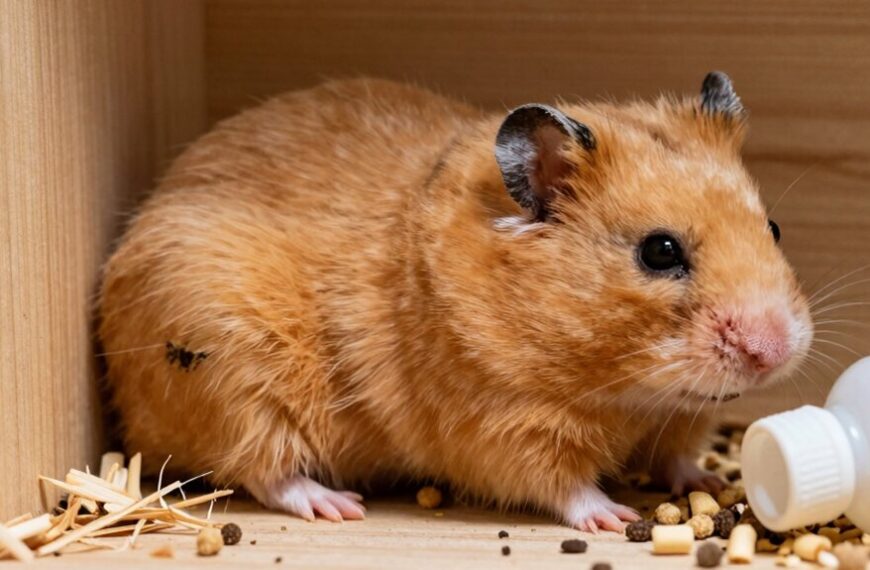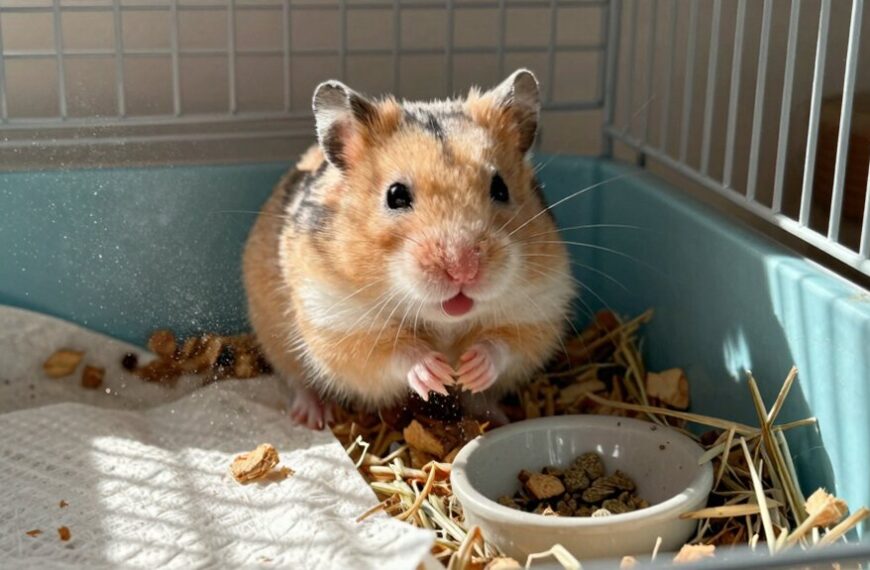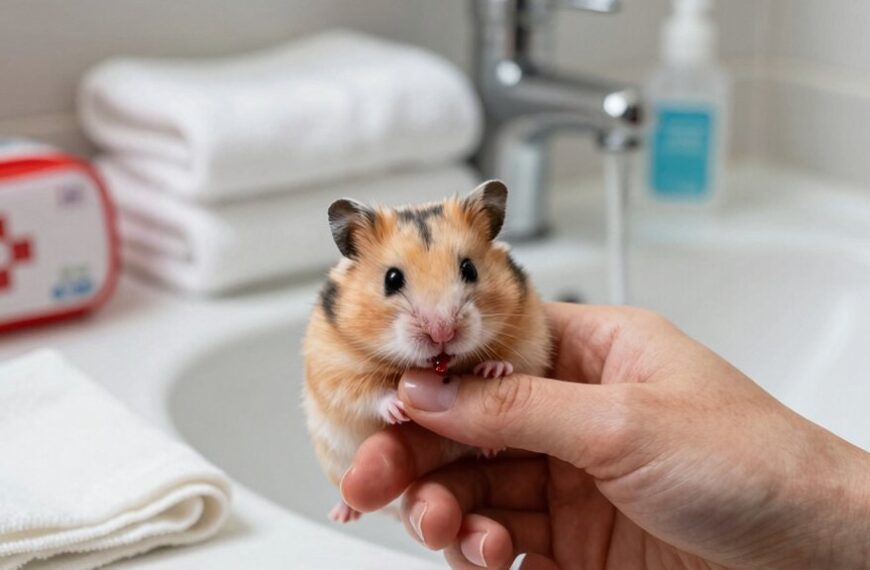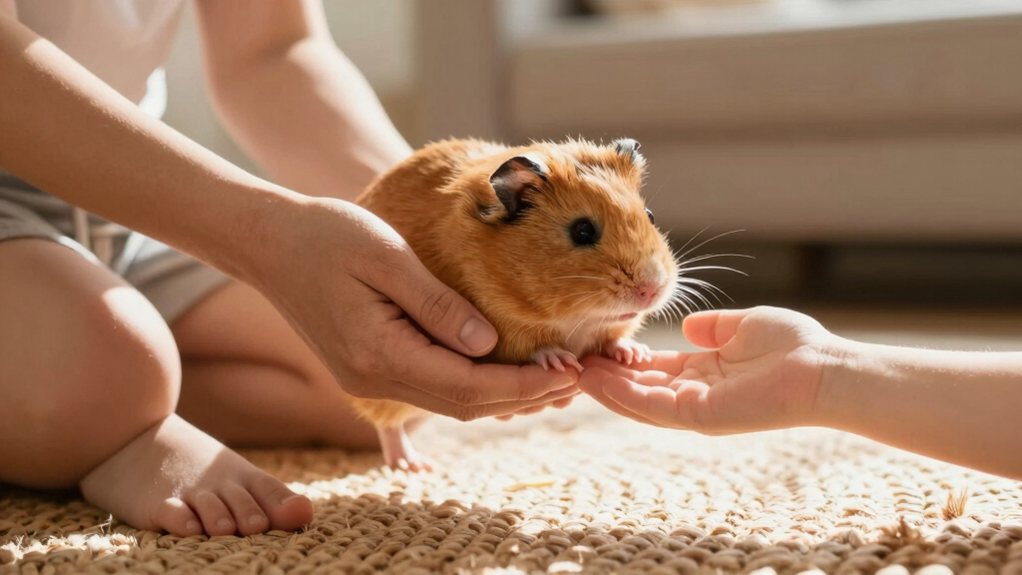
Not all vets see hamsters. Many stick to cats and dogs. So you’ll want to find one who loves tiny, furry patients like yours. Call ahead to check if a clinic treats small pets. Exotic vets are your best bet.
If your hamster’s acting sluggish, sneezing, or refusing treats, it’s time to act. They can handle dental issues, infections, and more. Early help makes a big difference. And hey, you’d be surprised what these little vets can do. Stick around to find out how to spot trouble and where to go when it counts.
Do All Vets Treat Hamsters?
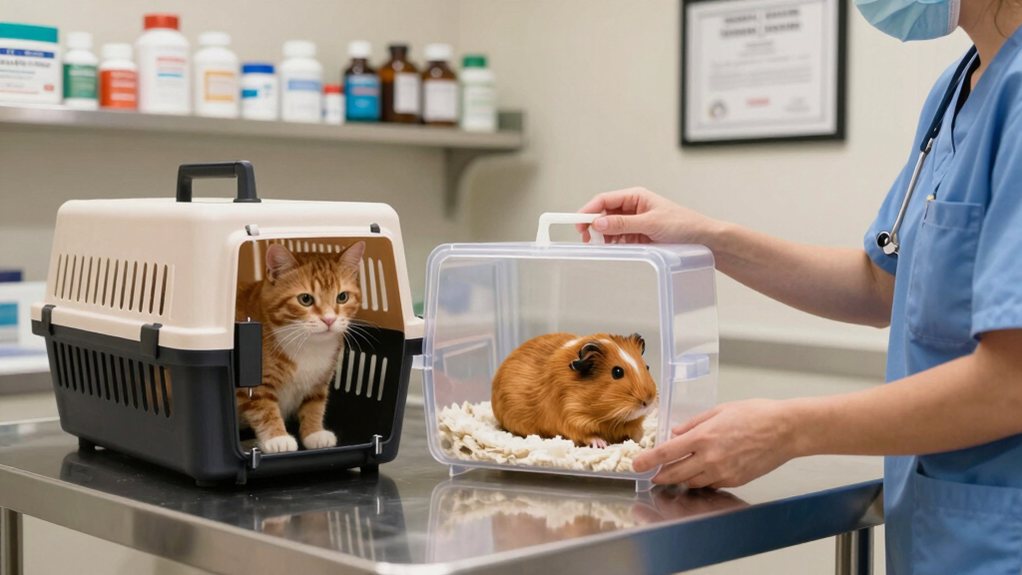
Ever wonder if your local vet can help when your hamster starts acting a little off? Not all vets treat hamsters, many focus on cats and dogs, leaving out small critters.
If your hamster needs help, look for a vet with exotic specialization. These animal pros are trained for pets like hamsters, guinea pigs, and reptiles.
Think of them as the superheroes of small, quirky pets. While your regular vet might offer basic advice, they may not handle emergency care for hamsters.
That’s why finding an exotic-savvy vet ahead of time is smart, like having a backup plan for tiny troubles. Don’t wait until your hamster’s doing a sad wheel-less spin.
A quick call to your clinic can save stress later. So, yes, help is out there! Just make sure it’s the right kind of help. Your pint-sized pal deserves expert care, even if they’re mostly busy stuffing their cheeks.

24 EXOTIC PET SYMPATHY CARDS, 4 DESIGNS (6 OF EACH): A rabbit, a parakeet, a ferret, and a snake - the pets every other sympathy pack forgets - each silhouette formed from watercolor florals. 24 matching envelopes included.

Used Book in Good Condition
When Should You Take Your Hamster to the Vet?
Now that you’ve found a vet who actually knows their way around a hamster wheel, congrats, by the way, it’s just as important to know when to make the trip.
If your hamster’s acting sluggish, sneezing, or suddenly ignoring their favorite treats, it’s time to call the vet.
Changes in hamster behavior, like aggression or constant hiding, can signal something’s off.
Also, check your cage setup.
Dirty bedding or sharp edges might cause injuries or stress.
Wet tail, overgrown teeth, or labored breathing? Don’t wait.
These aren’t “wait-and-see” moments.
Even if it turns out to be nothing, better safe than sorry.
Think of it like a tiny furry check-up, because let’s be real, they can’t tell you what’s wrong.
A quick vet visit could save your little buddy from a world of discomfort.
Stay alert, stay calm, and trust your gut.
Your hamster’s health is worth the drive.
Heart disease is a common cause of sudden death in older hamsters, especially when combined with organ failure.
What Happens During a Hamster Vet Visit?
So, what actually happens when you walk into the vet’s office with your hamster in a travel carrier? The vet gently examines your tiny friend, checking their eyes, ears, teeth, and fur for any issues.
They’ll ask about your hamster’s diet, like whether you’re giving them the right mix of pellets, veggies, and occasional treats.
Don’t worry, they won’t judge if you’ve slipped them a sunflower seed or two. Cage hygiene is another big topic.
The vet might quiz you on cleaning routines because a dirty cage can lead to health problems. They’ll also weigh your hamster and listen to their little heart.
If needed, they might suggest tests or treatments. It’s all pretty quick, and your hamster will be back in their cozy home before you know it.
Maybe even with a clean bill of health and a treat recommendation!
Where Can I Find a Hamster Vet Near Me?

Where do you turn when your pint-sized pal needs a checkup? Start by calling local clinics to ask if they treat small pets. Many vets only see cats and dogs.
But don’t panic! You can find hamster specialists with a quick online search. Try typing “exotic pet vet near me” or “hamster vet” in your area. These animal experts know their way around tiny teeth and even tinier hearts.
Some clinics even have vets who adore rodents so much, they’ll coo over your hamster like it’s a celebrity.
If you’re in a rural spot, you might need to drive a bit, but it’s worth it for proper care.
Keep a list of a few local clinics you trust—just in case Mr. Whiskers suddenly starts sneezing or running in circles.
And not the fun wheel kind. You’ve got this, pet parent!

ISBN13:9781338281446

Little pet cage:suitable for hamster, gerbil, guinea pig, chinchilla, squirrel, hedgehog and other small animals,small pet carrier

Natural freeze-dried ingredients - 9-in-1 Nutrient Party! Crunchy Fruit & Veggie Mix. 6oz blend of freeze dried cabbage, carrots, Pumpkin, Kiwi, Banana, etc. No artificial additives or preservatives for safe snackin
What Common Hamster Illnesses Can a Vet Treat?
Ever wonder why your hamster’s acting a little off, maybe sneezing like they’ve caught your cold or suddenly napping more than usual? Vets can help with that.
Respiratory infections are common, especially if their cage is drafty or damp, and your vet can prescribe meds to clear things up.
Drafty or damp cage? That could mean respiratory trouble for your hamster. Quick vet care and meds can clear it up before it gets worse.
You might also spot drooling or trouble eating. These are classic signs of dental problems.
Hamsters’ teeth grow nonstop, and if they get too long, it’s a real pain, literally.
A vet can trim them fast, and your little buddy will be back to gnawing on treats in no time.
Diarrhea, lumps, or fur loss? Yep, vets handle those too.
The key is catching issues early, so don’t wait until your hamster’s doing a sad impression of a sleepy potato.
A quick vet trip keeps your tiny pal happy, healthy, and full of zoomies.
Final Thoughts
You’ve got this! Finding a vet who treats hamsters might take a little legwork, but it’s worth it when your tiny buddy isn’t acting like themselves. Not all vets see hamsters, so call ahead: save yourself a trip.
When you do go, expect a quick but thorough check-up. From sneaky dental issues to mystery lumps, your vet’s got your back. After all, even small heroes need healthcare!

🐹【Hamster Chewing Toy Set】Hamster chewing toy made of natural wood, durable apple branches as molar tools for your pets, timothy grass cake rich in dietary fiber promotes digestion, rolling seaweed balls, wooden seesaws and swings, and extra long play pipeline and various fun toys can keep your little pet healthy and happy.

Chew for rabbits:can help small pets to grind their teeth and clean their teeth, providing them with dental care, it is very helpful,chew molar sticks