Your hamster isn’t being mean when they bite, they’re scared, surprised, or overwhelmed. Sudden moves, loud noises, or even the smell of snacks on your hands can trigger a nip.
Instead of scolding, stay calm and give them space. Build trust with soft talk, hand-fed treats, and letting them climb onto you when ready. Watch for warning signs like freezing or hissing.
A little patience goes a long way. You’re about to discover how simple it can be to turn those bites into buddy moments.
Why Your Hamster Bites: It’s Not Their Fault
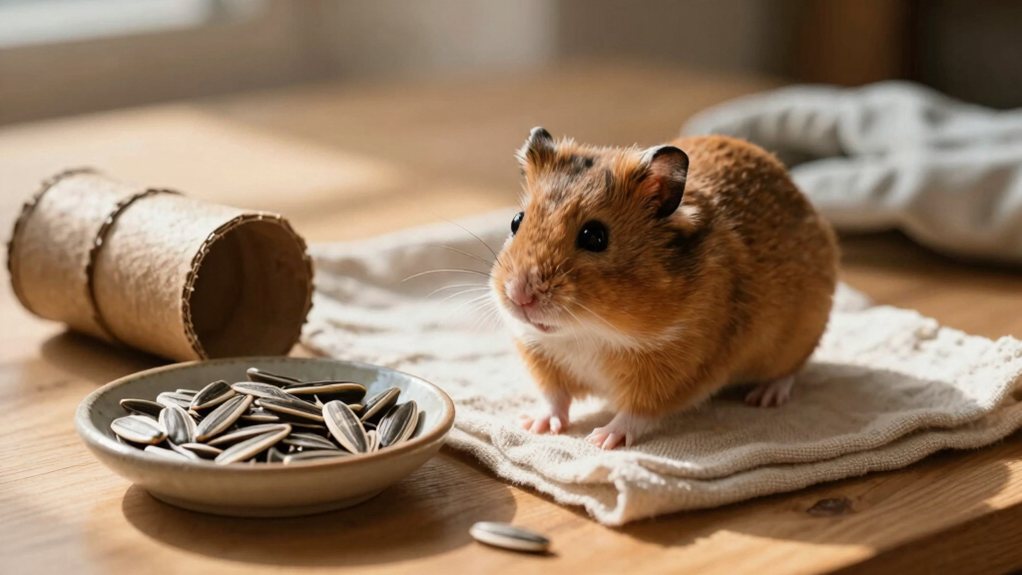
While your hamster might seem like a tiny grump when they nip at your finger, chances are they’re not trying to be mean. It’s just how they communicate. Hamsters don’t have words, so they use their teeth to express fear, surprise, or discomfort. Think of it like a dog barking at a stranger. It’s instinct, not attitude.
Understanding hamster psychology helps you see these bites as signals, not attacks. Maybe your hand moved too fast, or they were startled from a nap. We’ve all been there.
Hamster bites aren’t attacks—they’re signals. A quick hand or a startled nap can trigger a nip. Patience and understanding go a long way.
The good news is that bite prevention starts with patience and trust-building.
Wash your hands before handling them. Your scent mixed with food smells can confuse them.
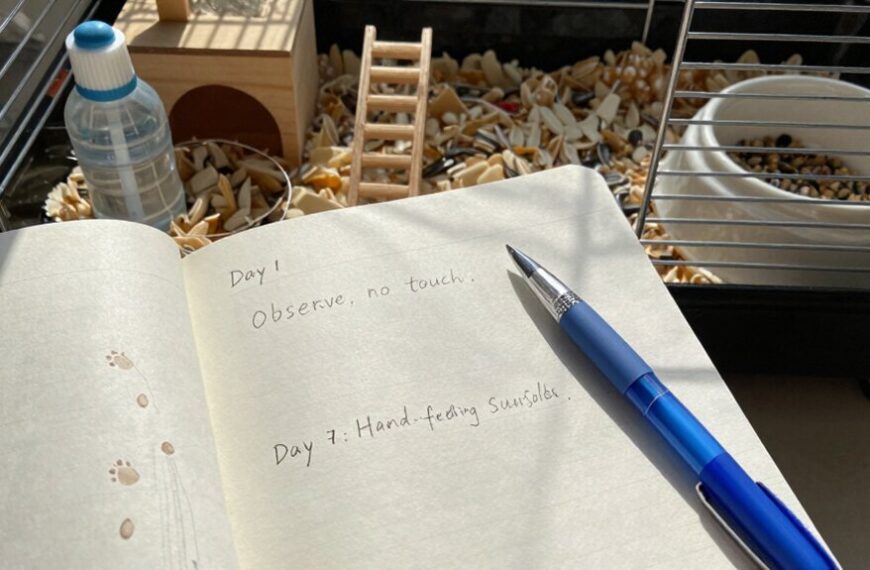
Spend time near their cage, talking softly, so they learn your presence means good things.
With time, love, and a few deep breaths on both your parts, those little nips will fade.
Hamsters may also exhibit stress through behaviors like over-grooming or chewing cage bars, which are signs of cage rage caused by lack of stimulation and space.
Calm a Stressed Hamster Without Touching Them
What’s got your hamster spinning like a tiny, furry tornado in their wheel? Stress could be the culprit. If your little buddy’s always in hamster hiding mode or acting jumpy, don’t rush to scoop them up. Sometimes, less touch equals more trust.
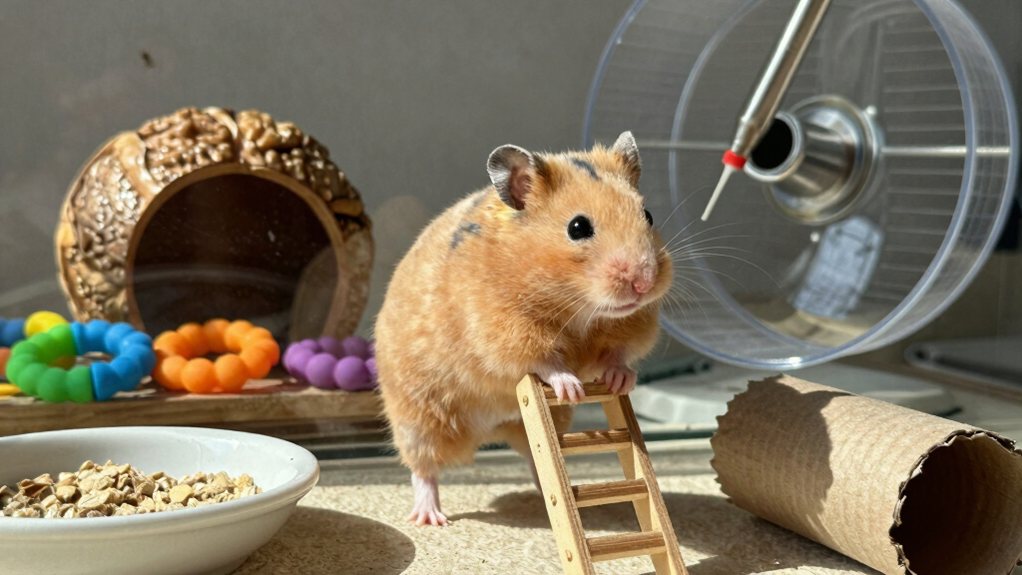
Start by giving them space and quiet time. Boost cage enrichment with tunnels, chew toys, and a cozy hideout to help them feel safe. A calm environment works wonders.
Lower the lights, reduce loud noises, and keep busy hands off for a bit.
Talk softly nearby so they get used to your voice without pressure. Think of it like giving them a mini spa day, no poking, just peace. You’re not ignoring them, you’re helping them heal.
Soon, that stressed-out furball might peek out, curious and relaxed. Patience isn’t boring, it’s brave. And your hamster will thank you with fewer nips and more nose boops.
A lack of mental stimulation can lead to compulsive behaviors like bar chewing, which is a sign of cage rage.
Learn the Warning Signs Before a Bite Happens
Ever wonder why your hamster goes from sweet pea to tiny ninja without warning,
One second they’re cuddly, the next they’re karate-chopping your hand—what changed?
It’s not magic: it’s body language cues you might be missing.
Learning the early warning signs can save your fingers and strengthen your bond.
Hamsters aren’t out to get you; they’re just tiny, jumpy creatures doing their best.
Pay attention, and you’ll catch the signals before things escalate.
- Freezing or stiffening – Your hamster suddenly goes statue-mode, eyes wide. That’s panic kicking in.
- Ears back or hissing – These are clear “back off” messages in hamster talk.
- Nipping or grooming aggressively – It’s not playtime; it’s a stress signal.
Spotting these early warning signs means you can step back and give space—no bites needed.
You’ve got this, hamster hero!
A bite from a stressed hamster is usually fear-based behavior rather than an act of aggression.
Let Your Hamster Come to You: Build Real Trust

You can’t rush friendship, so don’t shove your hand in the cage and expect a hug. Hamsters aren’t tiny, fur-covered robots.
Let your little buddy sniff you out first.
Maybe even ignore you for a day or two, and that’s totally okay.
When you stay calm and give them space, they’ll start to trust you on their own time, not yours.
Trust develops over time with patience, calm presence, and warmth—this is the foundation of a strong human-rodent bond. With consistent, gentle interaction, your hamster will begin to recognize you as safe, paving the way for trust development.
Let The Hamster Lead
How would it feel if someone kept poking you when you just wanted to be left alone?
Your hamster feels the same way.
Respecting their hamster independence isn’t just kind, it’s key to real trust building.
Letting your little buddy lead the way helps them feel safe, not startled.
- Let your hamster sniff your hand first—no sudden moves!
- Wait for them to climb on themselves. Patience wins every time.
- Reward brave steps with a tiny treat. Positive vibes only.
You’re not training a pet, you’re befriending a tiny roommate with strong opinions.
When you slow down and let them take charge, bites fade away.
They’ll start seeing you as a snack-bringer, not a threat.
It’s teamwork—with tiny paws and big trust.
A hamster that approaches voluntarily is showing signs of calm body language, indicating they feel safe and are building trust.
Offer Gentle Patience
Slowing down isn’t just a suggestion, it’s the secret handshake of hamster friendship. When you offer gentle patience, you’re telling your tiny buddy, “Hey, I’m not here to rush you.”
Let your hamster sniff, explore, and inch toward you on their own time. A calm approach goes a long way. No sudden moves. No hovering hands.
Sit near the cage daily. Talk softly. Maybe toss in a treat or two. Over time, they’ll start linking your presence with safety, not stress.
Remember, trust isn’t built in a day. It’s earned in quiet moments.
Think of it like making friends at a party where you’re both speaking different languages. Be the chill guest. Eventually, your hamster might just waddle over, curious and calm.
And when that happens? Pure victory. Gentle patience isn’t boring. It’s brave.
Reward Good Behavior: Never Punish
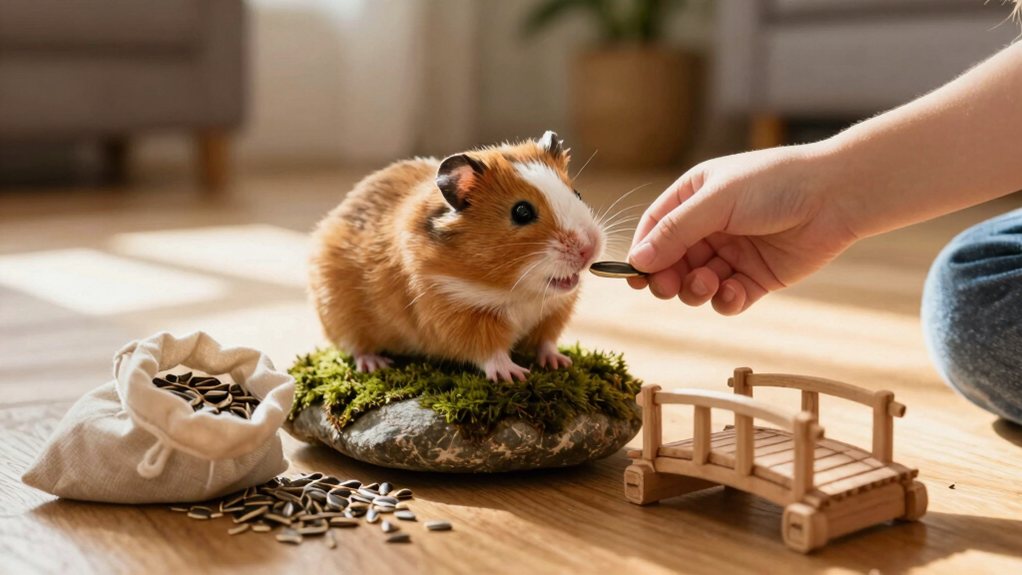
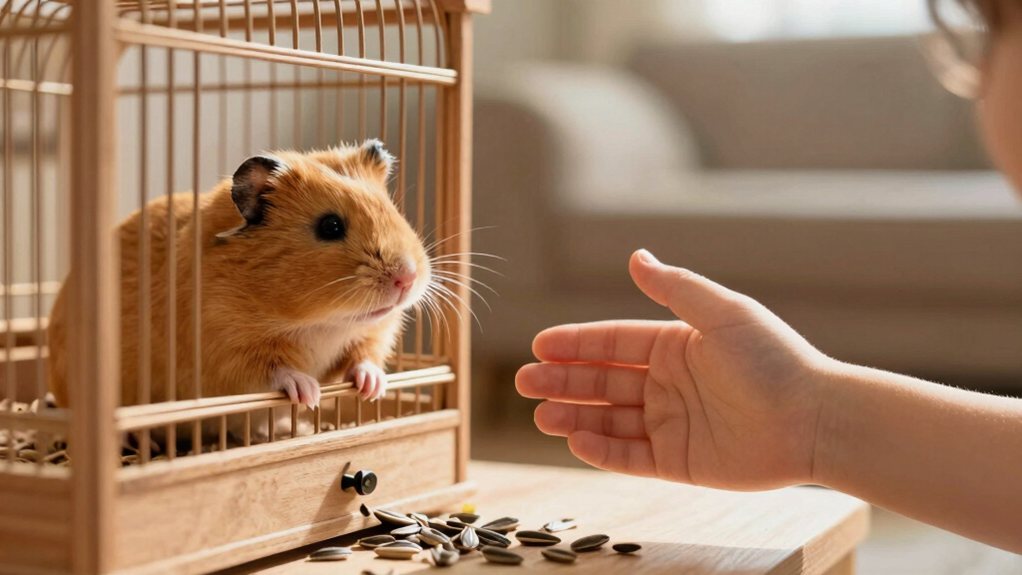
- Offer a sunflower seed when your hamster sniffs your hand without lunging
- Gently praise them in a soft voice when they climb onto your palm
- Stick to a daily handling schedule so they learn trust over time
Punishing your hamster only breeds fear. Nobody wants a scaredy-squirrel.
You’re building a friendship, not enforcing rules.
Stay patient, stay kind, and let the good vibes and treats do the talking.
Handle Your Hamster to Prevent Biting
You’ve got to handle your hamster gently, those tiny paws and twitchy noses mean they’re more nervous than a cat at a dog party. Always wash your hands first (no one wants to smell like snack time) and keep sessions short so your little buddy doesn’t get overwhelmed.
Over time, gentle touches and calm vibes build trust, turning bitey moments into sweet, snuggly ones.
Supervised playtime is essential for building confidence and reducing fear-based biting, so always ensure your hamster is in a safe space during handling sessions with constant supervision.
Gentle Touch Builds Trust
While your hamster might seem like a tiny escape artist with a grudge, getting those nips to stop often starts with something as simple as touch. Gentle handling builds trust and turns scary moments into bonding moments. Think of it as hamster therapy. Your calm hands tell them the world isn’t so scary.
Use positive reinforcement, like a treat or soft praise, to make each session something they look forward to.
Start with short sessions. Just a few minutes daily helps your hamster adjust.
Cup your hands softly, letting them explore without feeling trapped.
Watch their body language. If they freeze or back away, give them space.
Over time, your hamster will learn your touch means good things. It’s not about forcing cuddles. It’s about creating safe, happy interactions. With patience and a little love, those little nips will fade.
If a bite does happen, remember to immediately wash the bite with soap and water to prevent infection.
Wash Hands Before Handling
Because your hamster doesn’t know the difference between your fingers and a piece of leftover chicken nugget, washing your hands before handling is one of the easiest ways to avoid surprise bites.
You might think your hands smell fine, but to your hamster, that hint of peanut butter or pizza is a dinner invitation.
Practicing good hand hygiene removes tempting food scents and helps your pet recognize *you*—not a snack.
Over time, this builds scent familiarity, making your hamster feel safer around you.
Think of it as a mini reset button: clean hands, calm hamster.
It only takes a few seconds, but it makes a big difference in trust and bite prevention.
So, lather up before you scoop up.
Your little buddy will thank you—probably by not chomping on your thumb.
Short Sessions Reduce Stress
When your hamster feels overwhelmed, it’s way more likely to nip out of fear than hunger. Keeping your handling sessions short and sweet works wonders for building trust without the stress.
Short sessions aren’t merely kinder. They’re smarter for stress reduction and help your tiny buddy see you as safe, not scary. Think of it like speed-dating for hamsters—quick, positive, and no pressure!
Start with just 5–10 minutes daily so your hamster doesn’t get overstimulated.
Watch for signs of stress, like freezing or trying to escape—time to say “night-night”.
Gradually extend time as your pet grows more confident, but keep it chill.
You’re not merely preventing bites—you’re building a friendship. And honestly, who wouldn’t want a mini pal who trusts you enough to nap in your hand?
Handling your hamster during its active hours increases the chance of positive interaction, especially since hamsters are nocturnal behavior and most alert at night.
Reduce Noise and Distractions to Prevent Startle Biting
If your hamster suddenly nips at you out of nowhere, it mightn’t be mad. It could just be scared stiff by a surprise noise. Hamsters have super-sensitive hearing, so sudden loud noises like a slamming door or barking dog can send them into panic mode.
Even unfamiliar scents, like a new cleaner or someone’s strong perfume, can make them jumpy.
When startled, they might bite before they think. Kind of like how you’d scream if someone jumped out at you in the dark.
To help, keep their space calm and quiet. Move slowly when near their cage, and avoid loud music or chaotic activity nearby.
Think of it as creating a tiny zen den for your furball. Less chaos means fewer “attack mode” moments. You’ll both feel more at ease.
Plus, it’s way easier to cuddle a chill hamster than one ready to karate-chop your finger.
A TV with high volume can also trigger this fear response, as safe sound level for hamsters is much lower than typical household noise.
When a Bite Means a Vet Visit: Health Clues
- Swollen cheeks or drooling? That could mean overgrown teeth causing dental pain.
- Lethargy or weight loss? A hidden illness might be lurking behind those tiny eyes.
- Flinching when touched? Your little furball could be sore or stressed.
Don’t shrug it off. A quick vet trip can catch problems early.
You’re more than just a pet parent, you’re their hero in a hoodie. And hey, no more mystery ninja bites!
A hamster’s need to chew is tied to continuous incisor growth to prevent painful dental issues.
Train Your Hamster to Feel Safe With You
How does a tiny creature with whiskers and endless curiosity learn to trust a giant like you? It starts with patience and understanding hamster psychology. Your hamster isn’t being rude, it’s just scared or unsure.
Spend time near the cage daily, talking softly so your voice becomes familiar. Offer treats from your hand, letting them come to you. This builds trust and strengthens bonding techniques.
Avoid sudden moves, instead, move slowly and predictably. Let your hamster sniff your fingers before trying to pick them up.
Over time, they’ll link your presence with safety and snacks.
Remember, trust grows in tiny steps, not leaps. You’re not training a robot, you’re befriending a little explorer.
With calm consistency, your hamster will feel safe enough to chill on your shoulder. And hey, that’s a win worth celebrating, so you don’t scare them.
Final Thoughts
You’ve got this! Biting usually means your hamster’s scared, not mean. Stay calm, go slow, and let them set the pace. Reward tiny wins with treats and patience, just trust.
No punishment. Less noise, more quiet bonding. If something feels off, check with your vet. With time, those little nips turn into nose boops.
You’re more than stopping bites. You’re building a tiny, furry friendship. And honestly? That’s pretty sweet.