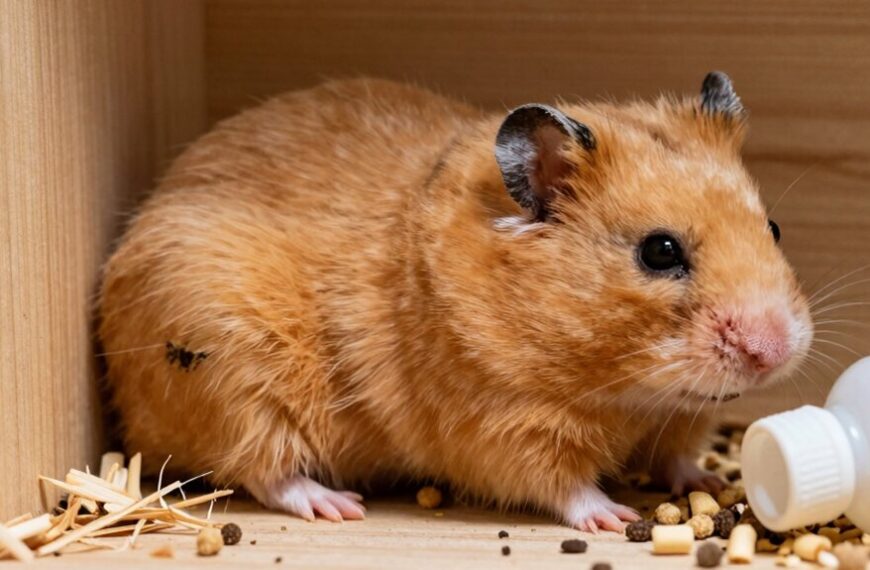
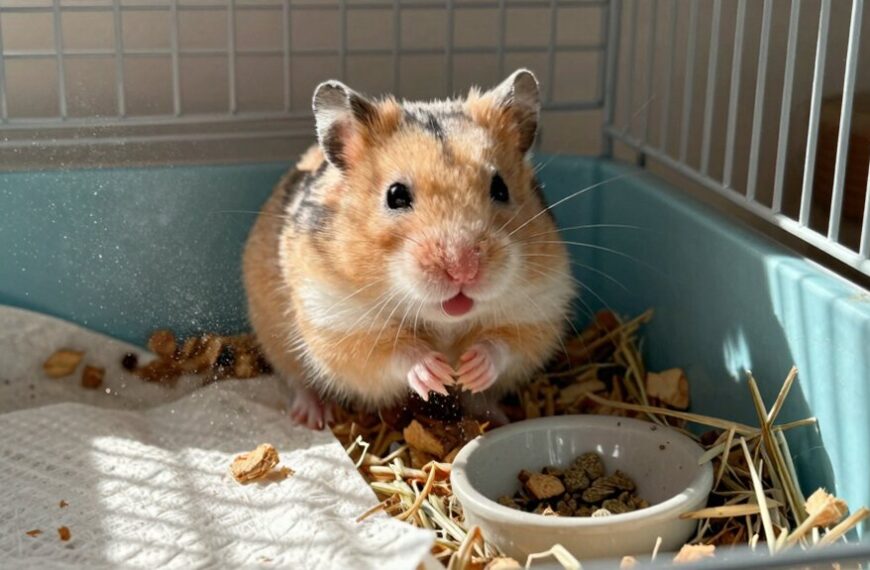
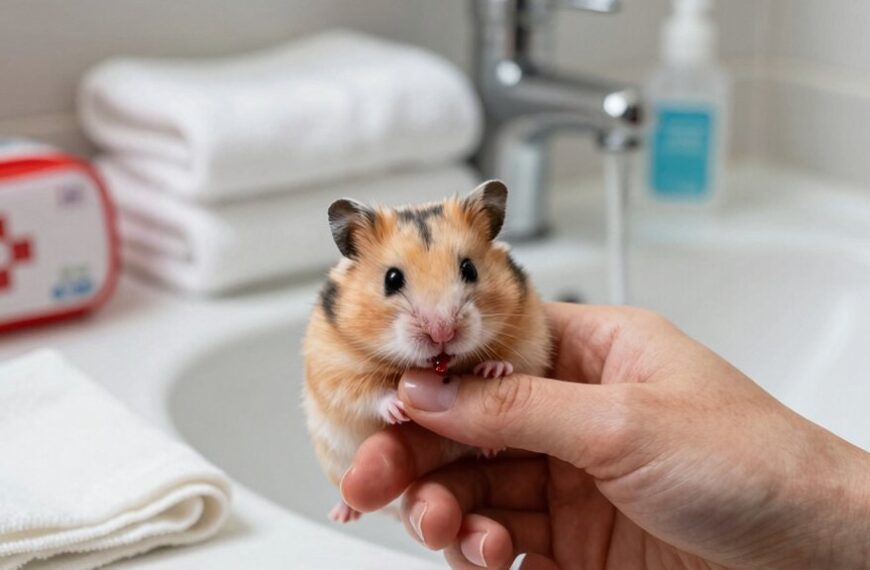
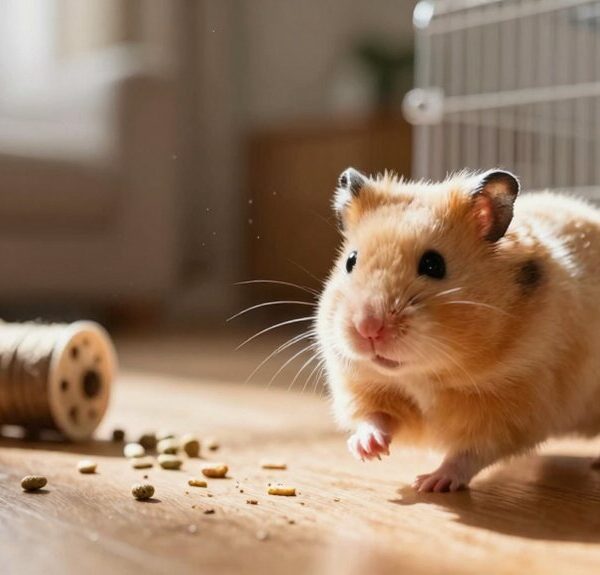
Your hamster’s biggest threat? Time. Old age is the most common cause of death, since most only live 2–3 years. Even with perfect care, their tiny bodies just wear out: heart, kidneys, liver give in.
They hide illness well, so you might miss subtle signs like slow movement or messy fur. Heart disease often strikes suddenly, sometimes in their sleep. And yes, genetics play a role, but so do little mistakes, like sugary treats or unsafe cages. You’ll want to know what those quiet changes really mean.
What Actually Kills Most Hamsters?
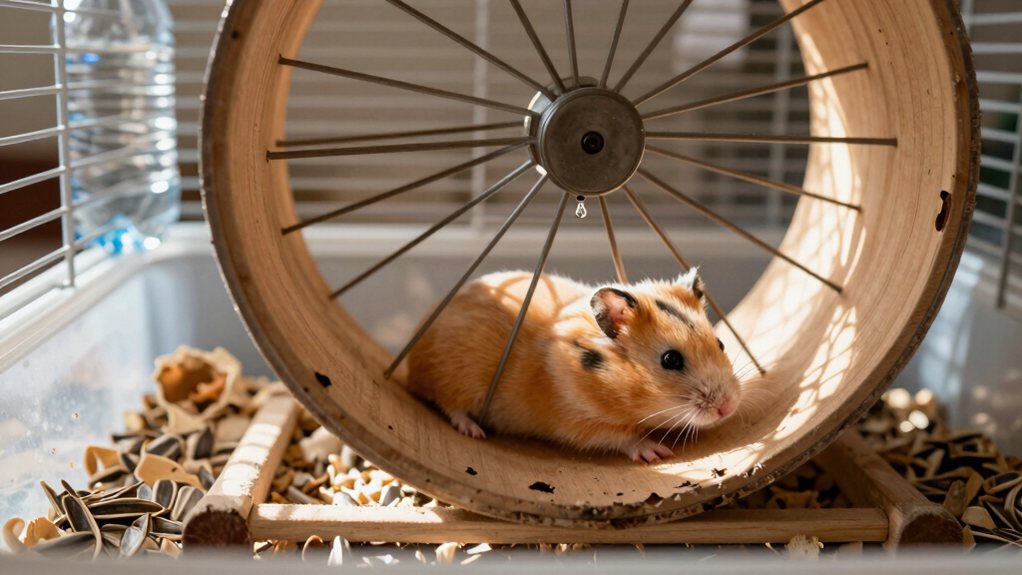
Ever wonder what sneaky little culprit is behind most hamster goodbyes? Well, it’s often old age. Hamsters typically live just 2 to 3 years, so time simply catches up with them.
But when it’s not Father Time, cancer symptoms and infection risks are usually the usual suspects. You might notice lumps, weight loss, or low energy.
Those could be signs of tumors, which are sadly common in older hamsters.
Infections, especially from dirty cages or tiny wounds, can also take a serious toll fast.
The good news? You’ve got control here! Keep their space clean, offer healthy snacks, and watch closely for any red flags.
Catching cancer symptoms early or reducing infection risks can make a real difference.
Sure, they’re small, but your love and care pack a big punch.
A leading cause of sudden death in young hamsters is wet tail, a severe bacterial infection that requires immediate veterinary treatment.
Old Age: The Leading Cause of Hamster Death
You can’t stop time, and neither can your hamster. Most live just 2 to 3 years, so old age hits faster than you’d think.
As they get up there in years, their little bodies start to slow down. Their organs gradually wear out like an old toy that’s seen one too many adventures.
It’s bittersweet, but knowing this helps you cherish every midnight wheel sprint and cheek-stuffed snack while they’re here.
Age-related health issues such as heart disease are more common causes of death than old age itself.
Natural Lifespan Limit
While your hamster may seem like a tiny bundle of endless energy, zipping through tunnels and stuffing their cheeks at lightning speed, they’re not built to last forever. Most hamsters live just 2 to 3 years, thanks to their genetic predisposition: basically, their bodies are programmed to age quickly.
Even with perfect care, clean bedding, and yummy treats, you can’t outsmart biology.
Environmental stress, like loud noises or cage mates who just won’t get along, can shorten their time even more.
But here’s the sweet part: you’re giving them a safe, cozy life full of sunflower seeds and wheel spins. That matters.
Think of it like this—you’re more than counting days, you’re making those days count.
So enjoy the midnight wheel marathons and the way they freeze when caught mid-nibble.
They may not stay long, but they’ll leave big, tiny-footed memories.
Gradual Organ Decline
As your hamster starts slowing down, napping more between snack runs and skipping midnight wheel sprints, it’s likely more than laziness—it’s the quiet, steady hand of old age. You might notice he’s not quite as bouncy during playtime or takes longer to finish his favorite treats. This age related decline is natural, even if it tugs at your heart.
Over time, his tiny organs, heart, liver, kidneys, just wear out from years of hard work. Organ failure often follows this gradual decline, becoming the most common cause of death in older hamsters. It’s not sudden, but a gentle fade, like a clock winding down.
You’ve given him a full, happy life, full of sunflower seeds and snug bedding. While it’s bittersweet, remember: he lived well. And honestly, he probably still judges your life choices—just more slowly now.
Heart Disease: Why It’s So Deadly for Hamsters
What makes a tiny heart beat so fast, and then suddenly stop? In hamsters, heart disease often strikes without warning, turning a lively little buddy into a still, silent bundle overnight. Their hearts are built for speed, but that rapid pace can lead to cardiac arrest, especially as they age.
You might notice your hammy getting tired faster or having brief arrhythmia episodes, wobbly heartbeats that disrupt the rhythm. These aren’t just hiccups; they’re red flags.
Unlike humans, hamsters can’t tell you they’re struggling, so you’ve got to be their detective. A quiet nap could be normal, or it could be the end. It’s heartbreaking, literally.
But knowing the signs helps you cherish every squeak and spin in the wheel. Love them hard, watch closely, and give them the coziest life possible, because every beat counts.
Early Signs of Hamster Heart Failure
You might notice your hamster isn’t zooming around the cage like usual, and that’s more than simply because they’re getting lazy.
If your little buddy seems extra tired and breathes heavily even while just sitting still, it could be a red flag for heart trouble.
Don’t panic, but do keep a close eye on them; catching these signs early can really make a difference.
Lethargy And Reduced Activity
Ever wonder why your usually zippy hamster suddenly seems more interested in napping than running on their wheel?
While hamsters are nocturnal and love their beauty sleep, a big drop in activity during their usual nighttime hustle could be a red flag.
If your little buddy skips the wheel, ignores treats, or chooses social isolation over snuggles, it might be more than just a lazy phase.
Lethargy and reduced activity often sneak in early when heart trouble starts.
You know how they usually go full speed at midnight? When that energy dips hard, it’s worth paying attention.
Think of it like your hamster’s way of saying, “I’m running on empty.”
It’s serious, but catching it early gives you a chance to help.
So if your furball’s acting more couch potato than hamster tornado, don’t shrug it off.
Your vet can help figure out what’s wrong.
Difficulty Breathing At Rest
Is your hamster suddenly taking dramatic pauses between nibbles, like it’s posing for a tiny nature documentary?
That could be more than just hamster drama.
It might be early signs of heart failure.
When your little buddy shows respiratory distress or labored breathing, even while resting, it’s time to pay close attention.
Here’s what to watch for:
- Open-mouth breathing – Not normal, even after a wild wheel sprint.
- Hunched posture – Like they’re bracing against invisible winds.
- Wheezing or clicking sounds – Tiny lungs working overtime.
These signs point to trouble, more than merely a bad hay day.
Respiratory distress in hamsters often signals heart issues creeping in.
While it’s serious, catching it early means you can make their days cozier.
Stay calm, stay close, and call your vet.
Your furball may not say “I’m scared,” but you can still give them comfort—one gentle breath at a time.
Do Genetics Affect Hamster Lifespan?
What if the secret to your hamster’s long life was written in their genes all along? Turns out, genetics really do play a role. Just like you might inherit your mom’s smile, your hamster can have genetic predisposition to certain health issues.
Some inherited traits mean a stronger heart, better digestion, or even a calmer temperament: all helpers in living longer.
But let’s be real: you can’t exactly check a hamster’s family tree for great-grandpa’s cause of death. Still, choosing a reputable breeder or pet store with healthy stock gives your tiny buddy a better shot.
Think of it like winning the lottery, but with fur and tiny paws.
While you can’t change their DNA, you can give them great care: fresh food, clean bedding, and lots of love. That combo? It’s the ultimate life hack for your little legend.
Accidents That Cause Hamster Death
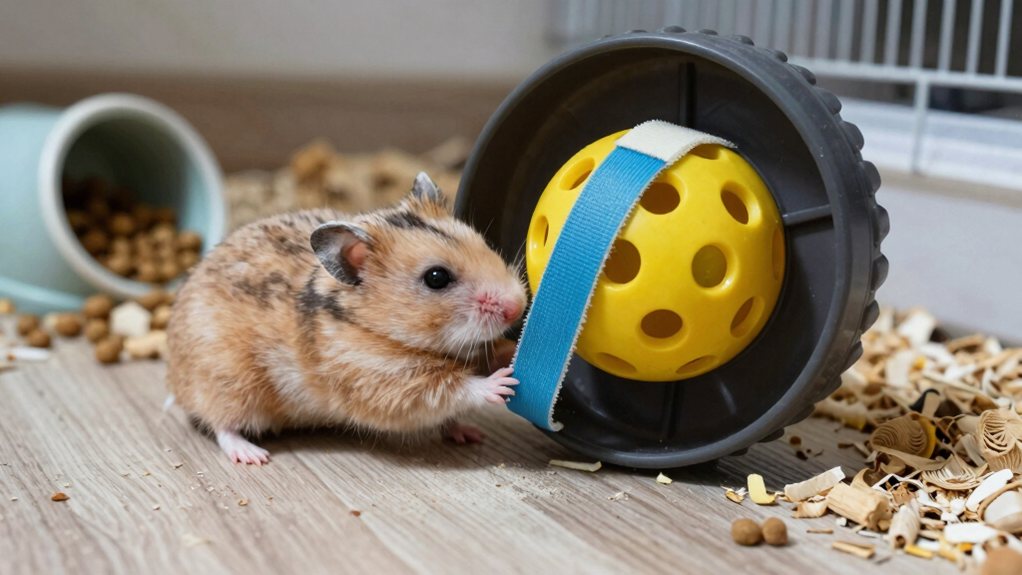
How do something as small as a misplaced toy or a curious leap turn into a tragedy for your hamster?
Accidents happen fast, and even the safest-looking cage can hide dangers.
Even the most secure cage can harbor hidden risks—stay alert, because accidents strike in seconds.
You’ve probably seen your little buddy zoom around like a furry racecar, cute, but risky.
Here’s what to watch for:
- Toxic bedding – Some store-bought options smell nice but can harm your hamster’s lungs.
- Escape attempts – They’re Houdini-level escape artists, and a fall from the couch could be fatal.
- Cage hazards – Tiny gaps, chewed wires, or unstable ramps might seem harmless, but they’re not.
A fall from even a short height can result in a broken bone, and bone fractures often require urgent veterinary care.
You love your hamster, and a few smart tweaks can prevent heartbreak.
Keep bedding safe, secure the cage, and supervise playtime.
A little caution goes a long way.
Your tiny pal will thank you with happy wheel runs and cheeky food hoards.
Care Mistakes That Shorten Hamster Life
You mightn’t realize it, but skipping veggies or filling your hamster’s bowl with junk food can seriously wreck their health.
If their cage is too small or missing a wheel, they’ll get bored and stressed, kind of like how you’d feel stuck in a closet all day.
Let’s face it, we all make mistakes, but fixing these simple care slips can give your little buddy a much happier, longer life.
Hamsters require a minimum of 450 square inches of floor space to prevent stress and support healthy activity levels.
Poor Diet Choices
A well-meaning snack can sometimes do more harm than good, especially when it comes to your hamster’s menu.
Feeding your little buddy the wrong foods might lead to serious problems like nutritional deficiencies or digestive issues, even if you’re trying to be kind.
To keep your hamster happy and healthy, watch out for these common diet missteps:
- Too many sugary treats – Candy or fruit in excess can cause obesity and diabetes.
- Lack of variety – A boring diet often means missing key nutrients your hamster needs.
- Human junk food – Chips, chocolate, or processed snacks are a no-go and can upset their tiny tummy.
You don’t need gourmet meals, just balanced, hamster-safe options.
Think of their diet like a mini buffet: fresh veggies, quality pellets, and the occasional seed.
Your furry friend will thank you with more zoomies and fewer vet trips!
Fruit should be offered only in moderation, with safe options like apples and blueberries given in pea-sized portions to prevent digestive upset and sugar-related health issues.
Inadequate Cage Setup
While your hamster may seem like a tiny tenant who’s happy with just a corner of space, skimping on their living quarters can lead to big problems down the road. You’d be surprised how much room your little buddy actually needs.
Too small a cage size and they’ll get stressed, bored, or even develop health issues from lack of exercise.
Aim for at least 450 square inches so they can explore, dig, and be their adorable, active selves.
Also, don’t overlook bedding material. Soft, dust-free options like paper-based or aspen keep their lungs and paws happy.
Cedar or pine? Nope. Those can be toxic.
A cramped, poorly lined cage might save space, but it’s not worth risking your hamster’s well-being.
Think of it as their tiny dream home. Give them room to run, burrow, and nap in comfort. Your hamster will thank you with more zoomies and fewer vet visits.
A well-ventilated cage with perforated design ensures proper airflow and helps prevent respiratory issues caused by stagnant, moist air.
Lack Of Exercise
Here’s how to keep your hamster active and happy:
- Provide a solid running wheel, make sure it’s the right size and spins effortlessly.
- Offer daily playtime in a safe, enclosed area outside the cage.
- Add tunnels, ramps, and toys to encourage exploration and climbing.
A little effort goes a long way. Keep your hamster moving, and they’ll stay lively, healthy, and full of personality!
Choose an appropriately sized exercise ball to ensure safe and comfortable movement during supervised play outside the cage.
How Hamsters Hide Illness (And What to Watch For)
Why do hamsters seem perfectly fine one day and suddenly act off the next? It’s because hamsters are experts at hiding illness, a survival trick from their wild roots. In the wild, showing weakness could mean becoming prey, so your little buddy mightn’t show obvious signs even when something’s wrong.
That’s why paying close attention to subtle changes in hamster behavior is key.
Look for hidden symptoms like less activity, messy fur, or skipping treats they usually love. Maybe they’re eating slower, hiding more, or their poop looks off. These small clues can speak volumes.
You know your hamster best. If something feels off, trust your gut. A vet visit might save their life.
Think of yourself as a tiny detective with a fluffy suspect. Catching issues early gives your hamster the best shot at feeling like their perky, curious self again.
Preventing Early Hamster Death
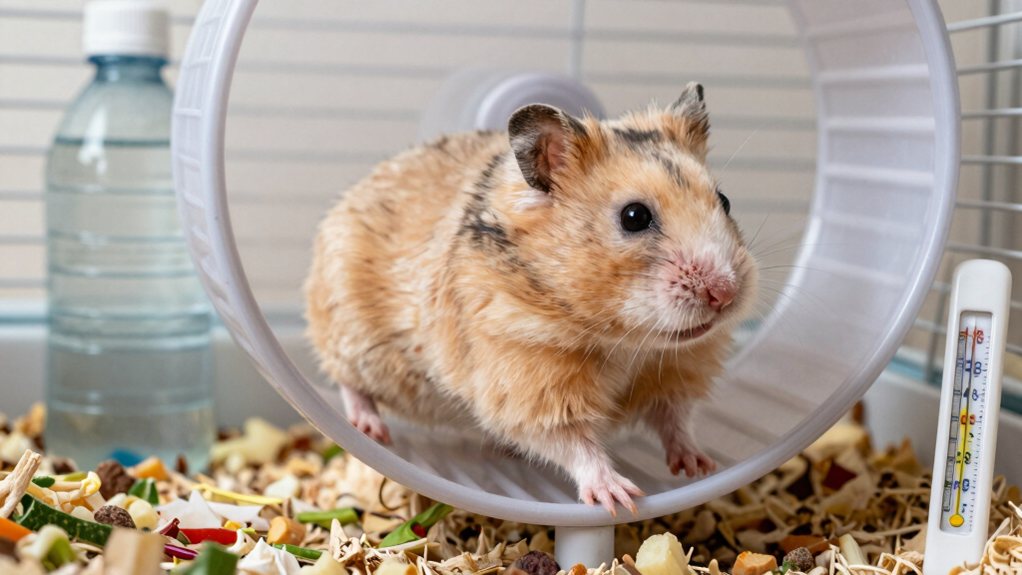
Because your hamster can’t tell you when they’re feeling under the weather, it’s up to you to keep things in their world just right.
Starting with the basics they depend on every single day, preventing early hamster death comes down to simple, consistent care that supports both physical and mental health.
Here’s how you can help:
- Clean habitat: Spot clean weekly and do full bedding changes regularly to prevent bacteria buildup.
- Balanced diet: Offer fresh veggies, quality pellets, and clean water daily. No junk food, please!
- Enrichment & mental stimulation: Rotate toys, add tunnels, and let them forage. A bored hamster is a stressed hamster!
A dirty cage can lead to respiratory issues in both hamsters and humans due to ammonia buildup, so maintaining a clean environment supports everyone’s health—ammonia from urine is especially harmful in poorly ventilated spaces.
Small changes make a big difference. Your little furball mightn’t say “thank you,” but their bright eyes and playful zoomies will.
Keep it fun, keep it clean, and you’ll give your hamster the happy, healthy life they deserve.
Caring for a Senior Hamster
Ever wonder why your once-zippy hamster now prefers napping in the sun over midnight wheel marathons? Welcome to hamster retirement, yes, even tiny furballs earn their golden years.
As your little buddy slows down, you’ll want to make life comfy. Swap out tall cages for low-rise homes so they don’t risk a clumsy tumble.
Swap hard pellets for softer foods if chewing gets tricky. Keep their space clean but calm, senior hamsters spook easily.
You might notice less zooming and more snoring, and that’s okay. It’s all part of aging gracefully.
Give extra cuddle-time if they’re into that and watch for changes in appetite or behavior. While you can’t stop time, you can make their golden years cozy, safe, and full of love, even if “adventure” now means a slow stroll to the food bowl.
Final Thoughts
You can’t stop time, but you can give your hamster a happy, healthy life. Old age is usually what takes them, not neglect or surprise illness.
Still, knowing the signs of heart issues or hidden sickness helps you catch problems early. Love them, watch them, and keep their cage clean: simple stuff makes a big difference.
They’re tiny, yes, but their joy is mighty. And honestly, they’ll steal your heart long before they leave it.