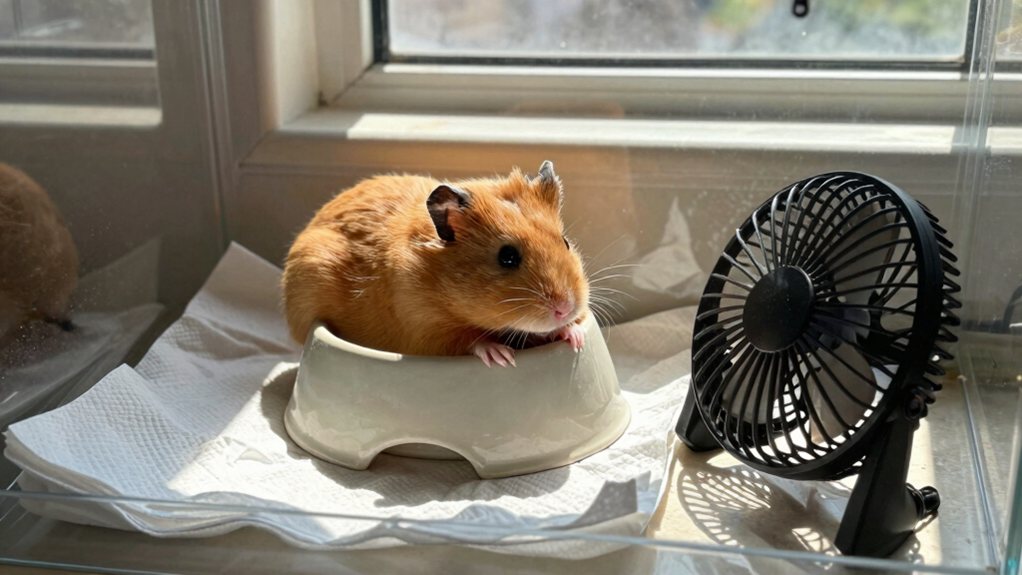
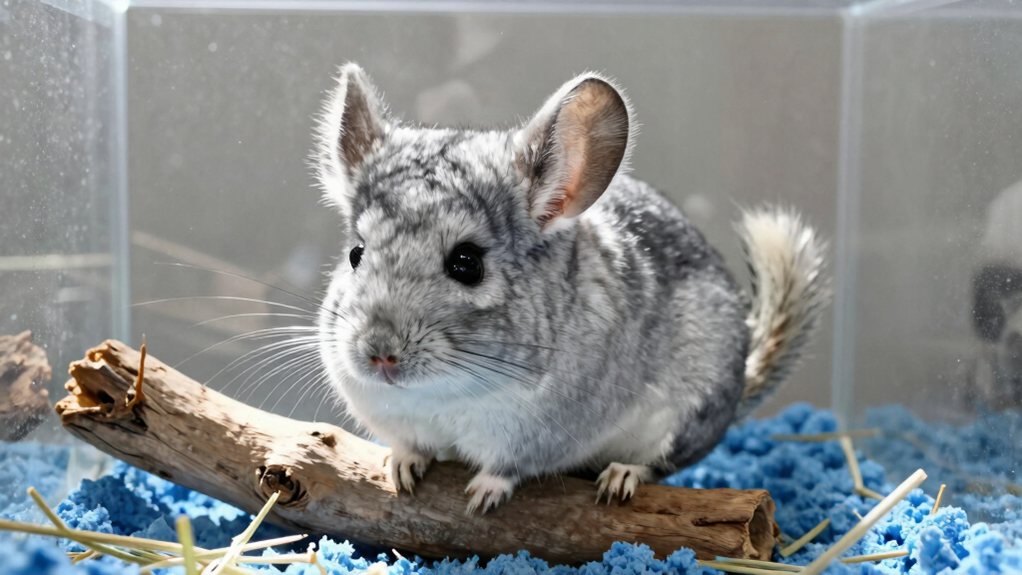
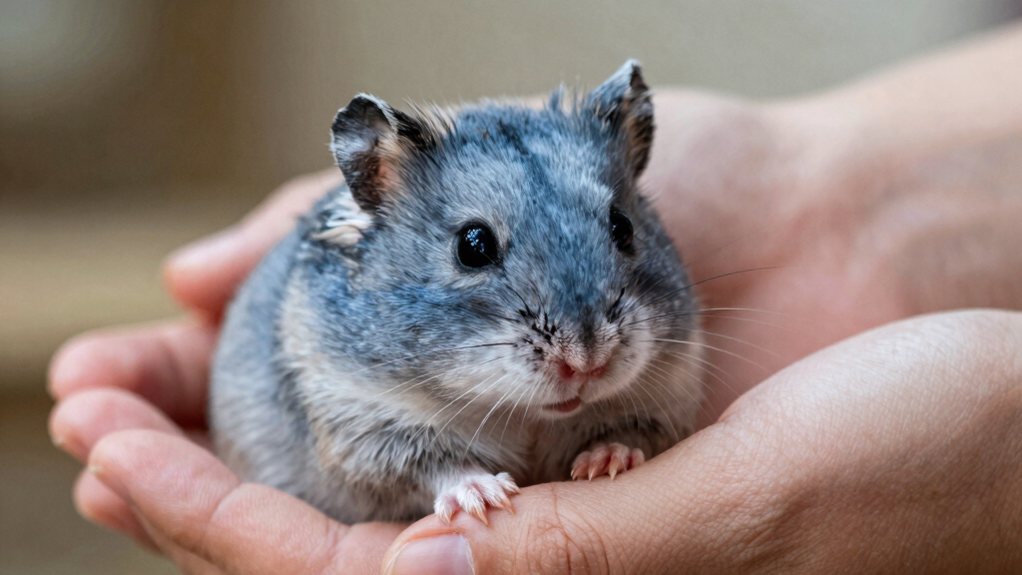
You’re welcoming a curious little explorer when you bring home a Chinese hamster. Sleek, about 3–5 inches long, and known for their longer tail and weasel-like look, they’re agile, smart, and full of quiet charm.
Native to dry areas of northern China and Mongolia, they’re built for burrowing and sneaky escapes. Gentle and alert, they bond with you over treats and soft talk, just keep them solo to avoid drama. There’s more to discover about making them thrive.
What Is a Chinese Hamster?
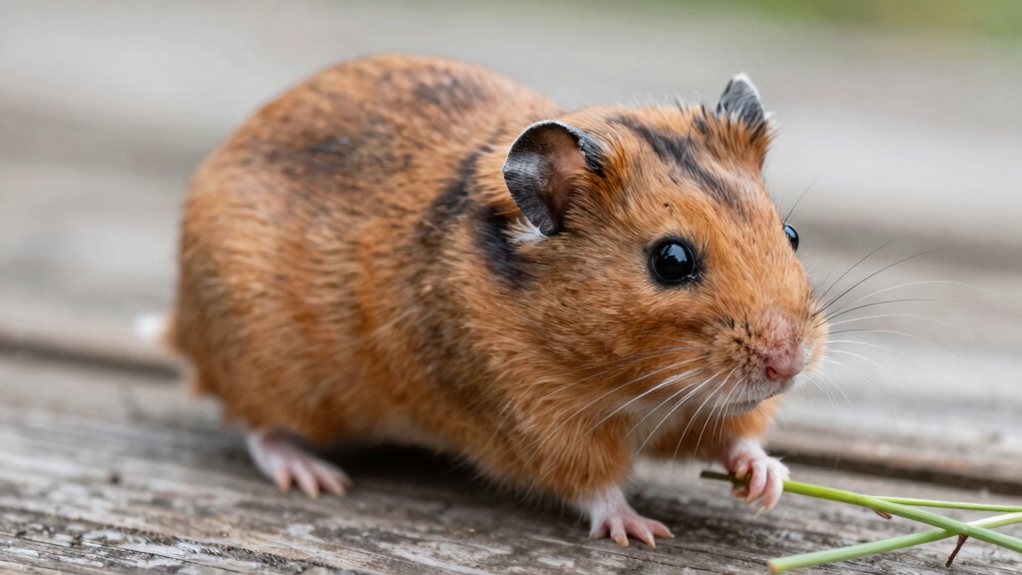
Let’s clear up a little mix-up right off the bat, despite the name, the Chinese hamster isn’t actually from China in the way you might think. Sure, they’ve Chinese origins, but they’re more common in labs and homes worldwide now.
These little guys are slender, with a hint of a tail, unusual for hamsters, and soft, muted fur that makes them stand out.
Slender and sleek, with a subtle tail and soft, muted fur—these charming quirks make the Chinese hamster a standout in the world of tiny nocturnal adventurers.
You’ll often spot them scurrying around at night, thanks to their natural nocturnal behavior. That means when you’re winding down, they’re just getting started on their nightly adventures.
Don’t expect them to be morning chatterboxes. While they’re shy at first, they warm up fast with gentle handling. Think of them as the quiet, thoughtful type who still enjoys a good midnight jog.
Caring for one is a joy, not a chore, perfect if you like low-key pals with a dash of mystery. Yep, they’re tiny, but full of personality.

18-in-1 Comprehensive Value Pack: cater to all your small pet's daily needs with one curation; This18-piece cage accessories kit features 1 multi-room wooden maze house, 1 quiet 9.5-inch hamster wheel with an adjustable stand, 1 height-adjustable water bottle holder with a 4.2 oz bottle, and 15 diverse natural chew toys; Nice setup for hamsters, gerbils, mice, and other tiny pocket pets

Complete Set: Complete Hamster Habitat Kit – This 26-piece hamster cage accessories set includes a 9.5-inch silent wheel, 1 maze house, a 2.7 oz water bottle, 1 Water bottle holder, 1 Seesaw, 1 Wooden Ladder Bridge, 1 Arch bridge, 1 Swing, 1 Apple Branch Molar String, 1 Bell Roller, 1 Unicycle, 1 Grass Carrot Toy, 1 Rattan ball and 13 hamster toys to fully equip your pet’s living space. Perfect all-in-one hamster stuff for building a fun and comfortable hamster cage.

Comprehensive Set for Tiny Companions: this set includes 1 hamster sand bath box, 1 water bottle with stand, and 1 climbing toy wooden ladder bridge, ideal for hamsters, gerbils, and mice, it caters to the different needs of your pets
How Chinese Hamsters Differ From Other Hamsters
You mightn’t realize it, but Chinese hamsters stand out from other hamsters with their slightly longer bodies and tails.
Yeah, they’ve actually got little tails you can see!
They’re often calmer and less jumpy than their cousins, so they’re easier to handle when you’re just hanging out.
Plus, they come from dry, rocky parts of China and Mongolia, which shaped how tough and independent they can be.
Unique Physical Traits
Picture a tiny, furry detective, sleek, curious, and built a little differently than the rest of the hamster crowd.
You’ll notice right away that Chinese hamsters have a longer tail than other hamsters, still short, but just enough to make them stand out. It’s like they’re always holding a tiny flag of their own.
Their bodies are more slender and weasel-like, giving them a unique look.
And while most hamsters have super short fur, Chinese hamsters often have a softer, slightly longer coat texture that feels silky between your fingers.
They’re not flashy, but their subtle stripes and gentle eyes give them serious charm.
Think of them as the quiet, stylish ones at the rodent party, unassuming but unforgettable.
You can’t help but smile when they scurry around, all grace and quiet confidence.
Behavioral Characteristics
Ever wonder why your Chinese hamster seems a little more sneaky than the others? That’s because they’re masters of stealth during their nocturnal activity.
While you’re asleep, they’re zipping through tunnels or rearranging bedding like tiny interior designers.
Unlike some hamsters that prefer solitude, Chinese hamsters can enjoy social bonding, especially if raised together from a young age.
They’re curious and alert, often standing on hind legs like little meerkats checking the horizon.
Don’t be surprised if yours watches you intently. They’re observant and form strong connections with you over time.
They mightn’t cuddle, but a gentle finger scratch can turn you into their favorite human.
With a mix of independence and affection, they’re like the quiet friend who remembers your birthday.
Just keep an eye out. They’re clever escape artists!
Habitat And Origins
Where in the world did your sleek little hamster with the almost rat-like tail come from?
Well, it traces back to northern China and Mongolia, where ancient migration shaped its survival skills.
Unlike other hamsters, Chinese hamsters adapted to dry, rocky areas, think deserts and scrublands, making them tough little explorers.
They’re not burrowing champions like Syrians, but they still dig shallow tunnels to hide from wild predators like owls and foxes.
Here’s what makes their habitat story special:
- They thrive in harsh, arid climates others avoid.
- Their longer tails help with balance during quick escapes.
- Ancient migration spread them across East Asia before pets arrived in homes.
What Does a Chinese Hamster Look Like?
You’ll notice right away that Chinese hamsters look a bit different from other hamsters, they’re longer and more slender, almost like tiny mice with hamster faces.
Their fur usually comes in soft gray-brown tones with a dark stripe down the back and a white belly, giving them a neat little tuxedo vibe.
Don’t be surprised if you do a double-take; they’re the only hamsters that kind of look like they moonlight as ninjas.
Body Shape And Size
Think of a Chinese hamster as the sleek, compact athlete of the hamster world, small, slender, and built for quick dashes across your living room floor. Their body proportions are more elongated than other hamsters, giving them a graceful look.
Their lightweight skeletal structure supports agile movement.
Don’t let their size fool you. They’re full of energy and curiosity.
You’ll notice these key traits:
- Slim build – They’re less “pudgy” and more streamlined.
- Longer tail – Compared to other hamsters, it adds balance.
- Narrow frame – Helps them squeeze through tight spots (yes, escape attempts included).
They typically grow to about 3–5 inches, making them one of the smaller pets you can cuddle.
Despite their tiny size, they’ve got big personalities packed into a miniature, spry package. Perfect little adventurers in fur coats.
Fur Color And Markings
A Chinese hamster’s sleek frame isn’t the only thing that sets them apart, just wait until you see their striking fur!
You’ll notice their soft, short coat often comes in warm agouti (wild) coloring, dark-tipped hairs with light bases that give a sandy shimmer.
Some have sleek black coats, while others sport pure white or even cinnamon tones.
Don’t be surprised if your little buddy has a faint dorsal stripe running down their back, that’s totally normal!
Breeders have uncovered fun coat patterns thanks to color genetics, so you might spot unique combos like white bellies with dark backs or subtle patches.
These markings aren’t just cute, they’re like tiny fingerprints shaped by science and luck.
Whether your hamster looks like a shadowy ninja or a sun-kissed explorer, their fur tells a story.
And hey, who knew genetics could be this adorable?
Chinese Hamster Temperament: Great for First-Time Owners
Don’t let their tiny size fool you, Chinese hamsters pack a big personality into a small package, and they’re often a solid pick for first-time owners. They’re curious, gentle, and love exploring, making them fun to watch—especially during their nocturnal behavior.
Tiny but full of charm, Chinese hamsters are curious, gentle, and endlessly entertaining—perfect companions for first-time owners who love a little nocturnal explorer.
While they’re not as cuddly as cats, they do enjoy social bonding when handled gently and regularly. You’ll quickly learn their little quirks and charms. To help build trust, try these simple tips:
- Spend a few minutes daily hand-feeding treats.
- Talk softly to them so they recognize your voice.
- Let them explore a secure play area outside the cage.
They’re not super social like some pets, but with patience, they’ll warm up. Just remember: nighttime is when they’re most active, so don’t be surprised if your hamster starts running on its wheel at midnight!
Ideal Habitat for Your Chinese Hamster
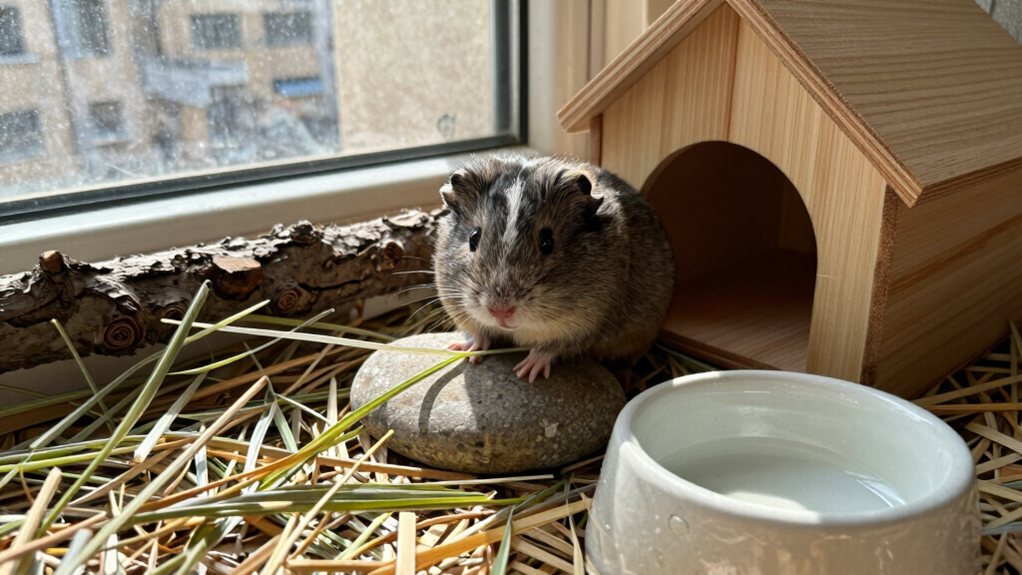
Where should your curious little Chinese hamster feel safe, sleep soundly, and sprint to its heart’s content? In a cozy, escape-proof cage with plenty of space, think 450+ square inches, so it can explore like it would in the wild. Since Chinese hamsters are small and sneaky, secure bars or solid walls keep them from vanishing under your couch.
Line the bottom with soft bedding they can burrow in; after all, in their natural habitat, they dodge natural predators by hiding underground. Add tunnels, chew toys, and a quiet corner for naps.
Keep it clean but don’t overdo it. Some familiar scents comfort them.
While their wild diet includes seeds, greens, and the occasional insect, your pet will thrive on high-quality hamster food. Just remember: no escape routes, no stress, and definitely no cats prowling nearby. You’ve got this!
A cage with removable trays makes regular cleaning simple and reduces stress during maintenance.
What to Feed Your Chinese Hamster (And What to Avoid)?
What’s on the menu for your pint-sized explorer? Feeding your Chinese hamster doesn’t have to be tricky, just stick to a balanced diet and a consistent feeding schedule.
Keep your tiny explorer thriving with a balanced diet and regular meals—simple, nutritious, and full of happy zoomies!
These little guys thrive on high-quality hamster pellets, fresh veggies, and the occasional treat like a sunflower seed or bit of cooked egg.
But watch out. Some foods are toxic foods you should never offer, like onions, garlic, or chocolate. Your hamster might give you puppy-dog eyes, but don’t give in!
Here’s what to keep in mind:
- Always provide fresh water and clean food dishes daily.
- Offer veggies like carrots or cucumber a few times a week.
- Avoid sugary or processed human snacks—they’re a no-go.
Stick to the plan, and your tiny buddy will stay happy, healthy, and full of zoomies!
A consistent daily feeding routine supports your hamster’s fast metabolism and helps maintain digestive health.

【LOW DUST & ODOR CONTROL】A low-dust formula helps minimize dust during pouring and fluffing, while odor control helps keep your pet’s habitat fresh between cleanups. Ideal for owners looking for hamster bedding with odor control or rabbit bedding for an indoor rabbit.


【LOW DUST & ODOR CONTROL】A low-dust formula helps minimize dust during pouring and fluffing, while odor control helps keep your pet’s habitat fresh between cleanups. Ideal for owners looking for hamster bedding with odor control or rabbit bedding for an indoor rabbit.
Top 5 Health Problems in Chinese Hamsters
You’ve got to keep an eye on your little buddy’s teeth, they never stop growing. So if you see him drooling or dropping food, it might be time to check for overgrown chompers.
And if he’s sneezing more than a kid in a dusty attic, that could mean a respiratory infection is sneaking up on him.
Don’t panic, though—catching these early means you can help him feel better fast.
Dental Issues Overview
Ever wonder why your Chinese hamster is suddenly picky about snacks or drooling more than usual? It could be a sign of dental malocclusion or tooth overgrowth, common but serious issues in these tiny chewers.
Since their teeth grow continuously, anything off in alignment can lead to pain, eating troubles, or even weight loss. But don’t panic! With a little attention, you’ve got this.
Here’s what to watch for:
- Dribbling food or drooling – a red flag for mouth discomfort.
- Visible overgrown teeth – yellow or extra-long front teeth mean vet time.
- Refusing hard treats – if your hammy skips their favorite crunch, something’s wrong.
Offer safe chew toys, check their mouth occasionally, and schedule vet visits.
Catching dental issues early keeps your little buddy happy, healthy, and snacking strong. Because nobody wants a grumpy, hungry hamster on their hands!
Providing 100% natural materials like untreated apple wood or timothy hay helps prevent overgrowth while supporting safe, effective chewing.
Respiratory Infections Signs
Is your little hamster sneezing like it’s auditioning for a tissue commercial? That cute sniffle might be more than just a cold. Respiratory infections are common in Chinese hamsters.
Watch for wheezing symptoms, like a tiny squeaky wheel with every breath, or labored breathing where their sides puff out dramatically.
They might hunch more, seem sluggish, or even lose interest in their favorite treats.
These signs mean it’s time to call the vet, don’t wait. Respiratory issues can escalate fast, especially in small pets.
Keep their habitat clean and draft-free to help prevent problems.
And hey, no, your hamster doesn’t need a tiny scarf. Warmth and quiet do help.
Catching symptoms early gives your little buddy the best shot at a full, zoomie-filled recovery. You’ve got this, and so do they!
Taming and Handling Tips for Chinese Hamsters
How do you win over a tiny, whiskered skeptic who’s more inclined to dart than cuddle? Start by respecting their nocturnal behavior, these little pals are most active at night. Aim for calm interactions in the evening.
Despite their shy start, Chinese hamsters have a gentle nature once they trust you. Let them sniff your hand before lifting, and always scoop low to make them feel safe.
Here’s how to build trust:
- Offer treats like small bits of apple or sunflower seeds from your palm.
- Talk softly while handling to get them used to your voice.
- Handle for just 5–10 minutes at first, increasing slowly.
Patience wins every time. Soon, your hamster might even nap in your hoodie pocket.
Can Chinese Hamsters Live Together?

Think you’re doing your Chinese hamster a favor by getting a buddy for them? Hold up. These little guys might seem social, but they’re actually pretty picky about roommates.
While some hamsters tolerate companions, Chinese hamsters often prefer flying solo. If you push cage compatibility too hard, you might end up with a tiny turf war on your hands.
They can form a social hierarchy, sure, but it’s usually one boss hamster and one stressed-out roommate. And trust me, you don’t want to referee midnight squabbles over a chew toy.
Even siblings or same-sex pairs can turn from cuddly to feisty overnight. The safest bet is to house them separately. It’s less drama, more naps.
You’ll save yourself the hassle and keep your hamster happy, healthy, and out of tiny hamster jail. So skip the double occupancy. Sometimes, solitude is the ultimate luxury.
Where to Find a Chinese Hamster Responsibly
So, where can you actually find a Chinese hamster without supporting sketchy breeding practices? You’ve got options that are kind to both your wallet and the hamsters.
First, check local shelters or small animal rescues. They sometimes host adoption events where you might just meet your new pocket-sized buddy.
Second, look for ethical breeders involved in responsible breeding programs. They care about health, beyond mere profits.
Third, connect with hamster clubs or online communities that share leads on rehoming.
Here’s what to focus on:
- Adoption events for humane, second-chance pets
- Reputable breeders with transparent breeding programs
- Trusted networks that vet sources carefully
You’re beyond merely getting a pet. You’re making a kind choice.
And honestly, nothing beats the joy of a tiny face peeking out of your sleeve, especially when you know you did right by them.
Final Thoughts
You’ve got this! Chinese hamsters may be small, but they’ve got big personalities and are totally doable for first-time pet parents. They’re curious, sweet, and full of quiet charm.
Like tiny, furry roommates who rarely cause drama, just give them a cozy home, a little love, and watch for any health hiccups. With the right care, your little buddy’ll thrive and maybe even steal your heart (and a sock or two).

ENHANCED BY NUTRITIONAL SCIENCE. The Kaytee Forti-Diet Pro Health Hamster & Gerbil Food is backed by the latest nutritional science to tailor a diet for your hamster or gerbil.

HAMSTER & GERBIL FOOD: Large variety of grains, seeds, vegetables and fruit in every bowl to provide the balanced variety of nutrients that small pets need, with great taste they’ll love.

Full Cheeks hamster and gerbil pelleted diet, 1 pound bag.