Most hamster owners miss the early warning signs, by the time a hamster stops eating or moving, the problem has been building for weeks. Hamsters mask distress as a survival instinct, making it critical to recognize subtle behavioral shifts before they escalate into serious health issues.
Understanding the signs of unhappy hamster behavior isn’t about anthropomorphizing your pet. It’s about reading species-specific stress signals that indicate genuine welfare problems: inadequate cage setup, social stress in dwarf species housed incorrectly, or medical conditions like wet tail that start with lethargy.
Key Takeaways
- Behavioral changes happen first: Reduced activity, excessive sleeping during active hours, and loss of interest in food signal distress before physical symptoms appear
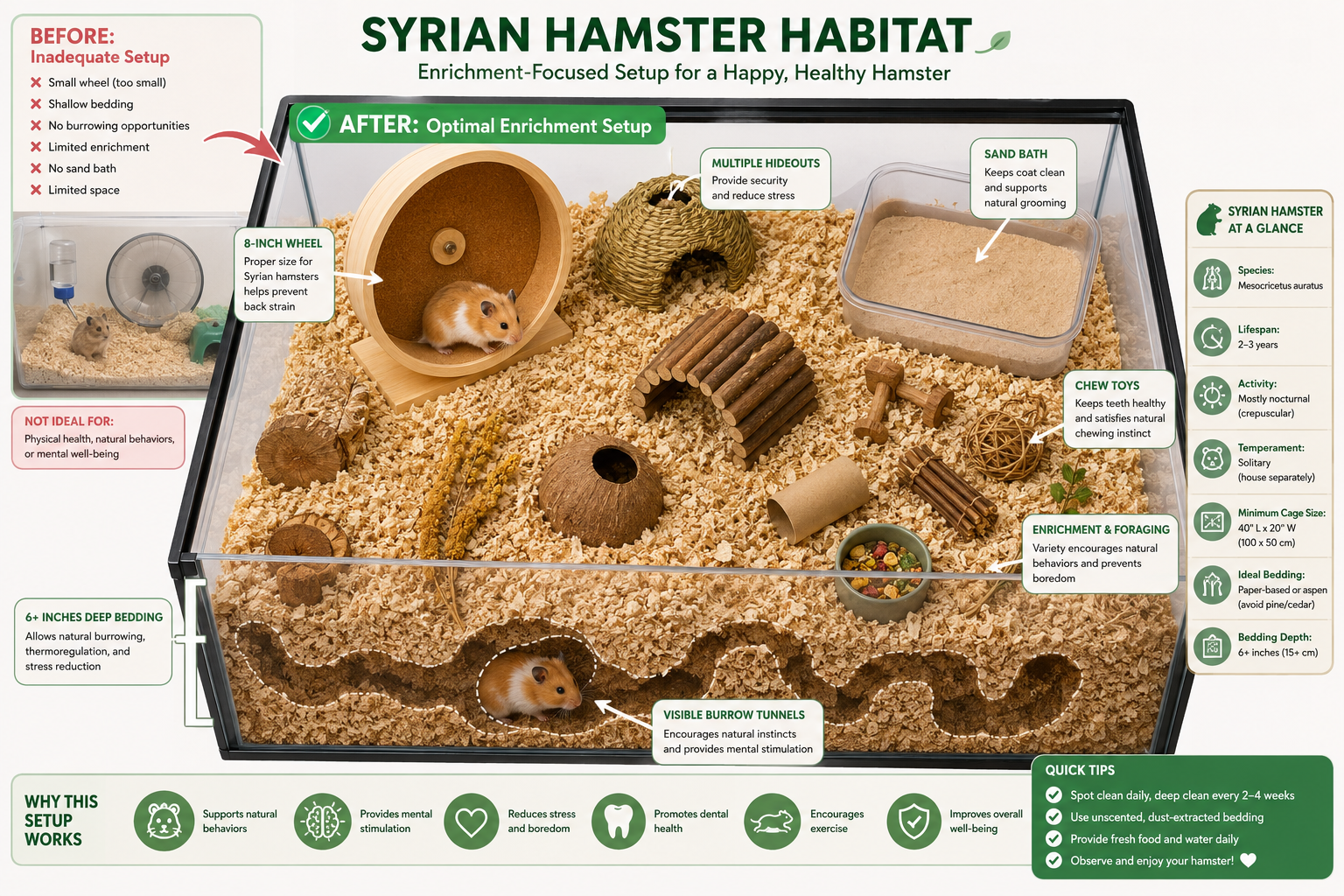
- Cage setup drives mood: Bar spacing, wheel size, and bedding depth directly impact stress levels, Syrians need 8-inch+ wheels and 6+ inches of bedding for natural burrowing behaviour
- Species differences matter: Syrian hamsters require solitary housing; some dwarf species tolerate pairs but show aggression when stressed
- Physical signs confirm problems: Hunched posture, dull fur, excessive scent marking, and self-barbering indicate chronic unhappiness
- Quick intervention prevents decline: Most causes of hamster unhappiness, cage size, enrichment gaps, handling errors, are fixable within days
Common Signs of Unhappy Hamster Behavior
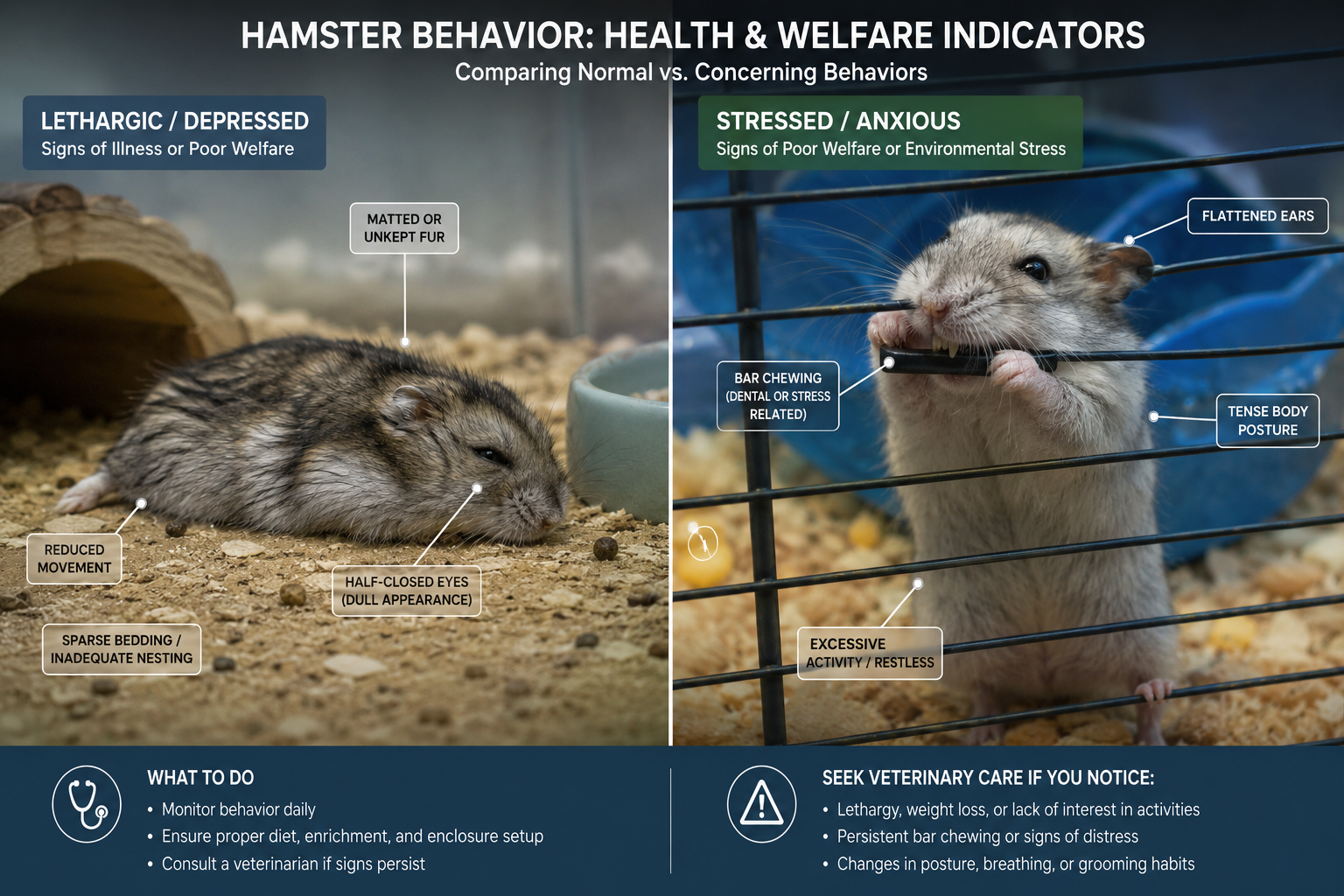
Lethargy and Reduced Activity
Healthy hamsters are active during their waking hours, typically evening through early morning. An unhappy hamster sleeps excessively, even during peak activity times, or moves sluggishly when awake.
What to watch for:
- Remaining in hideout past 9 PM when lights are dim
- Slow, reluctant movement when you approach the cage
- Ignoring the wheel for multiple consecutive nights
- Lying flat in open areas rather than exploring
This isn’t normal aging in hamsters under 18 months. It signals stress, inadequate cage setup, or early illness. Check cage temperature (65-75°F is ideal), wheel size (8 inches minimum for Syrians, 6.5 inches for dwarfs), and whether the cage offers proper enrichment.
Changes in Eating and Drinking Patterns
Hamsters are food hoarders by nature. A sudden disinterest in favorite treats or failure to empty their food bowl indicates distress.
Red flags include:
- Ignoring fresh vegetables they previously enjoyed
- Hoarding less food than usual
- Water bottle level unchanged for 24+ hours
- Weight loss visible in face and hip bones
Dental problems, wet tail, or chronic stress all suppress appetite. If your hamster refuses food for more than 24 hours, veterinary attention is urgent, hamsters decline rapidly without nutrition.
Excessive Bar Chewing and Cage Aggression
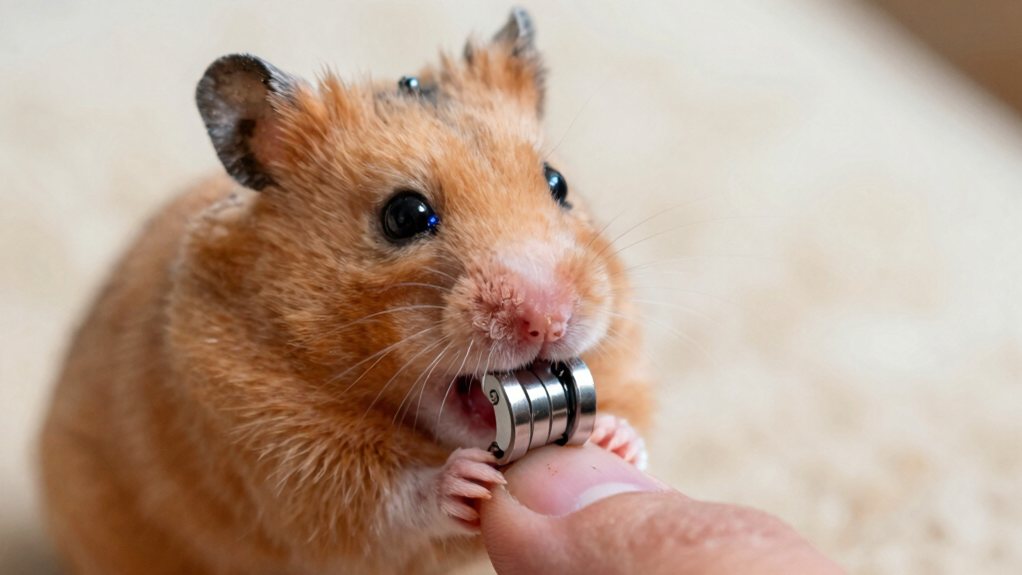
Bar chewing isn’t “normal hamster behavior.” It’s a stereotypy, a repetitive stress behavior indicating the cage setup fails to meet their needs.
Why hamsters bar-chew:
- Cage too small (minimum 450 square inches floor space, 600+ recommended)
- Inadequate bedding depth preventing burrowing behaviour
- Wheel too small causing back pain and frustration
- Lack of enrichment creating boredom
- Solitary Syrian housed in visible/auditory range of another hamster
Bar chewing damages teeth and causes facial injuries. It’s a welfare emergency requiring immediate cage upgrades. Learn more about what you should never do with a hamster to prevent these behaviors.
Over-Grooming and Barbering
Stressed hamsters groom compulsively, creating bald patches on face, paws, or flanks. This self-barbering differs from normal grooming, you’ll see raw skin or uneven fur loss.
Triggers include:
- Cage too bright or noisy during daytime sleep
- Handling too frequently (more than 10-15 minutes daily)
- Incompatible cage mate in dwarf species
- Parasites (mites cause intense itching)
- Lack of sand bath for natural grooming
Check whether your hamster has access to a sand bath, chinchilla sand, not dust, for natural coat maintenance. If barbering continues despite environmental fixes, mites or fungal infection may be present.
Aggression Toward Handlers
A previously friendly hamster that suddenly bites, squeaks when approached, or runs away shows fear or pain.
Common causes:
- Waking hamster during deep sleep (always wait until naturally active)
- Approaching from above (predator angle, use side approach)
- Hands smell like food or other animals
- Pain from injury or illness making touch uncomfortable
- Insufficient taming period after bringing home
New hamsters need 5-7 days to settle before handling begins. Rushing this creates lasting fear. For guidance on building trust, see our article on how to tell if a hamster loves you.
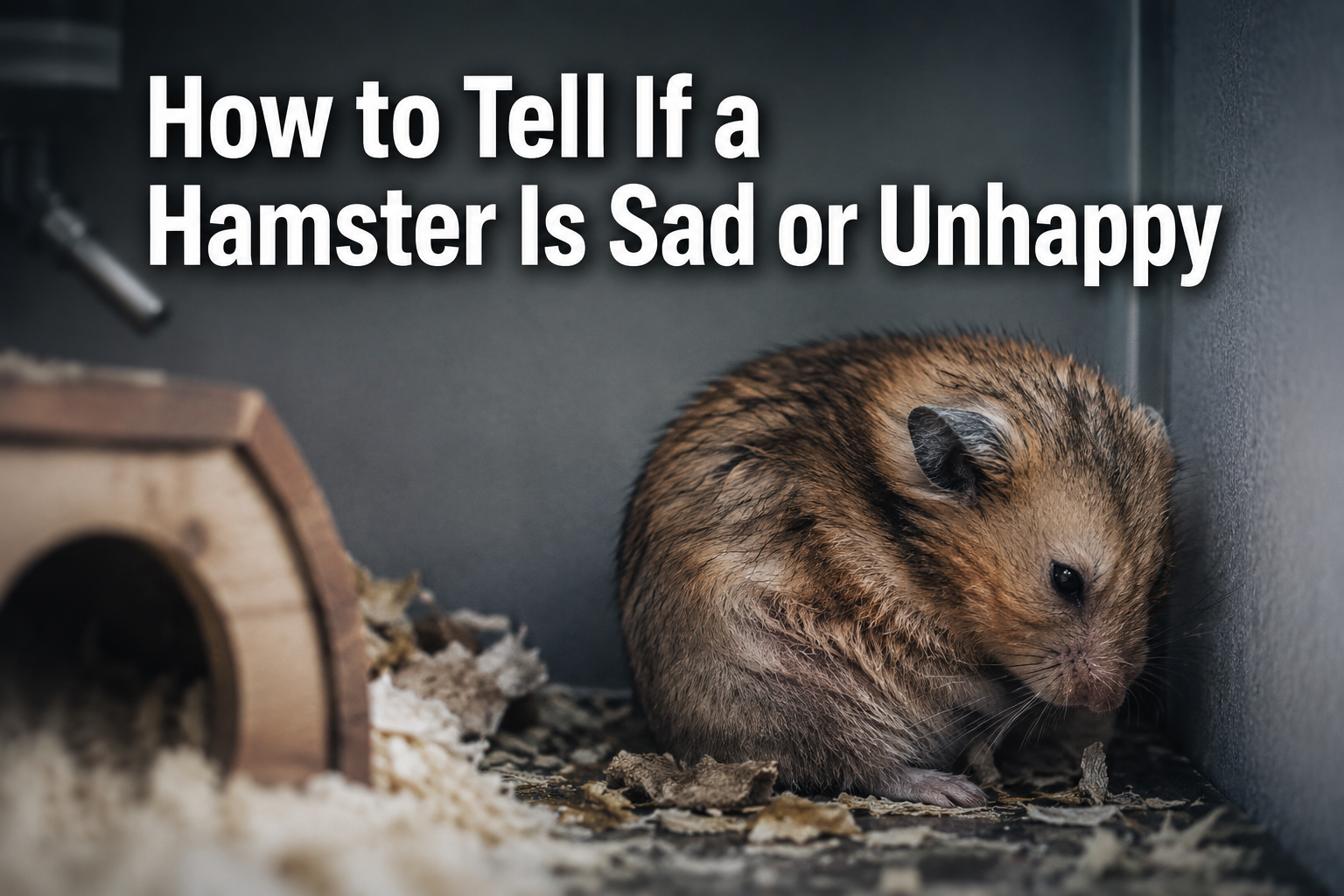
Hunched Posture and Flattened Ears
Body language reveals discomfort. An unhappy hamster sits hunched with ears pressed flat against the head, the opposite of the alert, upright posture of a content hamster.
What this signals:
- Abdominal pain (wet tail, constipation, bladder stones)
- Respiratory infection (watch for labored breathing)
- Fear response to environmental stressors
- Chronic stress from inadequate housing
Combined with lethargy or appetite loss, hunched posture requires same-day veterinary assessment. Wet tail kills hamsters within 48 hours if untreated.
Physical and Environmental Causes of Unhappiness
Inadequate Cage Setup
The single biggest cause of hamster unhappiness is housing that doesn’t support natural behaviors.
Minimum requirements:
- Floor space: 450 sq inches absolute minimum, 600+ sq inches recommended (Syrian hamsters need more than dwarfs)
- Bedding depth: 6+ inches of paper-based bedding for burrowing behaviour
- Wheel size: 8-10 inches for Syrians, 6.5-8 inches for dwarfs, back should stay straight while running
- Bar spacing: Maximum 0.5 inches to prevent escapes and injuries
- Hideouts: At least 2 opaque shelters
- Enrichment: Chew toys, tunnels, platforms at varying heights
Glass aquariums and bin cages work better than wire cages for maintaining bedding depth. Wire cages with shallow bases (2-3 inches) prevent natural burrowing, causing chronic frustration. For a complete list of essentials, check what are must-haves for hamsters.
Incorrect Wheel Size
A wheel that’s too small forces the hamster’s back into an unnatural curve, causing pain and discouraging exercise. This leads to obesity, boredom, and visible unhappiness.
Species-specific sizing:
- Syrian hamsters: 8-10 inch diameter minimum
- Dwarf hamsters (Campbell’s, Winter White, Roborovski): 6.5-8 inches
- Chinese hamsters: 7-8 inches (longer body than typical dwarfs)
Wheels must be solid-surface, wire rungs cause bumblefoot. The wheel should spin silently; loud squeaking disrupts sleep and creates stress. Many hamsters refuse to use wheels that wobble or have resistance. Read more about whether Winter White hamsters need a wheel.
Improper Social Housing
Syrian hamsters are strictly solitary. Housing two Syrians together results in fighting, severe injuries, and chronic stress even if they “seem fine” initially. They will eventually fight, often fatally.
Dwarf species vary:
- Winter White and Campbell’s: Can live in same-sex pairs if introduced young, but many still fight
- Roborovski: Most tolerant of pair housing
- Chinese: Generally solitary, occasional pairs work
Signs your dwarf pair is stressed:
- One hamster hoarding all food
- Visible wounds or missing fur
- One hamster always hiding while other dominates
- Squeaking or chasing during active hours
- Weight difference between pair members
Separate immediately if aggression appears. Chronic social stress causes immune suppression and shortened lifespan.
Temperature and Lighting Issues
Hamsters are crepuscular (active dawn/dusk) and need darkness for proper sleep. Bright rooms, TV screens, or nightlights during daytime disrupt their circadian rhythm.
Optimal conditions:
- Temperature: 65-75°F (hamsters enter torpor below 60°F)
- Daytime: Dark, quiet room for uninterrupted sleep
- Nighttime: Dim ambient light acceptable, no direct bright lights
- Avoid: Drafts, direct sunlight, heat sources like radiators
A hamster kept in a bright living room with constant noise will show chronic stress: excessive sleeping, irritability, and weakened immune function. Bedroom or quiet office locations work better than family rooms.
Lack of Enrichment and Boredom
Hamsters are intelligent foragers. A cage with only a wheel and water bottle creates severe boredom, leading to stereotypies and depression-like behaviors.
Essential enrichment:
- Foraging opportunities: Scatter feeding instead of bowl-only feeding
- Chew items: Applewood sticks, whimbledon, cardboard tubes
- Digging substrate: Deep bedding plus sand bath area
- Tunnels and hides: Multiple options for exploration
- Platforms: Create vertical space and climbing opportunities
- Rotation: Swap toys weekly to maintain novelty
Bored hamsters sleep excessively, bar-chew, or develop repetitive pacing patterns. Adding enrichment often reverses these behaviors within days. Explore what toys dwarf hamsters like for species-appropriate options.
How to Improve Your Hamster’s Wellbeing
Upgrade Cage Size and Setup
If your hamster shows signs of unhappiness, audit the cage first. Measure floor space, many commercial cages advertised as “hamster suitable” fall below 450 square inches.
Immediate improvements:
- Increase bedding depth to 6+ inches using paper-based bedding (avoid cedar/pine, toxic)
- Replace wheel if diameter is too small or surface is wire
- Add second hideout on opposite side of cage from first
- Create foraging areas by scattering food in bedding
- Install sand bath using chinchilla sand in shallow dish
These changes cost under $50 and resolve most behavioral issues within 1-2 weeks.
Establish Proper Handling Routine
Over-handling or incorrect handling technique creates chronic stress. Hamsters aren’t naturally cuddly, they tolerate handling when trust is built gradually.
Best practices:
- Wait until naturally awake (after 8 PM typically)
- Approach from side, never from above
- Scoop with both hands rather than grabbing
- Keep sessions short: 10-15 minutes maximum
- Sit on floor during handling to prevent fall injuries
- Wash hands before and after to remove food/pet scents
New hamsters need 5-7 days with zero handling to settle. Rushing this creates fear-based aggression. For species-specific guidance, see whether Winter White dwarf hamsters like to be held.
Provide Species-Appropriate Diet
Diet impacts mood and energy. Commercial hamster mix should be supplemented with fresh foods, but incorrect items cause digestive upset and stress.
Safe daily foods:
- Protein: Small amount of cooked chicken, mealworms, or boiled egg (2-3 times weekly)
- Vegetables: Broccoli, cucumber, carrot, bell pepper (thumbnail-sized portions)
- Occasional treats: Pumpkin seeds, unsalted sunflower seeds (1-2 seeds)
Avoid:
- Citrus fruits (too acidic)
- Onion, garlic, raw potato (toxic)
- Chocolate, candy, processed human food
- Excessive sugary fruits (causes diabetes in dwarfs)
Remove uneaten fresh food within 12 hours to prevent spoilage. Learn more about what hamsters love to eat most.
Monitor for Health Issues
Behavioral changes often precede visible illness. Weekly health checks catch problems early.
Check weekly:
- Weight: Use kitchen scale, sudden loss indicates illness
- Fur condition: Should be fluffy, not greasy or patchy
- Eyes and nose: Clear, no discharge
- Breathing: Quiet, no wheezing or clicking sounds
- Mobility: Moves freely without limping
- Waste: Firm droppings, no diarrhea
Emergency signs requiring immediate vet care:
- Wet tail (diarrhea staining rear, lethargy, hunched posture)
- Labored breathing or wheezing
- Bleeding or visible injury
- Refusal to eat/drink for 24+ hours
- Seizures or loss of coordination
Don’t wait to “see if it improves”, hamsters decline rapidly. Find an exotic vet before emergencies occur. For more on health concerns, read about signs of stress in hamsters.
Create Consistent Routine
Hamsters thrive on predictability. Erratic schedules, feeding at different times, frequent cage moves, irregular cleaning, create ongoing stress.
Establish routine:
- Feeding: Same time each evening when hamster wakes
- Spot cleaning: Remove soiled bedding daily
- Full clean: Every 3-4 weeks (more frequent stresses hamster with scent loss)
- Handling: Same time window each day if desired
- Quiet hours: Protect 8 AM-6 PM for undisturbed sleep
Keep cage in same location. Moving it weekly disrupts territorial scent marking and causes anxiety. If you must move the cage, transfer some used bedding to maintain familiar scent.
Frequently Asked Questions
How long does it take for an unhappy hamster to show improvement?
Most hamsters respond to environmental improvements within 3-7 days. Bar chewing and lethargy typically decrease first, followed by increased wheel use and exploration. If no improvement appears after 2 weeks of proper housing, diet, and handling, consult an exotic vet, underlying health issues may be present.
Can hamsters get depressed like humans?
Hamsters don’t experience depression as humans do, but they show behavioral despair when needs aren’t met. Chronic stress from inadequate housing causes learned helplessness, the hamster stops attempting normal behaviors like burrowing or exploring. This mimics depression symptoms and shortens lifespan through immune suppression.
Is my hamster sad or just sleeping?
Healthy hamsters sleep 12-14 hours during daylight, often deeply enough to seem unresponsive. Unhappiness shows through sleeping during active hours (after 8 PM), reluctance to wake when cage is approached at night, or sleeping in exposed areas rather than hideouts. Track activity patterns for 3-4 days to establish baseline.
Do hamsters need companions to be happy?
Syrian hamsters are solitary and become severely stressed by cage mates, they require isolation for wellbeing. Some dwarf species tolerate same-sex pairs, but many still fight. A single hamster with proper enrichment, cage size, and human interaction is happier than a poorly matched pair. Focus on environmental enrichment rather than adding cage mates.
What’s the difference between stress and unhappiness in hamsters?
Stress is the immediate response to threats (loud noise, rough handling, predator scent), causing temporary behavioral changes. Unhappiness develops from chronic unmet needs, too-small cage, wrong wheel size, lack of enrichment. Acute stress resolves when the trigger is removed; unhappiness requires systematic environmental improvements. Both show similar symptoms initially but unhappiness persists despite removing obvious stressors.
Can I reverse signs of unhappy hamster behavior?
Yes, if caught early and no serious illness is present. Most behavioral signs, bar chewing, lethargy, over-grooming, improve within 1-2 weeks of proper cage setup, enrichment, and handling. Physical symptoms like weight loss or hunched posture require veterinary assessment alongside environmental fixes. Hamsters are resilient when given appropriate care, but delayed intervention allows problems to become permanent.
Conclusion
Recognizing signs of unhappy hamster behavior early prevents minor welfare issues from becoming serious health crises. The most common signals, lethargy, bar chewing, appetite changes, and aggression, stem from fixable problems: inadequate cage size, wrong wheel diameter, insufficient bedding depth, or improper handling.
Start with the cage setup. Measure floor space, check wheel size against your hamster’s species, and ensure 6+ inches of bedding for natural burrowing behaviour. These physical changes address the root causes of most hamster unhappiness and show results within days.
Monitor your hamster’s behavior patterns during active hours. A healthy hamster explores, uses the wheel, forages, and responds to your presence with curiosity rather than fear. Deviations from this baseline, especially when multiple symptoms appear together, require immediate attention.
Take action today: Audit your current setup against the requirements outlined above, make necessary upgrades, and establish consistent care routines. Your hamster’s behavior will tell you whether the changes are working. For ongoing guidance, explore our resources on how to tell if a hamster is happy and what not to do with a hamster to maintain optimal wellbeing long-term.