You’ve probably swatted a housefly and wondered, “How dirty are you?” Well, that tiny pest lands on trash, feces, and rotting stuff, then brings those germs straight to your food. It vomits and poops while it eats, turning your kitchen into a germ highway.
While cockroaches and rats thrive in filth, the housefly spreads disease faster and more sneakily. Think twice next time you shoo one away: there’s a whole messy world behind that buzz. You’re not done learning just yet.
What Makes an Animal ‘Filthy’? Diet, Habitat, or Hygiene?
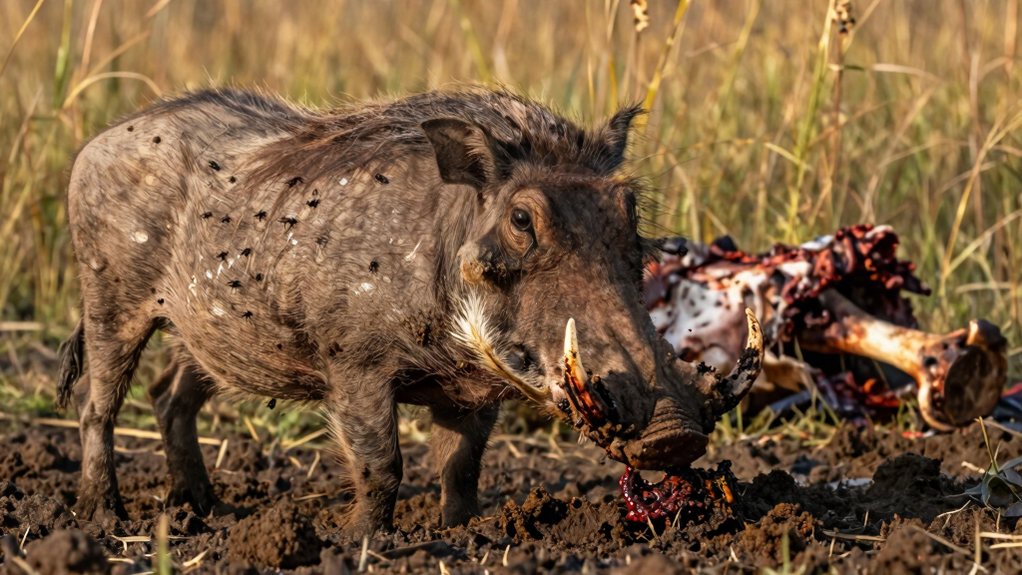
What really makes an animal “filthy,” anyway? Is it what it eats, where it lives, or how clean it likes to stay? You might think dirt or gross meals make an animal filthy, but it’s not always that simple.
Take scavenger behavior. Animals like vultures eat rotting meat, yet their stomachs are so acidic they kill deadly bacteria. That’s not gross. That’s microbial resistance on overdrive!
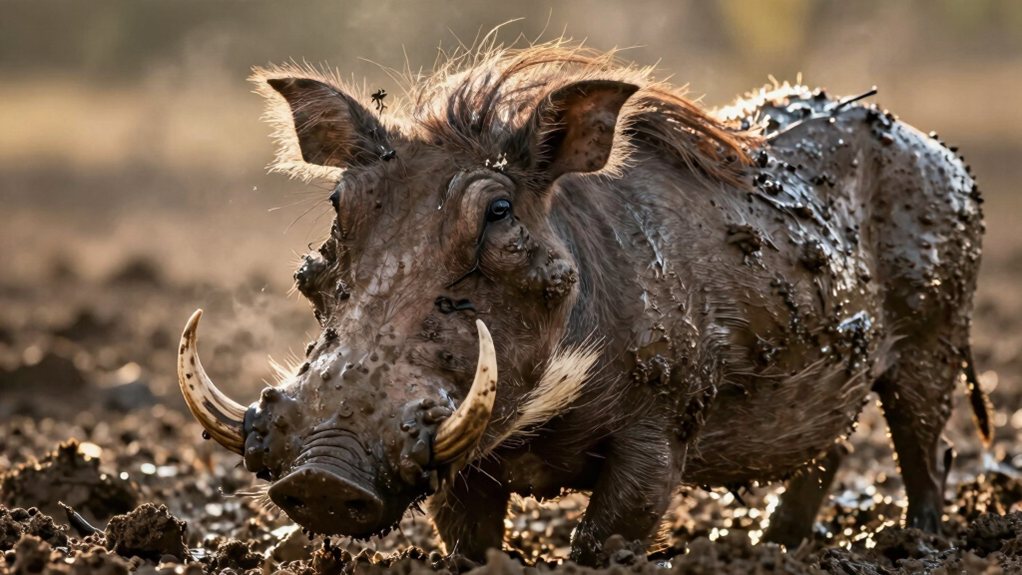
A pig wallowing in mud isn’t being sloppy. It’s actually cooling off and protecting its skin. So, judging by diet or habitat alone? Not fair.
Some “dirty” animals are secretly clean freaks in their own way.
Others thrive in messes without getting sick, thanks to amazing biology.
Instead of calling them filthy, maybe we should be impressed.
After all, surviving where others couldn’t? That’s not gross. That’s kind of awesome.
The Filthiest Animal on Earth: Our Verdict
Let’s cut to the chase. When it comes to the title of *the filthiest animal on Earth*, one creature keeps showing up like an uninvited guest at a dinner party: the common rat.
You’ll find them in sewers, kitchens, and subway tunnels, thriving where most animals wouldn’t last a day.
Rats don’t just live in filth—they practically throw parties in it.
Rats don’t just live in filth—they throw full-blown ragers in it, dancing through dumpsters like they’re headlining the dirtiest party on Earth.
Their mating rituals are *intense*.
A single pair can turn into hundreds in months.
And their migration patterns? They follow food, not seasons, so they’re always one dumpster away from your backyard.
Sure, they groom themselves (yes, really!), but their lifestyle choices make up for it.
They eat waste, crawl through garbage, and spread disease without a second thought.
While other animals have dignity, rats welcome chaos.
Love ‘em or hate ‘em, they’re the ultimate survivors—messy, clever, and everywhere.
Sorry, nature—but the crown goes to the rat.
Pigs: Nature’s Muddiest Mammals-Or Just Misunderstood?
You’ve probably seen pigs rolling in mud and thought, “Gross!”
But what if you’re actually judging them too fast?
They’re not being dirty on purpose.
They’re just trying to stay cool and avoid sunburn because they don’t sweat like we do.
And hey, if you’d to forage for dinner every day, you might get a little muddy too!
Mud Wallowing Explained
Ever wonder why pigs seem to throw the messiest parties in the animal kingdom, flopping, rolling, and snorting in mud like it’s their favorite pastime? Well, it’s more than just for fun, though they probably think it is.
You see, pigs don’t sweat like we do, so they need another way to stay cool. That’s where mud insulation comes in. The wet, gooey layer acts like nature’s AC, helping with temperature regulation when the sun turns up the heat.
It also protects their skin from sunburn and bugs. Talk about a full-body sunscreen with benefits!
Cleanliness Misconceptions
Why do we keep calling pigs the dirtiest animals when they’re actually some of the cleanest at heart? You might be surprised to learn that wallowing in mud isn’t a sign of filth. It’s a smart evolutionary adaptation.
Pigs don’t have sweat glands, so they use mud to cool off and protect their skin from sunburn and bugs. Pretty clever, right?
And when it comes to social behavior, pigs are thoughtful roommates. They keep separate areas for sleeping, eating, and bathroom breaks.
If they’d a home, you’d probably find them with a tidy schedule and spotless corners.
So next time you see a pig in the muck, don’t judge. They’re not being gross. They’re just living their best, sun-safe life.
Turns out, calling someone “dirty as a pig” is actually a compliment they don’t deserve!
Natural Foraging Behavior
What if the real reason pigs love to root around in the dirt has less to do with being messy and more to do with being brilliant?
You see, pigs aren’t just wallowing for fun. They’re masters of foraging efficiency.
With their strong snouts, they dig deep, uncovering roots, insects, and tasty treats hidden underground.
This natural behavior helps them make smart food selection choices, guaranteeing they get the best nutrients.
Unlike animals that graze blindly, pigs assess their environment, sniffing out quality meals like a furry food critic.
Sure, they get muddy, but that’s not laziness. It’s strategy.
The mud even cools them down and protects their skin!
So next time you see a pig happily splattered in muck, don’t judge.
They’re not filthy. They’re focused, clever, and seriously good at finding dinner.
Who knew nature’s muddiest mammal was actually a survival genius?
Rats: Why They Thrive in the Dirtiest Cities
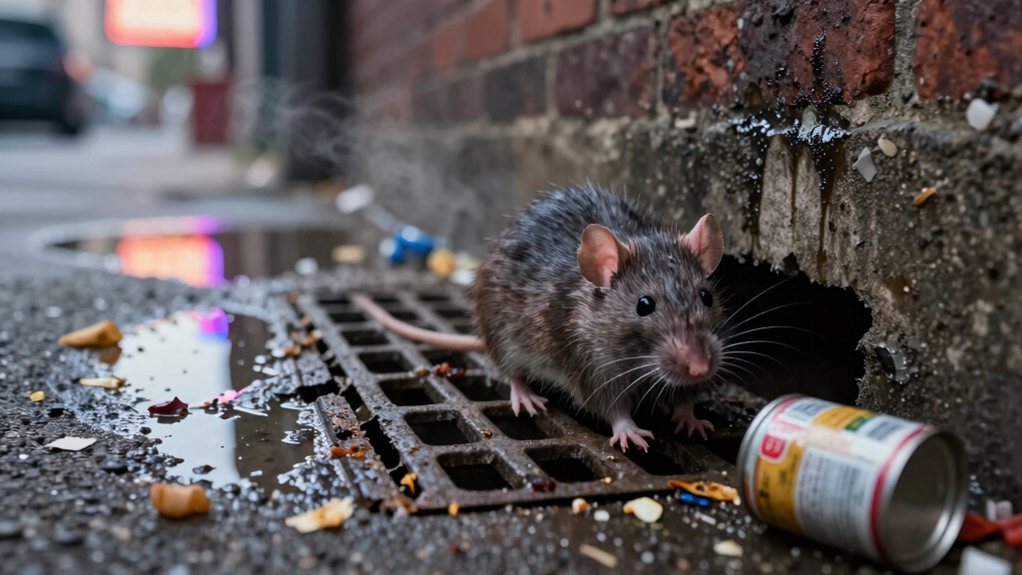
How do rats manage to turn even the grimiest corners of a city into their personal playgrounds? You’ve probably heard the urban legends, rats in sewers the size of cats, sneaking into homes at night. And yeah, they’re tough, but let’s bust some disease myths. Not every rat’s a bubonic time bomb.
They thrive because they’re smart, adaptable, and excellent at finding food. Thanks, overflowing trash cans.
Cities give them shelter in walls, tunnels, and dumpsters, basically five-star rat hotels.
They breed fast, stay hidden, and dodge predators with ease.
Sure, they’re not winning any cleanliness awards, but they’re survivors.
Think of them as nature’s ultimate recyclers, even if their habits make you cringe.
Vultures: How Eating Rotting Flesh Keeps Them Clean
Ever wonder how something that feasts on roadkill and rotting carcasses manages to stay so darn healthy?
Meet the vulture, nature’s ultimate cleanup crew with a secret superpower.
These birds are scavenger sanitation pros, turning what looks like dinner from a dumpster into a perfectly safe meal.
You’d think they’d be germ magnets, but nope—they’re walking (well, flying) disinfectants.
Thanks to their crazy-strong digestive immunity, deadly bacteria like anthrax and botulinum can’t survive the acid bath in their stomachs.
Vultures eat rotting meat that would poison most animals.
Their stomach acid kills dangerous pathogens instantly.
They help prevent disease by cleaning up carcasses fast.
Digestive immunity makes them nearly disease-proof.
Scavenger sanitation keeps ecosystems healthier.
Nature’s gross, but vultures? They’re the clean freaks we never knew we needed.
Cockroaches: Survivors of the Filthiest Places on Earth
You might give vultures credit for cleaning up nature’s messes, but let’s be real: cockroaches have been thriving in the grungiest corners of the planet long before anyone called them gross.
These nocturnal scavengers creep around when you’re asleep, snacking on crumbs, grease, and things you don’t even want to name.
They’re not picky eaters, which is why they survive everywhere—from sewers to your kitchen behind the fridge.
Urban infestations happen fast because one roach can turn into dozens before you even spot the first one.
They squeeze through tiny cracks, avoid your slippers, and somehow live for weeks without food.
Sure, they’re tough, but let’s not pretend they’re clean.
They crawl through garbage and carry bacteria, making them pretty filthy roommates.
Still, you’ve got to admire their survival skills—even if you’d never invite one to dinner.
Hyenas: The Stinkiest Predators in the Wild
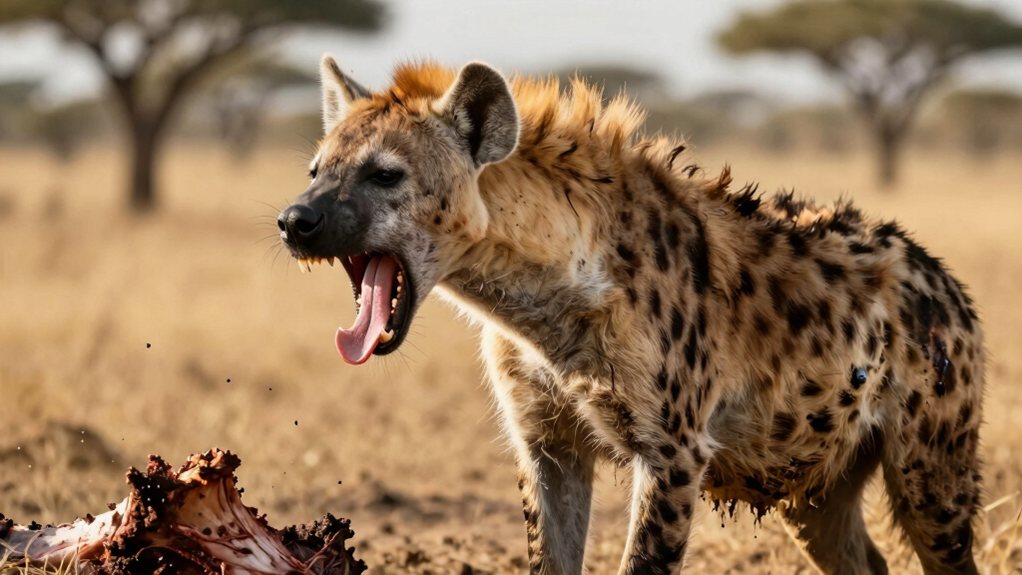
What if the real stinkers of the savanna aren’t the ones you’d guess? You might think lions or vultures win the stink prize, but hyenas are the true champions. These clever predators use scent marking like nature’s graffiti to show off their territory.
Their stink isn’t just gross.
It’s strategic.
- Hyenas have special glands that ooze a foul, paste-like fluid called “hyena butter”
- They rub this stink juice on grass to communicate with others
- This scent marking helps avoid fights by saying, “I was here!”
- Their territorial behavior keeps rival clans in check
- That musky smell? It’s like a smelly ID badge for the wild
Houseflies: The True Champions of Filth and Disease
Meet the tiny, buzzing bandit that’s been crashing picnics, dodging swats, and turning your kitchen counter into a germ highway, the housefly.
You might swat it away as merely a nuisance, but this little flier is a master of germ accumulation.
It lands on trash, poop, and rotting food, then brings those microbes straight to your sandwich. Yuck!
Houseflies don’t merely carry bacteria. They’re basically flying petri dishes.
With every stop, they pick up and spread disease transmission like pros.
Think salmonella, E. coli, even typhoid.
And get this: they vomit and poop where they land.
Yes, on your food!
But hey, at least they’re bad at aiming, right?
Still, don’t let their size fool you. These tiny terrors pack a filthy punch.
So next time one buzzes by, remember: it’s more than annoying.
It’s a health hazard with wings.
Stay alert, stay clean, and maybe keep that flyswatter handy.
Final Thoughts
So, you’ve met the messiest mammals and dirtiest diners of the animal world: cute, gross, or just misunderstood. Turns out, “filthy” isn’t always fair; often, these creatures are just doing their job.
Pigs wallow to cool off, vultures clean up nature’s leftovers, and flies? Well, they’re kind of gross—but essential. Next time you cringe at a cockroach, remember: without them, the world’d be *way* dirtier.
Nature’s cleanup crew? Weird, stinky, but honestly, kind of awesome.