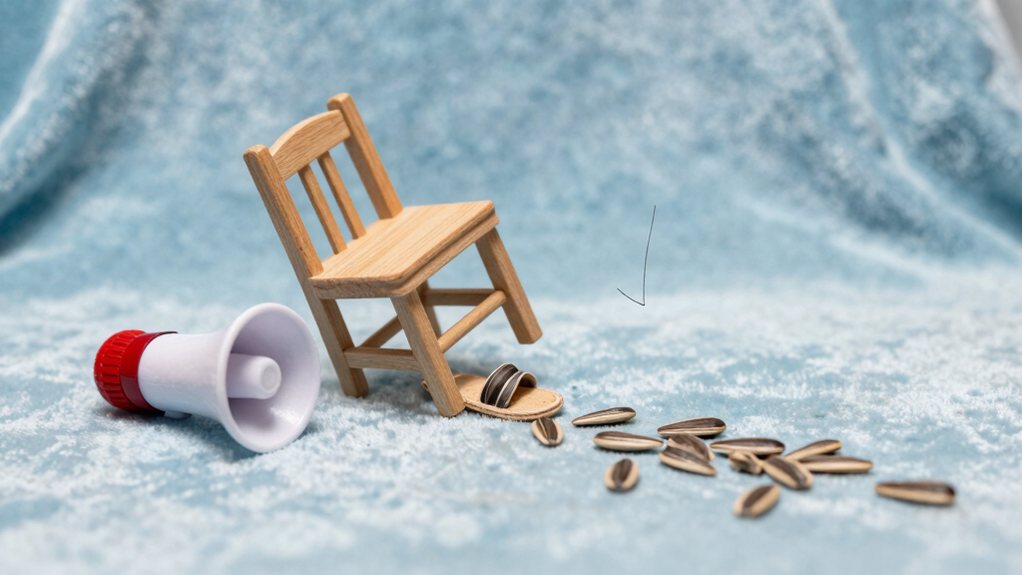
You don’t punish a hamster for biting. It’s like yelling at a toddler for sneezing. Stay calm, gently pull away, and wash the spot.
Yelling or tapping the cage just scares them more. Biting usually means they’re stressed, scared, or confused, not “bad.”
Build trust with quiet time, treats, and soft words. Reward calm moments, keep their space peaceful, and handle them gently. Do this consistently, and you’ll see sweet changes faster than you think.
Respond Calmly After a Hamster Bite

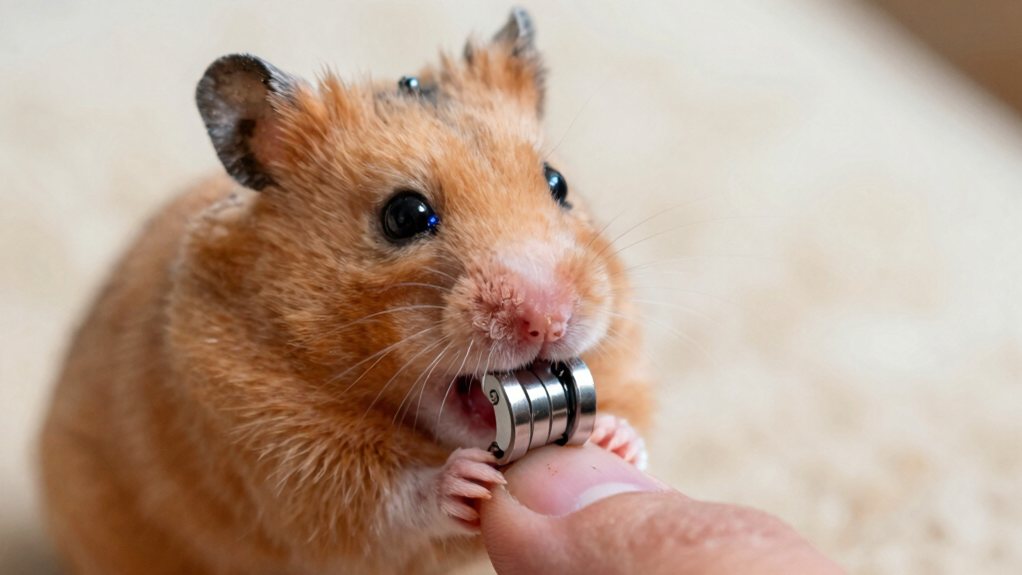
So, your hamster just sank its tiny teeth into your finger. Now what? First, stay calm. Hamsters have small jaws and limited bite force, so while it might sting, you’re probably more surprised than hurt. Remember, their hamster anatomy isn’t built for serious damage. They’re more scared than aggressive.
Your hamster nibbled you? Stay calm—they’re tiny, scared, and built for nibbles, not harm. It’s a surprise, not an attack.
Don’t yell or pull away sharply. That could scare them more. Instead, gently pull back and let them retreat.
Wash your finger with soap and water. Better safe than sorry.
Then, take a breath. Your reaction matters. If you stay cool, your hamster will learn you’re not a threat.
Think of it like a tiny misunderstanding, not a crime. A little patience goes a long way.
Stay calm, stay kind, and you’ll both bounce back fast. With fewer nibbles next time.

[ All-Natural Materials ] Made from 100% natural materials, with no artificial harmful additives or preservatives, ensuring a safe and healthy option for your pets.

ENRICHING ACTIVITY: Encourage natural foraging and play by hiding food, hay, or treats inside the cube; Perfect for hamsters, gerbils, rats, guinea pigs, and rabbits, it promotes mental stimulation, exploration, and healthy chewing behaviors

【11Pack Hamster Activity Toys】Hamster activity toys set includes apples wood molar string, apples wood dumbbell, unicycle, bell roller, square molar block, apples wood ladder bridge, 50g apple branch,2* pinecone, seagrass ball, willow rattan ball. Very suitable for small animals molar and relieve tne boredom.
Don’t Punish: It Makes Biting Worse
Now that you’ve stayed calm and handled the bite like a pro, it’s time to talk about what *not* to do.
As tempting as it might feel, punishing your hamster won’t help.
Hamsters don’t understand punishment the way we think they do.
Yelling, tapping the cage, or worse? That just scares them and makes biting more likely.
Seriously, it’s like scolding a goldfish. It’s not going to learn a thing.
Instead, focus on positive reinforcement.
Reward calm behavior with a treat or gentle praise.
Pair that with environmental enrichment.
Think tunnels, chew toys, and a fun wheel.
These keep your little buddy happy and distracted.
A stressed hamster is a nippy hamster, so make their world comfy and engaging.
You’re not raising a warrior.
You’re building trust.
And trust? That grows with kindness, not consequences.
Why Hamsters Bite (And How to Prevent It)
Ever wonder why your tiny furball suddenly turns into a mini ninja with teeth? Hamsters bite mostly because they’re scared, stressed, or misunderstood, not because they’re “bad.”
To keep those chompers to themselves, consider these key factors:
Stress from small cage size: A cramped home makes any hamster grumpy. Upgrade to a spacious cage for happy exploration.
Poor hamster diet: Hungry or nutritionally off-balance? That can lead to nippy behavior. Offer balanced pellets, fresh veggies, and occasional treats.
Sudden movements: You mightn’t mean to startle them, but quick hands near their face feel threatening.
Lack of trust: They need time to bond. Start slow with gentle handling and positive interactions.
Fix these, and you’ll likely see fewer surprise bites, and a much happier hamster.
Think of it as teamwork, not training.
Build Trust to Stop Fear-Based Biting
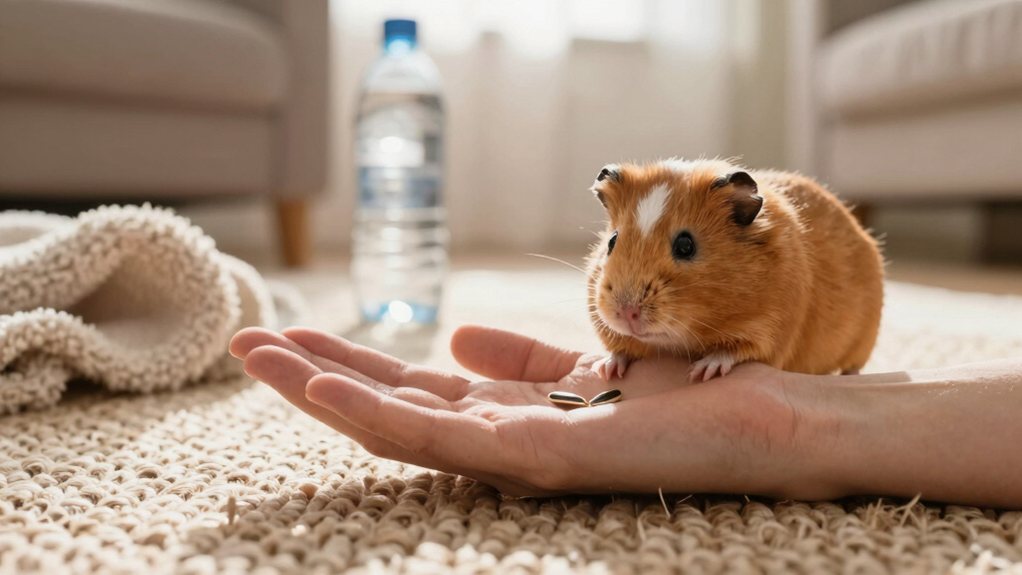
You can’t scold a hamster like a kid, but you *can* win its trust with calm, gentle handling. Spend a few minutes each day just sitting near their cage, talking softly. Soon, they’ll learn you’re not a threat, just a slightly clumsy giant.
Over time, consistent, patient interaction turns jumpy bites into curious sniffs. And that’s when you know you’ve made a tiny, furry friend.
Gentle Handling Builds Trust
When your hamster nips at your fingers, it’s easy to take it personally, like they’re giving you a tiny, toothy review of your handling skills.
More often than not, that little bite comes from fear, not fury.
Gentle handling builds trust and turns skittish side-eye into sweet snuggles.
Create a safe environment and use positive reinforcement to show your hammy you’re the good guy, not a giant claw monster.
- Let your hamster sniff your hand before lifting them
- Scoop from below, not over the back like a hawk attack
- Handle in calm, quiet spaces with no sudden moves
- Offer a treat after calm behavior to build happy associations
You’re more than merely holding a hamster.
You’re building a friendship, one careful touch at a time.
Consistent Interaction Reduces Fear
Spending a few quiet minutes with your hamster every day does more than just fill their snack bowl. It slowly chips away at their fear like a tiny, determined sculptor.
You don’t need grand gestures; just showing up consistently helps your little buddy feel safe.
A steady daily routine makes the world less scary for them: it’s like knowing bedtime stories will come at the same time each night.
When your hamster trusts you, biting drops off because they’re not on high alert.
Use positive reinforcement: offer a sunflower seed after calm behavior, or gently praise them when they sniff your hand without lunging.
It’s not about scolding—it’s about building good vibes.
Think of it as friendship homework you both pass by just hanging out.
Over time, your presence becomes comforting, not confusing.
Keep it simple, stay patient, and laugh when they boldly steal your heart (and maybe your sock).
Handle Gently to Prevent Startled Bites
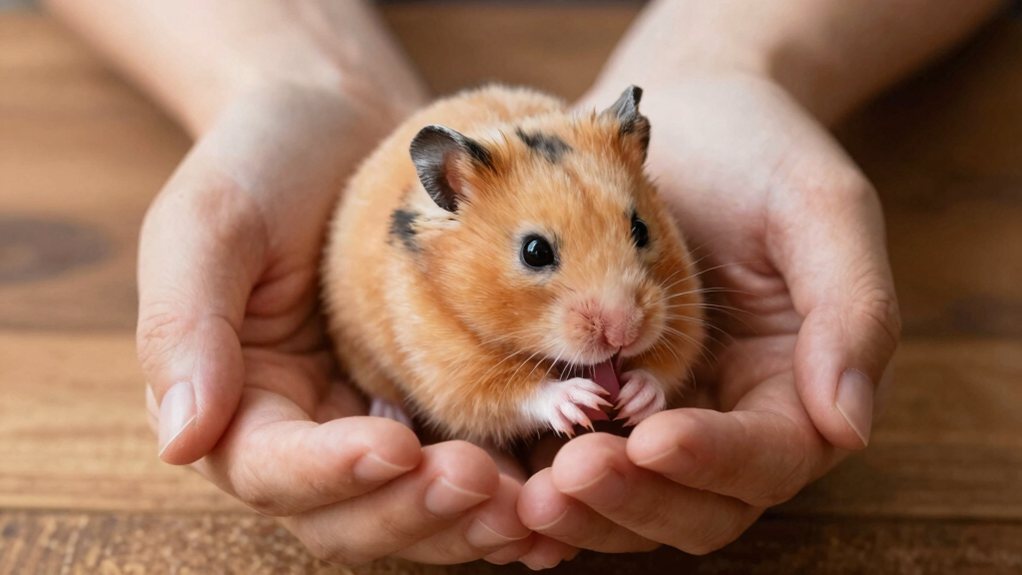
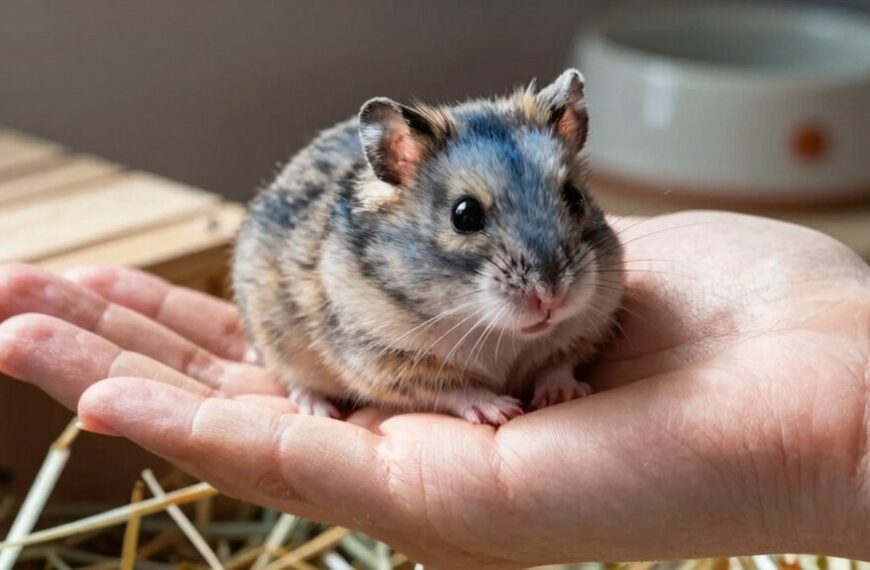
You wouldn’t want someone suddenly grabbing you out of nowhere, right? So when you reach for your hamster, slow down a bit. Approach calmly, let them sniff your hand first, and scoop them up gently with both hands to support their whole body.
That little guy’s not trying to be mean. He’s just scared, and treating him like a tiny, jumpy roommate instead of a stuffed animal makes all the difference.
Gentle Handling Prevents Bites
Though hamsters may look tough in their tiny, whiskered faces, they’re actually pretty sensitive. Handling them with care isn’t just kind, it’s your best defense against surprise nips.
Building trust through gentle handling creates a safe environment where your hamster feels secure, not scared. Use positive reinforcement, like a treat or soft praise, to reward calm behavior.
Over time, your hamster will learn that your hands mean good things, not danger.
- Wash your hands before handling to remove food scents that might confuse them
- Scoop them gently from below instead of grabbing from above (it’s less scary!)
- Spend time near their cage daily so they get used to your voice and scent
- Limit handling sessions at first to avoid overwhelming your little buddy
You’ll both enjoy a happier, bite-free friendship.
Approach Calmly And Slowly
Most of the time, a startled hamster is just a scared hamster looking for a way to feel safe. If you rush in like a storm, those tiny teeth might come out as a defense. So, slow down. Approach your little buddy calmly and slowly, letting him see and sniff your hand first.
This isn’t about aggressive training or dominance assertion. It’s about trust. You’re not trying to win a power struggle with a furball the size of your fist.
Talk softly, move gently, and give him time to adjust. Sudden movements can send the wrong message, like you’re a giant predator invading his space.
Instead, be the chill giant who brings snacks and quiet vibes. Think of it as hamster diplomacy.
Over time, he’ll learn you’re not a threat. And guess what? Fewer bites. Who knew peace could start with just slowing your roll?
Support Body Fully
Getting close calmly sets the stage, but how you pick him up makes all the difference. Supporting your hamster fully isn’t merely kind. It prevents startled bites and builds trust.
Think of it like a tiny hug: secure, warm, and reassuring.
- Scoop gently with both hands, cradling his whole body to avoid wobbling
- Keep movements slow, like you’re sneaking out of a room with a sleeping baby
- Avoid grabbing or squeezing. He’s not a stress ball, even if he looks like one
- Return him calmly to his hamster habitats or during toy rotation if he seems uneasy
You’re not merely holding a pet. You’re showing him the world isn’t so scary.
A well-supported hamster is a happy hamster, less likely to nip and more likely to nap in your palm. Who wouldn’t want that?
Watch for Early Warning Signs of Stress
Ever wonder why your hamster suddenly nips when they usually seem so sweet? It’s likely stress, and spotting early warning signs can help you avoid bites.
Watch for things like freezing in place, excessive grooming, or hiding more than usual. These behaviors often mean something in their hamster habitat isn’t quite right.
Stress triggers can be as simple as loud noises, sudden movements, or even a cage mate they don’t vibe with.
You know your little buddy best, so tune in when their routine shifts.
Maybe they’re not in the mood to be picked up — and honestly, who loves being startled during nap time?
By reading these cues early, you’ll prevent tension before it turns into a tiny chomp.
Stay calm, move slowly, and respect their space.
A happy hamster is a chill hamster — and that’s the goal.

Clear Panoramic View:This large hamster cage features clear acrylic panels on three sides, giving you a full view of your pet's daily activities. Unlike ordinary cages, this hamster enclosure eliminates blind spots, so you can watch, interact, and ensure your hamster's well-being at a glance
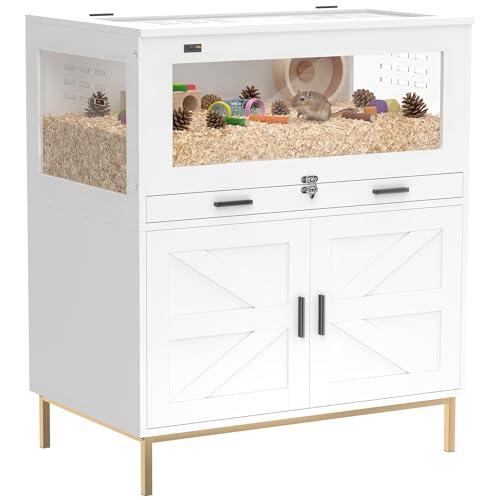
Spacious Living Area: Measuring 29.1"L × 17.5"W × 13.2"H, this hamster cage provides ample room for hamsters, hedgehogs, or bunnies to explore and play, while the lower level offers space for toys, bedding, creating a compact yet stylish setup

Spacious and Customizable Living Space: 15.83" in height, the hamster cage provides ample space for taller items on stands and allows for sufficient bedding for your hamster to burrow and dig. With dimensions of 31.5" in length and 16.02" in width, it offers plenty of room to roam and stay active. The large hamster cage accommodates toys, small platforms, food/water containers, exercise wheels, and a small house, creating a stress-free environment where hamsters thrive and display happiness.
Reward Gentle Behavior With Treats and Praise
Think of your hamster as a tiny, furry diplomat. They’re more likely to cooperate when diplomacy comes with snacks. Using positive reinforcement helps build trust and encourages gentle behavior through behavioral conditioning.
Instead of scolding, reward the good stuff, like when they sniff your hand calmly or climb onto your palm without nipping.
- Offer a sunflower seed after calm interactions
- Say “Good hamster” in a soft, happy tone
- Gently stroke their back when they stay relaxed
- Repeat treats during quiet, bite-free handling
These small moments add up, turning fear into familiarity. You’re not bribing them. You’re teaching them the world (and your fingers) aren’t so scary.
Over time, your hamster will link your presence with tasty wins and kind words. Stay patient, stay consistent, and let those tiny, treat-motivated choices shape better behavior—one nibble at a time.
Reduce Noise and Distractions to Lower Stress
While your hamster mightn’t cover their ears like a toddler at a rock concert, loud noises and constant chaos can still send their tiny heart racing.
Hamsters are naturally skittish, and too much noise can stress them out, leading to grumpy bites.
You don’t need a full soundproof cage, but placing it in a quieter corner helps a lot.
Avoid slamming doors or blasting music nearby.
If your home’s a bit noisy, try using a small fan or white noise machine nearby to create a calming background hum.
It’s like spa music for hamsters, minus the cucumber slices.
Reducing distractions gives your little buddy a safe space to relax and feel secure.
When they’re calm, they’re way less likely to nip.
So keep things peaceful, and you’ll both be happier.
Think of it as hamster zen: quiet, cozy, and bite-free.
Stay Consistent to Build Long-Term Trust
Most of the time, your hamster isn’t trying to be a tiny grump. They just need to learn they can count on you.
Staying consistent helps build long-term trust, which is key to reducing biting.
Think of it like a hamster hierarchy: you’re not the boss, but the reliable friend they turn to.
Over time, your little buddy will feel safer and act less defensive.
- Stick to the same handling routine every day
- Keep cage decorations arranged similarly to avoid stress
- Respond calmly every time they nip, no sudden movements
- Offer treats consistently after calm interactions
It’s not about strict rules. It’s about being the steady presence in their whiskered world.
Soon, your hamster will see your hand not as a threat, but as the bringer of snacks and snuggles.
Trust grows slowly, but it’s worth the wait.
Final Thoughts
So, you got nipped. No big deal, it happens! Just stay calm, skip the scolding, and remember: your hamster isn’t trying to be a tiny villain.
Bites usually mean fear or stress, not meanness. With gentle handling, quiet time, and a few tasty treats, you’ll build trust in no time. Stay patient, keep it positive, and soon, your little buddy might just see you as the good guy—snack giver and all.

DELICIOUS, NUTRITIOUS RABBIT TREATS FOR BONDING: Crunchy, flavorful rabbit treats for bunnies made with real strawberries to support healthy enrichment; perfect treats for rabbits, guinea pig treats, and even hamster treats to build trust & interaction

FRUITY FLAVOR COMBINATION: Crafted with delicious cherry and banana, these bite-sized treats are made for dwarf hamsters, rats, and mice, offering a burst of sweet taste that will make snack time extra special.
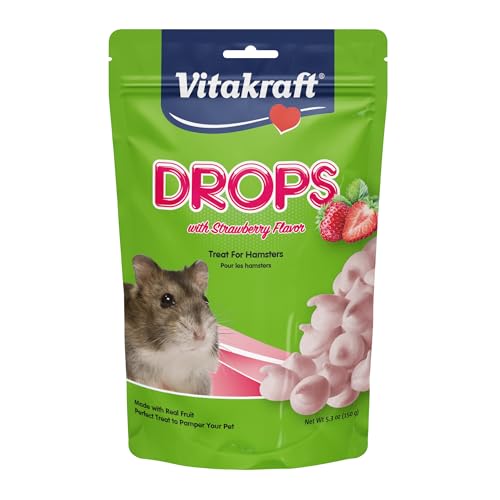
IRRESISTIBLE STRAWBERRY FLAVOR: Delight your hamster with delicious yogurt drops infused with natural strawberry taste, giving them the sweet reward they deserve during bonding and playtime.