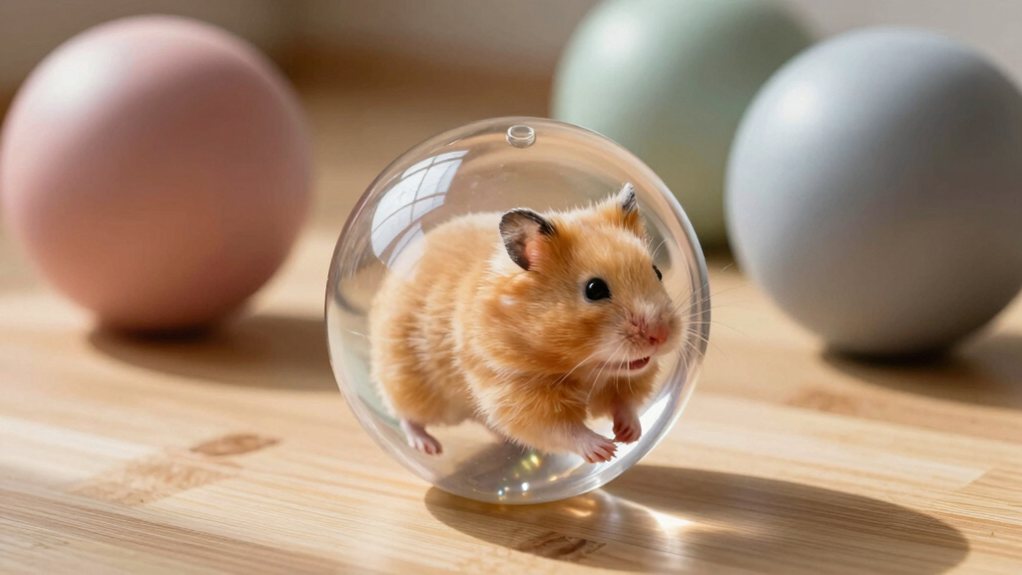
If you want a cuddly, easy-to-tame pal, go for a Syrian, they’re calmer and love bonding with you. But if you’re okay with a feisty little escape artist, a dwarf might be your spark.
Syrians need more space, but they’re tidy and live a bit longer. Dwarf hamsters can share a cage, with care, but watch their sugar intake.
Both make great tiny companions, just in different ways. Sounds like your perfect match is waiting to surprise you.
Syrian vs Dwarf Hamsters: Which Is Easier to Tame?

Let’s talk temperament. When it comes to taming, not all tiny paws are created equal. Syrians usually warm up faster, making them a bit easier to bond with over time. Their calm nature means you can build trust with gentle handling techniques, like letting them sniff your hand first.
Temperament differences really shine here. Syrians tend to enjoy cuddle time more, while dwarfs can be feisty or skittish, especially at first. But don’t write off dwarfs just yet.
With patience and consistent handling techniques, they can become sweet little pals too. Just remember, dwarfs might nip if startled, so move slowly and stay calm.
Think of it like making friends with a shy classmate. Kindness and time work wonders. Whether you pick a Syrian or dwarf, your gentle touch and daily interaction make all the difference. You’ve got this!
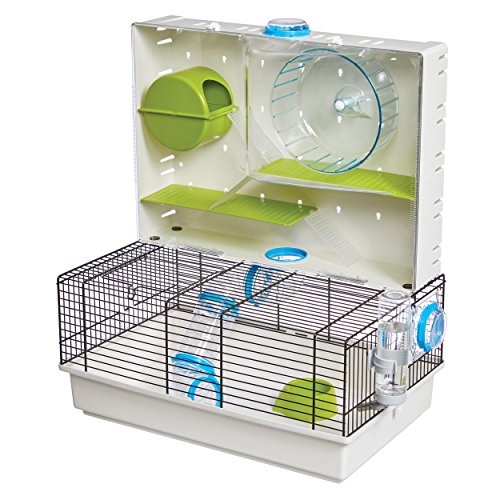
Fun Arcade Hamster Home features a cool multi-level play space to watch your hamster in action 18.11 length x 11.4 width x 21.5 height inches, 6.1 pounds

Fine Silica Sand: Bath sand is one of the necessary hamster accessories. And silica sand is a type of sand commonly used in hamster sand baths. It is a natural and absorbent fine sand that helps remove excess grease and dust from the hamster's fur, removes dirt and odors from the body, and keeps the little pet dry and clean
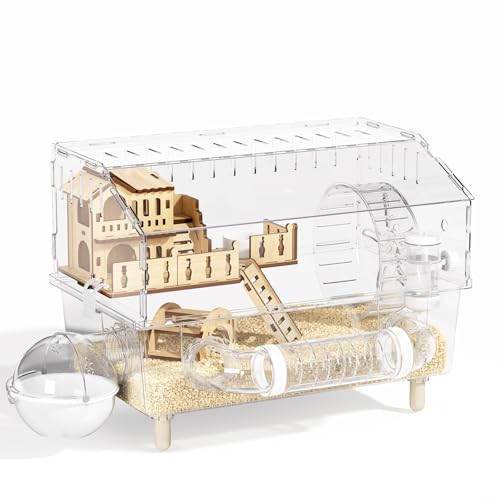
【Complete Starter Kit】This hamster cage comes with a complete set of accessories, including the cage itself, a wooden house, an 18cm silent running wheel, a sand bath, a tunnel, a water bottle, a food bowl, an arched bridge, a platform, and a ladder. All essential accessories are included, eliminating the need for additional purchases and ensuring your hamsters has a comfortable and enriching living environment.
How Much Space Does Each Hamster Need?
Now that you’ve got a handle on their personalities, it’s time to think about where your little buddy will call home. When it comes to cage size, Syrian hamsters need more space, think at least 450 square inches, because they’re larger and more active.
Dwarf hamsters are smaller, but don’t be fooled. They’ve got big energy in tiny bodies and still need room to roam.
Both types have high exercise needs, so a spacious cage with room for a wheel, tunnels, and toys is a must.
A cozy nest tucked in a corner where your hamster can snooze like a curled-up puffball
A whirling exercise wheel spinning as your hamster runs marathons at midnight
Tunnels zigzagging through the cage like a mini underground adventure
Give them space, and they’ll thrive—happy, healthy, and full of zoomies.
Ensuring proper ventilation requirements helps prevent respiratory issues and maintains a healthy living environment.
Syrian vs Dwarf Hamsters: Can They Live With a Friend?
Ever wonder why your Syrian hamster seems to throw a tiny tantrum when another hamster comes near? It’s all about social behavior. Syrians are loners by nature and can get stressed or even aggressive if forced to share their space.
Syrian hamsters are solitary by nature—one cage, one hamster. Sharing space stresses them out and can lead to grumpy outbursts.
They need their own cage setup, all to themselves, no roommates allowed.
But dwarf hamsters? They’re the chatty coworkers who actually enjoy company. With proper introductions, some dwarfs can live happily together, especially same-sex pairs.
Just make sure their cage setup is extra roomy, with multiple food bowls, hideouts, and toys to prevent squabbles. Still, keep a close eye—friendship isn’t guaranteed.
So, if you’re dreaming of a hamster buddy system, go dwarf. But if you’ve got a Syrian, respect their solo superstar status.
They mightn’t want a friend, but they’ll definitely want your love—and maybe a sunflower seed or two.
Lifespan and Health: Which Hamster Lives Longer?

While no hamster lives forever, trust us, we wish they did. Knowing what to expect can help you make the most of your tiny friend’s time.
Syrian hamsters usually live 2–3 years, while many dwarfs live 1.5–2 years, so Syrians often have a slight edge in lifespan. But longevity isn’t just about luck; it’s shaped by genetic predispositions and proper care.
Both types thrive on balanced dietary needs, like fresh veggies, quality pellets, and the occasional treat. Yes, they love sunflower seeds—just don’t overdo it!
A cozy, clean cage with soft bedding
A quiet corner where your hamster feels safe
Tiny paws sprinting on a well-fitted wheel
Watch for signs of illness early, since dwarfs can be prone to diabetes. With love and attention, your little buddy will live their best, fullest life—short as it may be.
Hamsters also rely on cheek pouches to store and transport food, a natural behavior that supports their instinctual need to hoard.

The house has enough room to your beloved pets,A quiet place to sleep.enjoy breathable and comfortable living,Not suitable for larger pets such as Totoro or Guinea pig.

The hamster house adopts a double-layered design with a ladder, satisfying the hamster's exploratory nature. They can climb up and down, play around the house and dig up bedding

Compact & Cute Design – This small and adorable wooden hamster house is perfect for young dwarf hamsters, mice, gerbils, rats, and other small pets. Its compact size makes it a cozy retreat for your pet.
Daily Care: Who Needs More Attention?
So, how much daily TLC does your hamster really need? Both Dwarf and Syrian hamsters thrive on routine, but their care needs differ slightly. You’ll feed both once a day, so sticking to a consistent feeding schedule is key. No all-you-can-eat buffets, even if they give you the “more food?” eyes.
Syrians are generally tidy and groom themselves well, so their grooming needs are low. Just spot-clean their cage regularly.
Dwarf hamsters are sprightly and may scatter food, so you’ll spend a bit more time tidying up.
Neither needs baths. Seriously, don’t try it. But a clean habitat keeps both happy.
While Syrians enjoy a good chin scratch, Dwarfs might zoom past before you blink.
Honestly, neither demands high maintenance, but a little daily attention—fresh water, a snack, and a gentle hello—goes a long way. You’ve got this!
Daily care takes minutes each day and primarily involves checking food and water, removing soiled bedding, and ensuring fresh, hydrating foods are offered in appropriate portions.
Final Thoughts
So, which hamster’s right for you? If you want a cuddly, easygoing buddy, go Syrian. They’re larger, calmer, and love one-on-one time.
But if you’re into tiny, zippy furballs, dwarf hamsters bring big energy in a small package. Just remember: Syrians need space and alone time, while dwarfs are social but speedy. Either way, you’re in for some whiskered charm and late-night wheel runs!
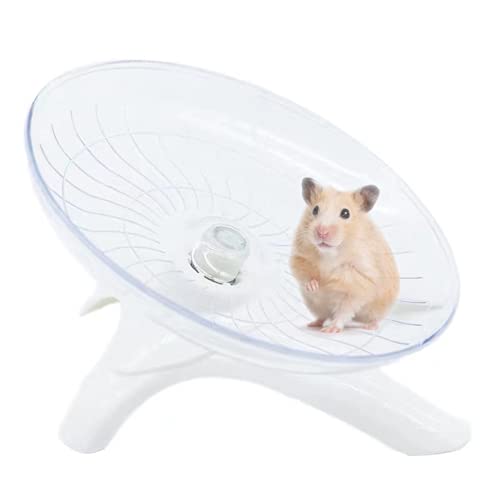
Item Specifications: Item Weight 110g/, 3.88ounce, 18*12*14 cm/7.08*4.72*1.57 inch

✅【Quiet Fun, No Disturbance】This silent hamster wheel is equipped with dual ball bearings for smoother, quieter spinning—while not completely noiseless, it's a great basic option that won't disrupt your daily life. Ideal for nighttime activity in shared spaces.

🐻 HAPPY FITNESS✔:hamster wheel 7 inch, brings your little hamster endless running happiness, Hamsters love the silent wheel like a runner, help them to enrich their nighttime, also keep them to exercise for maintaining their strength.