You’ll love starting with a Syrian hamster. They’re calm, easy to hold, and way less likely to bolt like a furry little ninja. They’re bigger, friendlier, and bond quickly, making them perfect for first-time owners.
Dwarf hamsters are cute but fast, feisty when startled, and harder to handle. Syrians also have simpler health needs and live slightly longer. Plus, they’re less escape-prone and easier to tame.
Stick with a Syrian, and you’re in for a sweet, low-stress friendship—with plenty of cozy chin scratches ahead. There’s even more good stuff to come.
Syrian Vs Dwarf: Who’s Better for Beginners?

So, you’re thinking about getting your first hamster, exciting! When it comes to Syrian vs dwarf hamsters, Syrians are usually the better pick for beginners. They’re larger, easier to handle, and less skittish. Plus, they’re totally cool living solo. No roommate drama.
Syrians are perfect for first-time owners—bigger, calmer, and totally happy flying solo. No drama, just adorable, low-key cuddle bugs.
Dwarf hamsters are adorable, sure, but they’re speed demons and can be a bit nippy if startled.
With feeding habits, both love seeds and veggies, but Syrians tend to be less picky.
Grooming routines? Lucky for you, both clean themselves like tiny, furry pros. No baths needed! Just spot-clean their cage weekly.
Syrians are also more likely to enjoy a little cuddle time. Well, as much as hamsters do.
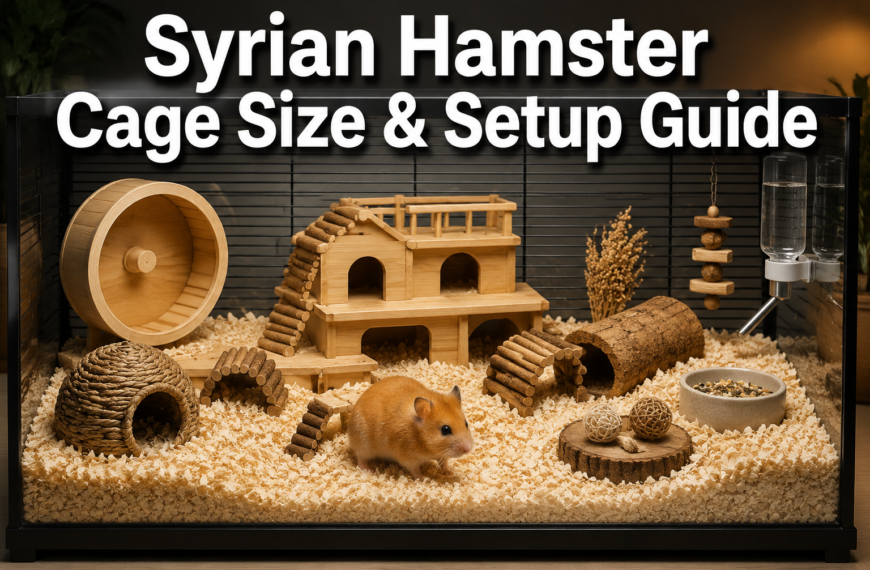
A properly sized minimum cage size helps prevent stress and supports natural behaviors like burrowing and exercise.
Size & Temperament: Which Is Easier to Handle?
You’ll notice right away that Syrian hamsters are chunkier and easier to handle, while dwarf hamsters are super tiny and quick, like they’ve had three espressos.
Syrians tend to be calmer and more laid-back, so they’re less likely to zip through your fingers or bite when startled.
Dwarfs can be feisty little escape artists, which makes handling them a bit more of a challenge, especially if you’re still getting the knack of hamster body language.
Size Comparison
When it comes to size, there’s no close call, Syrian hamsters are the gentle giants of the hamster world, typically growing to about 5 to 7 inches long.
While dwarf hamsters usually max out at a tiny 2 to 4 inches.
You’ll notice Syrians fill your palm, making them easier to handle, especially if you’re new to small pets.
Their longer coat length might need a little grooming, but it adds to their cuddly charm.
Dwarfs, with their shorter fur, are neater but lightning-fast—good luck catching them!
Diet preferences vary slightly, too; both love seeds and veggies, but Syrians tend to be less picky.
Honestly, it’s like comparing a cozy teddy bear to a pocket-sized ninja.
If you want a hamster that feels substantial and steady, go Syrian.
Just remember: bigger size doesn’t mean bigger attitude—they’re still sweethearts at heart.
Temperament Traits
What makes a hamster truly a good fit for your home, its size or its personality?
With Syrian hamsters, you’re getting a calm, friendly pet that loves a good chin scratch and doesn’t mind being handled.
They’re more laid-back, making them easier for first-time owners.
Dwarf hamsters are feisty little bundles, super active but sometimes nippy if startled.
Both are nocturnal, so don’t expect cuddles at noon, they’ll be busy running wheels or hiding snacks.
Grooming habits? Syrians clean themselves like tiny royalty, while dwarfs do too, but faster, like they’re racing the clock.
You’ll laugh watching them.
If you want a chill buddy who enjoys slow evenings, go Syrian.
Prefer a hyper little escape artist? Dwarf’s your guy.
Just know what you’re signing up for, snuggles or speed!
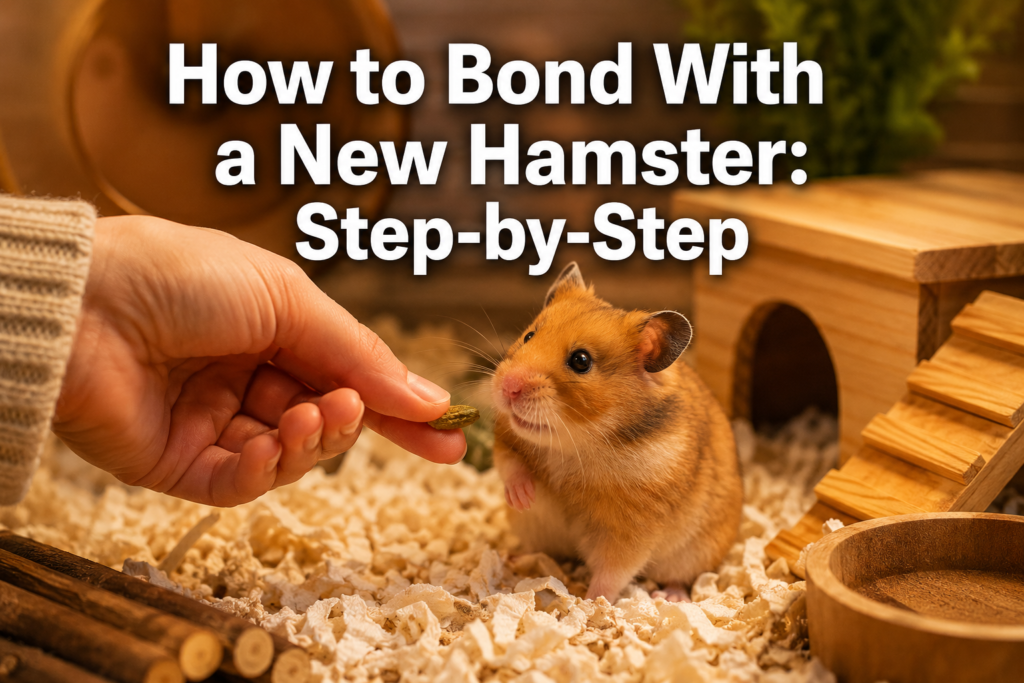
Bonding with either type takes time, but consistent, gentle interaction helps build trust, and you may eventually see signs like voluntary climbing onto hands as your hamster learns to recognize your scent and voice.
Syrian Vs Dwarf: Who’s More Likely to Escape?
You’ve got to keep an eye on those tiny escape artists, dwarf hamsters are way more likely to bolt than Syrians, thanks to their small size and sneaky habits.
They can squeeze through gaps as narrow as an inch, so your cage better be escape-proof or you’ll be hunting them behind the couch at 2 a.m.
Syrians are chunkier and less crafty, but don’t get lazy. Loose bars or flimsy lids mean trouble for either one.
A secure cage should feature chewproof and waterproof materials to prevent damage and escape attempts.
Escape Risk Comparison
While they might seem like tiny, harmless fluffballs, don’t let their adorable faces fool you.
Both Syrian and dwarf hamsters have a sneaky side when it comes to escape behaviors.
You’ll need solid containment strategies because these little Houdinis are crafty.
Here’s what you’re up against:
Dwarfs are smaller. They can squeeze through tinier gaps.
Syrians are stronger. They might push or chew weak cage parts.
Both climb well. Secure lids are a must.
Curiosity never sleeps. They’ll test every corner, every seam.
You’ve got to stay one step ahead.
A loose hamster isn’t just stressful.
It’s a hide-and-seek game you might lose.
But with the right setup, you’ll keep your tiny escape artist safely tucked in.
Stay vigilant.
Laugh when they surprise you.
And remember: the great escape is always on their minds.
Reinforce weak bars with a chew-proof cage cover to prevent determined gnawing and potential escapes.
Cage Security Needs
Since they’re both born with a knack for mischief, you’ll want to think like a hamster when setting up their home, because your fluffy little escape artist doesn’t see bars and walls, they see a puzzle waiting to be solved.
Syrian hamsters are larger, so they need a sturdier cage with secure cage material like thick plastic or metal bars close together.
Dwarf hamsters are smaller and sneakier, able to slip through tiny gaps, so your ventilation design must balance airflow with escape-proof spacing.
Wire cages work for Syrians if the gaps are narrow, but dwarfs often need a glass tank or specially designed habitat.
Either way, always double-check latches and corners—both species will test weak spots.
A secure home keeps your curious buddy safe without stifling their spirit.
Think fortress with flair: strong, well-ventilated, and just boring enough that escape isn’t their full-time job.
Escaped hamsters typically hide nearby and can be recovered using sunflower seed trails.
Can They Live Together? The Social Needs Difference
- Syrians need solo living, no roommates ever.
- Dwarfs may share, but only with their own kind.
- Never mix species, it’s asking for trouble.
- Watch for fighting, even in dwarf pairs.
Keep them separate, and you’ll have two peaceful, tail-wiggling pals. Just not roommates.
Syrian Vs Dwarf: Who Tames Faster?
So, which little furball will warm up to you faster, your Syrian or a dwarf hamster? When it comes to taming speed, Syrians usually take the lead. They’re more laid-back and tend to bond quicker with their humans, often warming up in just a couple of weeks with gentle handling.
Syrians win the taming race—calm, cuddly, and quick to bond, they’re often comfortable with gentle handling in just a couple of weeks.
Dwarf hamsters, while adorable, can be a bit feistier and skittish, meaning your bonding time might stretch longer. But don’t worry, you’ve got patience, and treats help!
Syrians often enjoy a good chin scratch and respond well to calm voices, making the taming process feel like a sweet little friendship forming.
Dwarfs may surprise you too, once they trust you. So, if you’re keen for quicker cuddles, well, hamster-style, go Syrian. But if you love a fun challenge, a dwarf might just steal your heart, one tiny step at a time.
Cage Space: Which Breed Needs More Room?

Now that you’ve got a handle on which hamster might cozy up to you faster, let’s talk space.
Nobody likes a cramped roommate, not even a tiny one with a big personality.
When it comes to cage space, Syrian hamsters definitely need more room than dwarfs.
These guys are larger and love to roam, so skimping on space isn’t an option.
Here’s what you should know about room requirements:
- Syrians need at least 450 square inches of floor space.
- Dwarf hamsters do fine in 250–300 square inches.
- Bigger cages mean happier, healthier pets.
- Always prioritize floor space over height. Hamsters dig, not climb.
Give your Syrian the space they crave, and you’ll both sleep better at night.
No grumpy hamster tantrums.
A well-designed cage should also ensure proper wire spacing of 0.3 inches to prevent escapes and protect small limbs.
Syrian Vs Dwarf: Who Lives Longer?
While you might expect the tinier dwarf hamster to outlast their larger cousin, it’s actually the Syrian who tends to live longer, with a little luck and care. On average, Syrians live 2 to 3 years, sometimes even hitting the 4-year mark.
Dwarfs usually clock in at 1.5 to 2 years.
A big part of this difference comes down to lifespan genetics. Syrians are simply built to age a bit slower.
But don’t forget the aging environment. A clean cage, healthy snacks, and low stress can add months to your tiny buddy’s life.
You’re more than picking a pet. You’re signing up to be a tiny life coach.
Whether you choose Syrian or dwarf, you’ll want to cherish every squeak and snack attack. Time flies when you’re having fun, especially in hamster years!
Proper care including a balanced diet and daily exercise supports maximizing hamster lifespan and overall well-being.
Common Health Issues: Breed-Specific Risks
When it comes to health, both Syrian and dwarf hamsters can bounce back from a snack spill like it’s nothing, but each breed faces its own set of common issues. Syrians are prone to dental overgrowth, so chew toys are a must.
Syrians may bounce back fast, but dental overgrowth is a real risk—always keep chew toys on hand to keep those teeth in check.
Dwarfs, on the other hand, have a higher risk of diabetes, skip the sugary treats!
Wet tail prevention is key for Syrians, especially when they’re young or stressed. Keep their space clean and calm.
Here’s what to watch for:
- Dental overgrowth – check teeth weekly.
- Wet tail prevention – monitor poop and behavior.
- Diabetes signs – watch for excessive thirst in dwarfs.
- Weight changes – sudden loss or gain isn’t normal.
Stay alert, love your tiny furball, and you’ll both be doing just fine. A little care goes a long way!
To support healthy tooth wear and prevent overgrowth, provide safe, non-toxic chew toys made from 100% natural materials.
Final Verdict: Which Hamster Should You Choose?

You’ve checked the cages, stocked up on chew toys, and learned how to spot sneaky health red flags.
Now comes the fun part: deciding which little furball fits your life best.
If you’re after a hamster with simple feeding habits and doesn’t mind a little alone time, go for a Syrian.
They’re larger, easier to handle, and love a good routine.
Plus, their grooming routines are low-maintenance.
Just an occasional sand bath for dwarfs, but Syrians barely need help.
Dwarfs are adorable speedsters, but their tiny size and quicker movements can be tricky for first-timers.
They also have slightly more complex feeding habits and are prone to diabetes, so diet’s a bigger deal.
Honestly, if it’s your first time, the sweet, steady Syrian’s your best bet.
They’re like the golden retrievers of the hamster world—chill, friendly, and ready to bond.
Final Thoughts
So, which little furball should you pick? If you want a chill, easygoing pal who’s a breeze to handle, go for a Syrian. They’re bigger, calmer, and love one-on-one time.
But if you’re cool with a tiny speed demon who might zip through your fingers, a dwarf could be your wild little roommate. Just remember: Syrians need space, dwarfs need escape-proof cages, and neither likes roommates. You’ve got this!