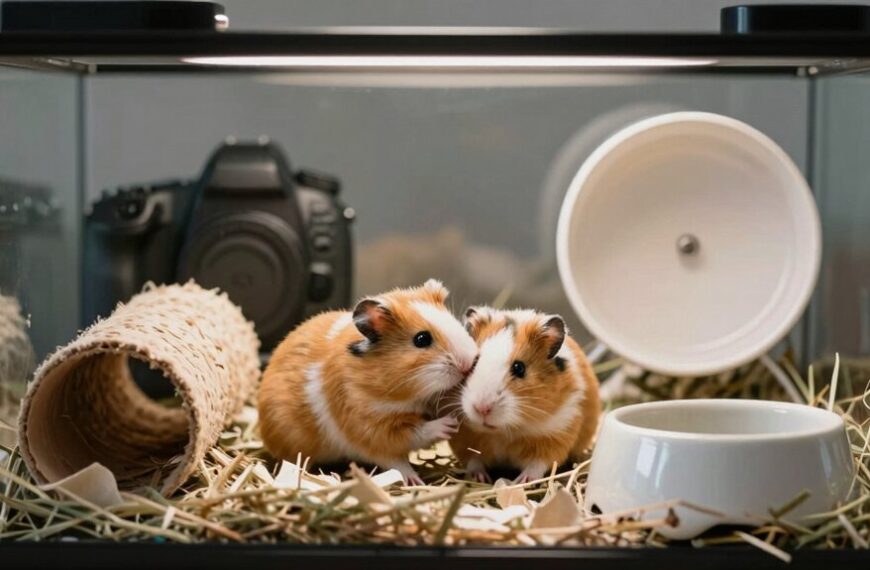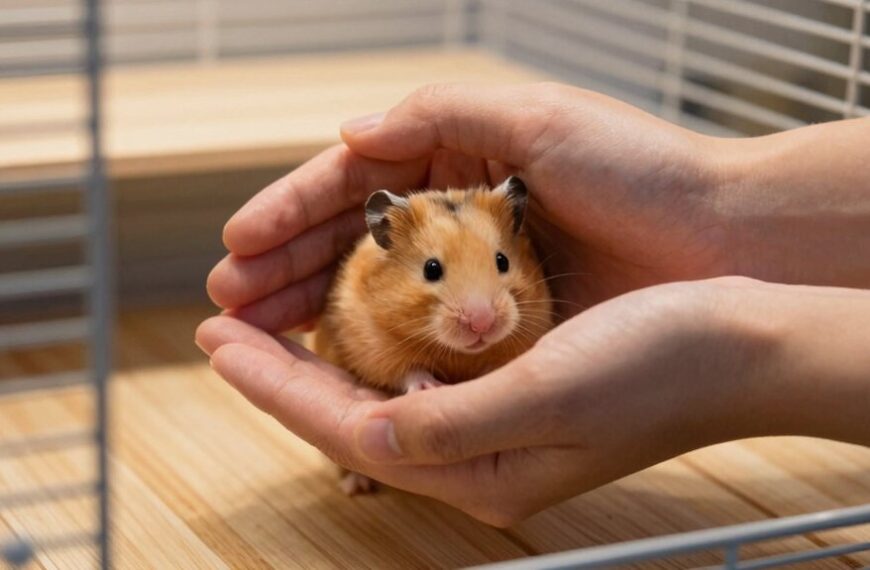
You’re better off skipping the pet store, those cramped cages and mystery breeders often mean stressed, unhealthy hamsters.
Instead, choose a rescue for a second-chance cutie or a responsible breeder who knows their hamsters’ genes and care. Either way, you’re supporting kindness and health over profit.
Plus, a well-cared-for hamster means fewer vet trips and more happy midnight zoomies. Stick around — there’s a smarter, sweeter way to find your tiny, furry friend.
Breeder vs. Rescue vs. Pet Store: Ethical Hamster Sourcing Compared
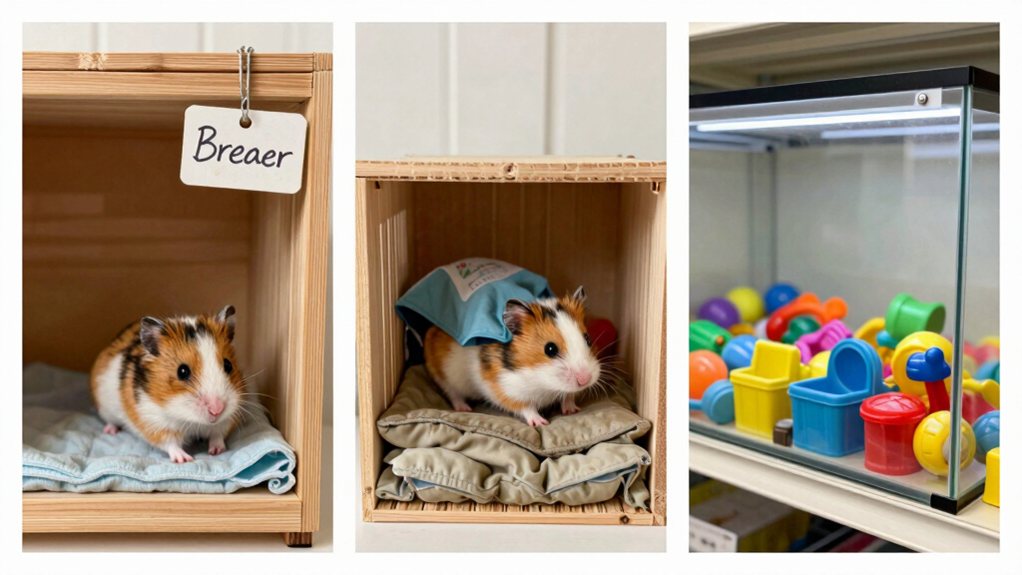
So, where should you get your hamster, breeder, rescue, or pet store? If you want to do right by your tiny, furry friend, rescues are often the most ethical choice. Many hamsters end up in shelters through no fault of their own, and giving one a second chance feels pretty great.
Reputable breeders can be good too, especially if they prioritize health, proper hamster habitats, and understand nocturnal behavior. But avoid pet stores. They often source from mass breeders with sketchy conditions.
Imagine your hamster stressed in a tiny cage, wide awake at night while the store’s bright lights stay on. Not cool.
Rescues and ethical breeders? They know their stuff. They’ll help you set up a cozy home that matches your hamster’s natural rhythm.
Plus, you’ll bond faster when your little buddy feels safe. Honestly, it’s a win-win: you get a pet, and they get a fresh start.
Why Pet Stores Fail Ethical Hamster Sourcing
You’ve probably seen those tiny hamsters stacked in cramped, noisy cages at pet stores.
Honestly, it’s not exactly a five-star hotel for them.
Breeders often stay hidden behind the scenes, so you can’t even check if the little guys came from a caring home or a mass-breeding mill.
Sure, they’re cute as a button.
But would you want to live in a closet with no privacy and nonstop roommates?
Poor Living Conditions
Ever wonder why that cute hamster in the pet store window looks a little less bouncy than you’d hope?
Chances are, it’s living in poor conditions you wouldn’t wish on your worst enemy, let alone a tiny, adorable furball.
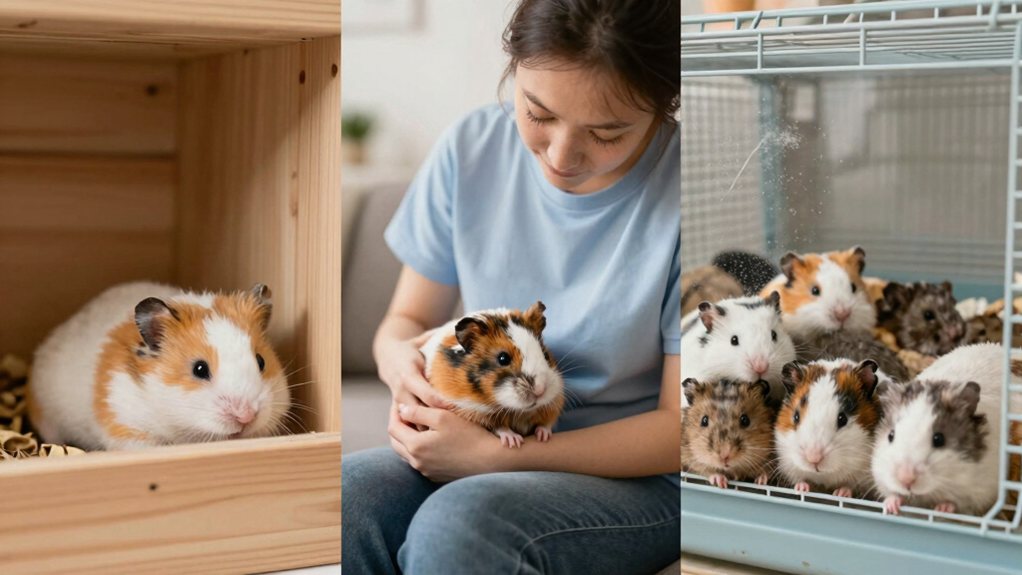
Many pet stores house hamsters in overcrowded cages with inadequate bedding, turning what should be a cozy home into a stressful mess.
Imagine trying to nap or stash snacks in a space like this:
- CAGES STACKED LIKE TINY, NOISY APARTMENT BUILDINGS, PACKED WITH TOO MANY ROOMMATES
- BEDDING SO THIN IT’S BASICALLY CARDBOARD—NO FLUFF, NO COMFORT, JUST OUCH
- CORNERS FULL OF DROPPINGS BECAUSE CLEANING FEELS LIKE AN AFTERTHOUGHT
It’s no wonder they seem down.
These little guys deserve better, like a soft nest and room to run.
Choosing ethical sources means saying no to this setup and yes to happier, healthier hamsters.
Limited Breeder Transparency
How do you know where your hamster really came from? When you buy from pet stores, the truth is, you often don’t. Many breeders supplying these stores lack transparency, hiding behind vague promises and cutesy packaging. Without clear records, it’s hard to know if your fluffy friend comes from healthy, genetically diverse stock.
Poor genetic diversity can lead to weak immune systems and quirky health issues. It can mean a hamster who’s more nap enthusiast than playful pal.
Reputable breeders follow strict breeding standards, but not all share their practices openly. That lack of honesty makes it tough for you to make an ethical choice.
It’s like buying a mystery box, exciting, sure, but risky. You want your hamster to thrive, not merely survive.
Red Flags of Hamster Breeding Mills
What if the cute little hamster you’re about to bring home came from a place that cared more about profit than paws?
Sadly, some breeding mills cut corners, putting hamsters at risk.
Watch out for red flags like:
- Overcrowded cages stacked high, where hamsters live in tiny, dirty spaces with no room to run or explore.
- Frequent litters from the same parents, increasing inbreeding risks and health problems down the line.
- Breeders who can’t answer basic questions about a hamster’s history, diet, or care, like they’re selling widgets, not pets.
These aren’t just grumpy guesses.
They’re real signs of trouble.
You want your fuzzy buddy to come from a place that loves them, not merely profits from them.
Choose a breeder who values whiskers over wallets—your hamster deserves love, not just a price tag.
A little research goes a long way.
Ask questions, visit if you can, and trust your gut.
Your future hamster will thank you with every happy wheel spin.
How to Find a Responsible Hamster Breeder
Where do you even begin when looking for a breeder who treats hamsters like tiny family members instead of cash crops? Start by asking questions, lots of them.
A responsible breeder happily shares info about hamster genetics, guaranteeing healthy, diverse litters instead of inbred fluff-balls with health issues.
Look for breeder certifications from trusted groups. They’re more than fancy paper, they show real commitment.
Visit their space if you can or hop on a video call.
Clean cages, happy hamsters, and detailed records are green flags.
Avoid anyone who breeds multiple species just for profit or won’t let you meet the parents.
Trust your gut. If something feels off, it probably is.
Finding the right breeder takes effort, but your little furball’s health and happiness are totally worth it.
Plus, who doesn’t love bragging about their ethically sourced, super-cute pet?
Why Rescue Hamsters Deserve a Second Chance
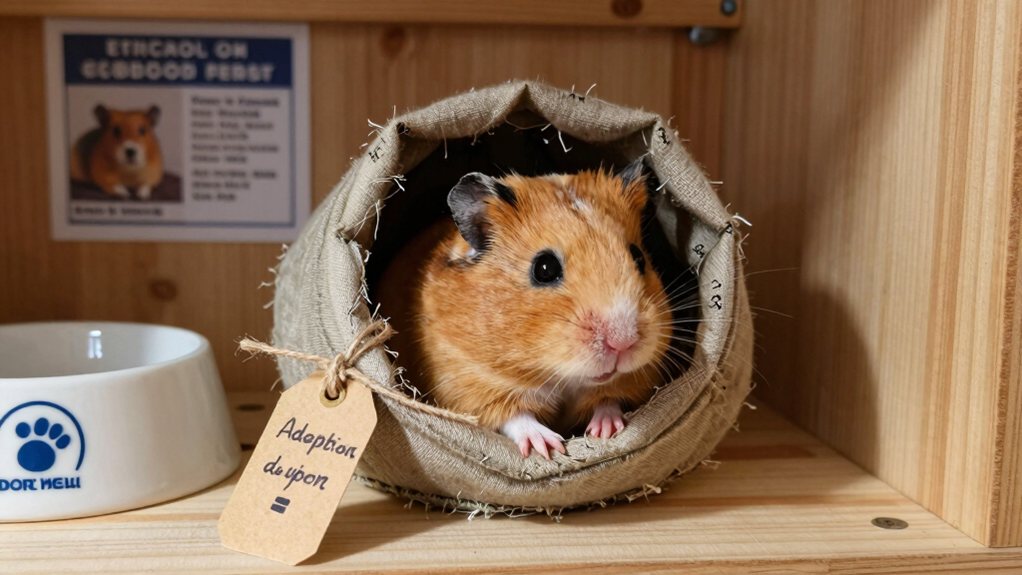
You know what, giving a rescue hamster a second chance doesn’t just change their life, it might just brighten yours too.
These little guys have been through the wringer, sure, but with a cozy cage, some tasty treats, and a bit of love, they bounce back with personality to spare.
Rescues need love too.
And honestly, who wouldn’t want a tiny, furry roommate who steals your socks and makes you laugh?
Second Chance, Better Life
Ever wonder what it’s like to give a tiny furball a fresh start? Adopting a rescue hamster isn’t merely a second chance for them, it’s the start of a better life, full of cozy bedding, tasty treats, and someone who finally listens to their squeaky opinions.
You’re not merely getting a pet; you’re becoming a hero in a story with tiny paws and big heart.
Visualize this:
- A once-neglected hamster now doing joyful wheel sprints at 2 a.m.
- Soft nesting material replacing cold cardboard, because everyone deserves comfort.
- Gentle fingers offering a sunflower seed, building trust one snack at a time.
You’re giving love where it’s needed most, and honestly? Their gratitude shows in every cheek-stuffed, “I’m-home” moment.
It’s not perfect, but it’s real. Together, you’re making it better.
Rescues Need Love Too
What if the bravest little hero you’ll ever meet fits in the palm of your hand and has a habit of hoarding snacks like a tiny, furry dragon? That’s exactly what you get with hamster adoption.
Rescues often come from tough situations, but they’re just as loving and lively as any other hamster. By choosing rescue support, you’re doing more than getting a pet. You’re giving a second chance.
These little guys don’t hold grudges. They just want a warm bed and someone to share their sunflower seeds with.
Plus, adopting helps reduce pet overpopulation and supports organizations doing amazing work.
Sure, they might need a little extra care at first, but with patience, they thrive.
You’ll laugh at their silly antics and melt when they nap curled in your hand.
Rescues need love too. You might just find yours is the perfect match.
Health Check: Breeder, Rescue, or Pet Store Hamsters?
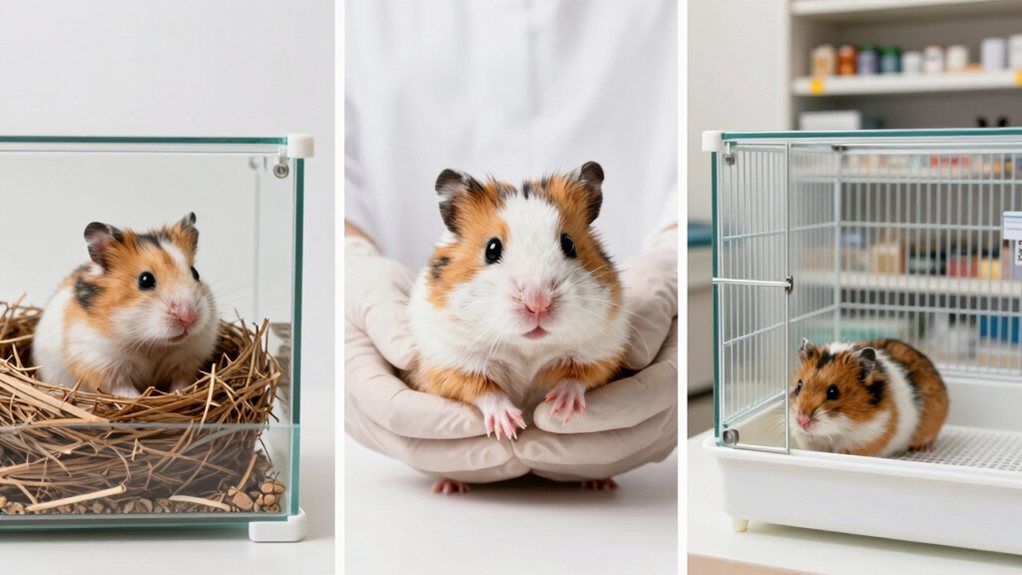
So, how do you know if that adorable little ball of fluff is actually healthy and happy? Whether from a breeder, rescue, or pet store, a good health check sets the stage for a joyful bond. Look for these signs:
- Bright, clean eyes – no goopy discharge or redness
- Silky, full fur – no bald patches or signs of chewing
- Active and curious – not lethargic or overly jumpy
With breeders, you often get better genetic diversity and a solid behavioral assessment.
Rescues are pros at matching you with a hamster that fits your vibe.
Pet stores vary. Ask questions and inspect carefully. You’ve got this!
A little attention now saves vet visits later.
And hey, a happy hamster means more midnight wheel runs and fewer worries. Win-win!
Cost of Ethical Hamster Sourcing: What You Really Pay
How much should you really expect to pay for an ethically sourced hamster? Well, it’s about more than the upfront price tag. Adopting from a rescue might cost $10–$25, while a responsible breeder could charge $30–$60 for a healthy, well-socialized pup.
Pet stores may seem cheaper, but hidden costs pop up fast, think vet bills for sick hamsters or replacing poor-quality cages.
Ethical sourcing often means spending a bit more at first, but you’ll enjoy long term savings from fewer health issues and happier pets.
Spend a little more upfront for an ethically sourced hamster and save on vet bills and heartache—healthier pets mean happier, smoother journeys together.
You’re also supporting better animal care, which feels pretty great.
Think of it like buying a sturdy backpack for school: spend a little more now, save a lot later.
Plus, who can put a price on peace of mind, and a hamster that doesn’t chew through your homework?
10 Questions to Ask Before Adopting a Hamster
Ever wonder if you’re truly ready to bring a tiny, whiskered roommate into your life? Before you adopt, ask yourself the real questions. Understanding hamster behavior helps you bond and avoid surprises, like midnight wheel marathons.
And a proper cage setup? Non-negotiable.
Think cozy hideouts, soft bedding, and space to explore. Here’s what to picture:
- A quiet corner of your home where your hamster won’t be startled by loud noises or pawing kids.
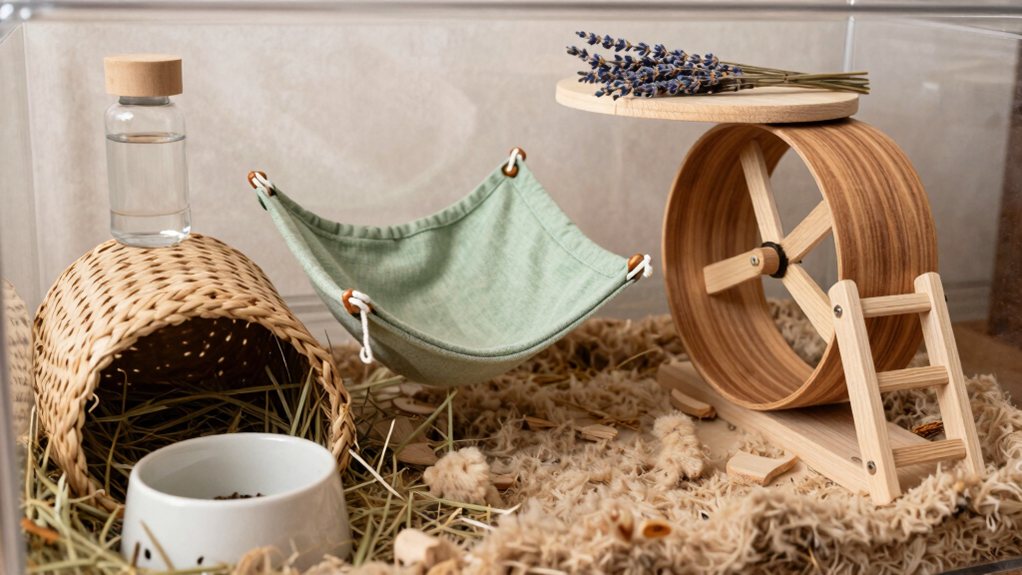
- A spacious cage with tunnels, chew toys, and a wheel big enough to keep that tiny back straight.
- A daily routine that includes feeding, spot-cleaning, and 10 minutes of gentle handling to build trust.
Adopting’s more than cute. It’s commitment. But get it right, and you’ve got a happy little friend for life.
Hamsters are naturally nocturnal animals and will be most active when you’re winding down for the night.
Choose the Best Source for Your Hamster
You’ve thought through the questions, pictured your quiet corner with the perfect setup, and even imagined your future hamster sprinting like a furry Olympian on its wheel. Now it’s time to figure out where your little buddy will come from.
Skip the pet shop if you can. Those hamsters often lack proper socialization, which can affect their behavior later.
Breeders are great if they’re ethical. Ask about genetics and cage enrichment practices.
But here’s a sweet twist: consider rescue. Rescued hamsters come with stories, sure, but many adapt beautifully and thrive with love.
Plus, you’re giving a second chance to a tiny soul who might’ve been overlooked.
Watch how they interact. Curious nibbles and calm exploration are good signs.
Whether bred or rescued, pick a source that values health, handling, and happy habits.
Your hamster’s future—full of tunnels, treats, and midnight wheel marathons—starts with a smart, kind choice.
Final Thoughts
You’ve got choices, and each one matters. Skip the sketchy pet stores and breeding mills, your fuzzy friend deserves better.
Whether you adopt from a rescue or find a responsible breeder, you’re more than just getting a hamster, you’re giving a home. Sure, they’ll chew your socks, but hey, that’s part of the charm.
Do your homework, ask questions, and choose wisely, because love, care, and a little googly-eyed cuteness? Totally worth it.