Yes, you should feed your hamster every day. Even though they stash food in cute little cheek pouches, a daily routine keeps their fast metabolism happy and helps you spot health issues early, like if they suddenly stop eating.
Offer a mix of quality pellets, fresh veggies, and the occasional treat, but watch portions; those hidden food bunkers add up! You’ll keep your fuzzy friend energized, shiny-coated, and thriving. There’s a bit more to get just right, so stick around to nail the details.
Yes, Feed Your Hamster Every Day
Actually, you don’t need to feed your hamster every single day, and that might surprise you! While regular meals keep your little buddy happy, skipping a day isn’t the end of the world.
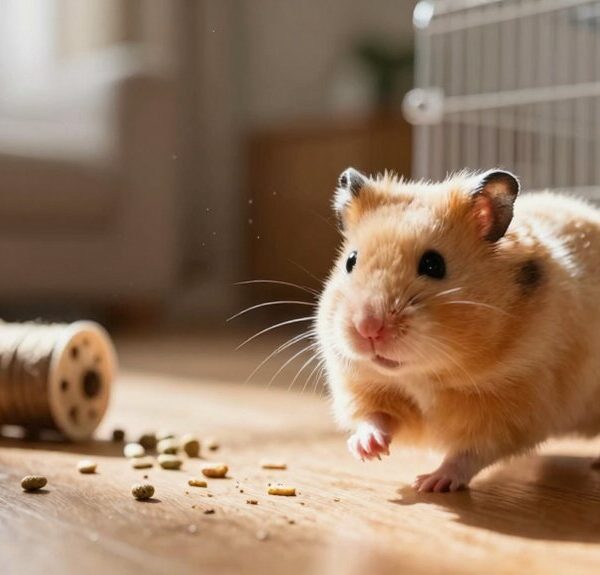
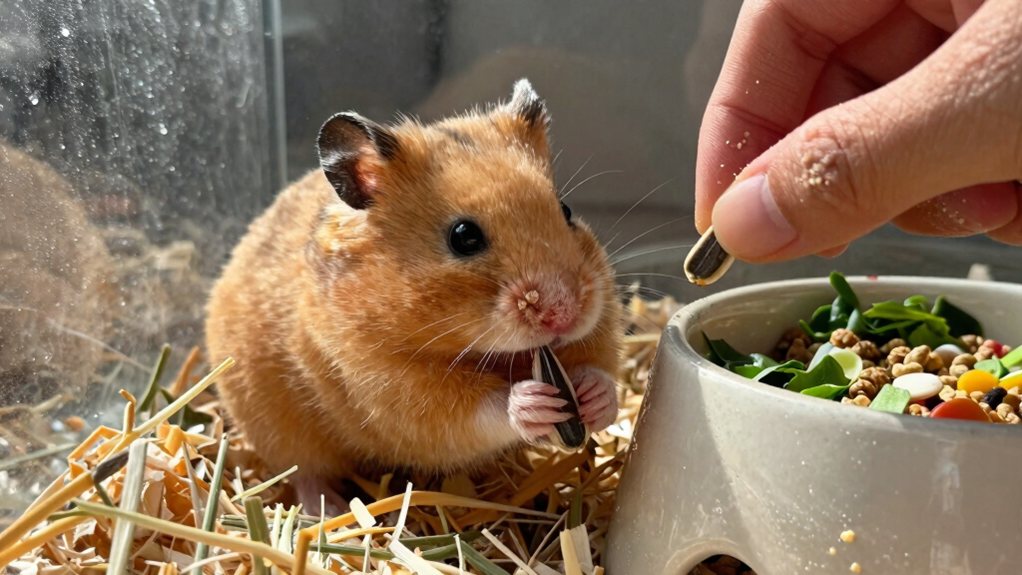
Hamsters are sneaky hoarders, stashing food in their cheeks and around their cage like tiny, furry squirrels.
During hamster hibernation, especially in colder temps, they may eat less or even seem to stop eating for a bit. That’s normal! Just make sure fresh food is available when they’re ready.
You can even use feeding time as a cue for cage cleaning, checking those hidden snack stashes so old food doesn’t go bad.
Think of it as a mini treasure hunt, minus the pirate hat (unless you’re into that). So relax, you don’t need to set an alarm. Just keep an eye on your pet, stay consistent, and enjoy those cute munching sounds.

ENHANCED BY NUTRITIONAL SCIENCE. The Kaytee Forti-Diet Pro Health Hamster & Gerbil Food is backed by the latest nutritional science to tailor a diet for your hamster or gerbil.
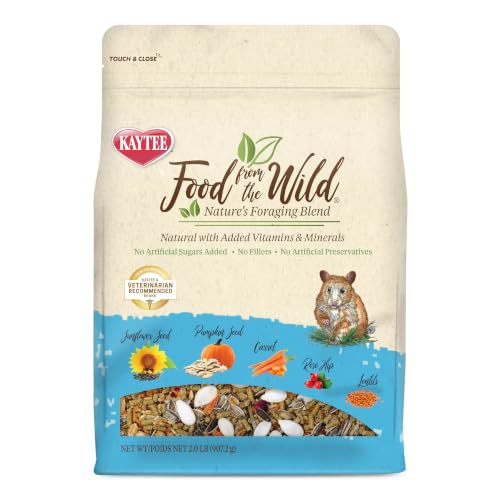
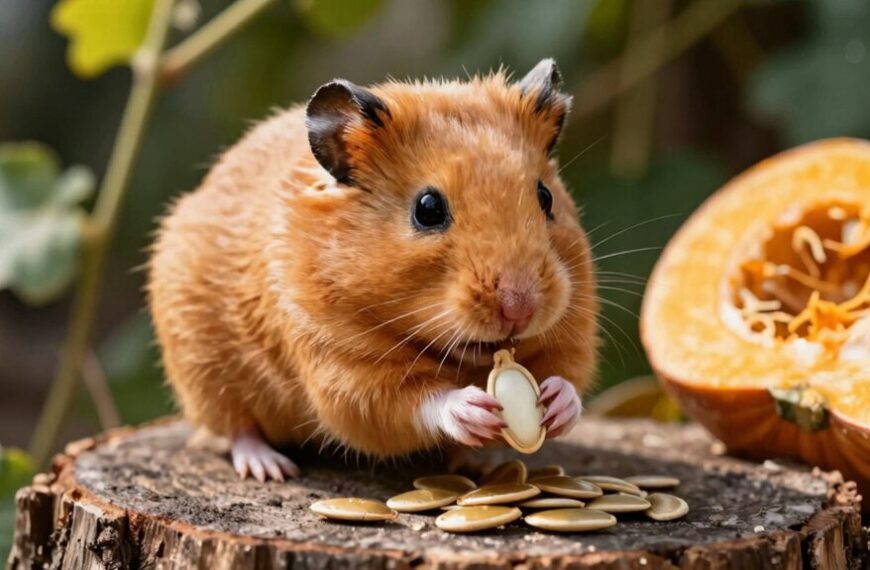
INSPIRED BY WILD FORAGING HABITS with hand-selected ingredients like sunflower seed, peanut, pumpkin seed, carrot, and rose petal

Why Daily Feeding Prevents Health Problems
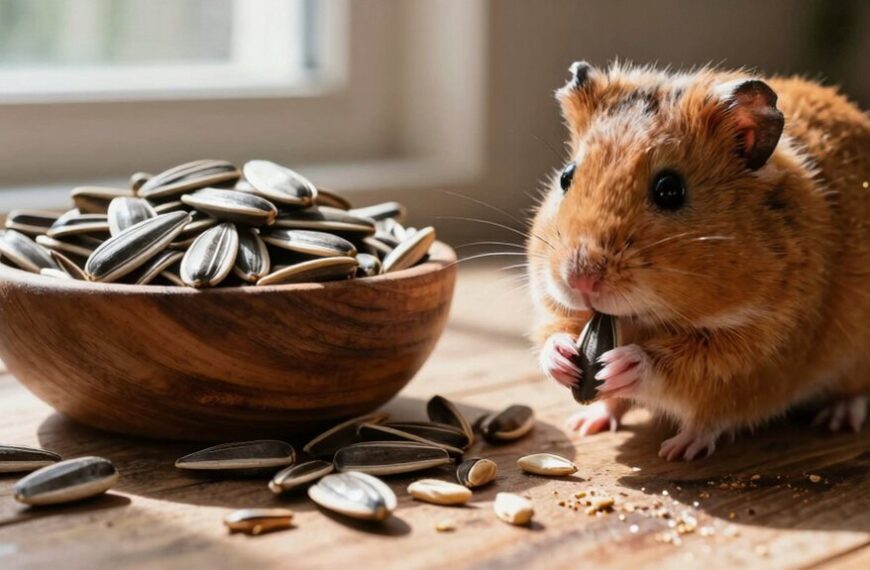
While it’s true your hamster might skip a meal now and then, especially if they’re busy burying sunflower seeds like pirate treasure. Sticking to a daily feeding routine helps keep their little body running seamlessly.
Regular meals support strong digestive health, since hamsters have fast metabolisms and need consistent food to process nutrients efficiently. Going too long without eating can throw their system off, leading to discomfort or even serious issues.
Hamsters have speedy metabolisms—skipping meals can upset their digestion and lead to serious health issues. Consistent feeding keeps their system running smoothly.
Plus, daily feeding guarantees nutrient consistency, giving your pet the balanced vitamins and minerals they need to thrive. Think of it like filling up your car—you wouldn’t let it run on empty, right?
A steady schedule also helps you notice changes in appetite early, which can be a sign something’s wrong.
How Hamster Hoarding Tricks Owners?
You might think your hamster is starving when you see an empty food bowl, but chances are, they’ve been busy stashing snacks in secret hideouts around their cage.
This natural food burial behavior can fool even the most caring owner into overfeeding.
After all, who knew such a tiny belly could hide so many sunflower seeds?
Keep an eye out for hidden stashes and uneaten meals, because too much grub can lead to messy cages and chubby cheeks that never slim down.
Food Burial Behavior
Ever wonder why your hamster vanishes half its dinner into the cage floor like a tiny, furry secret agent?
That’s food burial behavior in action. Your hamster isn’t stealing food, it’s stashing it.
In the wild, they bury meals to protect against food theft and hunger later.
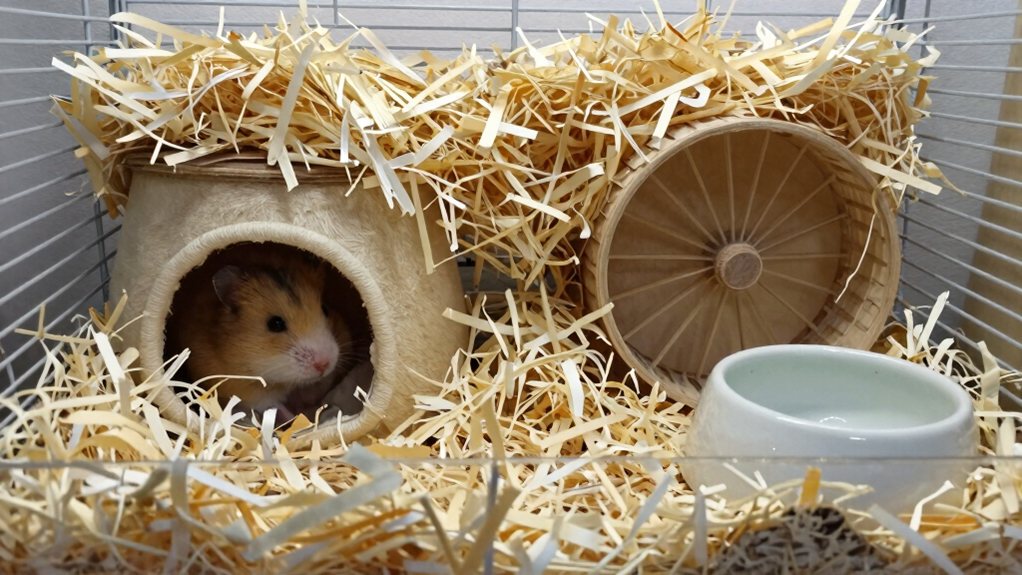
So when your pet tucks seeds under bedding, it’s not ignoring dinner, it’s using natural nesting habits.
This can trick you into overfeeding, thinking they’re not eating enough.
But check those hidey-holes, you’ll likely find a snack vault!
Understanding this helps you feed smarter, not more.
You’re not failing as a caregiver, your hamster’s just being its clever self.
So relax, keep a steady feeding schedule, and peek in those burrows.
You might just catch your little hoarder red-pawed, snacking on yesterday’s supper like nothing’s wrong.
Hidden Stashes Explained
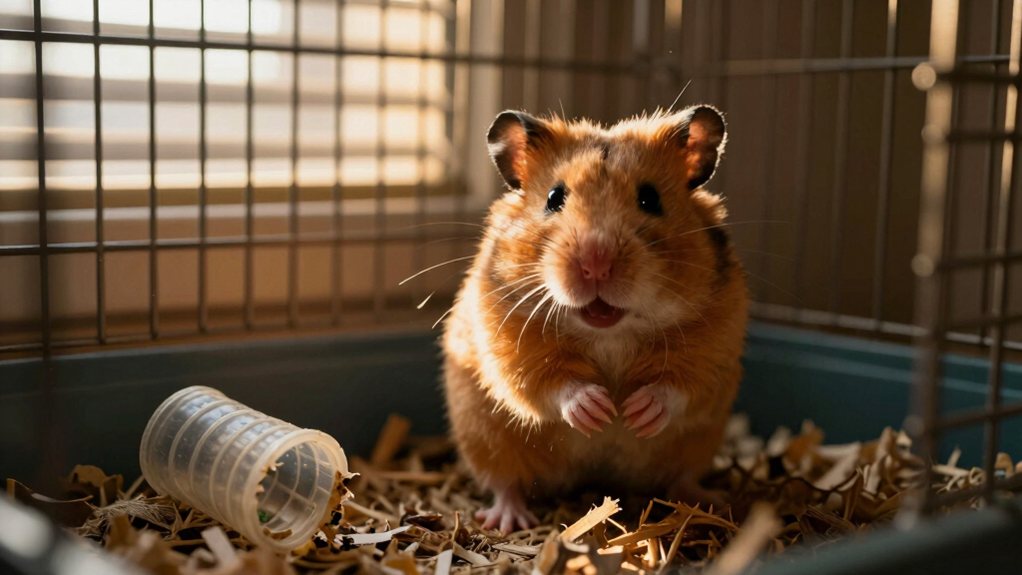
What’s really going on when your hamster vanishes a sunflower seed and it never seems to reappear? It’s not food theft, it’s instinct! Your tiny pal is stashing hidden snacks all over the cage, just like wild hamsters do to survive.
They’ve got cheek pouches that stretch like tiny grocery bags, seriously, how many seeds can fit?!
Hidden stashes can turn up weeks later, often in the coziest and smelliest corners.
Sometimes they forget where they put them, oops, mystery mush alert!
This hoarding can trick you into overfeeding, thinking they’re hungry when they’re just secret squirrels.
Overfeeding Warning Signs
That cheeky stash-and-squirrel habit might seem harmless, until you realize your hamster’s secret snack vaults are making you play the overfeeding game without even knowing it.
You’re faithfully serving up daily meals, but those hidden caches mean your pet’s actually eating way more than you think.
What looks like food waste might just be your hamster’s sneaky pantry, not spoilage.
Over time, this adds up, leading to weight gain and health issues.
Watch for a rounder belly, less energy, or bedding packed with untouched snacks. These are red flags.
Portion control is key: stick to recommended amounts, check stash spots daily, and remove old food.
You’ve got this! A little awareness keeps your tiny buddy happy, healthy, and out of snack overload.
After all, nobody wants a hamster heart attack from too many sunflower seeds.
Keep it balanced, and both of you’ll smile, cheeks full, but not too full.
What’s in a Balanced Daily Diet

You’ve got to keep your hamster happy and healthy, so start with fresh veggies every day, think carrots, cucumber, or a little broccoli, but skip the onion, yeah?
Toss in a small handful of quality pellets to round out the basics.
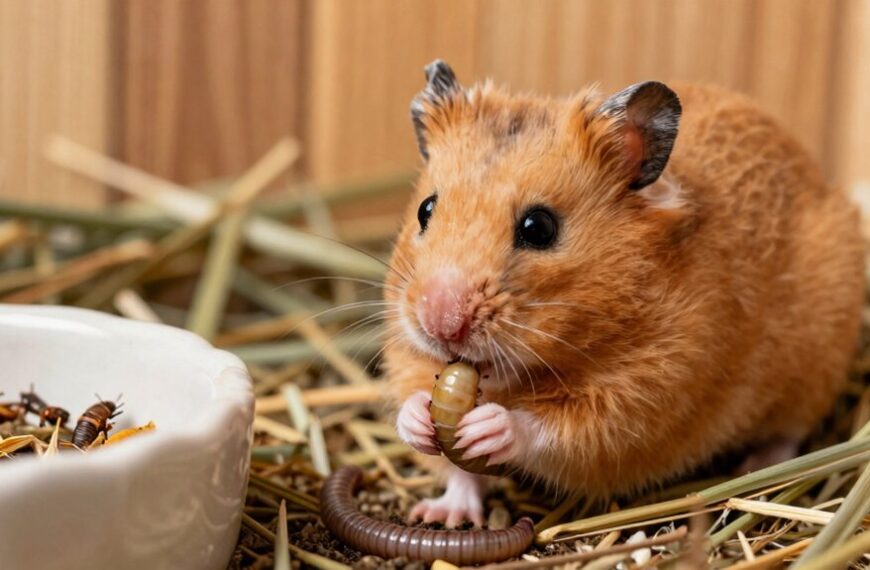
Don’t forget a pinch of protein like boiled egg or a mealworm once in a while. It’s not gourmet cooking, but your tiny buddy will thank you with extra zoomies.
Fresh Vegetables Daily
Ever wonder how to keep your little furball bouncing around with that endless hamster energy? Feeding fresh vegetables daily is a game-changer! Just a small amount gives your hamster vital nutrients and something fun to nibble on. Stick to safe, low-moisture options to avoid tummy troubles.
Carrot slices for a crunchy treat packed with vitamin A, great for those beady eyes!
Cucumber chunks to add hydration, but go easy, they’re mostly water.
Steamed broccoli florets, cooled and chopped small.
Fresh spinach leaves, served only once or twice a week.
You’re doing more than feeding, you’re bonding. Watch your hamster stash and chew with glee!
Just remember: fresh veggies are extras, not the main meal. Remove uneaten bits after 12 hours to keep the cage clean.
Your tiny pal will thank you with nose boops and happy zoomies!
Pellets And Protein
Now that you’ve got the veggie routine down, it’s time to talk about the main event. What actually makes up the bulk of your hamster’s daily grub? High-quality pellets should be the foundation of their diet. They’re packed with nutrients and beat seed mixes that encourage picky eating. Offer about a tablespoon daily. Hamsters are tiny, remember?
Don’t skip on protein. Think of it as their power snack. Scrambled egg, plain cooked chicken, or mealworms once or twice a week add fun and fuel.
This kind of dietary variety keeps meals exciting and mimics natural foraging behavior. Yep, even in a cage, your little furball’s inner explorer deserves a challenge.
Mix it up, keep it fresh, and watch them go nuts. Safely, of course. Unsalted only! You’re more than just feeding them. You’re crafting a tiny, tasty adventure every single day.
How Much Food Your Hamster Needs?
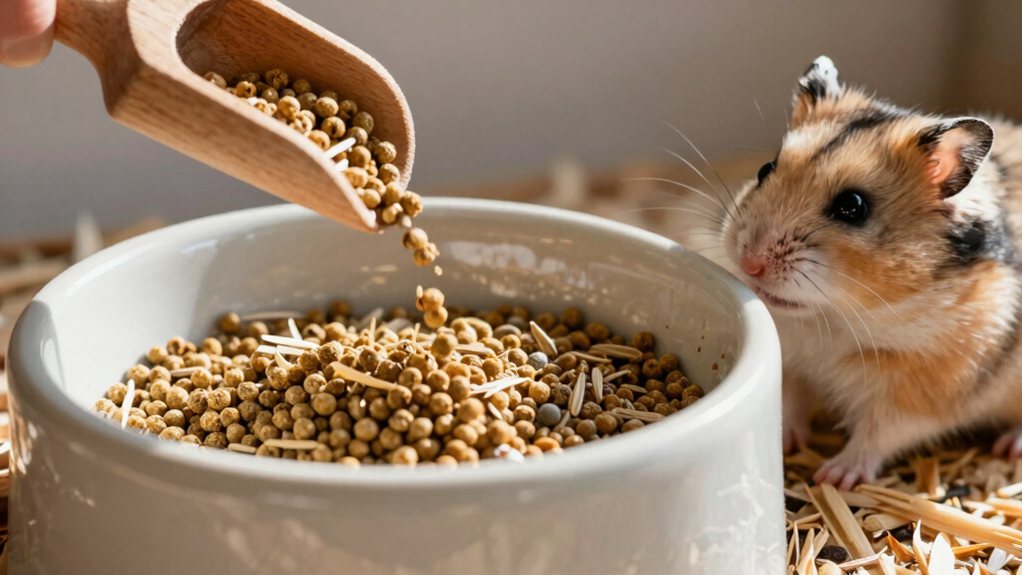
How much should your hamster really be eating, enough to fuel a tiny bodybuilder or just a nibble to get by? Not much, actually! Hamsters are small but mighty, and their tummies match their size.
A tablespoon of dry food per day is plenty. Mix in some food texture variety like pellets, seeds, and grains.
Offer fresh veggies every few days, but skip the onions and citrus—they’re a no-go.
Stick to a consistent feeding time, preferably in the evening when your hamster’s most active.
Watch for hoarding—your little furball might stash food, so check for moldy snacks regularly.
You don’t need to overthink it. A balanced diet keeps your buddy bouncing with joy. Just remember: tiny tummy, tiny portions. Overfeeding leads to messes and health hiccups. Keep it simple, stay consistent, and enjoy those adorable munching sounds!
Signs of Underfeeding or Overfeeding
If your hamster’s looking a bit too cuddly or suspiciously tiny, weight changes are your first clue something’s off with their meals.
You might notice them lazing around like they’re on permanent vacation, or zipping through the cage like a furry tornado. Either could mean they’re getting too much or too little.
And if their coat goes from sleek to looking like a messy bedhead, it’s time to check if snack time’s gone sideways.

Tasty apple and honey treat sticks your hamsters will love

Delicious Pie-Shaped Treat For Small Pets.

FUN BEAR-SHAPED TREATS FOR HAPPY FRIENDS: Adorable bear shapes turn snack time into playtime, giving your small pet a treat that’s as fun to look at as it is to crunch. Perfect for brightening your friend’s day.
Weight Changes
Ever wonder why your hamster suddenly looks like they’re smuggling snacks in their cheeks, permanently? Weight changes can be sneaky, but they’re a clear sign of how well you’re managing portion control.
Small weight fluctuations are normal, but sudden gains or losses need your attention. Let’s break it down:
- Rapid weight gain might mean you’re overfilling that tiny food bowl—ease up a bit.
- Unexpected weight loss could signal underfeeding or even a health issue—don’t ignore it.
- Check their food stash—hoarding isn’t always cute; it can mess with actual intake.
- Weigh them weekly with a kitchen scale—consistency helps catch problems early.
You’ve got this! A little awareness goes a long way in keeping your little buddy happy, healthy, and perfectly plump, not pouch-stuffed.
Lethargy Or Hyperactivity
What’s going on when your hamster goes from zooming around the cage like a furry little racecar to napping in the food bowl, or suddenly acts like it’s had three espressos at midnight?
Changes in your hamster’s energy could point to underfeeding or overfeeding.
If your pet skips meals, it might slow down, nap more, and avoid the exercise wheel.
On the flip side, too many treats can cause hyperactivity, think midnight sprinting marathons that mess with normal sleep patterns.
You want balance: consistent meals mean steady energy.
Watch how often your hamster uses the wheel and when it sleeps.
Sudden shifts aren’t just quirky—they’re clues.
Keep portions small but regular, and your little buddy should stay happily active, not overly tired or wired.
You’ve got this. Your hamster’s rhythm starts with you.
Coat Condition Issues
Ever notice how your hamster’s coat should look soft, silky, and full of fluff, like a tiny puffball that just stepped out of a spa? If it doesn’t, feeding habits might be to blame. Poor nutrition can lead to coat shedding or even skin irritation, which no hamster—or owner—wants.
Dull, patchy fur could mean your hamster isn’t getting enough protein.
Excessive coat shedding may signal overfeeding or a diet too rich in fats.
Flaky skin or red spots? That’s a red flag for skin irritation from poor food choices.
A bloated belly with thinning fur might mean an unbalanced diet.
You’ve got this! Tweak their meals with fresh veggies and quality pellets, and soon your little furball will be back to looking fabulous.
A happy hamster is a shiny hamster—so keep that puffball glowing.
Fresh Veggies: Daily Additions That Help
Most days, adding fresh veggies to your hamster’s menu brings a burst of color, flavor, and nutrition to their little world.
You’ll love seeing them nibble happily on carrot slices or bathe in cucumber chunks, yes, cucumbers hydrate and entertain.
Just a small portion daily keeps things exciting without upsetting their tummy.
Stick to safe picks like bell peppers, spinach, or zucchini, and skip anything too acidic or sugary.
Always wash veggies well, no pesticides, please.
Remove uneaten bits after 12 hours so they don’t get moldy.
Think of it like packing a tiny school lunch, fun, fresh, and full of good stuff.
Your hamster might go nuts over broccoli one day and ignore it the next, totally normal.
They’ve got moods too.
Daily veggie time isn’t just healthy, it’s bonding time.
So go ahead, toss in those carrot slices, and watch your little buddy light up.
It’s a small act that says, “I care.”
And honestly, that’s pretty sweet.
Best Pellets for Daily Hamster Nutrition
A solid bowl of quality pellets is the backbone of your hamster’s diet, kind of like how pizza is the backbone of a good sleepover, reliable, always welcome, and best when it’s the right kind.
Choosing the right pellets can seriously boost your hamster lifespan and keep your little buddy bouncing around like a tiny furball of joy.
Skip the colorful mixes. They’re more eye candy than nutrition. Instead, go for plain, uniform pellets to avoid picky eating.
- High in fiber to support digestion
- Fortified with vital vitamins and minerals
- Free from seeds, nuts, and sugary bits
- Compatible with safe bedding types, no toxic sawdust vibes
Your hamster deserves the good stuff. Think of pellets as their daily power-up.
Pair them with fresh veggies, and you’ve got a meal plan that’s simple, balanced, and totally hamster-approved.
How to Give Treats Safely
Why do those tiny, hopeful eyes suddenly appear every time you open the snack drawer? Because your hamster knows treats mean fun. But here’s the thing: treats like carrot slices and sunflower seeds should be special, not daily staples.
Too many sunflower seeds can lead to weight gain. They’re like hamster candy, packed with fat.
Carrot slices are safer, but even those should be given in small amounts to avoid digestive upset. Think of treats as occasional surprises, not meals.
Offer a pea-sized piece of carrot or one or two sunflower seeds once or twice a week.
Always remove uneaten food to prevent spoilage and overeating.
Your hamster will still give you those big, pleading eyes. Because let’s be honest, they’re experts at guilt-tripping. But now you’ll know how to say “not today” with love.
Build a Daily Feeding Routine
Ever wonder why your hamster scurries to the front of the cage the second you walk into the kitchen? It’s because they thrive on routine, and knowing when meals come makes them feel safe and happy.
Your hamster dashes to the front of the cage the moment you enter because routine means safety — and mealtime is the highlight of their day.
Building a daily feeding routine isn’t just about food; it’s about creating a predictable, loving rhythm in your hamster’s day.
Stick to the same time each evening (they’re most active at dusk!), and pair mealtime with a little social interaction. Say a soft “Hey buddy!” or give a gentle finger wave.
Don’t forget to keep that exercise wheel spinning freely; a well-fed, active hamster is a joyful one.
- Offer fresh pellets and veggies at the same time daily
- Remove uneaten perishables after 12 hours
- Use feeding time to check your hamster’s mood and health
- Reward calm behavior with a seed or two during social interaction
Final Thoughts
You’ve got this! Feeding your hamster daily keeps them happy, healthy, and out of snack-hoarding trouble. A little pellet love, a few fresh veggies, and the occasional treat make all the difference. Stick to a routine, watch their tiny cheeks puff with joy, and know you’re doing great.
Sure, they’re small, but their needs aren’t. Give them consistency, love, and yes, watch them thrive. You’re more than feeding a pet; you’re caring for a tiny, adorable friend.
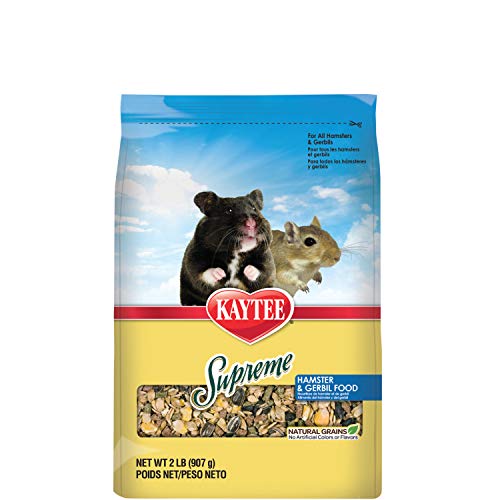
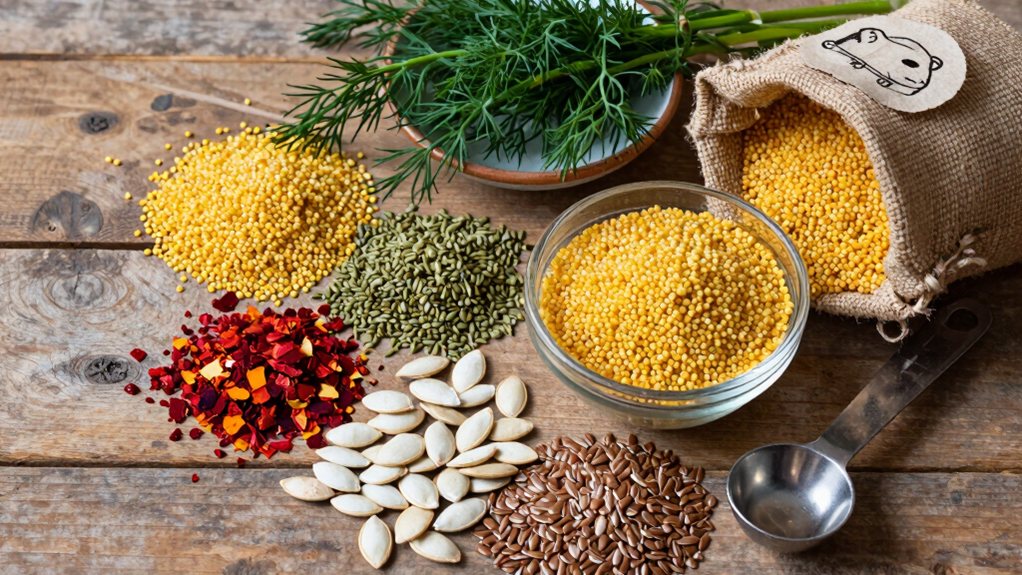
Natural Seeds And Grains

A Gentle Friendly Treat Crafted with Care: Bring a touch of freshness to your pet's day with delicately prepared freeze-dried cucumber, one wholesome small animal treats. Light, crunchy, and flavorful, these premium hamster treats turn feeding into a moment of calm happy and curiosity
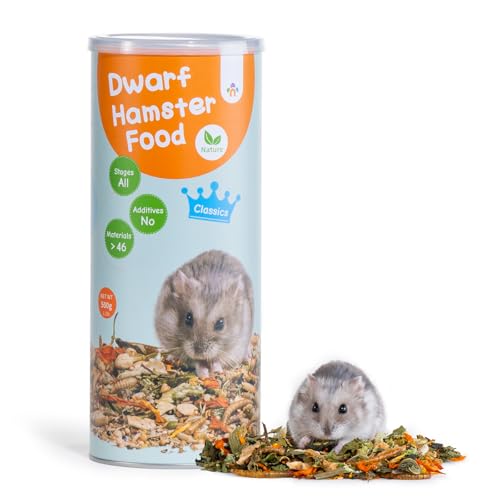
Specially Designed for Dwarf Hamsters: Niteangel Dwarf Hamster Food is thoughtfully crafted to suit the unique dietary preferences and smaller size of dwarf hamsters. This customized blend is designed to provide a wholesome, satisfying meal that supports their daily activity and keeps them content