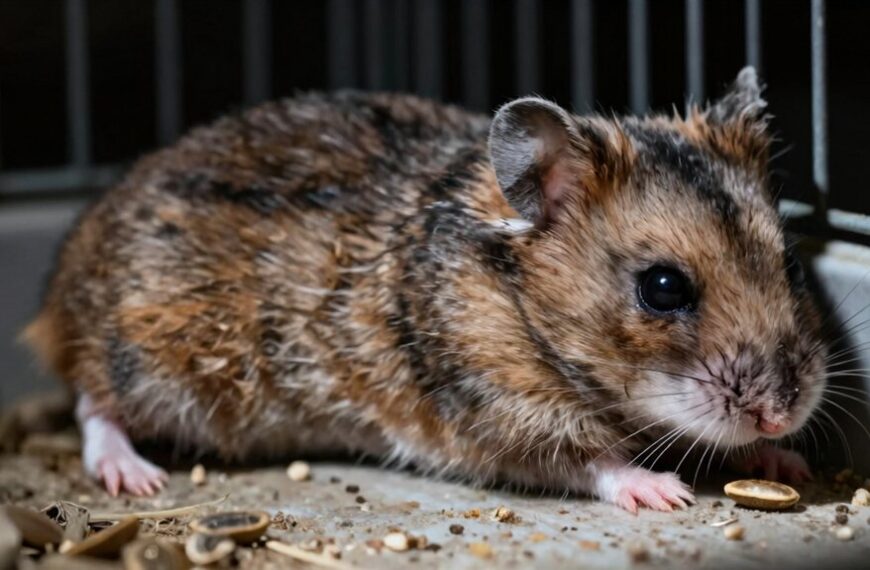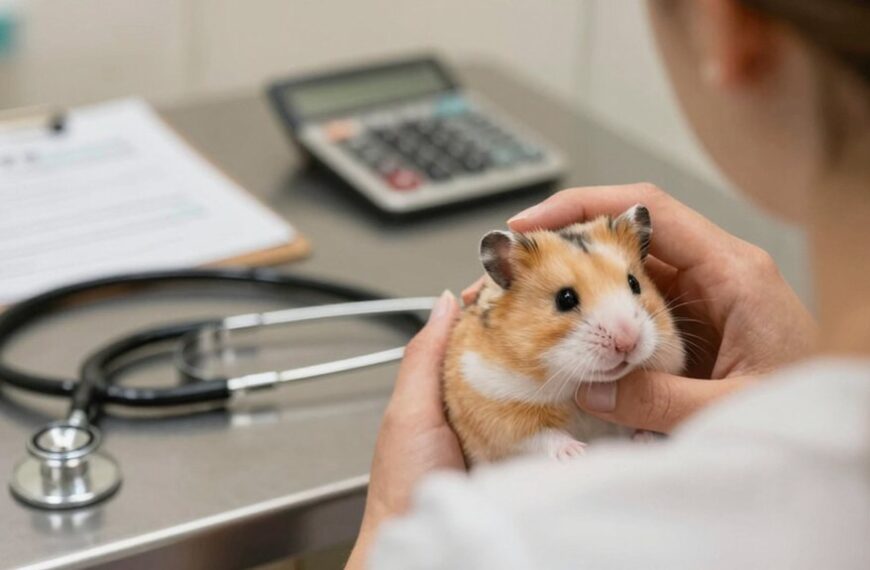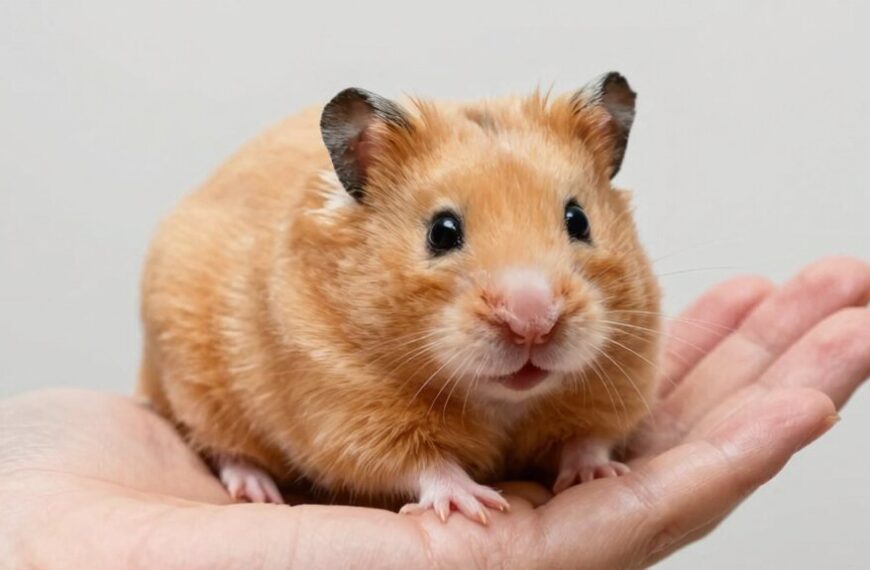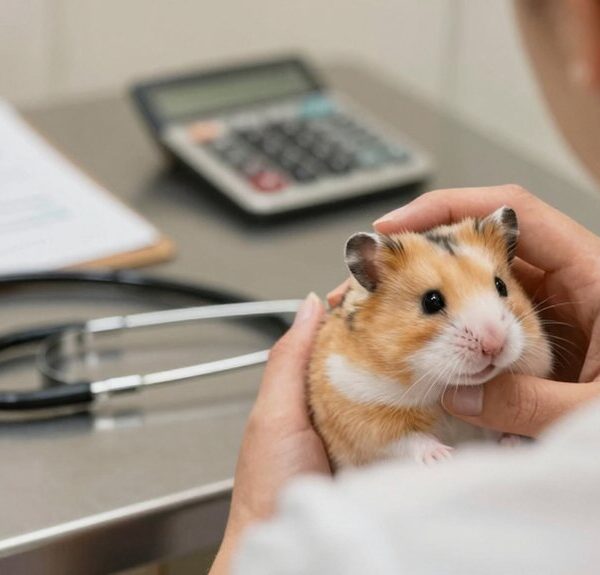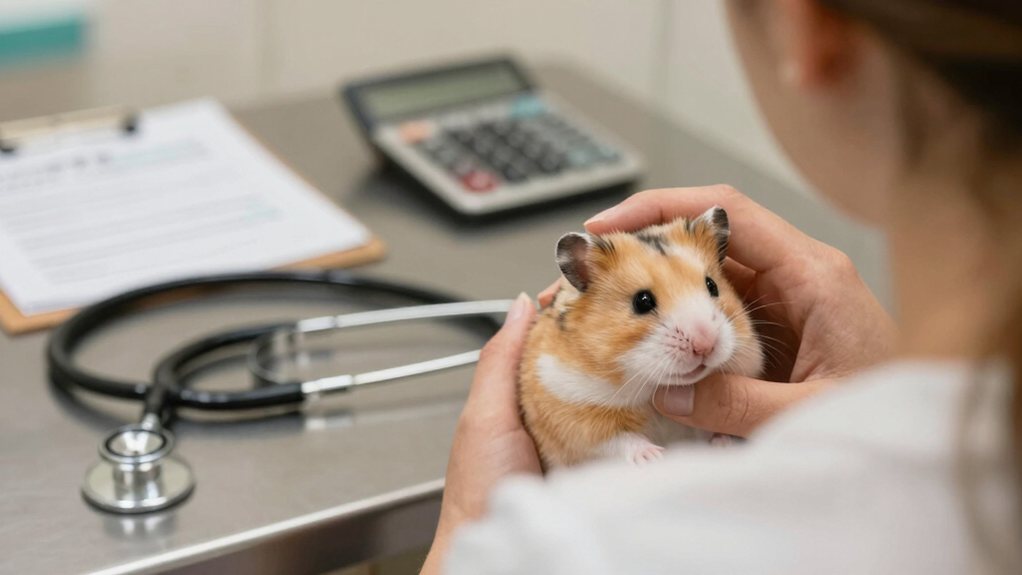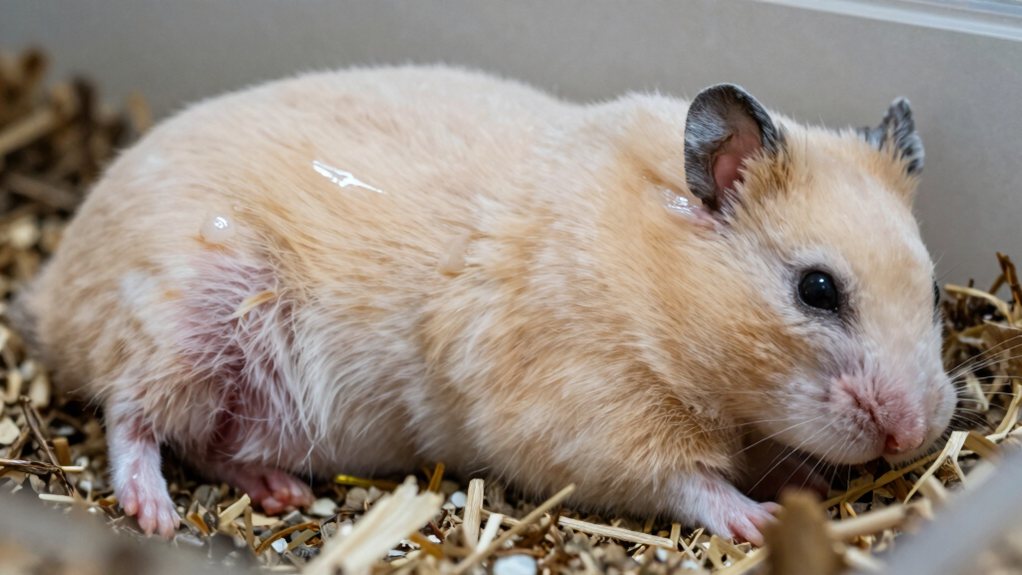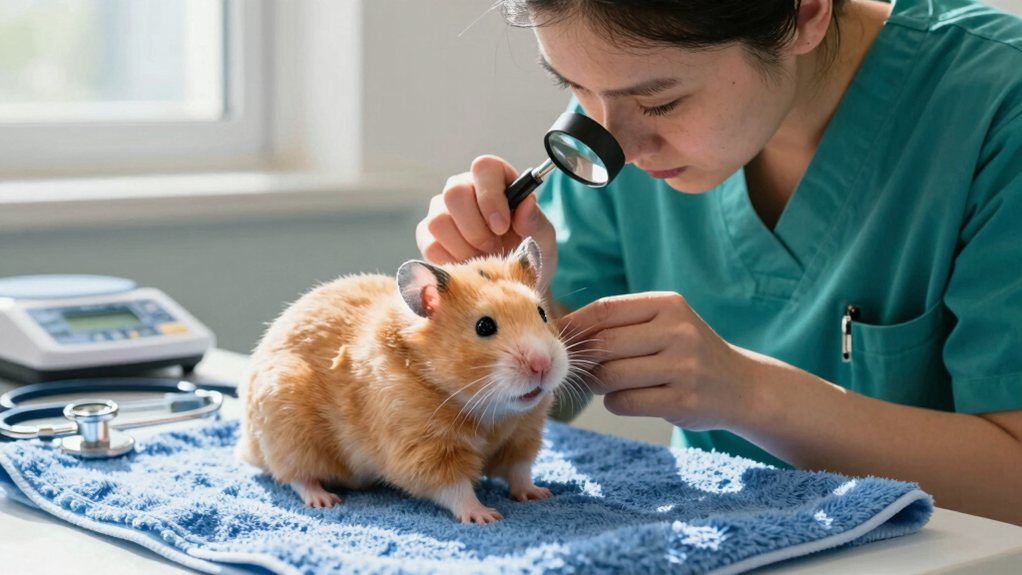
Your hamster’s annual check-up is a proactive, nose-to-tail health chat. Your vet will gently examine everything, from whiskers to tail, feeling for lumps and checking teeth, eyes, and ears.
They’ll listen to that tiny heart and lungs, and look for clues in their skin, fur, and posture. It’s about spotting little issues before they become big problems, helping your pet thrive.
There’s plenty more to know about keeping your furry friend in top shape.
What Really Happens at Your Hamster’s Annual Check-Up?
Your vet will gently check your pet from whiskers to tail, listening to its heart and lungs and feeling for any unusual lumps.
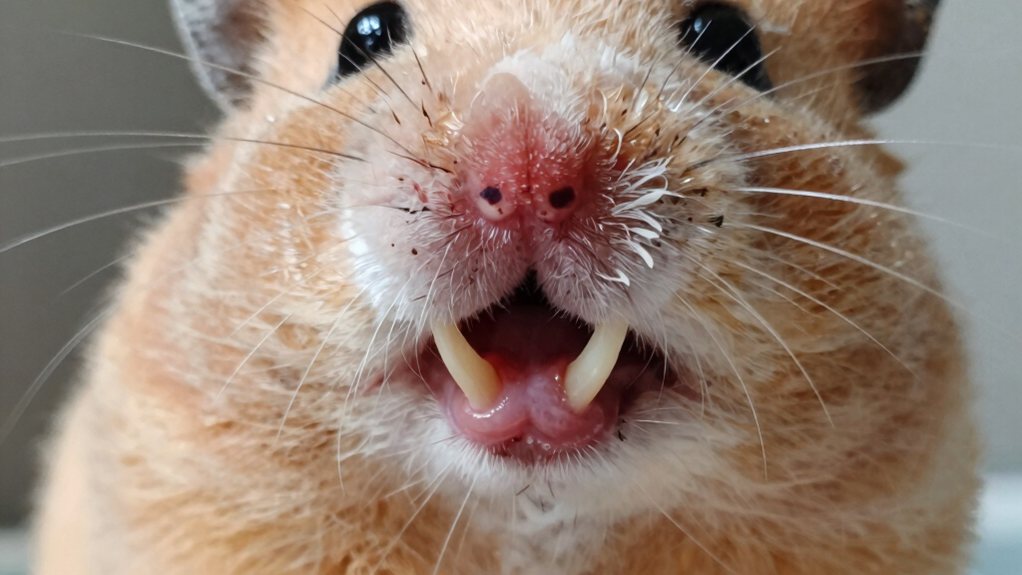
They’ll examine its teeth, eyes, and ears closely, and you’ll chat about its diet and exercise.
This is your chance for some great nutritional counseling and to fine-tune your pet’s hydration routines.
A vet can also spot early signs of aging, such as labored breathing or a change in grooming habits, that you might miss at home.
Think of it as a check-up for you both, you get expert advice, and your furry friend gets a clean bill of health, guaranteeing many more happy wheel-running nights ahead.
Why This Vet Visit Is More Than a Quick Look
You might believe the annual vet visit is simply a brief, routine glance at your hamster, but it’s actually a key opportunity to build a complete picture of your pet’s well-being. It’s a proactive chat, not merely a reactive check.
This is your chance to ask all those “silly” questions you’ve been pondering for months! A thorough exam uncovers tiny clues about diet, behavior, and habitat that you might miss. It also sets the stage for future care. This is especially important given their average lifespan of 2 to 3 years, as proactive care maximizes their health and comfort throughout their relatively short life.
Don’t hesitate to ask your “silly” questions; a thorough exam reveals vital clues and establishes a foundation for lifelong health.
- Catching Sneaky Issues: Vets detect early signs of dental disease or organ stress long before you might notice any change.
- Personalized Lifestyle Chat: You get bespoke advice on everything from nutrition to cage enrichment.
- Medication guidance: If your hamster ever needs treatment, you’ll know the correct dosage and administration method.
- Follow up scheduling: The vet can plan any necessary weight checks or dental monitoring, creating a true health plan.
This visit is an investment in many happy, healthy years together.
First Impressions: Assessing Weight, Posture, and Behavior
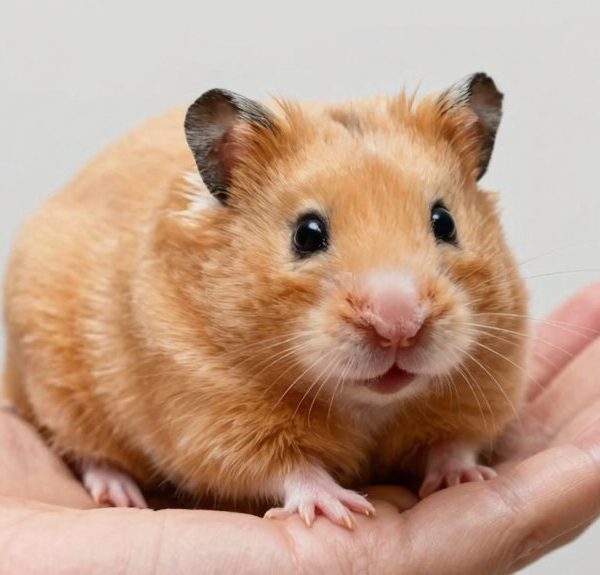
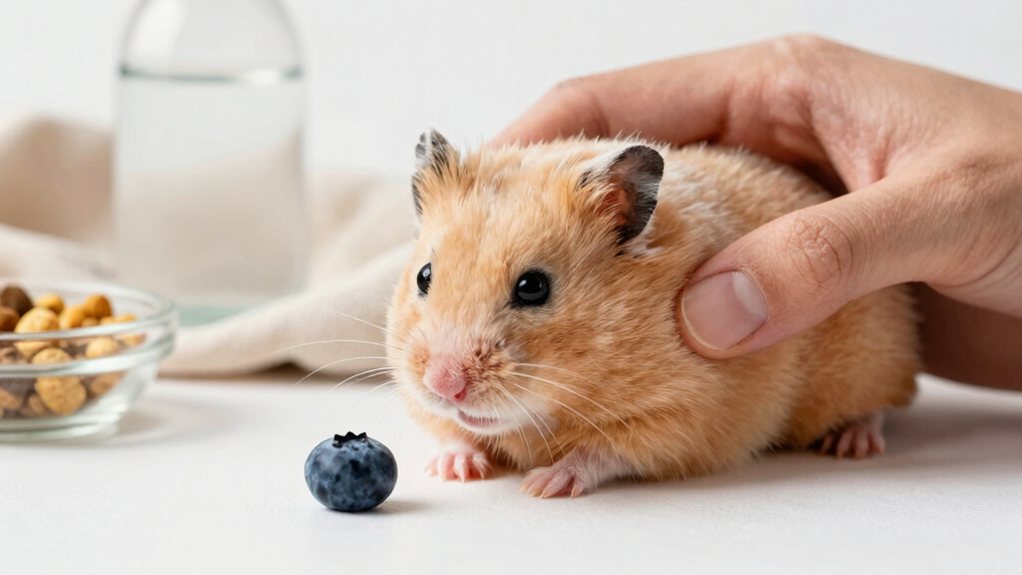
Upon arriving at the vet’s office, the very first moments of your hamster’s check-up are all about observation. The vet will gently lift your pet, gauging their condition through a simple “hand test” to assess healthy weight trends. They’ll note if your hamster feels unexpectedly light or heavy, which can signal underlying issues.
Posture is next; a hunched or puffed-up stance often points to discomfort. The vet will also note if your hamster adopts an upright posture, a natural behavior for environmental scanning that signals alertness, not distress.
Most importantly, the vet watches for stress behavior, like excessive freezing or frantic scrambling.
It’s normal for your little friend to be a bit nervous, but these initial clues are hugely valuable. Think of it as the vet getting to know your hamster’s unique personality and baseline health before any actual prodding begins.
The Nose-to-Tail Exam: Teeth, Eyes, Ears, and Nose
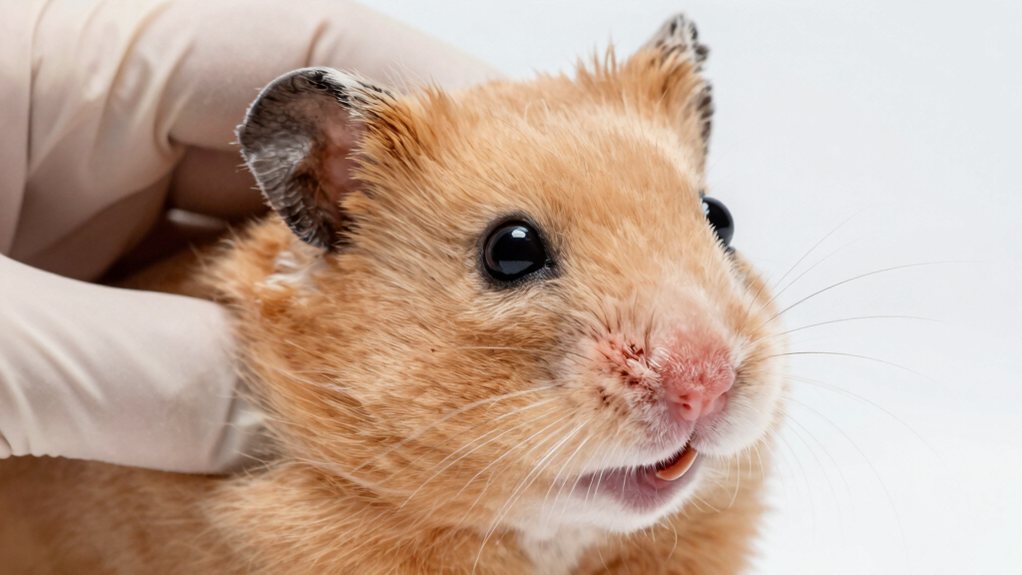
- Healthy teeth mean a happy hamster who can properly gnaw on food and toys.
- Clear eyes often reflect overall wellness, showing your pet is bright and alert.
- Clean ears prevent infections and guarantee your furry friend can hear you approach.
- Unobstructed breathing is critical for comfort and energy during all those wheel runs.
- The vet will also gently check for any limping or swelling that could indicate a bone injury from a fall or mishap.
Listening to a Tiny Heart: The Cardiopulmonary Check
Now, let’s listen to your hamster’s tiny heart and lungs, which is a surprisingly straightforward part of the check-up.
You’ll want to get familiar with their normal heart rate and rhythm, as well as what their clear lung sounds are like when they’re healthy.
Recognizing these basics helps you spot any irregularities, like a too-fast beat or unusual breathing noises, so you can tell your vet exactly what you’ve noticed. This is especially important as hidden heart issues are a common health concern for hamsters.
Heart Rate And Rhythm
While your hamster’s heart is a tiny, thrumming engine, listening to its rhythm is a big part of keeping them healthy.
Your vet will use a special stethoscope to check for a steady, strong beat and any unusual sounds.
A fast or irregular rhythm can signal stress or an underlying issue.
This check often pairs with other crucial assessments to get the full picture of your pet’s well-being.
- A steady beat means the little engine is running smoothly and efficiently.
- Detecting murmurs early can help manage potential heart conditions.
- Rate variations might indicate pain, fear, or illness needing attention.
- Combined with checks like blood glucose monitoring and hydration status checks, it creates a complete health snapshot.
- Prompt consultation with your vet is advised if illness is suspected, as zoonotic transmission of germs from hamsters, though rare, is possible.
Catching a problem early here can make all the difference for your furry friend’s long and happy life.
Lung Sound Assessment
Just as you’d listen for a clear, strong beat from that little heart, your vet will also tune in to the equally important sounds coming from your hamster’s lungs. Using a specialized stethoscope, they listen for clear, quiet breaths, checking for any crackles or wheezes that might signal trouble.
This part of the exam ties closely to a behavioral evaluation, as your vet notes your pet’s overall demeanor. A calm hamster makes this check much easier!
They watch for stress cues, like rapid breathing or fidgeting, which can sometimes mimic respiratory issues.
It’s a delicate balance of high-tech listening and old-fashioned observation, ensuring those tiny lungs are working perfectly for all the important hamster activities, like running on a wheel or stuffing cheeks. Regular cleaning of your hamster’s habitat is crucial, as prolonged exposure to a dirty cage can lead to ammonia irritation that may cause or worsen such respiratory sounds.
Skin, Fur, and Nails: Spotting Parasites and Problems
Now, let’s look at your hamster’s skin, fur, and nails, which can show signs of common external parasites or other issues.
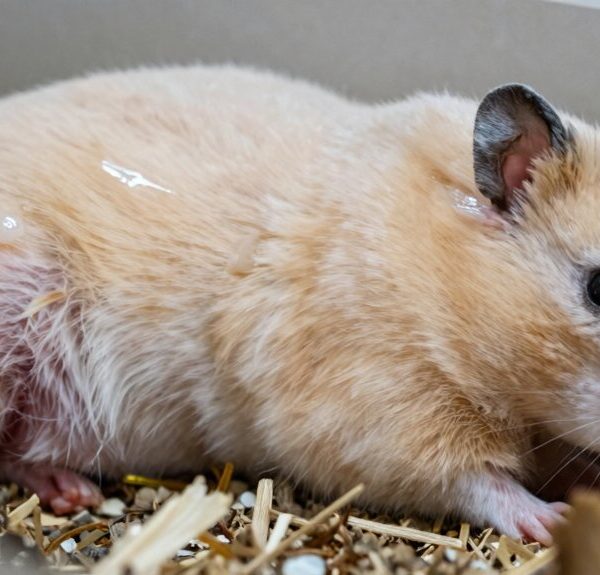
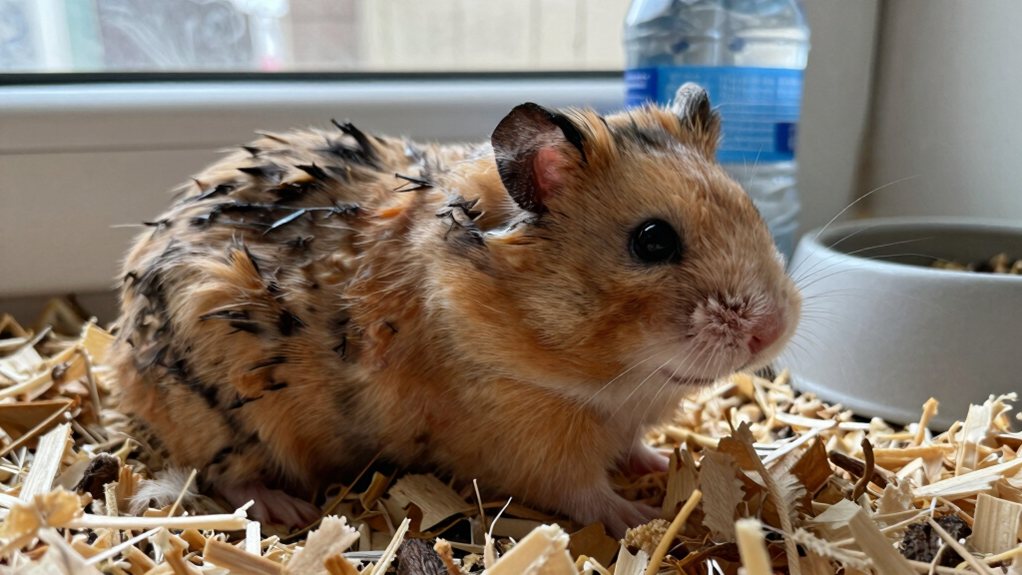
You’ll want to gently check for things like mites, which can cause flaky skin, or lumps and bald patches that might need a vet’s attention.
Keeping an eye on their coat and nail length is a simple way to catch little problems before they become big ones. Also, inspect their skin for any signs of irritation that could be linked to an unsuitable habitat, such as exposure to scented bedding from their environment.
Common External Parasites
- Spot the Signs: Look for excessive scratching, bald patches, or red, irritated skin. These are clear calls for a vet visit.
- Know the Usual Suspects: Fur mites and mange mites are typical. They often hitchhiking on bedding or food.
- Treatment Is Straightforward: Your vet will prescribe safe anti-parasitic drops or sprays to clear an infestation.
- Prevention Is Key: Regularly cleaning the cage and using vet-approved bedding helps keep these tiny pests from moving in.
- Providing natural chew toys can help reduce stress-related scratching and support overall skin health by promoting healthy behaviors.
Coat And Nail Conditions
Run your fingers through their fur to check for lumps, scabs, or flaky skin.
Overgrown nails can curl painfully into their paw pads, so your vet will likely trim them.
Remember, while this check focuses on the outside, your vet’s exam is holistic. They’ll combine these findings with their assessment of your hamster’s bright eye and tooth health, which helps inform their overall internal organ checks.
It’s like detective work, where a skin clue can hint at a deeper, internal story. Skin irritation can sometimes be traced back to unsuitable dusty or scented bedding in their habitat.
Common Health Issues a Vet Might Find During the Exam
Because your hamster’s annual check-up is like a detective story, the vet’s exam can uncover a few common health issues you mightn’t have spotted at home.
They’ll check for subtle signs of trouble that are easy to miss during daily cuddles and playtime.
- Respiratory Sneezes: Listen for tiny sniffles or wheezes that could signal an infection, often hidden until the vet’s stethoscope finds them.
- Skin and Fur Clues: Look for patches of hair loss, flaky skin, or parasites like mites, which cause more than just a little itch.
- Dental Disasters: Overgrown teeth can prevent eating and cause weight loss, something a quick peek inside the mouth can reveal.
- Tummy Troubles: Watch for digestive symptoms like wet tail or irregular droppings, which are closely tied to your pet’s diet and hydration habits.
After the Visit: Your Vet’s Advice and Follow-Up Plan
Once your vet has completed the annual exam, you’ll receive their personalized advice and a clear follow-up plan to keep your hamster flourishing.
They might suggest changes to your home care routine, like adjusting bedding or diet.
A key focus will be on after-visit water intake, ensuring your pet drinks enough after any stress from the trip home.
Your vet will explain any medication instructions clearly and schedule the next check-up.
You’re the expert on your hamster’s daily quirks, so follow their plan but rely on your senses, too.
If your hamster seems off, don’t wait, call the clinic.
This teamwork between you and your vet builds a happy, healthy life for your tiny friend, one year at a time.
Final Thoughts
So you’ve seen what your vet’s checking for, pretty thorough, right? Now you understand how these annual visits help catch little issues before they become big problems.
Think of it as a yearly tune-up for your furry friend. Just remember, you’re doing great by keeping up with these check-ups.
Your hamster might not thank you with words, but you’ll see the difference in their happy, healthy zoomies at home.