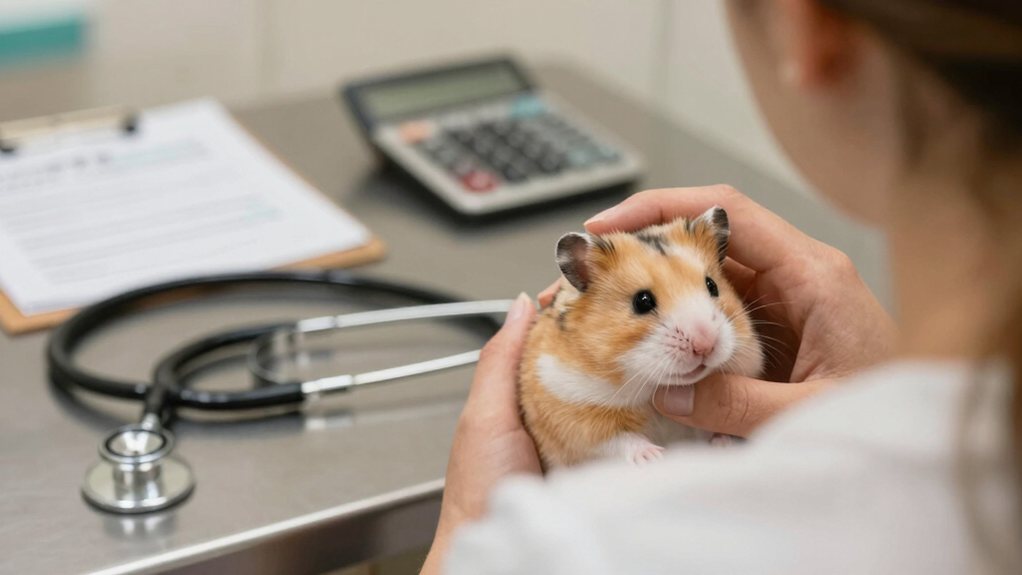
A basic hamster vet check-up will likely run you between $40 and $75. That covers a thorough physical exam where the vet checks your pet’s teeth, listens to their heart, and feels their abdomen.
Be prepared, though. If your hamster needs medicine or tests for issues like wet tail, your total bill can easily climb over $150. Budgeting for that possibility helps avoid any stressful surprises at the front desk.
Stick around to find out how to save and what really happens during the visit.
How Much Does a Hamster Vet Visit Really Cost?
Have you ever wondered what it really costs to take your hamster to the vet? It’s a smart question, as prices vary widely.
A basic check-up might run you $40 to $75, but that’s just the start. If your little friend needs diagnostics or medicine, the total can easily jump over $150. Knowing this budget range upfront helps you avoid sticker shock. For example, treating a serious condition like wet tail often requires antibiotics and fluid therapy, adding to the final cost.
It’s a good idea to call clinics beforehand for estimates. Ask about payment options, too, like pet insurance plans or care credit. While it’s an expense, think of it as investing in your tiny pal’s health and your own peace of mind. Being prepared makes the visit easier for everyone.
What Happens During a Routine Hamster Check-Up?
Now that you’ve got an idea of what a vet visit might cost, you might be wondering what actually goes on during that appointment.
First, you’ll want to focus on carrier preparation, making it a cozy, familiar space to keep your pet calm.
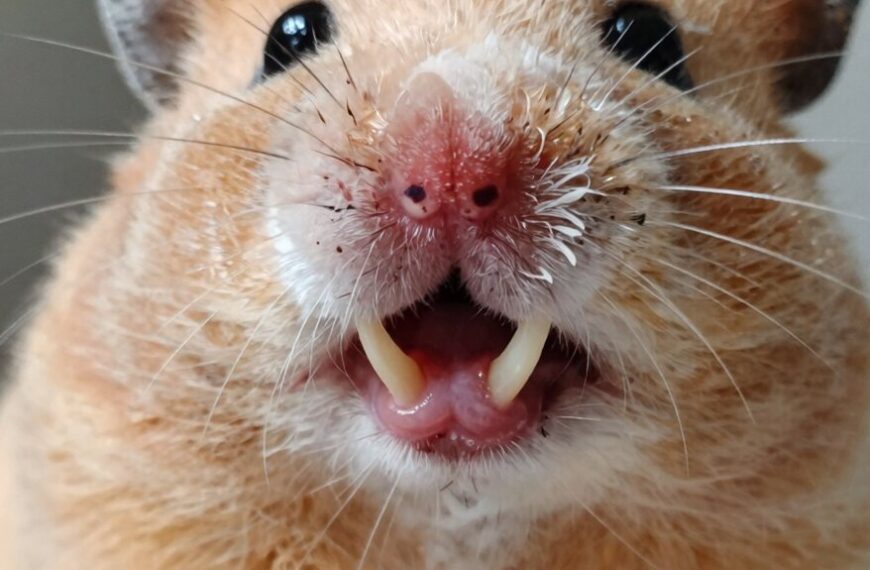
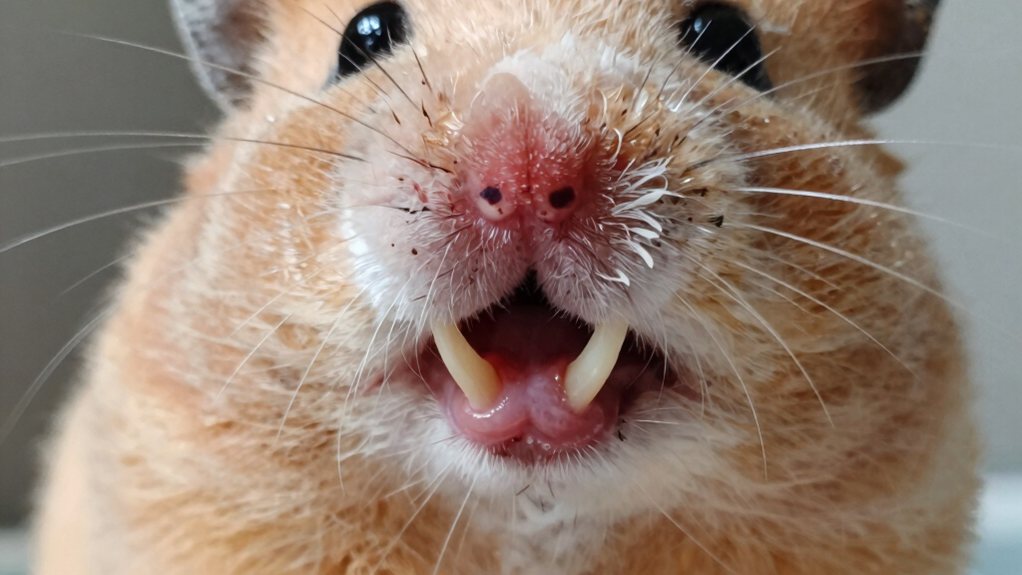
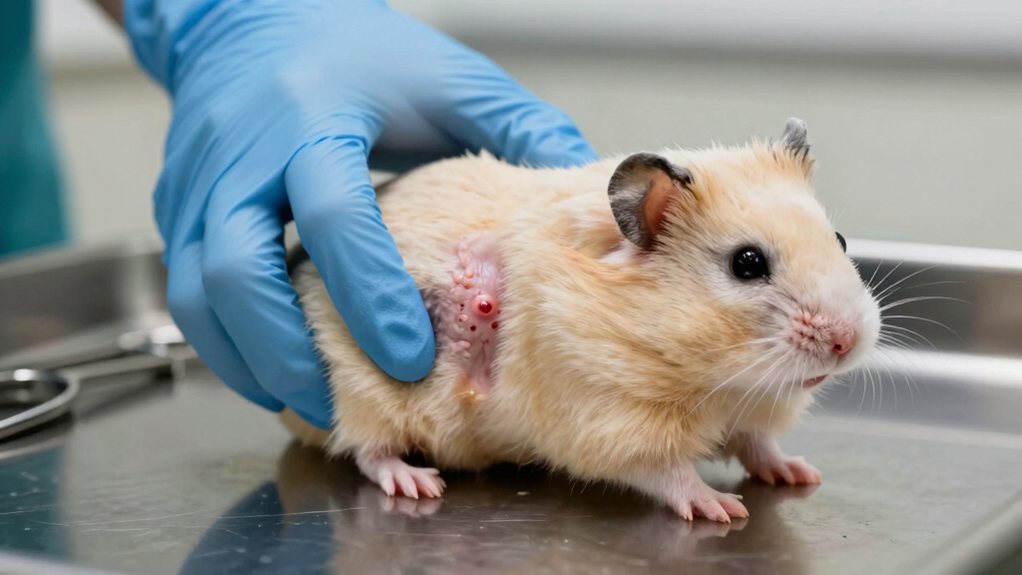
During the check-up, the vet will gently perform a full physical exam, checking your hamster’s eyes, ears, teeth, and fur.
The vet will gently conduct a full physical exam, checking your hamster’s eyes, ears, teeth, and fur for any signs of concern.
They’ll listen to its heart and lungs and feel its abdomen.
This is also your chance to mention any unusual behavioral signs you’ve noticed, like changes in eating or activity, such as increased hiding even during its normally active hours.
The vet might ask about its diet and habitat, too.
It’s a quick but thorough process, and your little friend will be back in its cage, probably plotting a snack raid, before you know it.
Emergency Vet Visit Costs for Hamsters
You might be surprised by the emergency fee structure, which often includes a higher upfront cost just for the after-hours visit. These costs can climb quickly if your hamster needs common critical procedures like wound stitching or an emergency surgery, especially since hamsters are adept at hiding hidden health issues until a crisis occurs. It’s a good idea to ask about payment plans upfront, because, let’s face it, our little pals have a knack for timing their crises perfectly.
Emergency Fee Structures
While you’re hopefully never in this situation, it’s smart to understand emergency vet fee structures for your hamster, as these visits are a different financial ballgame than a standard check-up.
Expect a higher base fee just for walking in the door, often called an urgent care or after-hours fee. This covers the clinic’s extra staffing costs.
Pricing transparency is key, so don’t hesitate to ask for a cost estimate upfront.
You’ll find that payment options are essential here, as emergency care can be pricey.
Many clinics require payment at the time of service, so knowing if they accept pet insurance, care credit, or other plans can relieve a lot of stress during a scary moment. This is especially true if the emergency visit is due to a hamster bite or other sudden injury.
Common Critical Procedures
Understanding emergency fees sets the stage for looking at the actual treatments your hamster might need in a crisis.
Common critical procedures can include surgeries for injuries, treating respiratory infections, or addressing digestive blockages from swallowed bedding.
These aren’t cheap, and treatment pricing varies wildly by clinic and case complexity.
It’s a stressful time, so ask for a detailed cost estimate upfront.
While you’re dealing with an emergency, it highlights why preventive screenings during routine check-ups are so valuable, as they can catch small issues before they become big, expensive ones. For example, a routine exam might spot signs of a fungal infection before it spreads and becomes a more serious and costly health issue.
Common Hamster Health Issues and Treatment Prices
Even though they’re tiny, hamsters can face a few common health issues that might lead to a vet visit, and knowing the potential costs can help you plan ahead. Pricing factors for treating these problems vary widely by location and clinic, but common typical symptoms like wet tail, respiratory infections, or overgrown teeth often need prompt care. Respiratory issues, for instance, can be worsened by a dirty hamster cage that irritates their lungs with ammonia fumes.
The treatment timeframes can range from a single visit to a few weeks of follow-ups. Expect medication costs for antibiotics or anti-inflammaries to add $20 to $50 to your bill.
While a simple check-up might be affordable, treating an infection fully is an investment in your little friend’s comfort. It’s always best to act quickly, as early care is usually simpler and less costly.
Smart Ways to Save on Your Hamster’s Vet Bill

Schedule regular low cost checkups; catching issues early is far cheaper than treating an advanced illness.
You can also call clinics for price comparisons, as some offer wellness packages.
Consider pet insurance designed for small animals, as it can offset surprise costs.
Another smart move is to ask about payment plans if a big bill arises.
Finally, become a keen observer of your hamster’s normal behavior and habitat. Since hamsters are solitary by nature, you’ll be its sole caregiver responsible for monitoring its health.
Noticing small changes quickly can prevent a tiny problem from becoming a giant, expensive one.
A little planning brings big peace of mind.
How to Find the Right Exotic Vet for Your Hamster
Finding a vet who’s a great fit for your hamster might feel like searching for a tiny needle in a haystack, but you’ve got this!
Start by asking your local vet for referrals or searching online for an “exotic” pet specialist. Don’t be shy about calling clinics to ask direct questions about their hamster clinic experience.
A great vet will happily discuss their exotic vet credentials and specific training with small pets. You want someone who treats hamsters regularly, not only occasionally.
It’s perfectly okay to “interview” a vet before booking! Look for a clean, calm clinic and a professional who explains things clearly to you. During your visit, observe how the vet handles your pet, as a gentle approach that minimizes stress is key, much like using safe grooming tools during at-home care. Trust your gut, if you feel comfortable and confident, your hamster likely will, too.
How to Get Your Hamster Ready for the Vet (Without the Stress)
Once you’ve found that perfect vet, it’s time to get your little friend ready for their big appointment.
Start with secure carrier prep a day before. Place familiar, shredded bedding and a favorite treat inside, so it smells like home, not a scary box.
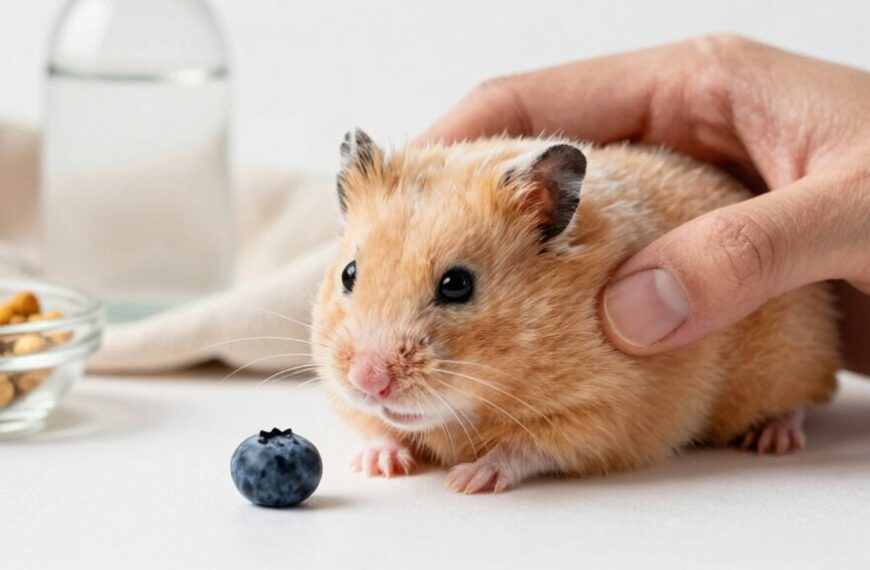
On appointment day, use peaceful handling tips. Gently coax your hamster into a small cup or tube, then transfer them to the carrier—no chasing around the cage! Remember, sudden movements can trigger a stress response and increase the risk of nipping.
Covering the carrier with a light cloth during the trip can reduce stressful sights.
Talk to them in a soothing voice; they mightn’t understand the words, but they’ll feel your calm vibe.
This prep makes the journey smooth for your nervous nugget and you.
Final Thoughts
So, you’re now better prepared for your hamster’s vet visit, both for your wallet and your peace of mind. Remember, finding a good exotic vet and preparing your little friend can make all the difference.
While costs can vary, being proactive with their care is a priceless investment. Here’s to many happy, healthy years with your furry pal, because they’re worth every penny and car ride!