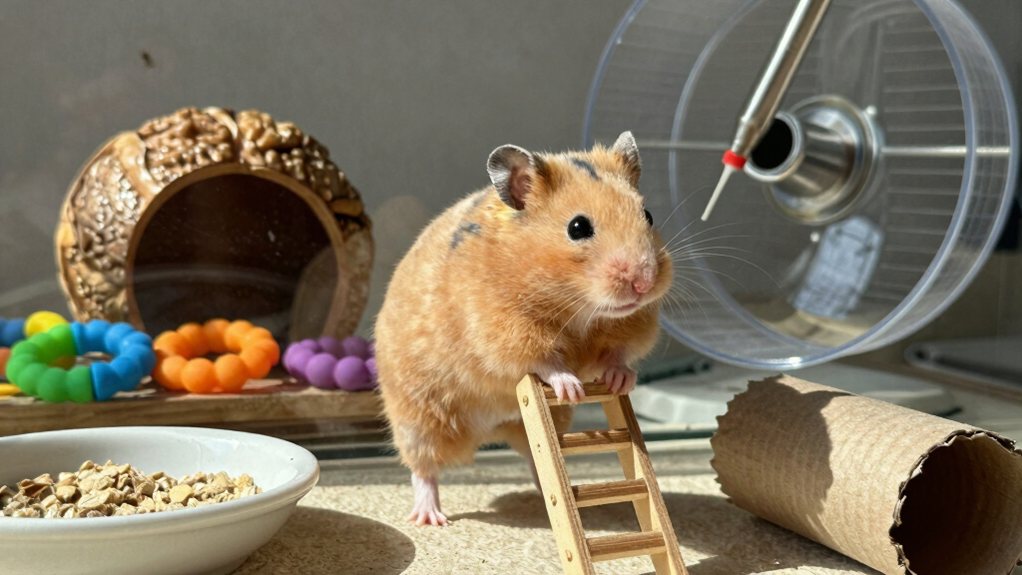
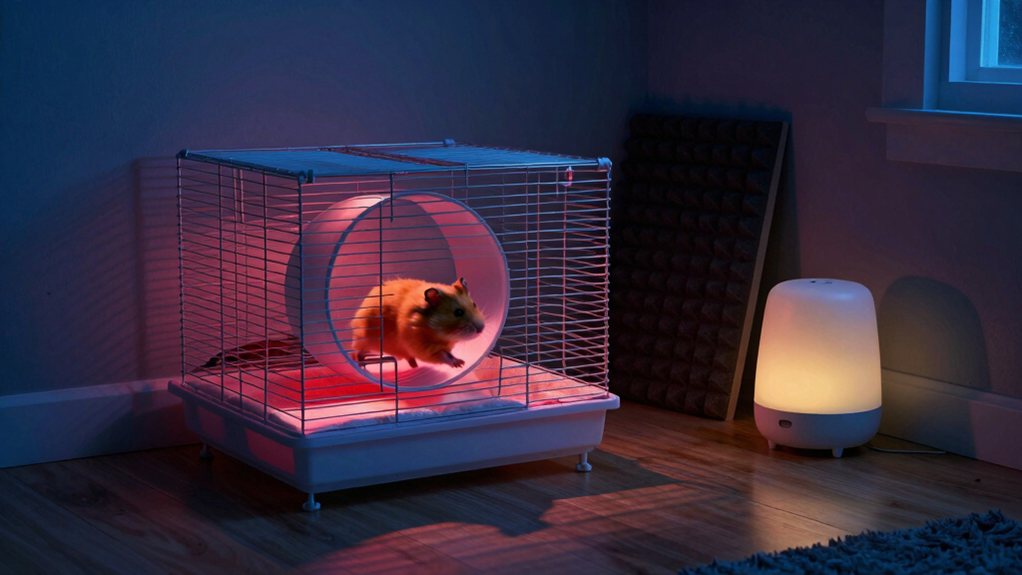
Line your hamster’s cage with soft, safe bedding like paper-based material, aspen shavings, or unscented shredded paper. You’ll keep their lungs happy and their instincts busy.
Skip pine and cedar. Those fresh scents are toxic. Aim for 6–8 inches deep so they can dig and burrow like little underground architects.
Add some hay or cotton-free nesting fluff for coziness. Get it right, and you’ll dodge sneaky health risks while watching your tiny buddy thrive. There’s more to get just around the corner.
Why Pine and Cedar Shavings Harm Hamsters
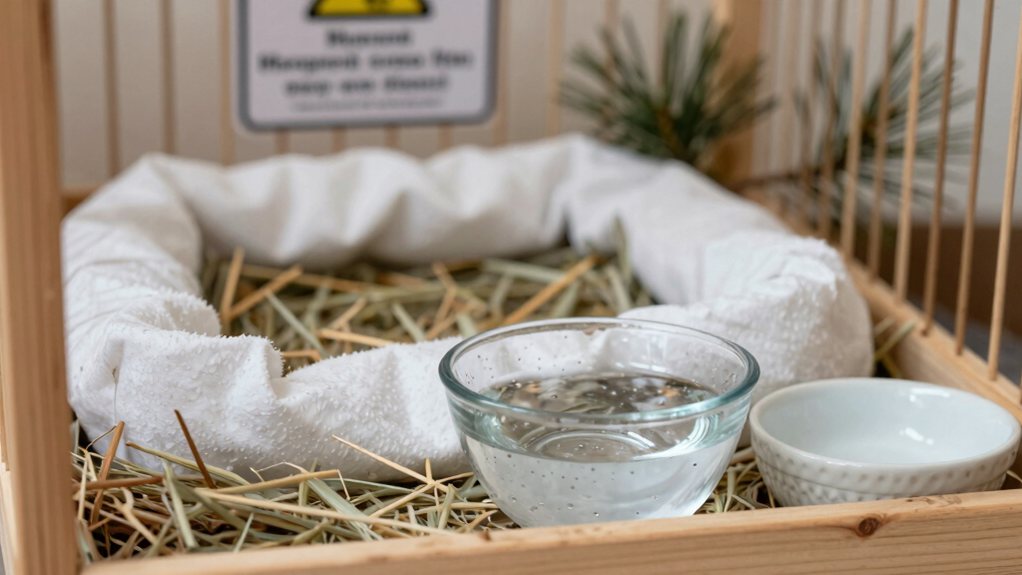
Ever wonder why your hamster keeps sneezing even though their cage looks clean and cozy?
Well, it might be those pine or cedar shavings you’re using.
Yep, those fresh-smelling wood chips may seem like a great idea, but they’re actually a no-go.
They release natural oils that cause respiratory irritation, think of it like your hamster constantly breathing in perfume fumes.
Not fun, right?
Over time, those same oils can lead to liver damage, which is way more serious.
Your tiny buddy’s body just can’t handle those toxins.
So even if the bedding smells like a forest spa, skip the pine and cedar.
Your hamster will thank you with fewer sneezes and more happy wheel runs.
Opt for paper-based or aspen bedding instead, safe, soft, and much kinder to their little lungs and liver.
Your pet’s health is worth the switch!
Prolonged exposure to these harmful woods can result in chronic breathing difficulties and long-term health issues, so choosing safe, non-toxic substrates is essential for your hamster’s well-being.
How Deep Should Hamster Bedding Be?
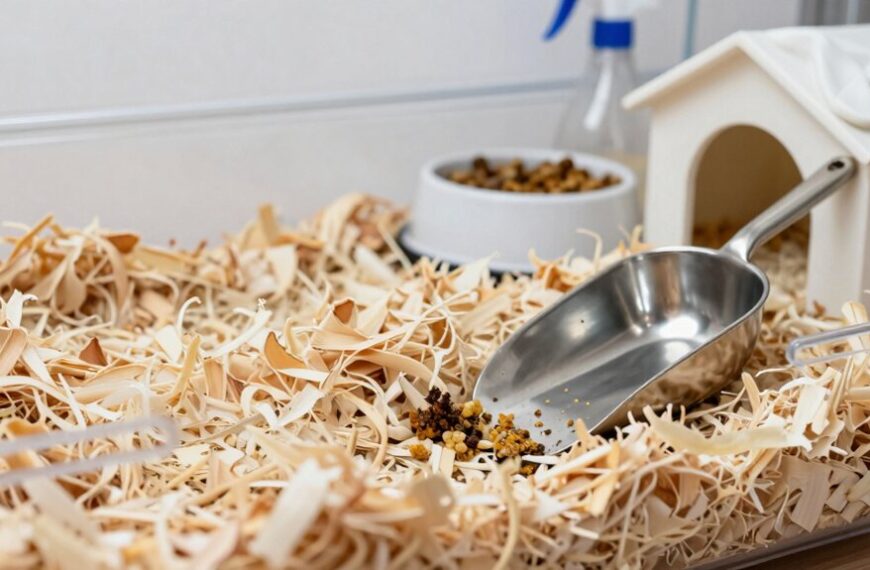
Aim for about 6 to 8 inches of bedding in your hamster’s cage, enough to let them dig, burrow, and feel like true underground architects.
The right bedding depth isn’t merely cozy, it’s key to your hamster’s burrow safety.
Too shallow, and they can’t nest or tunnel like nature intended.
Too deep, and there’s a risk of collapse, especially with loose materials. You want a snug, stable setup where tunnels hold their shape.
Paper-based bedding or aspen shavings work great. They’re safe and supportive.
Check in regularly to make sure tunnels aren’t caving in.
Think of it like building a tiny underground apartment, you want solid walls and a secure roof.
Your hamster will thank you with happy digging and peaceful naps.
Get the depth right, and you’re not merely filling space, you’re creating a safe, fun home.
Aim for bedding with 99.9% dust-free properties to support your hamster’s sensitive respiratory system and overall well-being.
Best Hamster Bedding Materials for Burrowing & Safety
Now that you’ve got the bedding depth just right, 6 to 8 inches of cozy diggable space, it’s time to talk about what actually goes in that sweet underground fortress.
Choosing the right bedding texture matters because hamsters love to burrow and build nests. You want something safe, soft, and easy to dig through.
Think about your hamster’s nesting habits. Fluffy materials make for snug sleep spots, while fiber-based bedding supports tunnel stability.
- Paper-based bedding: Soft, dust-free, and great for digging
- Unscented shredded paper: Safe, cheap, and perfect for nesting habits
- Aspen shavings: Chunky texture helps with burrow structure
- Hay or timothy grass: Adds natural feel and encourages nesting
- Avoid cedar or pine: Harsh oils and rough texture harm your hamster
Pick wisely. Your little digger’s health and happiness depend on it!
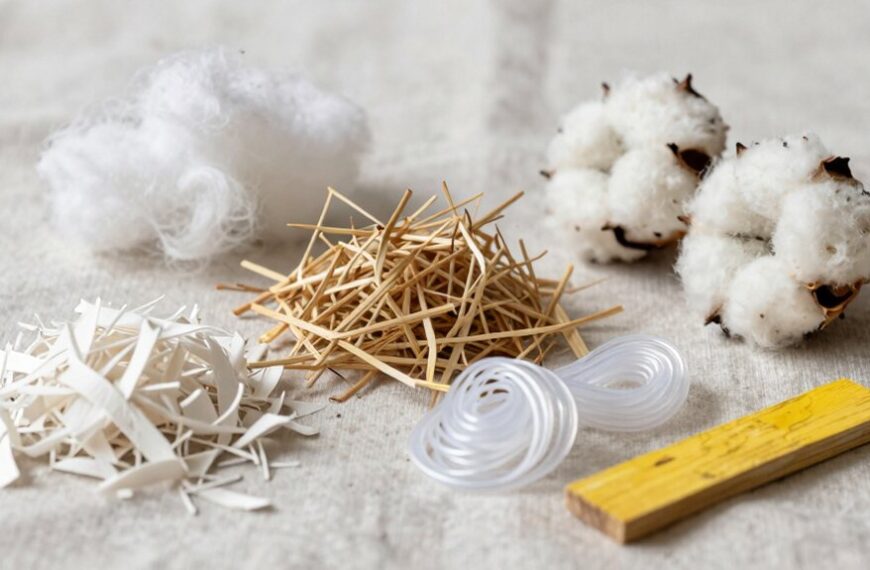
Natural, dye-free cotton-based nesting materials provide a soft, shreddable option that supports safe burrowing and satisfies your hamster’s instinct to build a cozy nest.
Top 5 Safe & Absorbent Bedding Options Compared
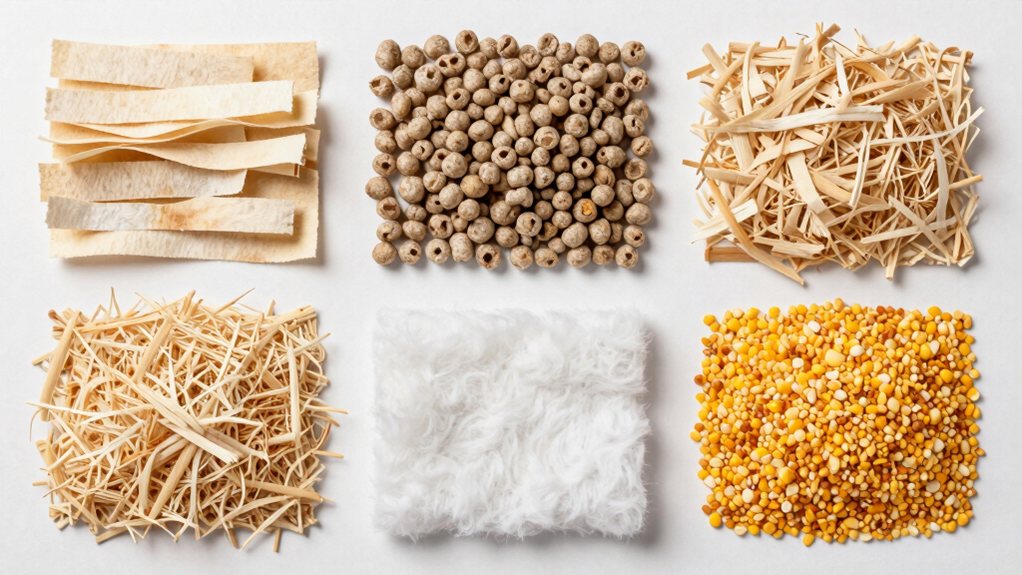
While your hamster mightn’t send you a review after bedtime, they’ll definitely let you know through happy digs and cozy nest-building when their bedding hits the sweet spot.
Let’s break down the top 5 safe, absorbent options so you can pick the best one.
Paper-based bedding is a fan favorite: super absorbent, dust-free, and usually comes in fun bedding color choices.
Just skip the bright neon pink; your hamster prefers subtle vibes.
Aspen shavings are great too, offering solid odor control without the risks of cedar.
Oh, and steer clear of scented options. They might smell lovely to you, but they can irritate your tiny friend’s lungs.
Coconut fiber is eco-friendly and cozy, while fleece is reusable and soft but needs frequent washing.
Just remember: comfort, safety, and a little sniff-test from you go a long way.
Your hamster will thank you with happy, burrow-filled nights.
Disposable cage liners with super absorbent performance can also enhance hygiene by locking away moisture and reducing odor between bedding changes.
5 Dangerous Hamster Bedding Mistakes to Avoid
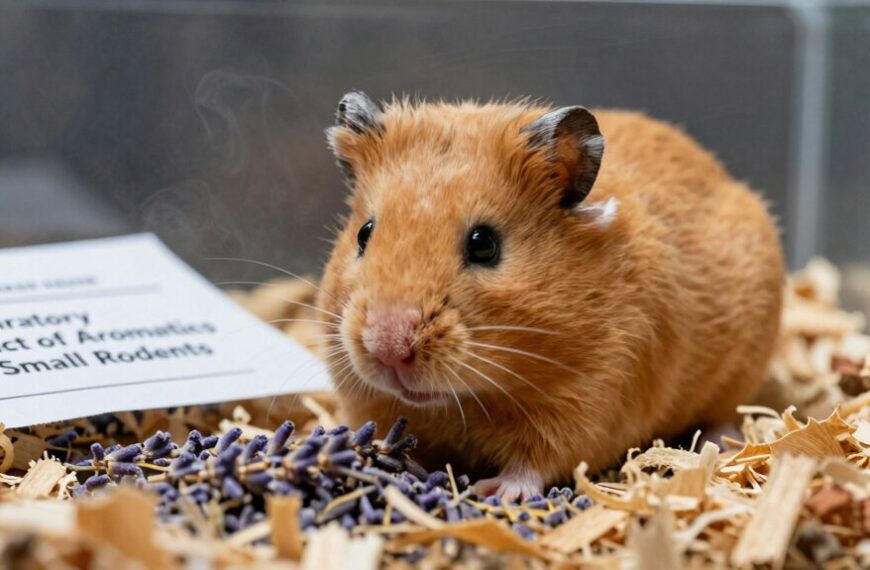
If you’ve ever thought, “Hey, my hamster’s cage could use a little air freshener,” stop right there.
Your sweet little furball doesn’t need a lavender spa day. Strong scents and wrong bedding can lead to toxic fumes and serious respiratory issues.
Let’s skip the risks and stick to what’s safe:
- Scented bedding: It might smell nice to you, but it’s packed with chemicals that irritate tiny lungs.
- Cedar or pine shavings: These release harmful oils—no matter how rustic they look.
- Cotton nesting material: It can clump when wet, trapping moisture and causing health problems.
- Household cleaners near the cage: Fumes linger and can be deadly.
- Air fresheners or diffusers nearby: That “fresh linen” scent? Pure trouble for your hamster’s breathing.
Keep it simple, natural, and fume-free. Your little buddy will thank you with happy zoomies.
When cleaning the cage, always choose a vet-approved disinfectant to ensure a safe, germ-free environment without harmful residues.
Final Thoughts
You’ve got this! Now that you know the do’s and don’ts, your hamster’s happy home starts from the bottom up. Ditch the pine and cedar, your tiny buddy deserves safe, cozy bedding. Go deep enough for burrowing, pick something absorbent, and keep it clean.
Avoid those common slip-ups, and you’ll both sleep better. After all, a comfy hamster means fewer midnight wheel marathons—win-win!