Wet tail hits hard and fast, especially in young or stressed hamsters, and it’s way more than just a messy bottom. It’s a serious bacterial infection that can knock your bouncy little buddy flat in under 48 hours.
You’ll notice lethargy, smelly diarrhea, and a hunched look. Don’t wait. Get to a vet right away, because antibiotics and fluids can be lifesavers.
Keep things clean, reduce stress, and ease into diet changes to help prevent it. Oh, and there’s a bit more you’ll want to know about helping your hamster bounce back stronger.
What Is Wet Tail in Hamsters?
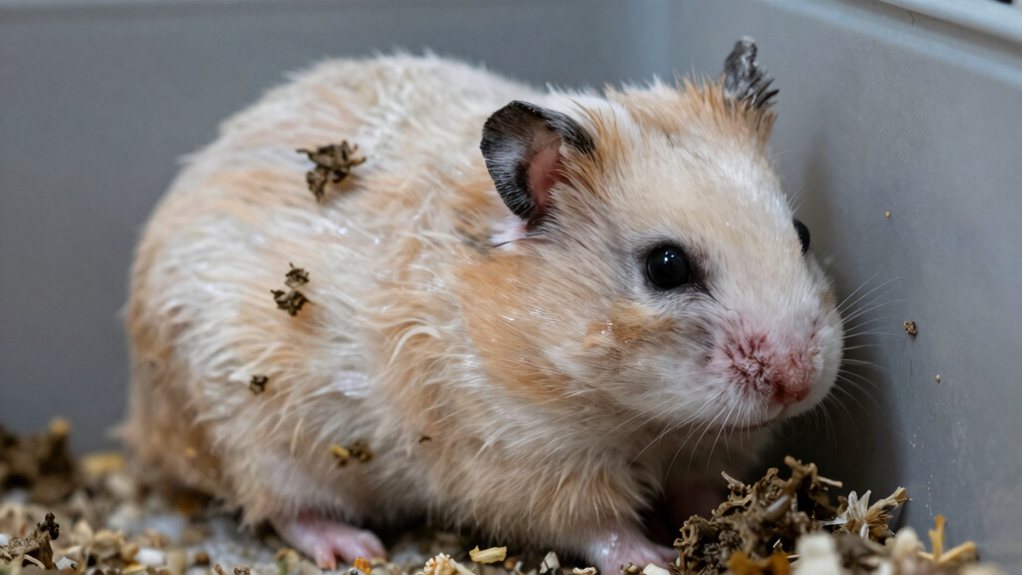
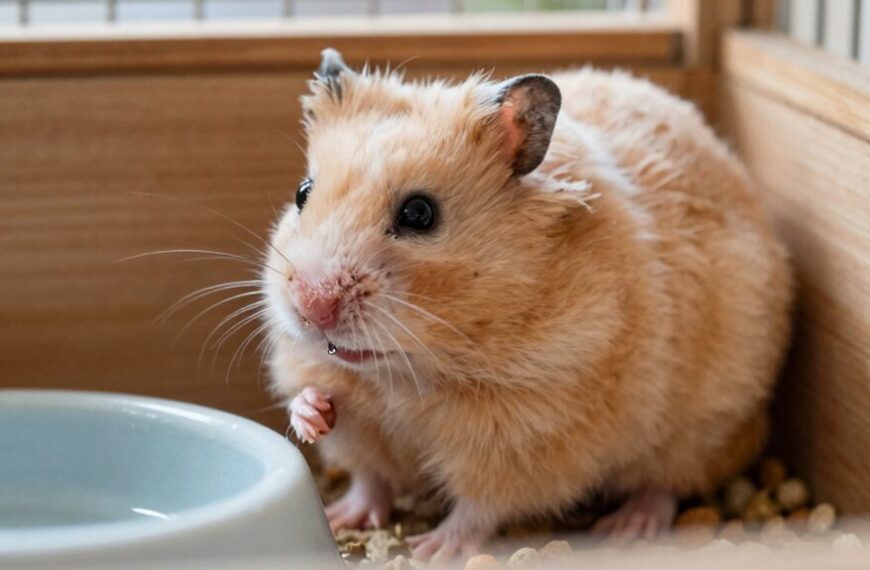
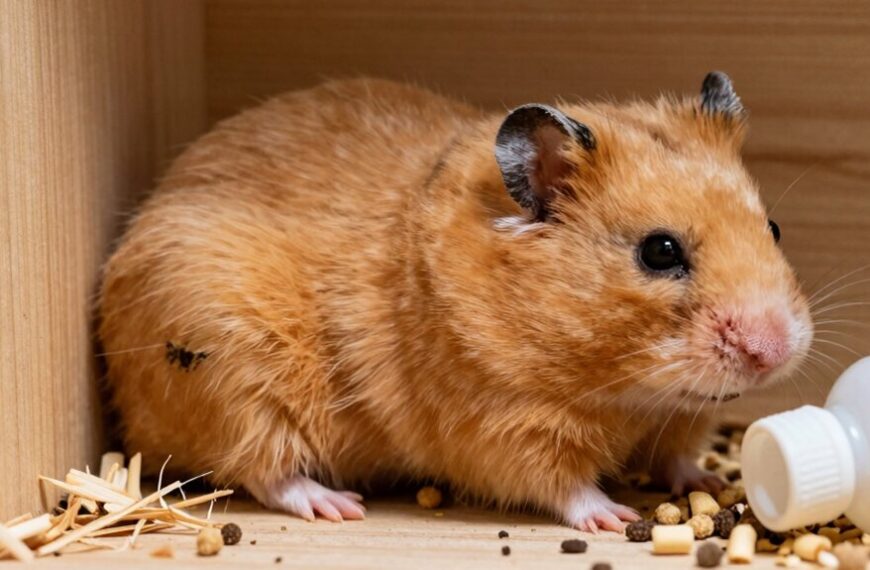
Ever wonder why your hamster’s back end looks suspiciously damp? It might be wet tail, a serious bacterial infection that targets young or stressed hamsters. You’ll spot wet tail symptoms like a messy, wet rear, strong odor, hunched posture, and lethargy. It spreads fast, so catching it early is key.
A damp rear? It could be wet tail—a serious, fast-spreading infection in young or stressed hamsters. Watch for wetness, odor, hunched posture, and lethargy. Early detection saves lives.
Unlike a simple mess from poor hamster hygiene practices, wet tail isn’t just dirty, it’s dangerous. Think of it as a tummy bug gone rogue.
While it sounds scary and it can be, staying alert helps. Keep their cage clean, avoid sudden changes, and monitor their behavior daily.
If something feels off, trust your gut and call the vet. With quick action, your tiny buddy has a fighting chance. You’ve got this, your hamster’s counting on you!
How Fast Can Wet Tail Kill Your Hamster?
You just noticed your hamster looking droopy, maybe a bit messy back there, and now you’re wondering how serious this really is. Well, wet tail doesn’t mess around.
This nasty bacterial infection can go from bad to worse in as little as 24 to 48 hours, especially in young hamsters.
Some are hit harder due to genetic predisposition, meaning their bodies just aren’t built to fight it as well.
Add in environmental stress, like a new home, loud noises, or dirty bedding, and boom, you’ve got a perfect storm.
Your little buddy might seem fine in the morning and be struggling by dinner.
That’s why you’ve gotta act fast: call your vet ASAP.
While it sounds scary, and it is, catching it early gives your hamster a real fighting chance.
Keep things calm, clean, and cozy. Your fuzzy pal’s counting on you.
Early Signs of Wet Tail: What to Watch For?
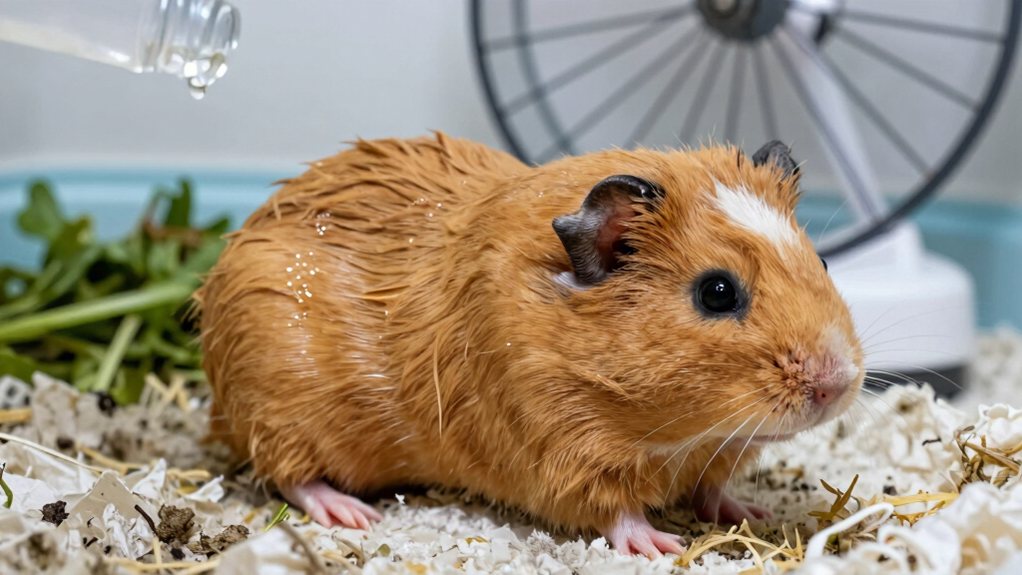
You might notice your hamster’s tail looks damp or messy, and that’s often the first red flag something’s off.
They’ll start acting sluggish, maybe skipping their usual wheel runs or ignoring their favorite snacks.
If your little buddy suddenly stops eating and seems more tired than a cat after a nap, it’s time to pay close attention.
These signs can add up fast.
A strong pungent smell may also develop due to bacterial overgrowth, a hallmark of wet tail progression.
Damp Tail Area
What’s that you see, just a little dampness near your hamster’s tail, or something more serious? Don’t brush it off. A damp fur patch or lingering tail moisture could be an early red flag for wet tail, even if your little buddy seems fine otherwise.
It’s easy to miss, like morning dew on grass, but this isn’t just a messy bathroom mishap. That wetness often means diarrhea is starting, and in hamsters, that’s a big deal.
Keep an eye on their back end daily—yes, really. If the fur stays damp for more than a few hours, or smells a bit off, it’s time to act.
Think of it like spotting a small leak before the whole boat sinks. Stay calm, but don’t wait.
Your quick check today could save your tiny pal a world of trouble tomorrow.
Lethargic Behavior Patterns
Could your usually zippy hamster suddenly be playing the part of a tiny, furry sloth? If so, it might be more than just a lazy day. Lethargic behavior patterns are a red flag for wet tail, especially in young hamsters. You might notice your pet skipping out on play behavior, ignoring their wheel, or not responding when you talk to them.
Normal social interaction drops off. They won’t come to the cage front or sniff your fingers like they used to.
Instead, they’ll huddle in a corner, eyes half-closed, looking like they’ve given up on life.
While hamsters do nap a lot, this isn’t sleep. It’s exhaustion.
Don’t brush it off. Catching this early can save your little buddy. Keep an eye out, and when in doubt, call the vet.
Loss Of Appetite
Ever notice how your hamster usually goes nuts for a sunflower seed like it’s the greatest treasure on Earth? So when they turn their nose up at snacks, it’s a red flag.
A sudden loss of appetite is one of the early signs of wet tail, especially if their feeding habits change fast. You know your little buddy best, when something feels off, it probably is.
Keep an eye on their stress levels too, since high stress can weaken their immune system and make things worse. Watch for these clues:
- Skipping meals or ignoring favorite treats
- Lethargic behavior paired with no interest in food
- Hunched posture while sitting near untouched food
- Noticeable weight loss in just a day or two
- Changes in grooming or droopy eyes
Don’t wait. Early action saves lives.
What to Do Immediately If You Suspect Wet Tail?
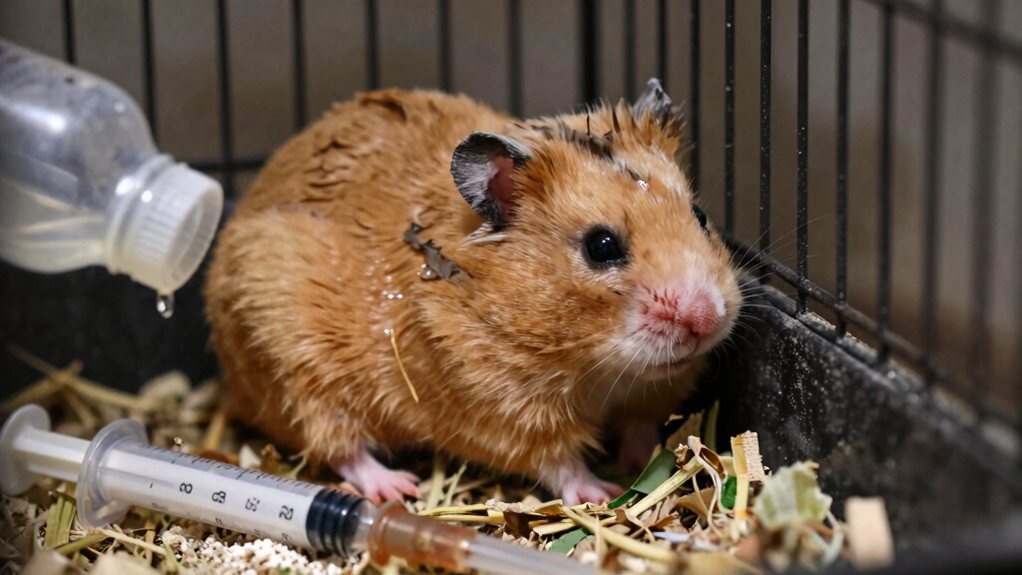
If your hamster’s tail looks damp, their fur is matted, and they’re acting more sluggish than usual, it’s time to spring into action.
Wet tail is no joke, and every hour counts.
Don’t panic, but do act fast.
First, reduce stress factors.
Keep noise low, avoid handling, and give your little buddy peace.
Stress weakens their immune system, making things worse.
Next, check environmental hygiene.
Clean the cage thoroughly, swap wet bedding, and guarantee it’s dry and cozy.
Then, call your vet immediately.
Wet tail spreads fast and needs antibiotics.
While you wait, offer fresh water and plain electrolyte solutions.
Yes, even a tiny sip from a child’s electrolyte drink, diluted.
Your quick thinking could save their life.
You’ve got this.
Your hamster’s counting on you, and you’re already doing great by learning what to do.
What Will the Vet Do for Wet Tail?
When you take your hamster to the vet, they’ll check him over carefully to see if it’s really wet tail, you’d be surprised how fast they can tell.
They’ll probably prescribe antibiotics right away, because this little guy won’t beat it without a fighting chance.
Plus, they might give him fluids and extra care to keep him hydrated, kind of like a tiny, furry patient in a mini ICU.
Diagnosis Through Physical Exam
So, how do vets actually figure out if your hamster has wet tail? They’ll start by checking your tiny buddy from nose to tail, literally. Here’s what they typically look for:
- Fecal staining around the rear, which is often the first red flag
- Signs of dehydration, like sunken eyes or slow skin bounce-back
- A hunched posture or lack of energy, because even hamsters fake being busy when they’re sick
- Rectal prolapse, where tissue sticks out (not normal, and definitely not cute)
- Smelly diarrhea, because, well, you’ll know when it’s bad
They don’t need fancy labs—just sharp eyes and gentle hands. It’s quick, low-stress, and helps them act fast.
You’ll feel better knowing they’re on the case, and so will your little furball. Early detection? That’s the real MVP here.
Prescription Of Antibiotics
Now that your vet’s spotted the signs, like goopy fur on your hamster’s backside or that sad, hunched look, they’re more than going to sit around. They’ll likely prescribe antibiotics fast, because wet tail spreads quickly and can be deadly.
But here’s the thing: they’ll pick a specific type that fights the bad bacteria without wrecking your hamster’s delicate gut flora. You don’t want to cause more harm, right?
That’s why vets avoid overusing antibiotics. No one wants to deal with antibiotic resistance, even in tiny pets.
You’ll give the meds exactly as directed, no skipping doses, even if Mr. Whiskers starts perking up. Think of it like finishing your own cold medicine.
Your vet’s got your back, and your hamster’s tiny tummy will thank you. Stay calm, stay consistent, and let the pros handle the science.
Hydration And Supportive Care
How do you keep a tiny, shaky hamster hydrated when they won’t drink?
Your vet knows this struggle and steps in fast. Wet tail hits hard, and dehydration worsens electrolyte imbalance, making your little buddy even weaker. But don’t panic. Help is on the way. With gentle care and smart moves, recovery becomes possible.
Here’s what typically happens:
- The vet gives fluids under the skin to bypass drinking entirely
- They monitor for signs of electrolyte imbalance and correct it fast
- Warm bedding keeps your hamster cozy and supports stress management
- Soft foods or syringe feeding guarantee they get nutrients
- Quiet surroundings help reduce stress and encourage rest
It’s intense, yes, but also full of hope. With love, medicine, and a calm space, your hamster gets a real fighting chance. You’ve got this.
How to Care for Your Hamster at Home After Diagnosis?
What if your tiny, whiskered buddy just isn’t acting like himself, maybe he’s hunched in the corner, barely moving, and you’ve just gotten the news: wet tail?
Don’t panic—you’ve got this.
Keep his space super clean, but skip the fancy cage decoration for now.
Less clutter means fewer germs.
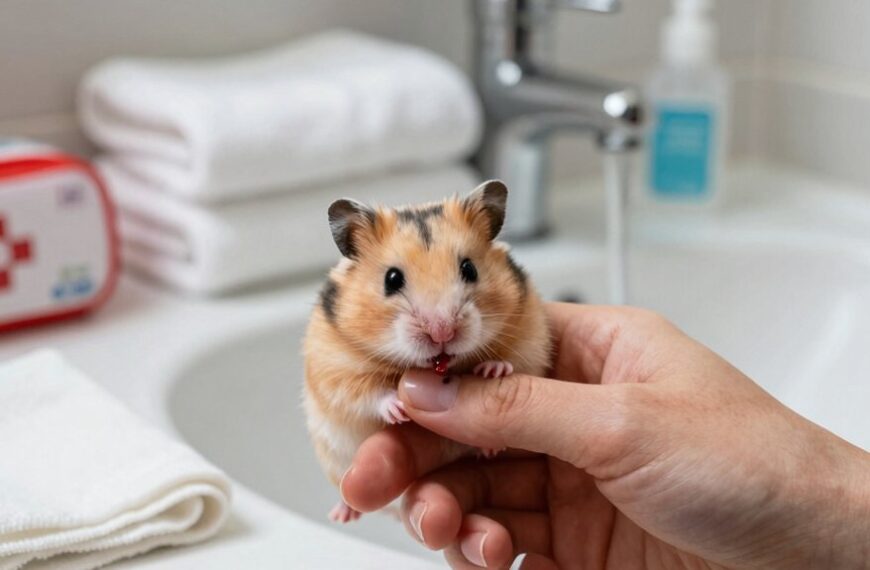
Your vet might suggest gentle hamster grooming to keep his rear clean.
Use a soft, damp cloth and be super tender.
Keep him warm with a cozy hide and maybe a wrapped heating pad on low.
Offer fresh water and easy-to-digest food like plain oats or baby food.
Check on him often.
He’ll need your love and attention most.
Sure, he mightn’t be doing backflips yet, but with your care, he’ll perk up.
You’re more than a pet parent.
You’re his hero.
Why Young Hamsters Get Wet Tail?
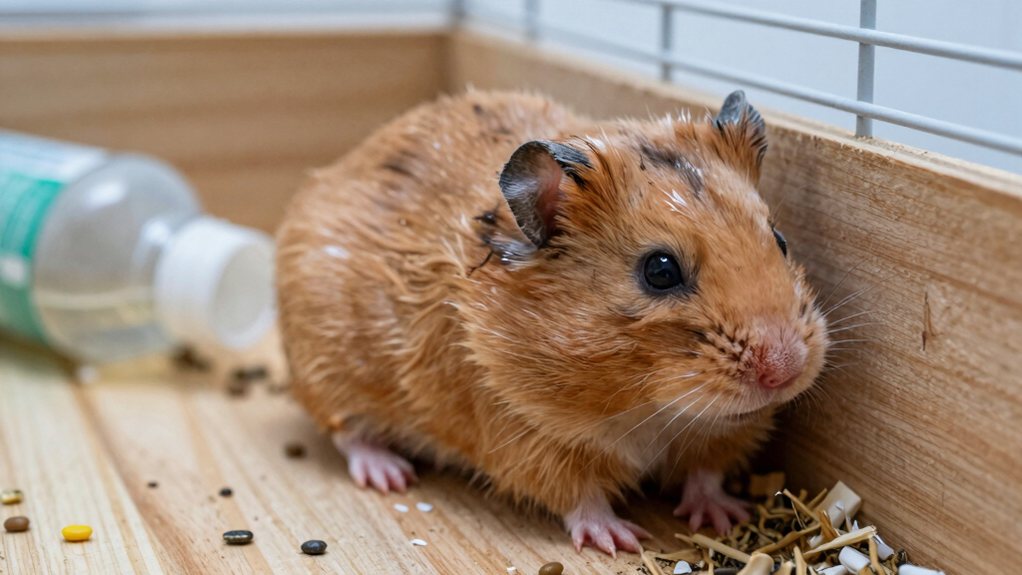
Ever wonder why it’s usually the little guys, the young hamsters, who seem to catch wet tail more often? It’s more than bad luck. Their tiny bodies are still developing, making them extra sensitive to stress factors and bacterial imbalance. Here’s what’s really going on:
Moving to a new home? That’s a major stress factor for young hamsters.
Their immune systems aren’t fully grown yet, so germs can take over fast.
Changes in diet can mess with their gut, leading to bacterial imbalance.
Overhandling or loud environments add stress, weakening their defenses.
Even shipping from breeders can shake them up more than we think.
You’re not alone. Many new hamster parents face this.
With love, calm, and consistency, your little buddy can stay healthy and happy.
Just remember: small stressors feel huge to them!
How to Prevent Wet Tail in Your Hamster?
While you can’t wrap your hamster in a tiny raincoat, you *can* take smart steps to keep wet tail at bay. Start by choosing a hamster from a reputable breeder: some have a genetic predisposition, so knowing their background helps.
Keep their home clean and dry; dirty cages add environmental stress, which weakens their immune system.
Change bedding regularly and avoid sudden changes in diet or routine. Hamsters are sensitive, so handle them gently and introduce new things slowly.
Also, quarantine new pets to prevent spreading bacteria.
You’d be surprised how stressed a little guy can get—from loud noises to cage mates, it all adds up. Think of your hamster as a tiny roommate who hates drama.
Preventing wet tail isn’t magic, just mindful care. Stay alert, stay calm, and your fuzzy friend will thank you with happy, dry tail days.
Final Thoughts
You’ve got this, hamster hero! Wet tail’s no joke, but catching it early and rushing to the vet can save your tiny buddy’s life.
Remember, young hamsters are especially vulnerable, so stay sharp. With quick action, proper care, and a clean cage, you’ll stack the odds in their favor.
Think of yourself as their tiny-tailed superhero, cape optional, but love required.