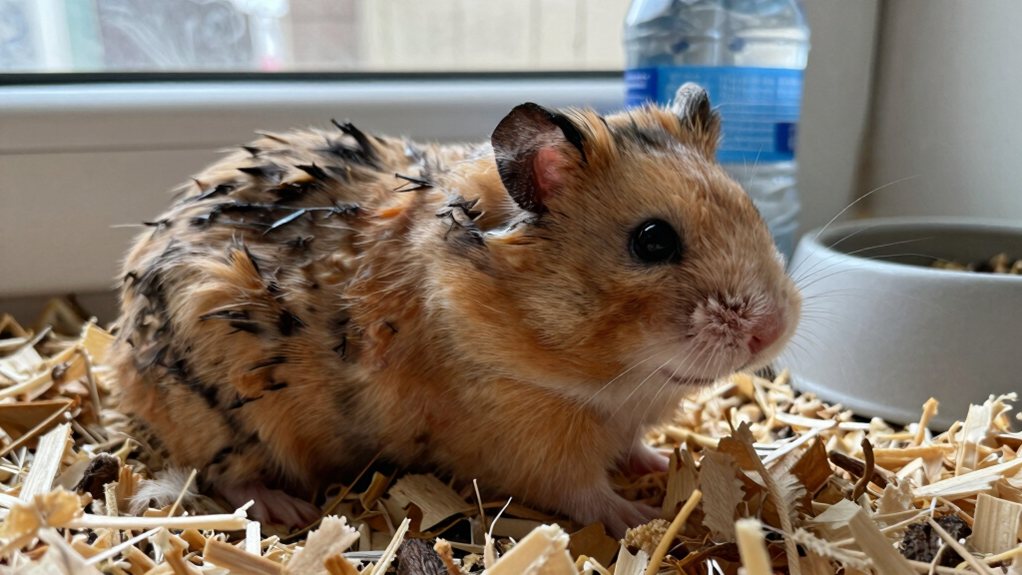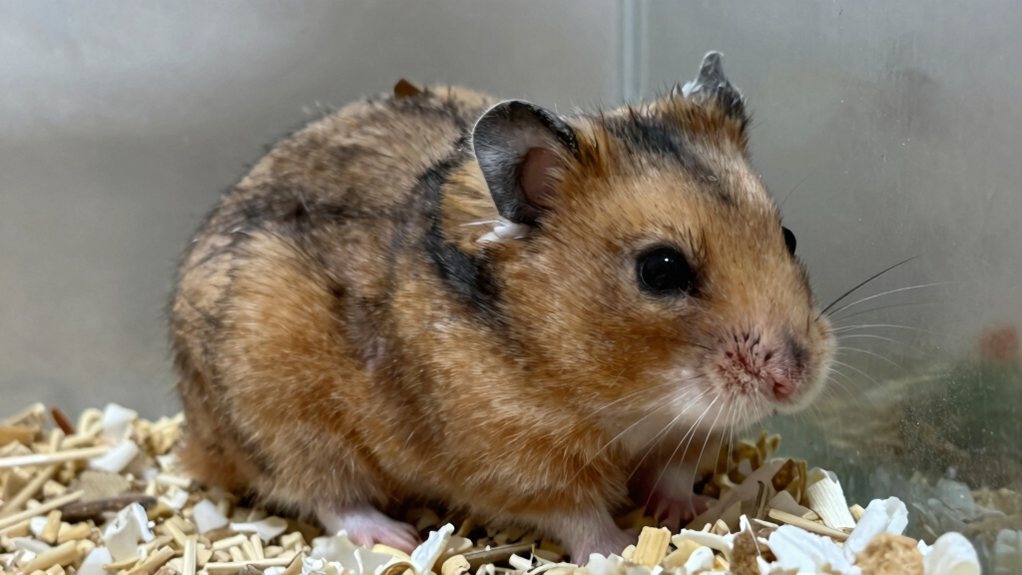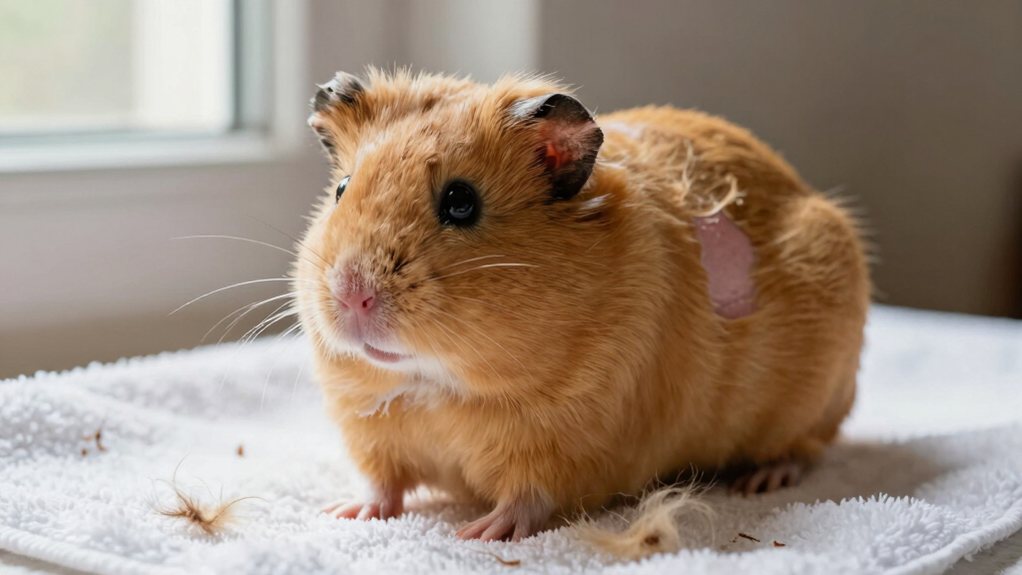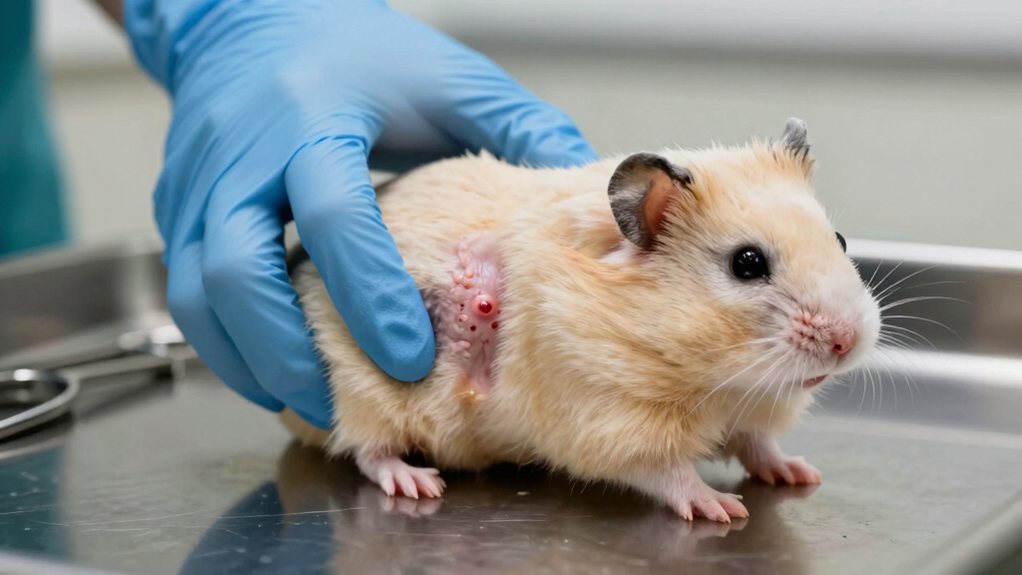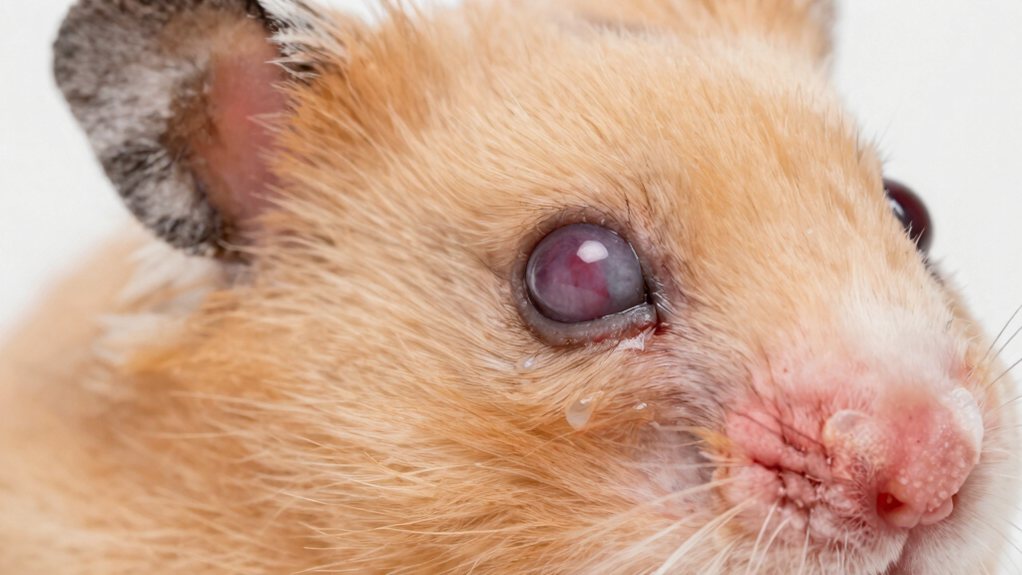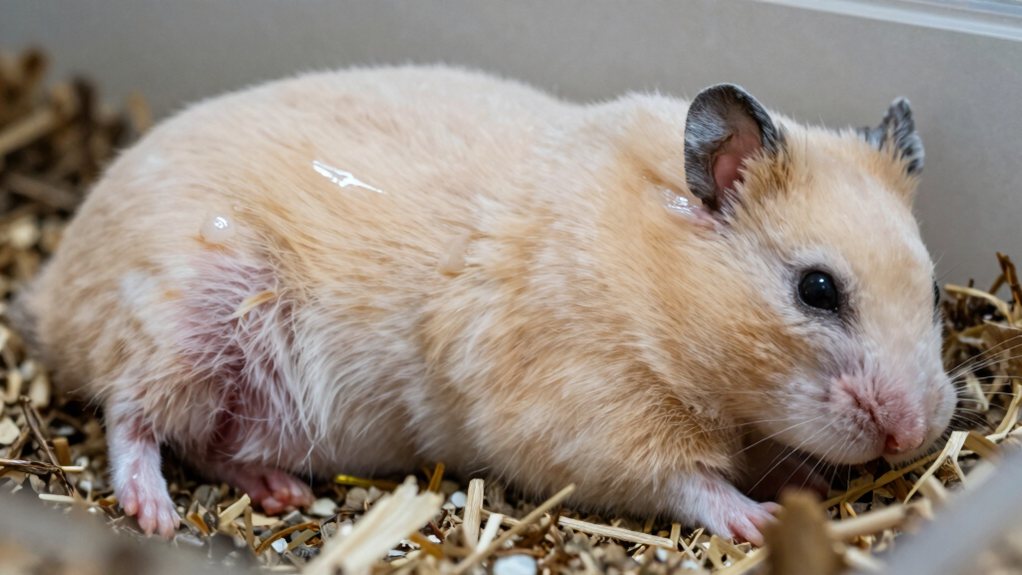
You might notice your hamster drinking and peeing more, acting tired, or having a firm, swollen belly, but spotting pyometra early can be tricky.
If she becomes totally lethargic, seems in pain, or declines fast, it’s a true emergency and you need a vet right away. This uterine infection is incredibly dangerous because it can cause toxic shock.
Learning more about these signs could help you protect your little friend.
What Are the Symptoms of Pyometra in Hamsters?
Recognizing the symptoms of pyometra in your hamster can be tricky at first, because she’s a master at hiding her discomfort—it’s a survival instinct. You might notice she’s drinking and urinating way more than usual or has a swollen abdomen that feels firm.
Lethargy is a big red flag; if your usually energetic friend is now a sleepy lump, pay attention.
If your once-active hamster is now constantly sluggish, consider it a serious warning sign that needs your immediate attention.
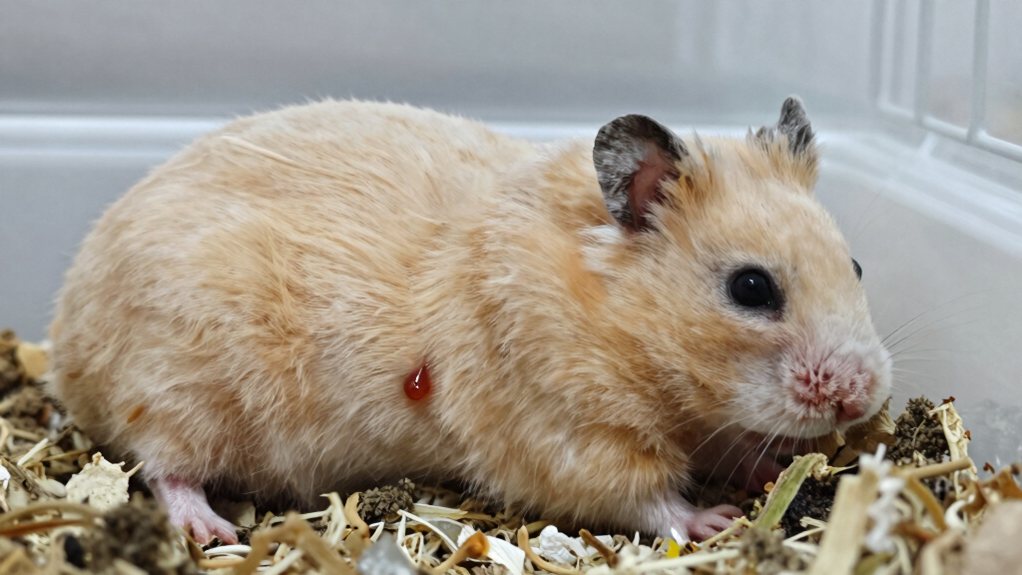
Watch for abnormal vaginal discharge, which can be pus-like or bloody.
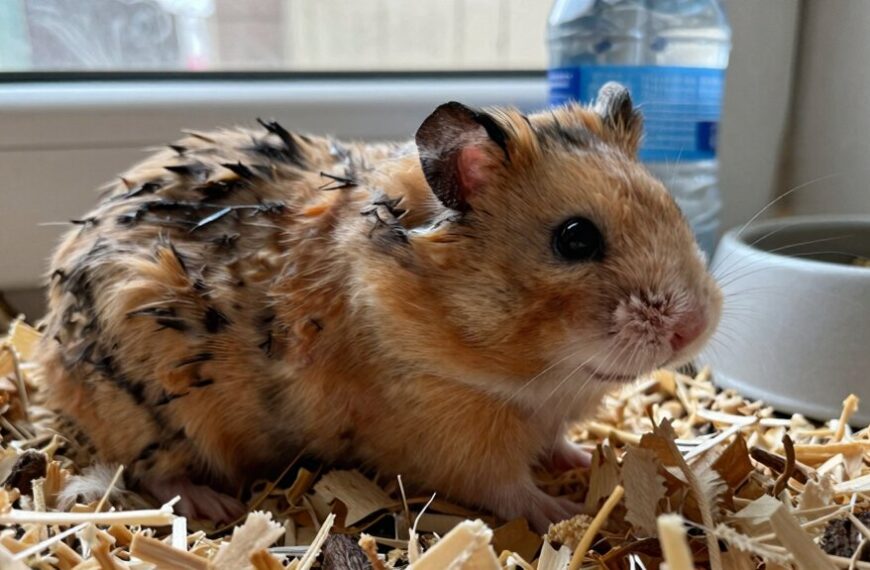
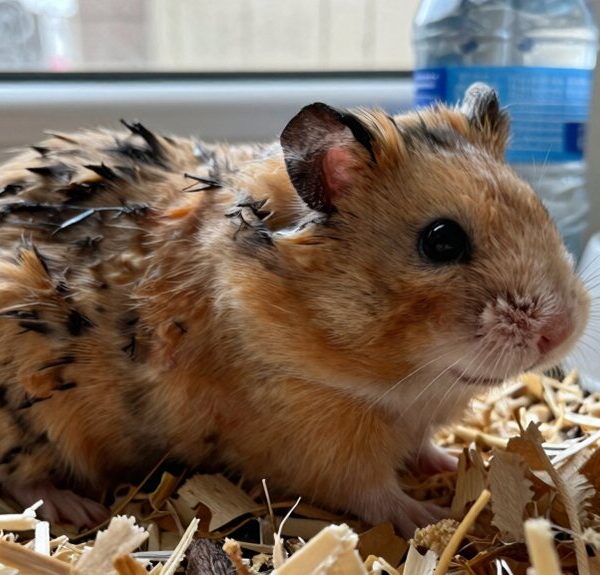
Don’t ignore a loss of appetite or a messy, unkempt coat.
Remember, age related risk factors mean older females are more susceptible.
These signs can escalate quickly, so trust your gut.
You know her best, and early observation is your superpower here. Watch for signs of respiratory distress, such as labored breathing or wheezing, which can indicate a systemic infection.
When Is Pyometra a Veterinary Emergency?
- Total Lethargy: If your normally active friend won’t move, eat, or drink, her system is shutting down.
- Visible Distress: Labored breathing, a hunched posture, or crying out in pain are clear cries for help.
- Rapid Decline: Especially with age related risk, a senior hamster can go from “off” to critically ill incredibly fast.
- Systemic Infection: A resulting fever or severe fatigue are signs the infection is spreading beyond the reproductive tract, similar to when a bacterial infection becomes systemic following a bite.
Trust your gut; if something seems terribly wrong, it likely is. Rush to the vet immediately, every minute counts.
How Do Vets Diagnose and Treat Pyometra?
The diagnosis process is pretty straightforward, but it’s crucial for getting your hamster the right help fast. The vet will gently examine her and likely use diagnosis imaging, like an ultrasound, to peek inside and confirm the infection. This quick look tells them exactly what they’re dealing with.
Treatment almost always involves surgery to remove the infected uterus, which is a big procedure for a tiny patient. Before and after surgery, your vet will choose a course of antibiotic selection to fight the infection. Following the procedure, your hamster will need careful supportive care, including fluids and pain relief, to aid her recovery, and you’ll need to monitor her closely for any signs of a secondary infection such as redness, swelling, or fever at the incision site.
Why Is Pyometra So Dangerous for Hamsters?
The main risks come down to three critical points:
- Rapid Toxicity: The infection can spread toxins into the bloodstream, leading to deadly septic shock.
- Organ Failure: The pus-filled uterus can rupture, poisoning other organs.
- Deceptive Weakness: Your hamster’s instinct to mask pain means she might seem okay until she collapses, leaving very little time to act. This rapid deterioration without warning signs mirrors other sudden health crises in hamsters, such as those caused by hidden genetic defects or a fragile heart.
Can Pyometra Be Prevented in Hamsters?
While you might wish for a magic solution to keep pyometra at bay, the reality is that this dangerous uterine infection can’t be completely prevented in hamsters.
The most effective strategy is breeding prevention. Since pyometra is hormonally driven, spaying your female hamster eliminates the risk entirely. However, this is major surgery for such a tiny pet.
Consequently, excellent hygiene management becomes your frontline defense. You must keep her habitat impeccably clean, changing bedding frequently to reduce bacterial exposure. This includes using a vet-approved disinfectant during routine cleanings to eliminate pathogens like Salmonella and Pseudomonas. Also, provide a nutritious diet to support her overall immune health.
Think of yourself as her personal homekeeper and chef. You can’t guarantee she’ll never get sick, but you can stack the odds in her favor with dedicated, loving care.
Final Thoughts
So, you’re now clued up on pyometra, a serious but treatable condition. Remember, knowing those symptoms and acting fast with your vet is your best defense.
While it’s a scary topic, staying observant means you’re giving your little friend the best chance at a long, happy life. Keep an eye out, trust your gut, and don’t hesitate to get professional help, your hamster is counting on you!