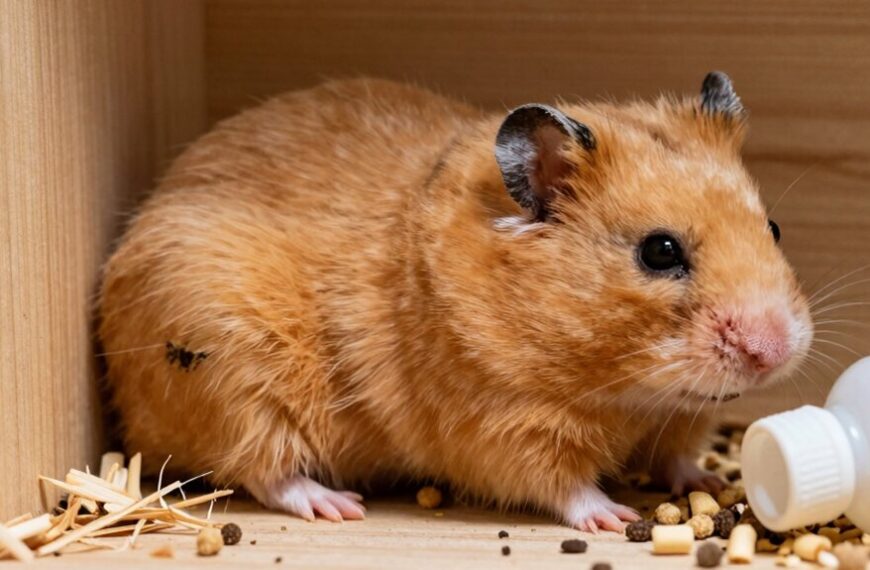
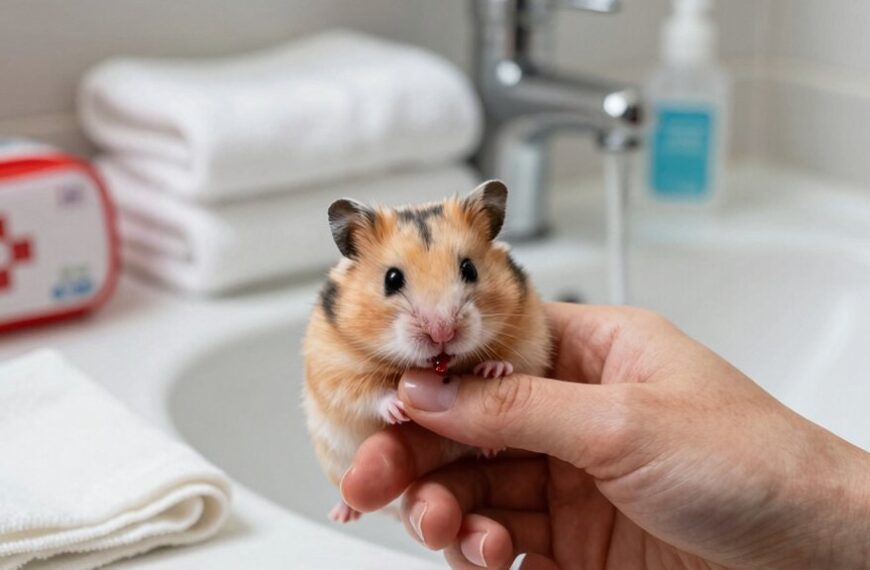
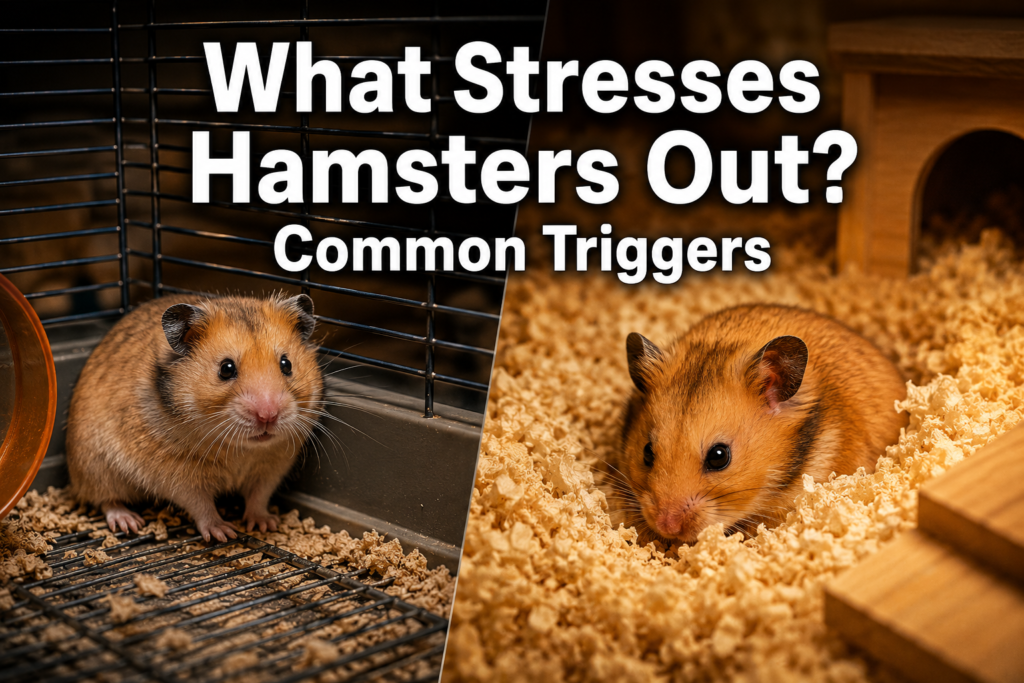
Yeah, you can get sick from hamsters, but it’s rare and usually only if you skip simple hygiene steps. They might carry germs like Salmonella or a virus called LCMV, which can spread through droppings, saliva, or dirty bedding.
You’re most at risk if you touch your face after handling them or clean their cage without washing your hands. Good news, a little hand soap and common sense go a long way. Stay safe, and you’ll both be just fine. Plus, there’s more to keep you in the know.
Can Hamsters Make You Sick?

So, can your tiny, squeaky hamster actually make you sick? Well, the short answer is yes. It’s rare. Hamsters can carry germs that lead to zoonotic transmission, meaning diseases can jump from them to you. Think salmonella or ringworm, not the bubonic plague. Gross? Maybe a little. But you’re not doomed.
Practicing good pet hygiene goes a long way. Wash your hands after handling your hamster or cleaning its cage. Seriously, soap and water are your best friends here.
Keep their home clean, too. No one likes a dirty cage, not even hamsters.
While they’re generally safe, treating them with care and cleanliness keeps both of you happy and healthy. So, relax. Your furball isn’t out to get you. Just be smart, stay clean, and enjoy those adorable midnight wheel runs.

All-in-One Hamster Cage Accessories – This set includes a maze wooden hideout, a 9.5‑inch silent hamster wheel, a hamster water bottle stand, a food bowl, and 16 natural hamster toys. One convenient bundle covers exercise, play, rest, feeding, and hydration – no extra purchases needed.

HAMSTER CAGE ODOR CONTROL — Helps neutralize urine, soiled bedding, food and everyday habitat odors without covering the cage in heavy perfume. Ideal for keeping the habitat and surrounding room fresher between full bedding changes

Size: 20 x 6 x 6cm; SUITABLE FOR SMALL Pet eg. Sugar glider, Squirrel, Hamster, Mouse and other small pets Pls check the size before you buy it.
Hamster-Borne Diseases and How They Spread
You’ve got your cute little hamster, and while they’re not handing out germs like candy, they can still carry some bugs that might make you feel under the weather.
Some hamsters may spread bacteria like Salmonella through their poop or bedding, so always wash your hands after handling them or cleaning their cage.
Hamsters can carry Salmonella in their poop or bedding—always wash your hands after handling them or cleaning their cage to stay safe and healthy.
If you’re prone to hamster allergies, you might sneeze or get itchy eyes, not fun, but usually manageable with a little care.
Bites are rare, but they happen, especially if your hamster feels scared.
That’s where bite prevention comes in: gentle handling and calm interactions go a long way.
Keep their space clean, avoid sudden movements, and don’t let kids wrestle them like tiny action figures.
Most risks are easy to avoid with basic hygiene and respect for your pint-sized pet.
So relax, your furry buddy isn’t out to get you.
Just use your head, and you’ll both stay happy and healthy.
What Is LCMV and Can It Harm You?
You’ve probably never heard of LCMV, but it’s a virus some hamsters can carry without looking sick a day in their life. It can spread to you through their pee, poop, or saliva, so yeah, it can make you feel pretty awful if you’re not careful.
Think fever, headaches, and feeling like you binged one too many episodes. Except it’s your body fighting off an uninvited guest.
What Is LCMV?
Ever wonder what tiny trouble your hamster might be hiding? While they’re cuddly and cute, some hamsters carry LCMV, short for Lymphocytic Choriomeningitis Virus. This little bug has serious zoonotic potential, meaning it can jump from pets to people through viral transmission, usually via pee, poop, or saliva. But don’t panic—here’s what you should know:
LCMV comes from infected rodents, especially wild mice that breed with pet hamsters. Most healthy adults get mild flu-like symptoms—or nothing at all.
For pregnant women or those with weak immune systems, it can be dangerous. Simple hygiene, like washing hands after handling your pet, slashes your risk.
How Is It Spread?
Now that you know LCMV can sneak in through infected rodents, let’s talk about how it actually spreads. Because it’s not like your hamster’s going to hand you a virus on a tiny silver platter.
You can catch it through airborne transmission when you breathe in tiny particles from infected urine, droppings, or saliva, especially when cleaning the cage. Yikes, right? It’s not common, but it happens.
You can also get it through indirect contact. Say, if you touch a contaminated surface and then rub your eyes or nose without washing your hands. So yes, skipping handwashing after pet care could give the virus a backdoor entrance.
The good news? A little soap and water go a long way. Keep the cage clean, avoid stirring up dust, and treat your hamster’s home like a tiny biohazard zone. Just kidding. Kind of.
Stay smart, stay clean, and you’ll both be just fine.
Can It Cause Illness?
So, what happens if you actually catch LCMV? Could it knock you off your feet or is it just a minor bug? While most people breeze through it like a cold, LCMV (Lymphocytic Choriomeningitis Virus) can pack a real punch, especially if you’re pregnant or have a weak immune system.
This zoonotic transmission from hamsters is rare but worth knowing about. Here’s what you might face:
- Fever and muscle aches that make you feel like you overdid it at the gym
- Headaches so strong, you’d swear your brain’s throwing a tantrum
- Nausea that turns your favorite meal into a no-go
- In serious cases, meningitis-like symptoms needing medical care
Good pet hygiene—like washing hands and cleaning cages—is your best defense. Stay smart, stay clean, and you and your tiny furball can stay happy and healthy together.
How Salmonella Spreads From Hamsters
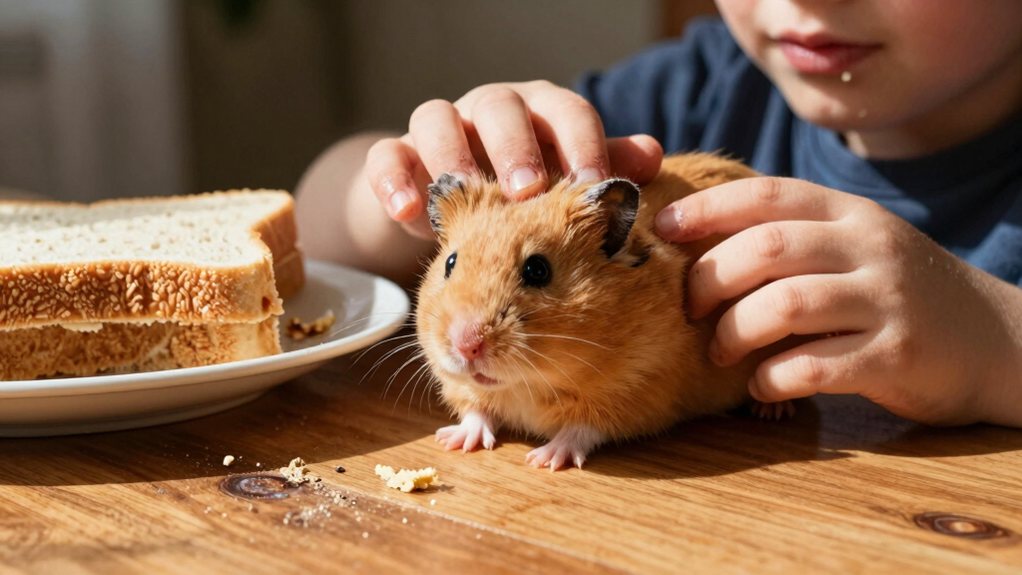
You mightn’t think your hamster’s tiny poop could cause trouble, but it can actually carry Salmonella bacteria that make you sick.
If you handle your pet or clean its cage and don’t wash your hands, you’re giving those germs a free pass to your system.
Even their food and water can get contaminated, so it’s smart to treat everything in that little habitat like it’s part of a mini germ obstacle course.
Hamster Feces Contamination
Ever wonder how something as tiny as a hamster could pack a health punch? It’s more than just hamster allergies or airborne pathogens you’ve got to watch.
Hamster feces contamination is a real sneaky culprit. When your furry little buddy does their business, harmful bacteria like Salmonella can hitch a ride without you even noticing.
Here’s how it spreads:
- You touch a dirty cage or bedding and then your face. Yep, that’s a germ highway.
- Your hamster tracks poop on their paws and spreads it around their habitat.
- You skip washing hands after playtime. Hello, tummy troubles!
- Contaminated dust becomes airborne, especially during cleaning.
Stay smart, wash up, and keep that cage clean.
A happy hamster means a healthier you. No drama, just snuggles (and maybe a pair of gloves).
Handling Without Handwashing
Skipping handwashing after handling your hamster might seem like no big deal. After all, they’re small, cute, and look clean enough to snuggle straight from their cage.
But here’s the thing: even clean-looking hamsters can carry Salmonella on their fur, paws, or in their environment.
When you skip washing your hands, you’re inviting zoonotic transmission—germs jumping from pets to people. That means you could end up with an upset stomach, fever, or worse.
Practicing good pet hygiene isn’t just about being tidy. It’s about staying healthy.
Think of it like this: your hamster’s a tiny roommate who doesn’t wash their hands either.
So, after petting, feeding, or cleaning the cage, take 20 seconds with soap and water. It’s a small step that keeps both you and your pint-sized pal safe.
Stay smart, stay clean, and keep the cuddles worry-free.
Contaminated Food And Water
While your hamster mightn’t be sipping from your water bottle, they can still spread germs through something just as basic: what they eat and drink.
Salmonella, a common culprit in zoonotic transmission, can lurk in contaminated food or water bowls.
You mightn’t realize it, but poor pet hygiene plays a bigger role than you think.
Here’s how it happens:
- Your hamster nibbles food that’s touched by dirty paws or a soiled cage.
- Bacteria like Salmonella transfer to their mouth and fur.
- You handle the food dish or refill the water bottle without washing hands.
- Germs jump to your hands—and possibly your sandwich.
Yikes, right?
But don’t panic.
A little awareness and handwashing go a long way.
Keep bowls clean, store food properly, and treat your tiny friend’s snacks with care.
Good pet hygiene protects both of you.
Because nobody wants a side of Salmonella with their hamster cuddles.
Who’s at Risk From Hamster-Linked Illnesses?
You mightn’t expect a tiny hamster to pose any real health threat, but the truth is, some people are more vulnerable than others when it comes to illnesses that can spread from these pint-sized pets.
If you’re dealing with immune suppression, maybe from a condition like diabetes or treatments like chemotherapy, you’re at higher risk.
That’s because your body mightn’t fight off zoonotic transmission as easily.
Kids under five, pregnant people, and older adults should also be extra cautious.
But don’t panic! Simple steps like washing your hands after handling your hamster or cleaning its cage can go a long way.
Think of it like petting a dog at the park. You wouldn’t lick your fingers right after, right?
A little common sense keeps everyone safe.
Your hamster isn’t out to get you. It just wants snacks and naps.
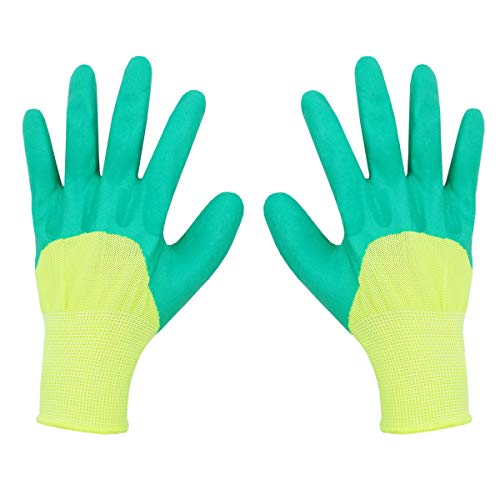

Sized for every interaction: At 9.84x7.87 inches for the hamster anti-bite gloves and 4.92x1.57 inches for the hamster brush, this hamster sugar glider bonding pouch set offers the suitable size for gentle pet care and is suitable for hamsters cats sugar gliders bunnies ferrets rats chinchilla guinea pigs, hedgehogs parrots small dogs. The calming glove comfortably fits most hands, ensuring a pleasant interaction, while the compact grooming brush easily touch hard-to-reach areas.

Specially for small pets,protect you hands from being Bites by their teeth,like hamster and hedgehogs.
How to Handle Your Hamster Safely
Ever wonder why your hamster sometimes zips away like it’s late for a very important date? It’s all part of normal hamster behavior. These little pals are naturally skittish. But with the right approach, you can build trust and stay safe. Here’s how:
Hamsters zoom for a reason—they’re naturally skittish! With patience and gentle handling, you can build trust and turn jitters into joyful moments.
- Wash your hands before and after handling to prevent spreading germs.
- Support your hamster fully. Cup both hands to avoid drops.
- Observe cage design. Make certain bars are close enough to prevent escapes.
- Handle during calm times, like early evening, when they’re most active.
Gentle interaction helps your hamster feel secure. This means less stress for both of you.
How to Clean a Hamster Cage Without Getting Sick
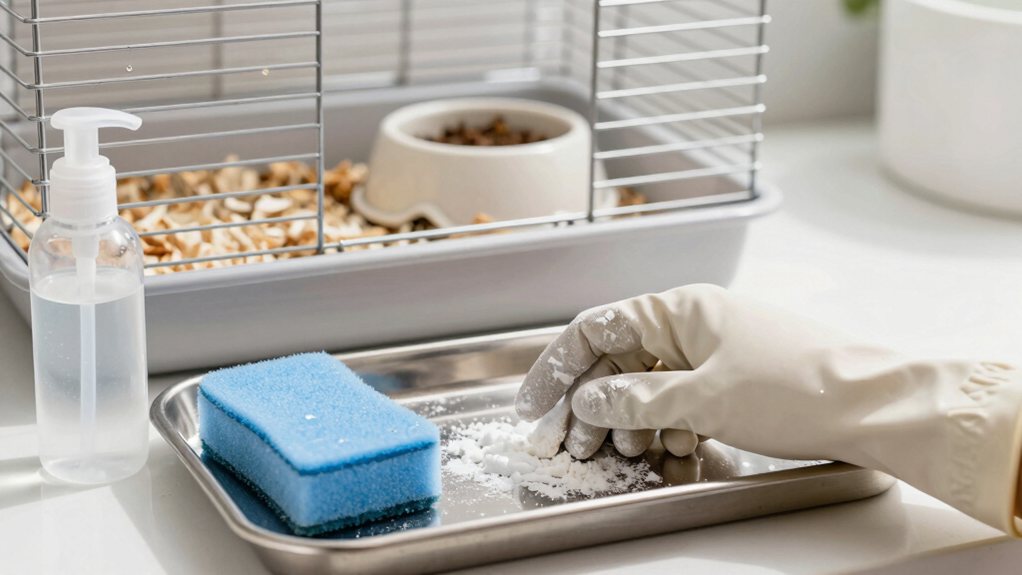
Keeping your hamster happy doesn’t stop at gentle handling, it also means giving their home a good clean every now and then.
To avoid getting sick, start by removing all hamster bedding while wearing gloves, those little paws leave more than just crumbs behind!
Toss the old stuff, then scrub the cage with warm, soapy water.
For proper cage disinfection, use a pet-safe cleaner or a mix of one part vinegar to three parts water, no harsh chemicals, please!
Rinse well and let it dry completely.
While it airs out, give toys and food bowls a quick wash too.
Wash your hands after, even if you wore gloves, better safe than sniffly.
Sure, hamsters are tiny, but their germs aren’t.
A clean cage keeps both of you healthy and happy, plus, your nose will thank you.
Think of it as spa day for your hamster’s home.
When to See a Doctor for Hamster-Linked Symptoms
So, what happens when your cuddly little hamster buddy might’ve shared more than just adorable squeaks?
If you’re feeling off after handling your pet, it’s time to pay attention.
While rare, some zoonotic diseases can pass from hamsters to humans, especially if hygiene or hamster quarantine procedures slip.
Here’s when to call the doctor:
- You develop a fever or rash within days of contact.
- You notice swelling, redness, or pus at a bite or scratch site.
- You’re coughing or struggling to breathe after cleaning the cage.
- Symptoms linger more than a couple of days despite rest.
Don’t panic—most cases are mild—but early zoonotic disease prevention means better outcomes.
Stay calm, stay clean, and remember: even tiny pets deserve big care.
Your doc’s got your back!
Final Thoughts
You’re more likely to stress over a hamster escape than get sick from one, but it’s smart to play it safe. Wash your hands after cuddling your tiny friend, clean the cage regularly, and you’ll both stay happy and healthy. Think of it as part of the pet-parent deal.
A little care goes a long way, so don’t sweat the small stuff. Just enjoy those adorable, whiskery snuggles!

Natural and safe material - Constructed from solid poplar wood with sanded-smooth edges, bonded by plant-based adhesive technology. The natural wood composite contains zero formaldehyde or harmful chemicals. A pure natural, non-toxic waterproof coating is applied externally, ensuring moisture resistance while 100% safe for hamster contact.

Natural Environment Decoration: This hamster fence is made of natural wood, is safe and clean, and is an interesting nesting and resting place that satisfies the natural instincts of small animals, is a good hamster accessory

3-in-1 Design: Combines a water bottle, food bowl, and hideout base in one unit. Integrates drinking, feeding, and resting functions to save cage space and keep your small pet's habitat tidy and organized