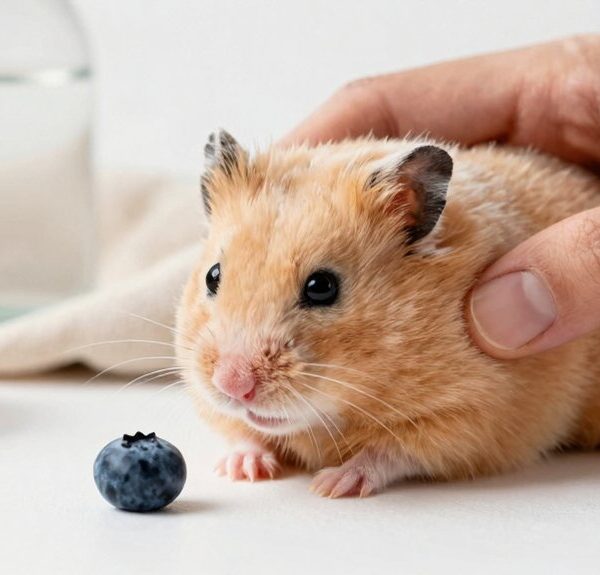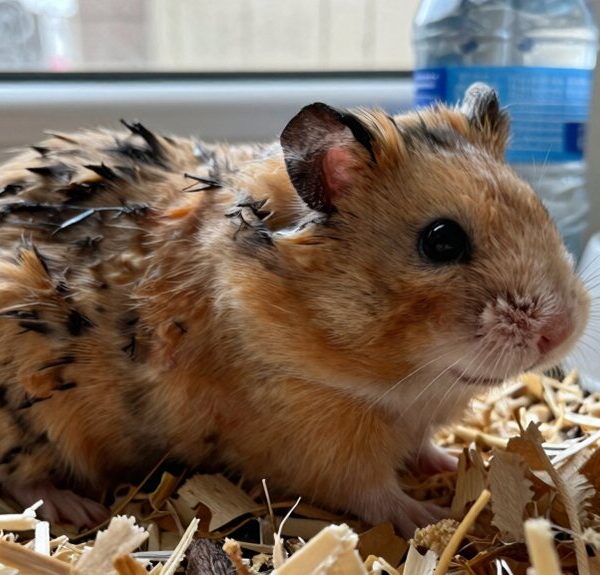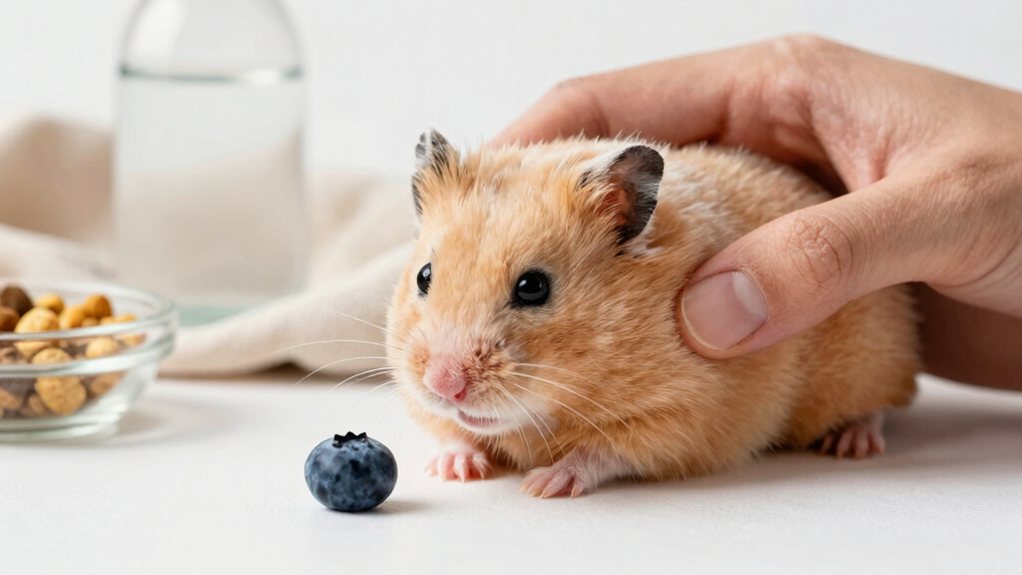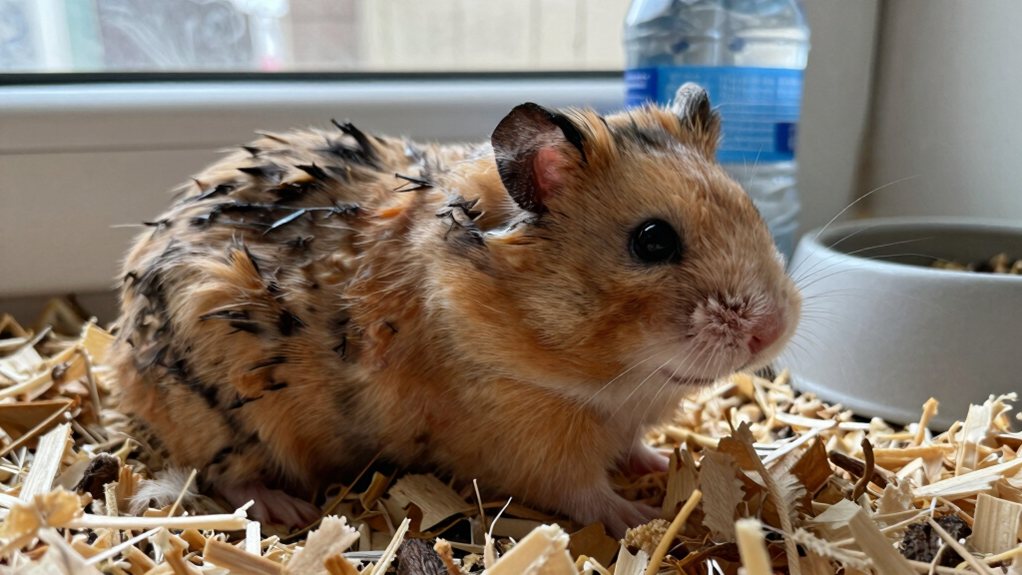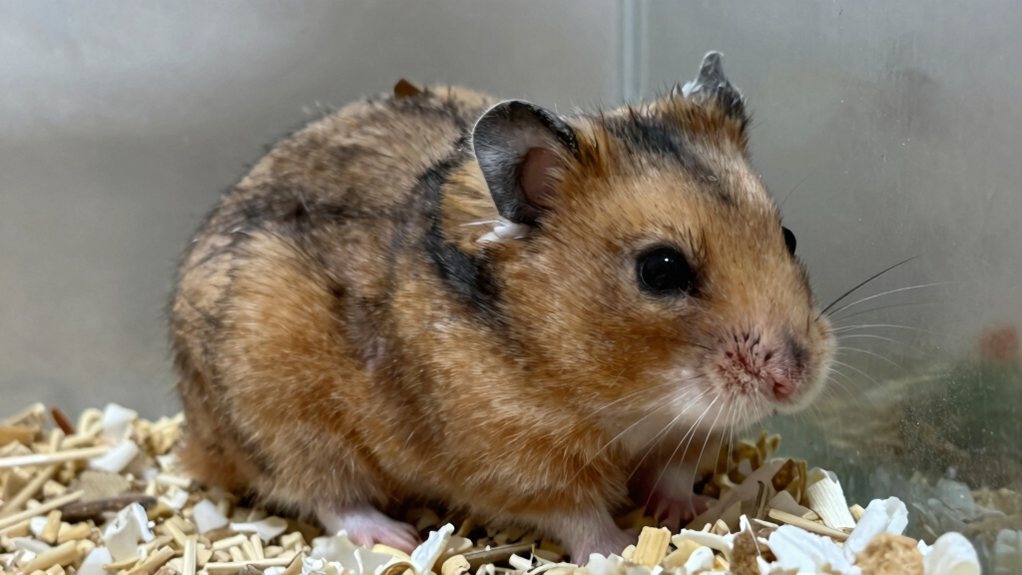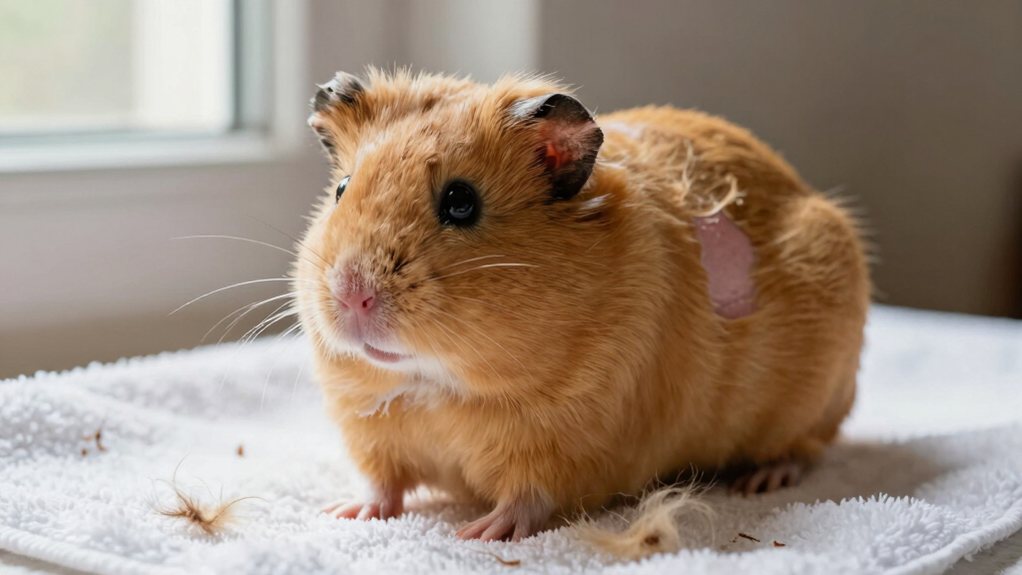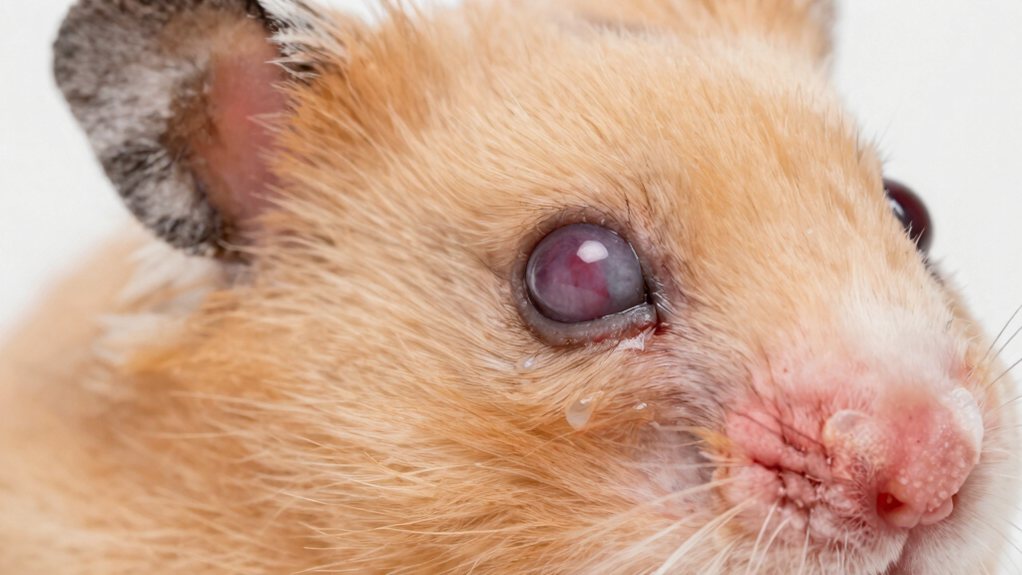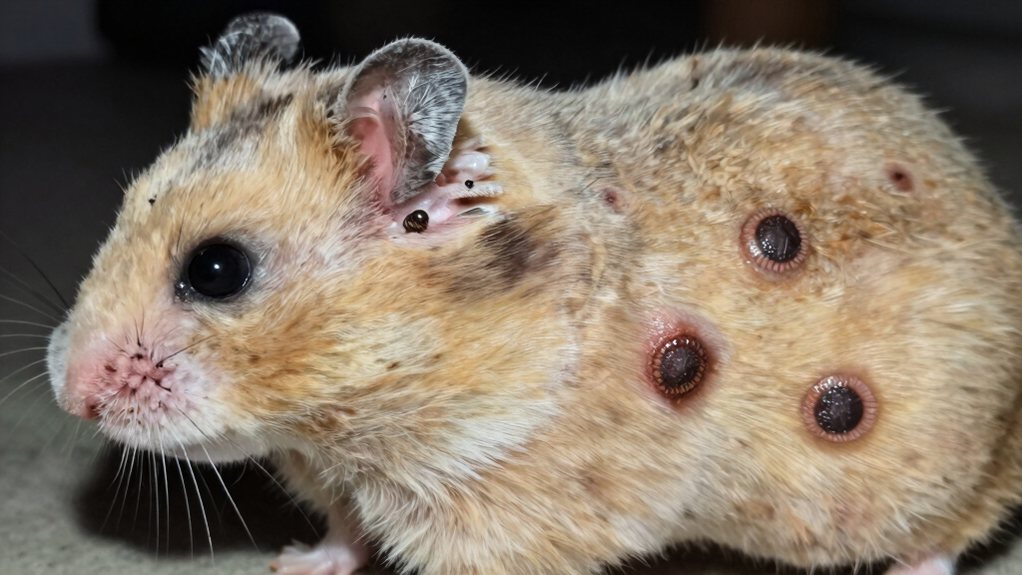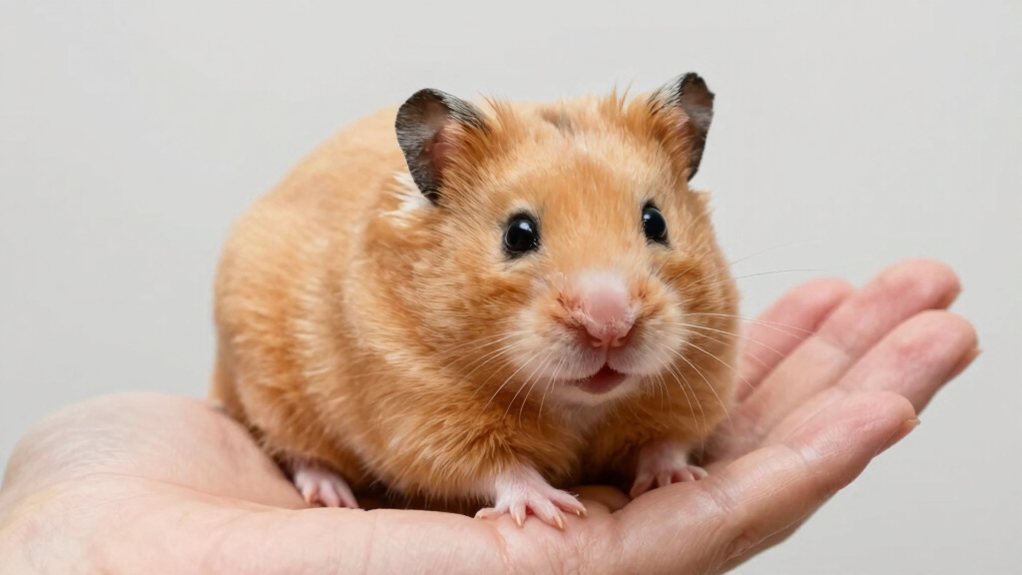
You’ve got to look beyond their cute roundness to spot hamster obesity. From above, a healthy hamster should look like a gentle oval, not a fuzzy pear or potato.
If you can’t easily feel their ribs under a thin layer of fluff or they waddle instead of walk, it’s a red flag. Weighing them weekly with a kitchen scale helps you track grams before the ‘chonk’ becomes a serious health problem, and there’s plenty more to explore on managing their weight safely.
Why a Chubby Hamster Is a Serious Health Risk
While it might seem cute to see your hamster with a little extra padding, that chub can actually be a serious problem for their health. An overweight hamster faces real risks like diabetes, heart strain, and painful joint issues.
It can also shorten their lifespan, and you definitely want your furry friend around as long as possible.
The good news is you can help them get healthy!
Start with smart diet portioning tips, like measuring their food instead of free-feeding, and limiting high-fat sunflower seeds to an occasional treat. Then, boost their activity with fun exercise enrichment ideas.
Think obstacle courses, a larger wheel, or a dig box.
It’s about creating a healthy lifestyle they’ll enjoy, turning playtime into a workout without them even knowing it.
Spotting the Telltale Signs of an Overweight Hamster
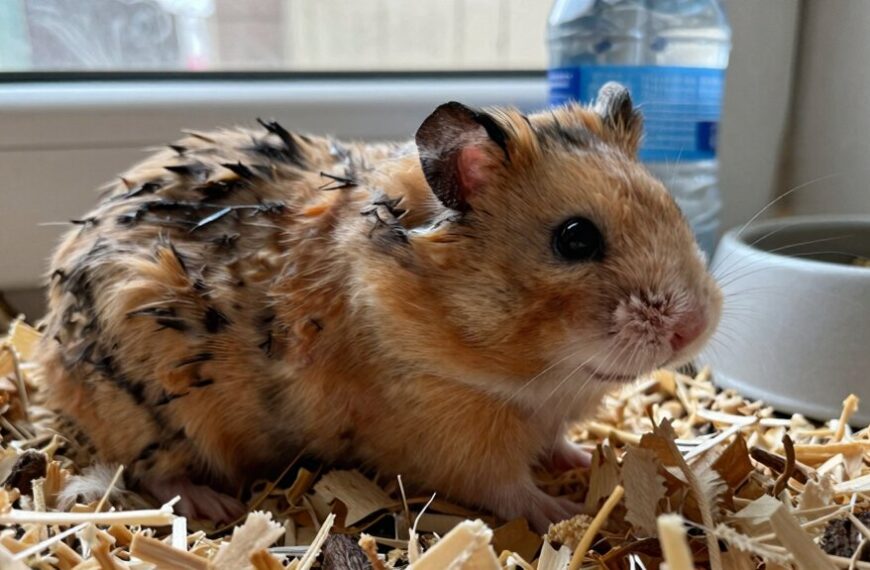
The first step in helping your hamster slim down is figuring out if they actually need to! Start with the “bowl test.” If your hamster looks more like a fuzzy pear than a sleek rodent when viewed from above, it’s a classic sign. You shouldn’t see a defined waist, but a pronounced bulge is a red flag.
Next, gently feel their sides. You should easily detect their ribs under a thin fat layer; if you have to press hard, they’re likely overweight. Notice them waddling or struggling to use their wheel? That’s a clear call for more exercise enrichment.
These signs mean it’s time to revisit their diet portioning and playtime routine for a healthier, happier pet. Providing sufficient mental stimulation through toys and tunnels can also reduce stress-related overeating.
How to Perform a Simple “Fat Check” Visual Exam
You can perform a simple “fat check” by looking at your hamster’s shape from above.
Watch for a flattened back profile, visible fat pads around the neck, and a missing waistline that makes them look more like a little potato than a pear. A hamster’s nocturnal nature means they do most of their eating and exercising at night, which can make monitoring their activity and diet more challenging.
These visual cues are your best first clues to a potential weight issue.
The Flattened Back Profile
Because your hamster’s back should form a gentle arch, a telltale sign of extra weight is a back that appears suspiciously flat. It’s like their little spine has become a straight, plump runway. To check, watch them from the side as they walk normally.
A healthy hamster has a subtle curve, while an overweight one looks oddly level or even slightly saggy in the middle. This extra padding isn’t just cosmetic; it can lead to mobility changes, making climbing or running harder, and even contribute to breathing difficulties. Excess weight can also exacerbate stress-related behaviors, as unmet stimulation needs from inadequate environments can lead to unhealthy habits like overeating.
Think of it as your hamster wearing a tiny, permanent backpack. It’s a simple visual clue that helps you keep your furry friend fit and frisky for all their important wheel meetings.
Visible Neck Fat Pads
Another good place to look for signs of extra weight is right behind your hamster’s head. A healthy hamster’s neck should flow seamlessly into its shoulders, maintaining a nice symmetry of body.
If you spot little squishy pads bulging out on either side, those are visible neck fat pads. They’re a clear signal your pal might be packing a few extra grams.
While you’re checking, also glance at their underside for any belly bulge signs.
Don’t worry, this isn’t about hamster perfection, it’s about health. Think of it as a simple “fat check” to make certain your furry friend stays agile and can still fit through their favorite tube. Ensuring their habitat includes ramps and tunnels can promote the activity needed to maintain a healthy weight.
A quick visual exam helps you catch changes early.
Missing Natural Waistline
Ever wondered what a hamster’s natural waistline should look like? In a healthy hamster, you should see a gentle inward curve behind the ribs when viewing them from above: that’s the waistline definition.
If your furry friend has a straight or oval shape from above, like a little potato, that natural indentation is missing. This is a key part of a visual body condition scoring check.
Gently place your hamster on a flat surface and look down from above; don’t worry, they might squirm! A missing waistline often means extra weight is hiding underneath that fluffy fur.
It’s a clear, simple sign to watch for, so you can help them stay active and playful. Remember, sugary foods contribute to obesity and diabetes, so a proper diet is key to maintaining a healthy weight.
How to Weigh Your Hamster Accurately at Home
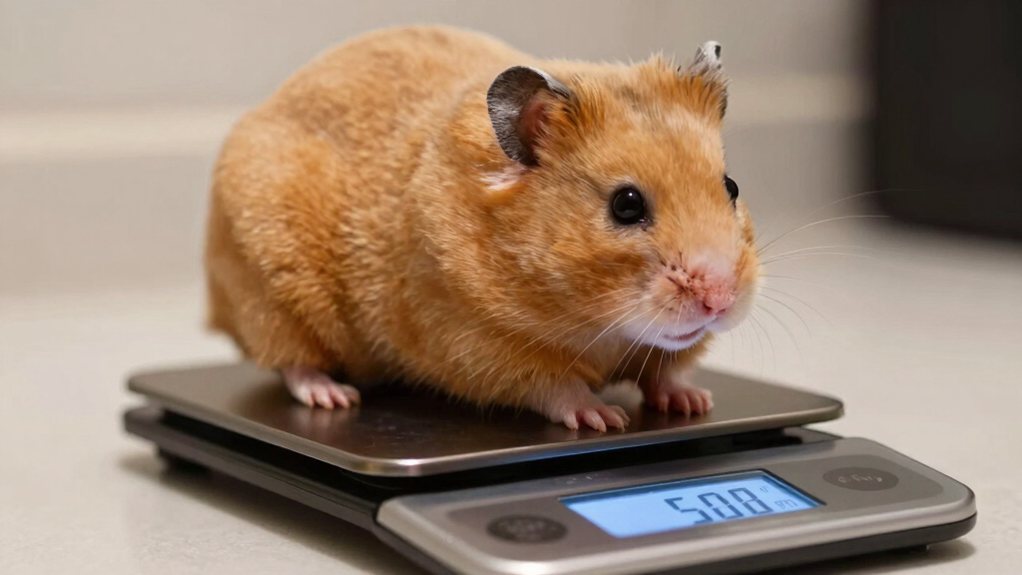
Since keeping an eye on your hamster’s weight is a key part of spotting any issues, you’ll want a reliable way to measure it at home.
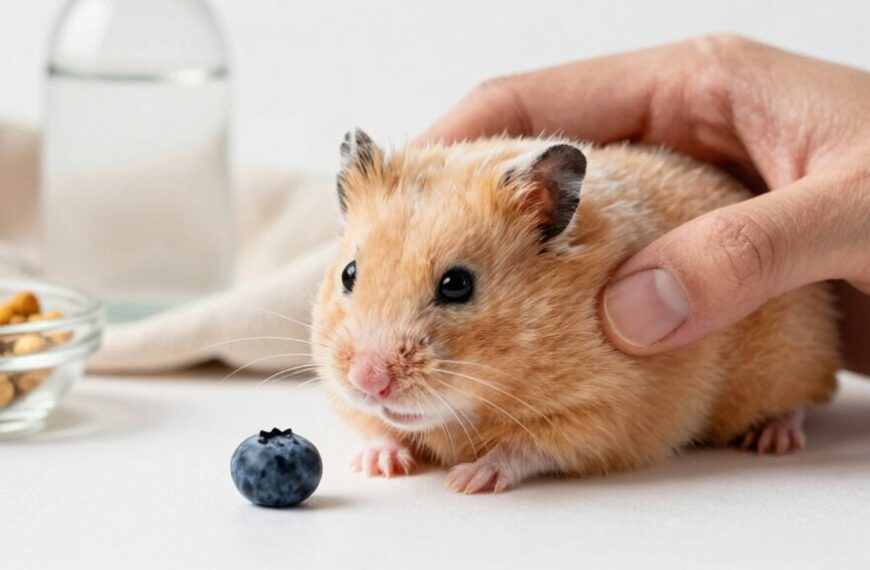
Start with a good weight scale selection; a digital kitchen or postal scale that measures in grams is perfect.
First, weigh a small, empty container, like a bowl, and note that “tare” weight. Then, gently place your hamster inside.
The scale will show only your pet’s weight, which is far more precise than guessing!
Tracking this number weekly helps you manage diet portioning effectively.
If you see a steady upward trend, you can adjust food amounts before a small chonk becomes a big problem.
It’s a simple check that gives you great peace of mind. For comprehensive habitat monitoring, also track the environmental conditions with a digital hygrometer thermometer to ensure temperature and humidity stay within healthy ranges.
What’s a Healthy Weight Range for Your Hamster?
Now that you’ve got a handle on weighing your little friend, you’re probably wondering what that number on the scale actually means, because not all hamsters are meant to be the same size.
A healthy Syrian hamster typically weighs between 120 and 200 grams, while a dwarf hamster might be a dainty 30 to 60 grams. Your vet can give you the perfect target for your specific pet.
A healthy Syrian hamster weighs 120-200 grams, while a dwarf hamster is a petite 30-60 grams. Your vet can provide the ideal target for your pet.
Remember, a good weight isn’t just about diet portioning, though measuring food is important. Uneaten fresh food removed daily helps with portion control to prevent both waste and obesity.
It’s also about activity! That’s where cage enrichment comes in: think wheels, tunnels, and digging boxes.
A bored hamster is more likely to snack and nap.
Keep things fun and active, and you’ll help your pal stay fit and frisky for all their adorable adventures.
The Main Causes of Weight Gain in Hamsters
Understanding what a healthy weight looks like for your hamster naturally leads to wondering how they might put on those extra grams. Often, the main culprit is simple overfeeding mistakes. It’s so easy to give extra treats or fill that bowl to the brim, but those little snacks add up quickly!
Pair that with a sedentary lifestyle, and you’ve got a recipe for weight gain. If your hamster’s cage is too small or lacks interesting wheels and tunnels, they won’t get the exercise they need. They might just eat and nap, much like we might with a comfy couch and a bag of chips. A lack of proper enrichment, like tunnels, bridges, and swings, can lead to inactivity and weight gain.
How to Help Your Hamster Lose Weight Safely

So you’ve spotted some extra fluff on your furry friend, and you’re ready to help them slim down, don’t worry, you’ve got this!
Start by reviewing their main diet; a high-quality pellet mix is key, and you must master treat portioning. Those seeds and nuts are tiny but packed with fat, so offer them sparingly.
Increase safe exercise options, like a bigger wheel or a secure playpen for exploration. You can also introduce foraging toys to encourage natural activity and mental stimulation. Don’t forget their hydration needs—always provide fresh water.
Monitor progress weekly with gentle handling, looking for a more defined waist. Remember, slow and steady wins the race; rapid weight loss is dangerous. Your patience and care will lead to a happier, healthier hamster.
Designing a Fun Exercise Plan for Your Pet
Creating a fun exercise plan for your pet hamster can actually be a blast for both of you, transforming a health chore into a source of daily entertainment.
Your main goal is playtime enrichment, which means getting their little body moving and their curious mind engaged.
Start with cage safe activities like adding a solid, secure wheel for nightly runs.
Outside the cage, build a playpen with cardboard tubes to explore and a shallow box filled with bedding for digging.
You can even hide treats in a toilet paper roll stuffed with hay to encourage foraging.
Preventing Weight Gain With the Right Diet & Portions
While you’re making exercise fun, what goes into your hamster’s food bowl plays a huge role in keeping them fit. First, measure their daily pellets carefully—a tablespoon is often plenty.
Scattering this food encourages natural foraging, turning mealtime into a mini workout. For treat swaps, skip fatty seeds; offer a tiny piece of veggie like broccoli instead.
Portion timing matters too; give these healthier snacks early in their active evening, so they burn off the calories.
Remember, a plump hamster might look cute, but a lean one is a healthy, zippy companion.
It’s all about balance—think of yourself choosing a salad over fries sometimes. Your careful choices now prevent big vet bills later.
Final Thoughts
Keeping your hamster at a healthy weight is totally doable, and you’re on the right track. By monitoring their food, encouraging fun exercise, and doing regular check-ups, you’re setting them up for a longer, happier life.
Remember, a fit hamster is a playful hamster, and that means more joyful moments for both of you. Stay consistent with their care, and you’ll have a healthy, energetic little friend by your side.